
How to tell if that shadow on your tooth is a cavity or a stain
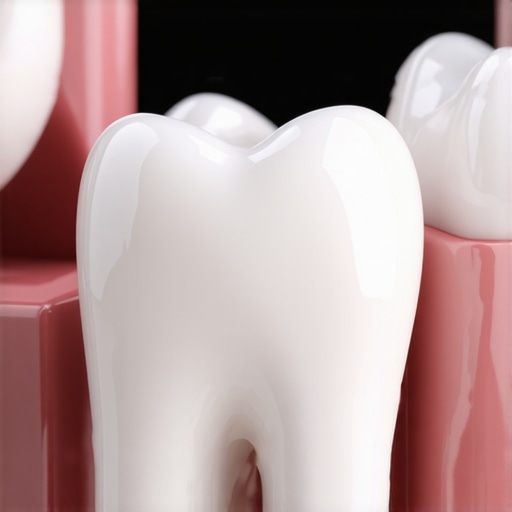
I was leaning over the sink last Tuesday, trying to get a better look at my molars, when I saw it—a tiny, dark shadow tucked into the groove of my back tooth. My heart actually skipped a beat. I immediately started calculating my savings, wondering if my recent focus on building healthy smiles for the family was about to be derailed by a massive filling. It’s a visceral kind of fear, isn’t it? One minute you’re enjoying your coffee, and the next, you’re convinced your enamel is failing you. I’ve been there more times than I’d like to admit. Once, I even rushed into a local clinic convinced I needed a root canal, only for the dentist to laugh (kindly) and scrape away a stubborn piece of blueberry skin. Talk about embarrassing.
Stop the Panic and Look Closer at Your Enamel
We often assume the worst because we’re taught that any discoloration is a sign of decay. But here is the reality: our teeth are like sponges for everything we consume. If you’ve been wondering why your coffee stains keep coming back, you already know that surface marks can be incredibly deceptive. Today, I want to give you the tools to distinguish between a harmless pigment and a genuine cavity. We’re going to talk about texture, sensitivity, and even how your bathroom lights might be playing tricks on your eyes. Sometimes, teeth look yellow in certain lighting and shadows appear deeper than they really are.
Is every dark mark actually worth the worry?
The short answer is no, but the long answer requires a bit of “bathroom forensics.” When I first started obsessing over my dental health, I made the mistake of trying to “scratch” at spots with a metal tool I found online. Don’t do that. It’s the fastest way to turn a harmless stain into a real problem by damaging your enamel. According to the American Dental Association, dental caries (cavities) are actually a process of demineralization, not just a color change. A stain is just a guest on the surface; a cavity is an unwelcome squatter moving into the house. If you’ve seen a shadow lately, did you immediately assume it was a cavity, or did you try to brush it away first? Let me know in the comments because I bet I’m not the only one who has panicked over a poppy seed.
The Texture Test Tells the Real Story
If you want to know the truth, you have to look beyond the color. Stains are usually flat. They follow the contours of your tooth and don’t change the structural feel of the surface. On the other hand, a cavity often feels “sticky” or “soft” if you (very gently!) run a clean fingernail or a soft toothbrush over it. If your tooth feels like it has a tiny pit or a “catch,” that’s a red flag. It’s similar to how you might tell if a white spot is a cavity—it’s all about the integrity of the surface.
Watch How You React to Your Favorite Snacks
If the texture test didn’t give you a definitive answer, it is time to pay attention to your lunch. Stains are purely cosmetic, meaning they don’t have a direct line to your nerves. A cavity, however, is a hole in your defenses. I remember sitting down with a massive bowl of Greek yogurt and honey last summer, convinced that the dark spot on my lower left molar was just a remnant of my morning coffee. But the second that honey hit the tooth, I felt a sharp, electric zing that made me drop my spoon. That was the moment I realized I wasn’t dealing with a surface mark. If you find that why your teeth feel sensitive to sugar but not to cold is a question you are asking yourself, you are likely looking at a cavity that has breached the enamel and is bothering the dentin underneath.
The Sugar Test is Your Best Friend
Stains don’t care about sugar. You could swirl maple syrup around a coffee-stained tooth all day and feel nothing. But bacteria in a cavity thrive on those sugars, producing acid that irritates the exposed nerve. If you have a suspicious spot, try a ‘targeted’ taste test with something sweet. If it aches, it is time to look into family dentistry tips for creating a healthy smile and get it checked.
Check Your Lighting and Angles Before You Panic
Sometimes we see shadows that aren’t there because our bathroom lighting is aggressive. I once spent twenty minutes contorting my face in front of a 10x magnifying mirror, convinced I had a hole the size of a crater. It turned out to be the shadow cast by a slightly raised edge of my enamel. To get an accurate look, use a small handheld mirror and a bright, direct flashlight rather than just the overhead light. You want to see if the dark spot disappears when the light hits it directly. If the darkness stays deep in the groove regardless of the light angle, that is a ‘shadow’ within the tooth structure, which often signals decay. While you are at it, check the surrounding area; if you notice your gum line is pulling back, you might need to learn how to tell if your gum recession is caused by over-brushing, as exposed roots are even more prone to rapid decay.
Why Location Matters for Your Molars
Where the spot is located tells a huge story. Stains love to hang out where your toothbrush can’t easily reach, but they are also common on the flat surfaces of your front teeth if you’re a heavy tea or wine drinker. Cavities, conversely, love the ‘pits and fissures’—the deep valleys on the biting surfaces of your back teeth. If the spot is right in the center of one of those valleys and won’t budge with a vigorous brushing, it’s a red flag. If it is on the flat front surface, you might just need to explore some teeth whitening secrets for a sparkling smile to lift that pigment.
Bring in the Professionals for a Final Verdict
At the end of the day, your eyes can only see so much. I finally swallowed my pride and visited my local clinic after that ‘honey incident.’ It turns out that while the spot looked small, the decay had spread underneath the surface like an iceberg. Choosing between a corporate clinic and local Culpeper family dentistry made a huge difference for me; having a dentist who knew my history meant they could compare my current X-rays to ones from two years ago to see if that spot was actually growing or just a stable, old stain.Most people think that if their teeth are yellow, they simply need a stronger bleaching gel. In reality, aggressive whitening can be a dangerous trap. If your enamel is naturally thin or worn down, bleaching the surface actually makes the yellowish dentin underneath more visible, leading to a cycle of frustration. I’ve seen people spend a fortune on teeth whitening options in 2025 only to wonder why their teeth look gray instead of yellow afterward. This happens because the tooth becomes too translucent. A study published in the Journal of the American Dental Association (JADA) highlights that over-bleaching can lead to permanent mineral loss, making the tooth look ‘dull’ rather than bright. It’s not just about the color; it’s about the light physics of your smile.
Why More Bleach Won’t Fix Gray Enamel
Here is the ‘oops’ factor many of us miss: the mistake of using whitening strips on dental bonding or old fillings. If you have a chip fixed with dental resin, that material is color-fast. Bleaching the rest of the tooth just highlights the repair, making it look like a dark patch or a mismatched puzzle piece. The same logic applies to those who try to ‘freshen up’ their porcelain work. You have to stop brushing your veneers like they are real teeth with abrasive whitening pastes. You’ll eventually scratch the professional glaze and make the porcelain attract more stains than it ever would have naturally.
Can you actually whiten teeth stained by childhood medication?
This is the holy grail of difficult dental cases. If you’re dealing with internal gray or brown bands, standard whitening gels won’t touch them because the stain is locked inside the structure. You need to look into the best way to whiten teeth that have been stained by tetracycline, which usually involves professional-grade deep bleaching or moving toward veneers to transform your aesthetics entirely. It is a nuanced path that requires more than a store-bought kit can provide.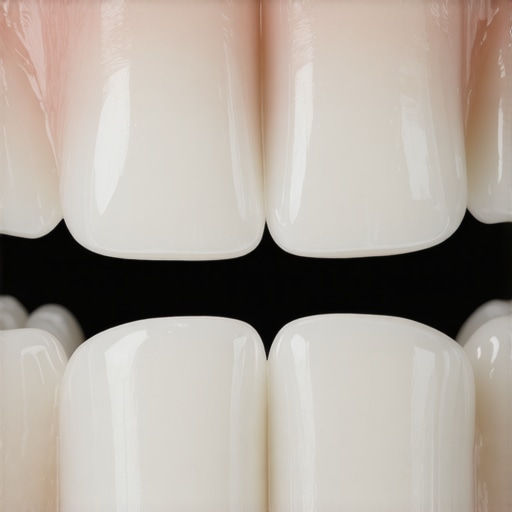
Stop Treating Your Aligners Like a Mouthguard
When it comes to modern alignment, there’s a hidden nuance that catches people off guard. I’ve heard so many stories of patients being super diligent with their wear time, but then panicking because their teeth appear to have developed purple or orange spots. It’s usually just the composite attachments catching pigment from your diet. Knowing how to get purple soda stains off your invisalign attachments can save you an emergency trip to the clinic. Furthermore, invisalign secrets for achieving a perfect smile often involve understanding that the trays themselves can trap acids against your teeth if you aren’t careful. While we focus on the convenience of ensuring family dental care for the kids, we often forget that our own adult cosmetic treatments require just as much technical precision. Have you ever fallen into the trap of over-whitening or mixing DIY treatments without a professional plan? Let me know in the comments below.
Why I Finally Tossed My Manual Toothbrush
For years, I believed that a manual toothbrush and some elbow grease were enough to protect my investment in building healthy smiles for the family. I was wrong. When you have Invisalign attachments or the delicate edges of porcelain work, a manual brush simply can’t vibrate fast enough to disrupt the biofilm that hides in those microscopic gaps. I personally switched to a high-end sonic toothbrush because the 62,000 brush movements per minute do the work for me without the risk of scrubbing too hard. A study published by the Cochrane Library found that powered toothbrushes provide a 21 percent reduction in plaque compared to manual ones after just three months of use. This isn’t just a gadget; it’s a necessity to prevent your expensive work from failing. If you are still using a manual brush, you might be the reason why your porcelain veneers look dull after five years because you’re likely over-brushing and scratching the surface glaze.
Ditch the String and Use a Water Flosser Instead
I’ll be honest: I used to lie to my dentist about flossing. It’s tedious, and when you have a permanent retainer or aligner attachments, the string always seems to shred. My game-changer was a cordless water flosser. It’s the only way I’ve found to get under the tight spots without causing irritation. It is also the only way to get red wine stains off your enamel without scrubbing those hard-to-reach interproximal spaces. I recommend using it with lukewarm water; if you have sensitive teeth, cold water from the tap can feel like a lightning bolt to the jaw. This tool is especially vital for ensuring family dental care remains consistent for teenagers who are notorious for skipping the traditional floss.
How do I maintain my professional results over time?
The secret to longevity isn’t a one-time treatment; it is a ritual. For my Invisalign, I stopped using colored mouthwashes to clean my trays because they caused a weird tint. Now, I use specialized cleaning crystals and I’m meticulous about the best way to store clear aligners when not wearing them—never in a napkin, always in a ventilated case. For whitening, I don’t bleach every month. Instead, I do a ‘maintenance’ session once every six months to avoid the ‘graying’ effect. If you also wear a night guard, you must learn how to properly clean a night guard to prevent bacterial buildup, or you’re just pressing bacteria against your teeth for eight hours a night.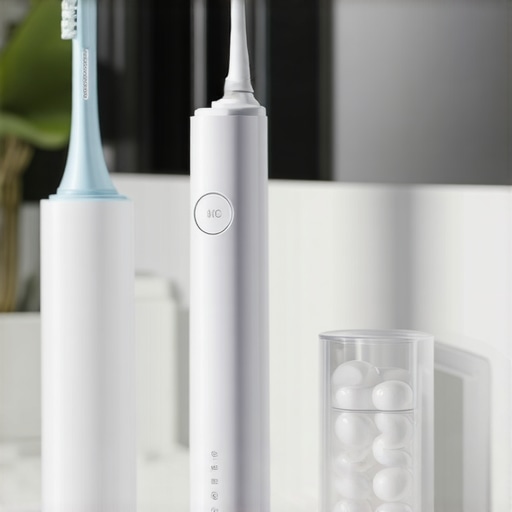
Artificial Intelligence is Coming for Your Bathroom Sink
Looking ahead, the next big shift in dental maintenance is real-time feedback. We are already seeing toothbrushes with AI sensors that map your mouth on a smartphone app, showing you exactly where you missed a spot. In the next few years, I expect home 3D scanning to become a standard part of invisalign secrets for achieving a perfect smile, allowing your dentist to monitor your progress virtually every week. We are moving away from ‘fix it when it hurts’ and toward a world where your bathroom mirror might actually alert you to a cavity before you can even see it. My advanced tip for you today: Try switching to a water flosser with lukewarm water and a tiny capful of alcohol-free mouthwash tonight—the pressure combined with the antibacterial boost will make your mouth feel cleaner than a professional visit.
The Most Expensive Mistakes I Made Before Talking to My Dentist
Reflecting on my own journey through dental anxiety, I’ve realized that the ‘DIY diagnosis’ is usually a recipe for stress. Here are a few lightbulb moments that changed how I approach my oral health:
- The ‘Iceberg’ Effect is Real: I used to think if a spot didn’t hurt, it wasn’t a problem. I learned the hard way that decay moves silently under the surface until it hits a nerve.
- Whitening Has a Ceiling: If you over-bleach, you risk seeing why your teeth look gray instead of yellow and how to fix it. Enamel needs minerals, not just peroxide.
- Your Dentist is a Partner, Not a Judge: Choosing a provider through family dentistry building healthy smiles for every generation transformed my visits from ‘interrogations’ into collaborative strategy sessions.
A Few Tools That Keep Me Out of the Dental Chair
I don’t just rely on luck anymore; I rely on a specific toolkit that has significantly reduced my ’emergency’ sightings of dark spots. First, I stopped guessing about my whitening routine and started following the ultimate guide to teeth whitening options in 2025 to ensure I wasn’t damaging my enamel. Second, switching to a local provider allowed me to see the subtle difference between a corporate clinic and local Culpeper family dentistry, where they use 3D imaging to track my spots over years, not just months. Finally, I never travel without my cordless water flosser—it’s the only way to keep the hidden ‘valleys’ of my molars truly clean.
#IMAGE_PLACEHOLDER_E#
Trust Your Instincts but Trust Your Dentist More
At the end of the day, your smile is a living part of you that deserves more than a quick glance in a bathroom mirror. Whether you’re dealing with a stubborn coffee stain or a suspicious shadow, taking action early is the greatest gift you can give your future self. Modern family dentistry has made these checks faster and more comfortable than ever before. Don’t let the fear of a ‘shadow’ keep you from enjoying your favorite foods and your brightest smile.
Have you ever panicked over a dark spot only to find out it was just a harmless stain? Let me know your story in the comments below!