
How to stop your teeth from shifting after your braces come off
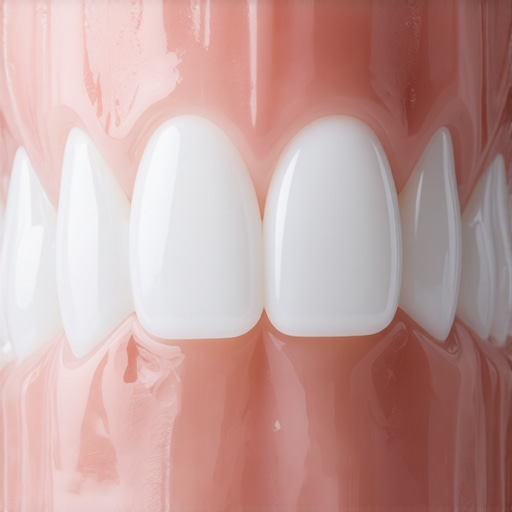
I still remember the day my orthodontist finally handed me the mirror and said the magic words: ‘They’re coming off.’ After twenty-four months of metal brackets and sore Mondays, I felt like a superhero with a brand-new, perfect weapon—my smile. But then, life happened. I got lazy. I figured my teeth were ‘locked’ into place forever. Six months later, I caught a glimpse of my reflection and realized my bottom incisor was starting to overlap its neighbor again. That sinking feeling in my gut was a wake-up call. If you are reading this, you are probably feeling that same phantom pressure or noticing a tiny gap where there wasn’t one yesterday. Today, I’m going to share exactly how I reclaimed my alignment and what you need to do to stop the drift before it ruins your investment.
Why Your Teeth Have a Stubborn Memory of Their Own
It turns out that teeth are a lot like toddlers; they want to go exactly where they aren’t supposed to. I made the massive mistake of thinking the ‘retention phase’ was just a suggestion. In reality, the fibers in your gums have a sort of ‘elastic memory’ that tries to pull your teeth back to their original, crooked positions. This is often the reason your smile looks uneven after orthodontic treatment, even if it looked perfect on debanding day. According to the Harvard Health Publishing, our jawbones actually narrow and change shape as we age, a process called physiological drift, which means your teeth are under constant pressure to move regardless of your history with braces. If you aren’t careful, you might even notice you need to avoid the dreaded black triangles after braces that can form when teeth shift and gum tissue doesn’t follow.
Do I really have to wear this thing forever?
This is the question I asked my dentist while pouting in the chair. The short answer is yes, but the long answer is more manageable. I used to think I could just toss my retainer after a year. Wrong. Whether you are using traditional methods or looking into Invisalign secrets for achieving a perfect smile discreetly, the retainer is the only thing standing between you and a second round of braces. Have you noticed your teeth feeling a little tight in the morning, or perhaps a small gap opening up that wasn’t there before? Drop a comment or reach out, because catching it early is the only way to save your smile without spending another few thousand dollars. Let’s look at the specific habits that actually keep those pearly whites in their new home.
Lock Your Smile in Place with the Seatbelt Strategy
Think of your retainer as the seatbelt for your smile. Just as a seatbelt keeps you safe in a sudden stop, a retainer holds your teeth steady against the constant, microscopic forces trying to push them back to their old, crooked positions. I learned this the hard way during a long weekend in the mountains. I left my retainer case on my bathroom counter at home. By Sunday night, when I finally pushed my tray back in, it felt like my teeth were being re-arranged by a vice grip. This happens because of relapse, where the periodontal ligaments haven’t fully solidified in their new positions. To avoid this, you need to be militant about wear time. Many people struggle with the problem with wearing your aligners for only 18 hours a day, but the reality is that those missing four hours are when the most drift occurs and your investment starts to slide. 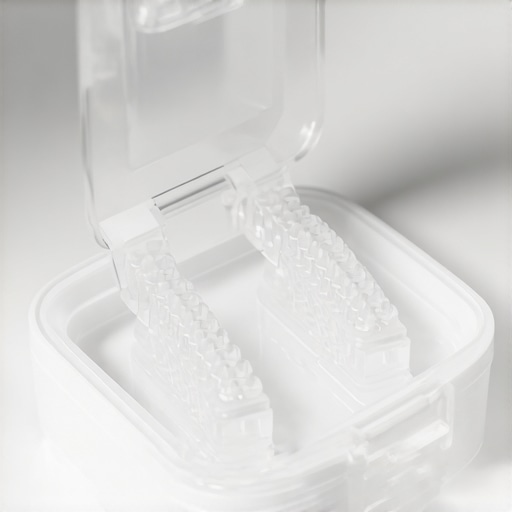
Scrubbing the Hard-to-Reach Wire Without Hurting Your Gums
If your orthodontist opted for a permanent retainer—that thin wire glued behind your bottom teeth—you might think you are off the hook for daily maintenance. I certainly did, until my hygienist pointed out a wall of tartar building up around the metal. You must learn how to clean plaque off a permanent retainer wire using a floss threader or a specialized interdental brush. It is like cleaning the grout in your shower; it is tedious, but if you skip it, the foundation starts to crumble. Neglecting this area doesn’t just lead to cavities; it can cause localized gum recession that makes the very teeth you worked so hard to straighten start to feel unstable.
How to Stop Your Retainers from Smelling Like an Old Locker Room
We need to talk about swamp mouth. If you pop your retainer in every night without a deep clean, you are essentially marinating your teeth in bacteria. I used to just rinse mine with cold water until I noticed they were turning a hazy, opaque color and developed a distinct odor. To keep your hardware and your breath fresh, you need to master how to clean the stubborn gunk out of your night guard or retainer using non-abrasive, specialized cleaners. Avoid using standard toothpaste on them, as the abrasive grit can create microscopic scratches that harbor even more bacteria. If you are a parent, teaching these maintenance habits early is a vital part of family dentistry and building healthy smiles for every generation.
Why You Should Keep an Eye on the Click
Have you ever felt your retainer suddenly feel loose or heard it click when you bite down? This isn’t just an annoyance; it is a sign the plastic has warped or your teeth have moved enough to change the fit. If you notice the reason your bottom retainer keeps clicking out of place, it usually means the material is fatigued and no longer exerting the necessary pressure. Don’t wait. A loose retainer is as useful as a loose screw in a bookshelf; eventually, the whole thing is going to lean. Since you’ve already invested time into your alignment, perhaps even considering the ultimate guide to teeth whitening options in 2025 to finish the look, don’t let a simple piece of plastic be the reason your smile loses its edge.
Stop Treating Your Veneers Like Real Teeth
Most people believe that once they get porcelain shells, their dental hygiene worries are essentially over. They think of them as permanent armor. However, if you stop brushing your veneers like they are real teeth and start treating them as precision-engineered glass, they will last much longer. The ‘oops’ factor here is the use of abrasive charcoal or aggressive whitening toothpastes. These don’t scratch the porcelain itself, but they can microscopically wear down the resin cement at the margins—the tiny gap where the veneer meets the tooth. This leads to ‘micro-leaks’ where bacteria and coffee stains can sneak underneath. If you’ve noticed a dulling effect, you might be seeing the reason your veneers look gray in certain lighting. In my experience, patients who switch to a non-abrasive gel toothpaste see their veneers last five to seven years longer than those who stick with the ‘heavy duty’ whitening brands. If you’re currently in the planning stages, checking out expert tips to transform your smile with veneers will help you understand that the preparation is only half the battle; the maintenance is what keeps the investment alive.
The Invisible Science Behind Those Aligner Bumps
When you transition to Invisalign innovation and invisible braces, you’ll likely have small, tooth-colored bumps called attachments glued to your enamel. A common myth is that these are just anchors to keep the tray from sliding off. In reality, they are sophisticated torque points that dictate the exact three-dimensional angle of the root movement. The trap many fall into is neglecting the hygiene around these specific areas. Because they protrude slightly, they become magnets for pigment. If you aren’t careful with your diet, you might find yourself needing to get purple soda stains off your Invisalign attachments, which is far more frustrating than cleaning the removable trays. Failure to keep these clean can lead to localized demineralization, meaning when the attachments are removed, you’re left with a permanent white square on your tooth. 
Why Does Your Professional Whitening Seem Less Effective the Second Time?
This is a nuance many patients overlook when trying to maintain their results years later. You might notice why your professional whitening didn’t work as well as last time because your enamel porosity changes as you age or after multiple chemical treatments. According to research published in the International Journal of Dentistry, the longevity of ceramic restorations and the efficacy of bleaching agents are heavily influenced by the ‘acquired pellicle’—the thin layer of proteins that forms on your teeth. This layer can become more resistant to penetration over time. If you try to ‘top up’ a smile that already has composite work, you might make the mistake of using whitening strips on dental bonding. Since bonding material is non-porous, the strips will only whiten the natural tooth structure around it, creating a mismatched, patchy look that is incredibly hard to fix without replacing the bonding entirely. Instead, focus on teeth whitening secrets for a sparkling smile in 2025 that prioritize hydration and enamel health. Have you ever fallen into this trap of thinking your dental work was indestructible? Let me know in the comments, and let’s talk about how to protect those results.
Swap Your Old Toothbrush for an Ultrasonic Cleaner
I wasted way too much money on specialty soaps and effervescent tablets before I discovered the magic of a dedicated ultrasonic pod. If you are using a standard toothbrush to clean your trays, you are actually sabotaging yourself. According to research in The Journal of Oral Rehabilitation, the mechanical abrasion of a toothbrush creates microscopic scratches on the thermoplastic material of your aligners. These tiny grooves become a sanctuary for plaque and are often the hidden reason your clear aligners have a persistent odor. I personally use a 42,000Hz ultrasonic cleaner every morning; it uses sound waves to implode tiny bubbles against the hardware, blasting off the biofilm without touching the surface. This is the only way I’ve found to prevent why your aligner trays are starting to turn yellow no matter how much you soak them. If you want that ‘day one’ clarity to last for the full two weeks of your tray cycle, this is the one tool you shouldn’t skip. 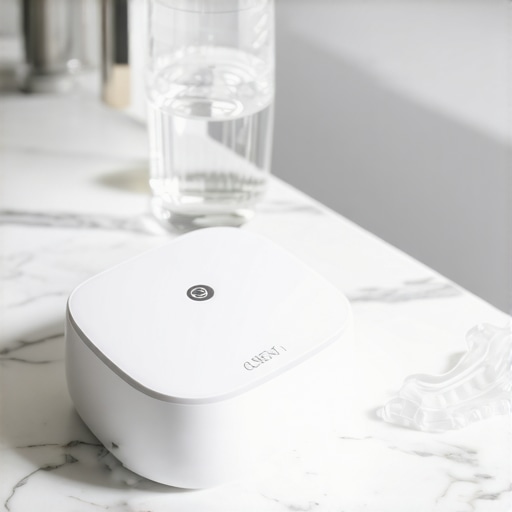
How do I maintain my alignment results over several years?
Maintaining a perfect smile is less about a single grand gesture and more about the invisible habits you cultivate. I realized that my teeth were most vulnerable during high-stress periods when I would unconsciously grind my teeth at night. If you don’t wear a night guard or your retainer consistently, you risk undoing thousands of dollars of work. For parents, this is a lesson that needs to be passed down early through ensuring family dental care and what parents need to know in 2025. I recommend setting a ‘no-phone’ rule for the last ten minutes of the day to focus solely on your oral hygiene routine. It’s also about knowing how to get your teen to wear their retainer without constant nagging by framing it as protecting their own ‘personal brand’ rather than just a chore. Consistency is the only thing that beats the natural physiological drift of your jawbone as you age.
AI is About to Take the Guesswork Out of Your Mirror Time
The future of maintenance is moving away from ‘guessing’ and toward data. We are already seeing the rise of Invisalign innovation and invisible braces changing smiles in 2025 that integrate with smartphone apps to track tooth movement in real-time. I predict that within the next three years, we will all have ‘smart mirrors’ that use ultraviolet light to highlight exactly where plaque is building up or where your veneers are beginning to show wear. This technology will help you implement top teeth whitening strategies today by alerting you the moment your enamel porosity changes, allowing for much more targeted and less frequent treatments. If you’ve been struggling to keep your results, I highly recommend adopting a ‘preventative-first’ mindset. For those of you managing a household, stay ahead by checking out family dentistry tips for creating a healthy smile for your kids. My advanced tip for you today: try switching from tap water to distilled water in your ultrasonic cleaner for just 48 hours; you will be shocked at how much cleaner your trays feel when you remove the mineral buildup from the equation.I still remember the day my orthodontist finally handed me the mirror and said the magic words: ‘They’re coming off.’ After twenty-four months of metal brackets and sore Mondays, I felt like a superhero with a brand-new, perfect weapon—my smile. But then, life happened. I got lazy. I figured my teeth were ‘locked’ into place forever. Six months later, I caught a glimpse of my reflection and realized my bottom incisor was starting to overlap its neighbor again. That sinking feeling in my gut was a wake-up call. If you are reading this, you are probably feeling that same phantom pressure or noticing a tiny gap where there wasn’t one yesterday. Today, I’m going to share exactly how I reclaimed my alignment and what you need to do to stop the drift before it ruins your investment.
Why Your Teeth Have a Stubborn Memory of Their Own
It turns out that teeth are a lot like toddlers; they want to go exactly where they aren’t supposed to. I made the massive mistake of thinking the ‘retention phase’ was just a suggestion. In reality, the fibers in your gums have a sort of ‘elastic memory’ that tries to pull your teeth back to their original, crooked positions. This is often the reason your smile looks uneven after orthodontic treatment, even if it looked perfect on debanding day. According to the Harvard Health Publishing, our jawbones actually narrow and change shape as we age, a process called physiological drift, which means your teeth are under constant pressure to move regardless of your history with braces. If you aren’t careful, you might even notice you need to avoid the dreaded black triangles after braces that can form when teeth shift and gum tissue doesn’t follow.
Do I really have to wear this thing forever?
This is the question I asked my dentist while pouting in the chair. The short answer is yes, but the long answer is more manageable. I used to think I could just toss my retainer after a year. Wrong. Whether you are using traditional methods or looking into Invisalign secrets for achieving a perfect smile discreetly, the retainer is the only thing standing between you and a second round of braces. Have you noticed your teeth feeling a little tight in the morning, or perhaps a small gap opening up that wasn’t there before? Drop a comment or reach out, because catching it early is the only way to save your smile without spending another few thousand dollars. Let’s look at the specific habits that actually keep those pearly whites in their new home.
Lock Your Smile in Place with the Seatbelt Strategy
Think of your retainer as the seatbelt for your smile. Just as a seatbelt keeps you safe in a sudden stop, a retainer holds your teeth steady against the constant, microscopic forces trying to push them back to their old, crooked positions. I learned this the hard way during a long weekend in the mountains. I left my retainer case on my bathroom counter at home. By Sunday night, when I finally pushed my tray back in, it felt like my teeth were being re-arranged by a vice grip. This happens because of relapse, where the periodontal ligaments haven’t fully solidified in their new positions. To avoid this, you need to be militant about wear time. Many people struggle with the problem with wearing your aligners for only 18 hours a day, but the reality is that those missing four hours are when the most drift occurs and your investment starts to slide.
Scrubbing the Hard-to-Reach Wire Without Hurting Your Gums
If your orthodontist opted for a permanent retainer—that thin wire glued behind your bottom teeth—you might think you are off the hook for daily maintenance. I certainly did, until my hygienist pointed out a wall of tartar building up around the metal. You must learn how to clean plaque off a permanent retainer wire using a floss threader or a specialized interdental brush. It is like cleaning the grout in your shower; it is tedious, but if you skip it, the foundation starts to crumble. Neglecting this area doesn’t just lead to cavities; it can cause localized gum recession that makes the very teeth you worked so hard to straighten start to feel unstable.
How to Stop Your Retainers from Smelling Like an Old Locker Room
We need to talk about swamp mouth. If you pop your retainer in every night without a deep clean, you are essentially marinating your teeth in bacteria. I used to just rinse mine with cold water until I noticed they were turning a hazy, opaque color and developed a distinct odor. To keep your hardware and your breath fresh, you need to master how to clean the stubborn gunk out of your night guard or retainer using non-abrasive, specialized cleaners. Avoid using standard toothpaste on them, as the abrasive grit can create microscopic scratches that harbor even more bacteria. If you are a parent, teaching these maintenance habits early is a vital part of family dentistry and building healthy smiles for every generation.
Why You Should Keep an Eye on the Click
Have you ever felt your retainer suddenly feel loose or heard it click when you bite down? This isn’t just an annoyance; it is a sign the plastic has warped or your teeth have moved enough to change the fit. If you notice the reason your bottom retainer keeps clicking out of place, it usually means the material is fatigued and no longer exerting the necessary pressure. Don’t wait. A loose retainer is as useful as a loose screw in a bookshelf; eventually, the whole thing is going to lean. Since you’ve already invested time into your alignment, perhaps even considering the ultimate guide to teeth whitening options in 2025 to finish the look, don’t let a simple piece of plastic be the reason your smile loses its edge.
Stop Treating Your Veneers Like Real Teeth
Most people believe that once they get porcelain shells, their dental hygiene worries are essentially over. They think of them as permanent armor. However, if you stop brushing your veneers like they are real teeth and start treating them as precision-engineered glass, they will last much longer. The ‘oops’ factor here is the use of abrasive charcoal or aggressive whitening toothpastes. These don’t scratch the porcelain itself, but they can microscopically wear down the resin cement at the margins—the tiny gap where the veneer meets the tooth. This leads to ‘micro-leaks’ where bacteria and coffee stains can sneak underneath. If you’ve noticed a dulling effect, you might be seeing the reason your veneers look gray in certain lighting. In my experience, patients who switch to a non-abrasive gel toothpaste see their veneers last five to seven years longer than those who stick with the ‘heavy duty’ whitening brands. If you’re currently in the planning stages, checking out expert tips to transform your smile with veneers will help you understand that the preparation is only half the battle; the maintenance is what keeps the investment alive.
The Invisible Science Behind Those Aligner Bumps
When you transition to Invisalign innovation and invisible braces, you’ll likely have small, tooth-colored bumps called attachments glued to your enamel. A common myth is that these are just anchors to keep the tray from sliding off. In reality, they are sophisticated torque points that dictate the exact three-dimensional angle of the root movement. The trap many fall into is neglecting the hygiene around these specific areas. Because they protrude slightly, they become magnets for pigment. If you aren’t careful with your diet, you might find yourself needing to get purple soda stains off your Invisalign attachments, which is far more frustrating than cleaning the removable trays. Failure to keep these clean can lead to localized demineralization, meaning when the attachments are removed, you’re left with a permanent white square on your tooth.
Why Does Your Professional Whitening Seem Less Effective the Second Time?
This is a nuance many patients overlook when trying to maintain their results years later. You might notice why your professional whitening didn’t work as well as last time because your enamel porosity changes as you age or after multiple chemical treatments. According to research published in the International Journal of Dentistry, the longevity of ceramic restorations and the efficacy of bleaching agents are heavily influenced by the ‘acquired pellicle’—the thin layer of proteins that forms on your teeth. This layer can become more resistant to penetration over time. If you try to ‘top up’ a smile that already has composite work, you might make the mistake of using whitening strips on dental bonding. Since bonding material is non-porous, the strips will only whiten the natural tooth structure around it, creating a mismatched, patchy look that is incredibly hard to fix without replacing the bonding entirely. Instead, focus on teeth whitening secrets for a sparkling smile in 2025 that prioritize hydration and enamel health. Have you ever fallen into this trap of thinking your dental work was indestructible? Let me know in the comments, and let’s talk about how to protect those results.
Swap Your Old Toothbrush for an Ultrasonic Cleaner
I wasted way too much money on specialty soaps and effervescent tablets before I discovered the magic of a dedicated ultrasonic pod. If you are using a standard toothbrush to clean your trays, you are actually sabotaging yourself. According to research in The Journal of Oral Rehabilitation, the mechanical abrasion of a toothbrush creates microscopic scratches on the thermoplastic material of your aligners. These tiny grooves become a sanctuary for plaque and are often the hidden reason your clear aligners have a persistent odor. I personally use a 42,000Hz ultrasonic cleaner every morning; it uses sound waves to implode tiny bubbles against the hardware, blasting off the biofilm without touching the surface. This is the only way I’ve found to prevent why your aligner trays are starting to turn yellow no matter how much you soak them. If you want that ‘day one’ clarity to last for the full two weeks of your tray cycle, this is the one tool you shouldn’t skip.
How do I maintain my alignment results over several years?
Maintaining a perfect smile is less about a single grand gesture and more about the invisible habits you cultivate. I realized that my teeth were most vulnerable during high-stress periods when I would unconsciously grind my teeth at night. If you don’t wear a night guard or your retainer consistently, you risk undoing thousands of dollars of work. For parents, this is a lesson that needs to be passed down early through ensuring family dental care and what parents need to know in 2025. I recommend setting a ‘no-phone’ rule for the last ten minutes of the day to focus solely on your oral hygiene routine. It’s also about knowing how to get your teen to wear their retainer without constant nagging by framing it as protecting their own ‘personal brand’ rather than just a chore. Consistency is the only thing that beats the natural physiological drift of your jawbone as you age.
AI is About to Take the Guesswork Out of Your Mirror Time
The future of maintenance is moving away from ‘guessing’ and toward data. We are already seeing the rise of Invisalign innovation and invisible braces changing smiles in 2025 that integrate with smartphone apps to track tooth movement in real-time. I predict that within the next three years, we will all have ‘smart mirrors’ that use ultraviolet light to highlight exactly where plaque is building up or where your veneers are beginning to show wear. This technology will help you implement top teeth whitening strategies today by alerting you the moment your enamel porosity changes, allowing for much more targeted and less frequent treatments. If you’ve been struggling to keep your results, I highly recommend adopting a ‘preventative-first’ mindset. For those of you managing a household, stay ahead by checking out family dentistry tips for creating a healthy smile for your kids. My advanced tip for you today: try switching from tap water to distilled water in your ultrasonic cleaner for just 48 hours; you will be shocked at how much cleaner your trays feel when you remove the mineral buildup from the equation.
Hard Truths from a Decade of Post-Braces Living
After ten years of managing my own alignment, I’ve realized that the ‘retention phase’ isn’t a final chapter—it’s the start of a new lifestyle. One thing I wish someone had pointed out earlier is that your teeth never truly stop moving. The reason your smile looks uneven after orthodontic treatment is often simply a natural biological process, and the only way to combat it is through sheer consistency. I also learned that if you feel even a tiny bit of pressure when putting your retainer in, your teeth have already moved. Don’t ignore that ‘tight’ feeling; it’s the loudest warning sign you’ll get. If you are dealing with permanent fixtures, you must learn how to clean plaque off a permanent retainer wire properly, or you’ll trade straight teeth for gum disease. Finally, remember that your smile is a living thing—it needs hydration, protection from grinding, and regular check-ins.
My Daily Toolkit for a Permanent Smile
#IMAGE_PLACEHOLDER_E# I’ve narrowed my maintenance routine down to three non-negotiables that save me from expensive ‘do-over’ treatments. First, I use a high-frequency ultrasonic cleaner every single morning to prevent the buildup that causes the hidden reason your clear aligners have a persistent odor. Second, I’ve swapped my standard floss for a high-pressure water flosser which is the only way to avoid the dreaded black triangles after braces effectively. Third, I keep a digital record of my alignment by taking a monthly photo in the same lighting; this helps me spot the reason your bottom retainer keeps clicking out of place before it becomes a visible gap. This toolkit isn’t just about hardware; it’s about the data that helps me stay ahead of my own physiology.
Your New Smile Deserves Lasting Protection
You’ve spent months, perhaps years, and a significant amount of money to achieve this confidence. Don’t let a few minutes of laziness in the evening steal that from you. Whether you are following Invisalign secrets for achieving a perfect smile discreetly or maintaining a full set of porcelain, the power to keep that result is entirely in your hands. Take a moment to check your retainer fit tonight and commit to the small, daily habits that protect your investment. Your future self will thank you every time you catch a glimpse of that perfect reflection. Have you noticed your teeth shifting even slightly since you finished your treatment? Let me know in the comments so we can troubleshoot it together!