
How to keep your coffee habit without ruining your new veneers
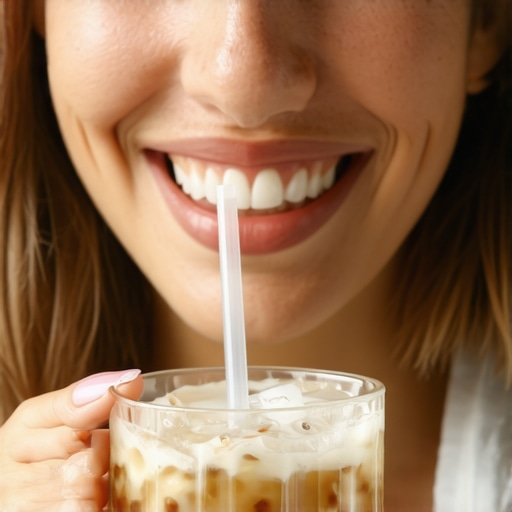
I remember sitting in my favorite corner booth at the local coffee shop, staring at a steaming cup of dark roast like it was a cup of liquid ink. I had just finished the process to transform your smile with veneers, and honestly, I was terrified. One sip felt like a betrayal of my investment. I’d spent years wanting that perfect, bright look, but the thought of living without my morning ritual felt like a different kind of punishment. I almost asked for a glass of lukewarm water instead, but I knew I couldn’t live that way forever.
Stop Living in Fear of Your Morning Cup
The good news is that you don’t have to choose between your caffeine fix and your cosmetic dentistry. Porcelain is remarkably resilient, but it isn’t invincible. I learned this the hard way. Early on, I was so paranoid about staining that I started using a heavy-duty whitening paste every single day. Big mistake. I eventually noticed that the reason your porcelain veneers feel gritty to your tongue is often due to abrasive cleaners scratching the surface. Once you lose that factory-fresh glaze, you’re actually inviting the very stains you’re trying to avoid. According to the American Academy of Cosmetic Dentistry, while porcelain is more stain-resistant than natural tooth enamel, the luting or bonding agent at the edges can still pick up pigments. This is why you sometimes see people with bright teeth but dark borders. We are going to fix that today. I’m going to show you the tactical sip-and-rinse method and why you need to throw away your extra-whitening toothpaste immediately. You see, the real secret isn’t just about what you drink, but how you manage the environment in your mouth during that hour-long coffee session. If you’re a sipper like I am, you’re basically bathing your teeth in acid and pigment for sixty minutes straight. That’s a lot to ask of even the best dental work.
Can You Really Outsmart a Coffee Stain?
You might be thinking, it’s just coffee, how much damage can it really do if I’m brushing? That’s the exact skepticism I had until I realized that coffee doesn’t just sit on the surface; it lingers in the biofilm. If you’ve ever wondered the truth about using charcoal toothpaste on porcelain surfaces, let me save you the trouble: it’s a recipe for disaster. It won’t whiten the porcelain, but it will dull the shine through micro-abrasion. Have you ever found yourself clutching a coffee cup with one hand and a toothbrush in the other, wondering if you’re doing more harm than good? It’s a common anxiety for those of us who love our lattes as much as our looks. Between you and me, the solution is much simpler than giving up your beans.
Keep a Glass of Water as Your Coffee Sidekick
The most effective way to prevent stains isn’t to stop drinking coffee, but to shorten the time those pigments sit on your teeth. I call it the ‘Water Chaser’ method. Think of your veneers like a high-end porcelain countertop; if you spill wine on it, you wipe it up immediately. You don’t let it sit for an hour. Every time you take a sip of that latte, follow it with a quick swish of plain water. This simple act neutralizes the acidic environment that coffee creates and physically washes away the tannins before they can settle into the microscopic edges of your dental work. I learned this trick when I started noticing why your teeth feel furry only a few hours after brushing—that ‘fur’ is actually a biofilm that traps stains. By rinsing, you’re breaking up that film before it hardens. 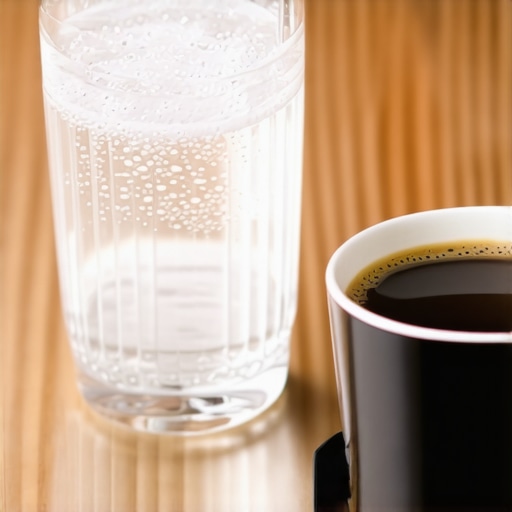
Stop Sandblasting Your Smile with Whitening Paste
It sounds counterintuitive, but those tubes of ‘Extra Whitening’ toothpaste are the worst enemy of your new smile. Most of them contain abrasive particles like silica that act like liquid sandpaper. While they might scrub a stain off natural enamel, they will eventually create micro-scratches on your veneers. Once that smooth surface is roughened, it becomes a magnet for coffee pigments. You need to stop brushing your veneers like they are real teeth and switch to a non-abrasive gel. I remember the panic I felt when my dentist told me I had effectively ‘buffed out’ the shine of my front two teeth by using a charcoal-based scrub. It was a costly mistake that required professional polishing to fix.
The Straw Strategy and Why it Matters
If you can’t give up the hour-long sipping habit, start using a reusable silicone or glass straw. By positioning the straw behind your front teeth, you’re bypassing the porcelain altogether. However, there is a learning curve. I’ll never forget the time I tried to use a metal straw for a piping hot Americano at a business meeting—I nearly jumped out of my seat when the hot metal hit my lip, and I ended up spilling coffee everywhere. Now, I stick to silicone. It’s also important to know how to clean a reusable straw to protect your enamel and prevent bacteria buildup that could lead to other issues.
Why Professional Maintenance Trumps Every DIY Hack
Even with the best home routine, the ‘luting agent’—the medical glue holding your veneers on—is slightly more porous than the porcelain itself. Over time, coffee can seep into these tiny seams. This is exactly the real reason your coffee stains keep coming back after a cleaning. A professional hygienist uses specific polishing pastes designed for cosmetic work that you simply can’t buy at a drugstore. These tools smooth out those microscopic junctions, making it harder for the next cup of Joe to find a place to stick. If you’ve ever felt like your smile was looking a little ‘tired’ or gray, it’s likely just surface buildup that needs a professional reset.
While the tactical sip-and-rinse method helps on a daily basis, I’ve noticed a major misconception that even my most dental-savvy friends fall for: the idea that teeth whitening is a linear process where more gel equals more white. In reality, there is a biological ‘ceiling’ to how bright your natural teeth can get. Everyone says you should just keep bleaching until you hit that Hollywood glow, but in my experience, over-whitening is exactly why your teeth look gray instead of yellow and how to fix it. When you over-saturate the enamel with peroxide, it loses its translucency and starts to look like a dull, flat stone rather than a vibrant tooth. This is the nuance that many DIY enthusiasts miss.
Don’t Fall for the ‘Instant White’ Illusion
Here is the ‘oops’ factor that most people don’t realize until it’s too late: the immediate brightness you see right after a professional treatment or a home strip session is often just dehydration. When the tooth loses moisture, it looks chalky and white. A day later, as the tooth rehydrates, the color ‘rebounds’ to a warmer shade. I’ve seen so many people panic and immediately reach for another round of chemicals, leading to how to manage the zingers after a professional whitening session because they’ve fried their nerve endings. According to a study published in the Journal of Evidence-Based Dental Practice, aggressive bleaching can alter the surface morphology of the enamel, making it more porous over time. This creates a cycle of dependency where you have to whiten more often just to stay even.
Can Your Tooth Enamel Actually Get ‘Addicted’ to Peroxide?
Technically, no, but your habits certainly can. The biggest trap is trying to whiten teeth that aren’t actually stained by food, but are instead showing their age. As we get older, enamel thins and the yellowish dentin underneath shows through. No amount of bleach will fix that; in fact, it often makes the teeth look more translucent and ‘ghostly.’ This is often when people need to consider veneers vs. crowns which is right for your smile to actually restore the structural opacity. If you are currently using drugstore products on top of existing cosmetic work, stop immediately. The mistake of using whitening strips on dental bonding is one of the most expensive errors you can make. The strips won’t change the color of the resin, but they will irritate the surrounding gum tissue and potentially weaken the bond at the margin.
Why Your Lighting is Lying to You
I once had a client who was convinced her veneers were failing because they looked ‘off’ every morning. It turns out, why your teeth look yellow in certain bathroom lighting usually has more to do with the Kelvin temperature of your lightbulbs than your dental hygiene. High-quality porcelain is designed to mimic the way natural teeth reflect light, but it can’t overcome a room filled with warm, yellow LEDs. Before you rush back to the dentist for a redo, try checking your smile in natural sunlight. It’s these small, environmental nuances that separate a successful long-term transformation from a frustrating one. We often get so focused on the chemicals and the trays that we forget dentistry is as much about physics and light as it is about health. Have you ever fallen into this trap of over-whitening or judging your smile under the wrong lights? Let me know in the comments.
Once you’ve stopped over-whitening and fixed your lighting, the real work begins: the long-term maintenance. I used to think that once the veneers were on or the Invisalign treatment was finished, I could just coast. I was wrong. The longevity of your smile depends entirely on the tools you use daily. For me, the game-changer wasn’t a fancy toothpaste, but a high-quality water flosser. I found that traditional string floss often felt like it was snagging, and I was constantly worried why your veneers feel like they are catching on your tongue. Switching to a water flosser allowed me to clean the margins of the porcelain without the mechanical friction that can irritate the gums or loosen the bond over a decade of use.
The One Tool That Saved My Gum Health
I specifically recommend using a water flosser with a ‘restorative’ tip if your brand offers one. These have softer bristles that are designed to navigate around veneers, crowns, and implants without scratching. A clinical study published in the Journal of Prosthodontics found that ceramic restorations demonstrate a 95% success rate over ten years, but only when occlusal forces and biofilm are managed correctly. In plain English: if you don’t keep the edges clean and you grind your teeth, you’re throwing money away. This is why I also transitioned my entire family to a unified approach through family dentistry building healthy smiles for every generation. Having one provider who knows our collective dental history makes spotting long-term wear patterns much easier. 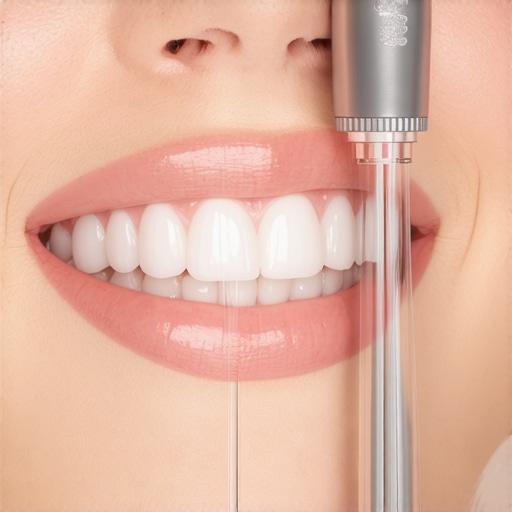
How do I maintain these results for the next decade?
The answer is boring but essential: a custom-fitted night guard. If you’ve invested in cosmetic work, you must protect it from ‘bruxing’ or grinding. I’ve seen too many people crack a veneer in their sleep because they didn’t want to wear a ‘bulky’ guard. Modern guards are incredibly thin and clear. However, you have to keep them pristine. I learned quickly how to clean the stubborn gunk out of your night guard using non-alcoholic cleaners to ensure I wasn’t introducing bacteria back into my mouth every night. If you grind, you need to learn how to keep your veneers from chipping if you grind your teeth before the damage becomes irreversible.
Why 3D Scans are Replacing the Gooey Trays
Looking ahead, the future of maintaining these results is digital. We are moving toward a world where ‘re-doing’ a veneer or a crown won’t involve those gross, gag-inducing impression trays. I’m seeing more offices adopt 3D intraoral scanners that create a digital twin of your mouth in seconds. This is the real reason Culpeper dentists are swapping traditional X-rays for 3D scans: the precision is unmatched. In the next five years, I predict we will see AI-driven apps that allow you to scan your own teeth at home to check for margin leaks or early staining before they are visible to the naked eye. For now, my best advice is to stop using manual tools and invest in a high-end electric brush with a pressure sensor. It’s the simplest way to ensure you aren’t scrubbing away your investment. I challenge you to swap your manual floss for a water flosser for just one week—you’ll be shocked at what the ‘traditional’ method was leaving behind.
The Hard-Earned Lessons That Changed My Routine
Looking back on my journey, I’ve realized that the small, daily choices matter more than the big, expensive ones. First, don’t ignore the ‘gut check’—if a whitening product feels like it’s burning, it probably is. I learned the hard way that trying to rush the process is often why your professional whitening didnt work as well as last time. Second, perfection is a moving target. If you focus too much on a stark white shade, you might end up needing to know how to stop your veneers from looking too white and fake. Third, your dental health is a team sport. Whether you are looking at invisalign secrets achieving a perfect smile discreetly or getting your first set of porcelain, having a consistent relationship with your provider is key.
The Non-Negotiables in My Dental Cabinet
If you’re serious about protecting your investment, you need a toolkit that prioritizes gentleness over grit. I swear by a high-quality water flosser—it is far more effective at clearing the margins of your restorations than traditional string. I also recommend checking out the latest insights on ensuring family dental care what parents need to know in 2025 to see how preventative tech is evolving. For those just starting their cosmetic journey, the ultimate guide to teeth whitening options in 2025 is a fantastic resource to avoid the trial-and-error mistakes I made. Lastly, keep a silicone straw in your car; it sounds silly until you see your six-month cleaning bill decrease significantly.
Your Path to a Confident Future
A beautiful smile isn’t just a physical asset; it is a boost to your overall well-being. Don’t let the fear of maintenance or the complexity of choices keep you from the transformation you deserve. Whether you are exploring family dentistry building healthy smiles for every generation for your kids or finally deciding to transform your smile with veneers for yourself, the technology and expertise available today make it easier than ever to achieve lasting results. If you have any questions about where to start, feel free to contact us to schedule a consultation. Have you ever felt overwhelmed by all the different whitening and veneer options available today? Let me know your thoughts in the comments!