
The best way to clean your night guard so it doesn’t smell
I’ll never forget the morning I realized my night guard had become a literal biohazard. I reached into my mouth, pulled out that expensive piece of custom-molded plastic, and the smell hit me—a sour, swampy stench that lingered on my fingers no matter how much soap I used. I felt like I was failing at basic hygiene. I was diligently brushing my teeth, yet I was shoving a bacteria-laden petri dish into my mouth every single night. It was embarrassing, honestly. If you’ve ever hesitated to kiss your partner goodnight because you knew that thing was about to go in, I’ve been there. Today, I’m going to show you exactly how to break that cycle of funk and reclaim a fresh mouth. We aren’t just talking about a quick rinse; we’re diving into the science of why these things get so gross and how to fix it for good. Have you ever noticed a weird film on your guard that just won’t budge?
You Don’t Have to Live With That Funky Morning Breath
The truth is, most of us treat our night guards as an afterthought. We spend thousands on teeth whitening options or protecting our veneers from chipping, but then we let our primary defense mechanism turn into an odor factory. When I first started wearing mine, I thought a quick splash of water was enough. I was wrong. The porous nature of the material means it’s a perfect hotel for anaerobic bacteria. According to the American Dental Association, bacteria can thrive in the nooks and crannies of oral appliances, leading to both bad breath and potential gum irritation. We are going to solve the why behind the smell and the how of the deep clean today.
Is it really possible to get the smell out of old plastic?
You might be thinking your night guard is a lost cause. Maybe it’s turned a lovely shade of yellow or has white crusty spots that won’t flake off. I used to think that once the smell moved in, it was there to stay. I even considered buying a new one every six months, which is a massive waste of money. But here’s the secret: it’s not the plastic that smells; it’s the biofilm. Once you learn how to clean the stubborn gunk out of your night guard, that old plastic smell disappears. It’s about chemistry, not just scrubbing.
The Mistake That Made My Mouth Feel Like a Science Experiment
Early on, I made the classic rookie error: I used my regular toothpaste and a hard-bristled brush to deep clean my guard. It seemed logical at the time. If it cleans my teeth, it should clean the guard, right? Big mistake. Toothpaste is abrasive. It creates microscopic scratches in the material—scratches that act like tiny canyons where even more bacteria can hide and thrive. It’s a similar issue people face when they notice their clear aligners have a persistent odor. By trying to clean it, I was actually making it easier for the smell to stick around. I was basically building a luxury apartment complex for germs. If you’ve been scrubbing away and the smell is getting worse, you’re likely doing the same thing. Have you tried the toothpaste method only to find it backfired?
Stop Scrubbing and Start Soaking
If you want to keep your night guard from smelling like a locker room, you have to stop treating it like a tooth. I learned this the hard way after I spent three months micro-scratching my expensive guard with ‘whitening’ paste. Those scratches became a breeding ground for the same microbes that cause the hidden reason your clear aligners have a persistent odor. Instead of mechanical force, you need chemical warfare. Every morning, the second that guard leaves your mouth, rinse it under lukewarm water. Not hot—boiling water can warp the plastic into a useless, expensive lump. A quick rinse removes the fresh saliva before it has a chance to dry into a hard, crusty biofilm that makes why your teeth feel furry only a few hours after brushing seem like a minor inconvenience. This immediate rinse is the most underrated step in your routine; it prevents the proteins in your spit from hardening into a ‘shell’ that traps bacteria against the plastic.
The Vinegar and Baking Soda One-Two Punch
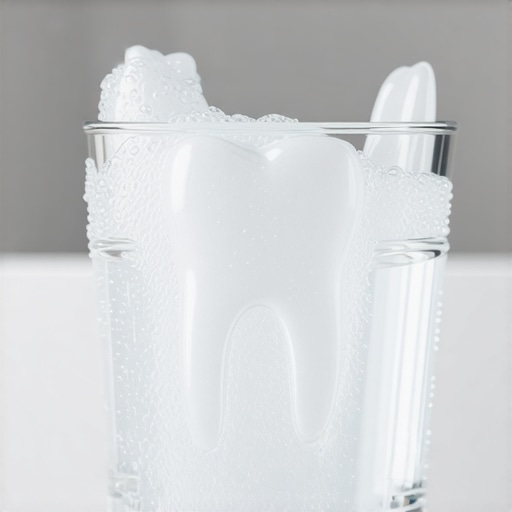
Once a week, you need a deeper intervention. I use a two-step bath that costs pennies and outperforms any expensive ‘specialty’ foam I’ve tried. First, soak the guard in pure white distilled vinegar for about 30 minutes. The acidity breaks down the calcium deposits (those white, chalky spots) that act as anchors for bacteria. After the vinegar bath, rinse it and soak it in a mixture of water and a tablespoon of baking soda for another 30 minutes. This neutralizes the lingering acid and kills off the anaerobic bacteria responsible for that swampy scent. This is much safer than experimenting with abrasives; just like the truth about using charcoal toothpaste on porcelain surfaces, rough cleaners do more harm than good to the smooth finish of your dental appliances. When I started doing this, the yellowing actually began to fade, and the plastic felt ‘slick’ again, rather than tacky.
Dry It Like Your Health Depends on It
Bacteria love a damp, dark environment. This is where most of us fail. I used to rinse my guard and immediately snap the case shut. Big mistake. I remember traveling for a wedding, shoving my damp guard into its plastic case, and leaving it in my suitcase for six hours. When I opened it at the hotel, the smell was so foul I nearly gagged—it reminded me of why your breath smells like mothballs and how to neutralize it. Since then, I’ve been a stickler for air-drying. Lay your guard on a clean, lint-free towel and let it bone-dry completely before you put it back in its case. If you must store it, ensure the case has ventilation holes. Finding the best way to store your clear aligners when you arent wearing them is just as crucial for night guards. Air circulation is the natural enemy of the bacteria that cause bad breath.
Keep Your Case Just as Clean as Your Guard
There is no point in cleaning your guard if you are putting it back into a filthy case. Think of the case like a dish you eat off of every day. Once a week, I scrub my case with a bit of dish soap and a dedicated soft brush. If you’ve ever wondered how to clean the stubborn gunk out of your night guard, start by looking at the container it lives in. A dirty case re-contaminates a clean guard instantly, making all your soaking efforts useless. I once used a UV sanitizer, thinking it was a shortcut, but it didn’t remove the physical debris—only the soak-and-scrub combo for the case truly kept the ‘morning mouth’ flavor at bay. It’s a simple step, but it’s the difference between a fresh morning and waking up with that sour taste that ruins your first cup of coffee.
Everyone thinks that once you invest in cosmetic dentistry, your teeth are invincible. In my experience, the ‘set it and forget it’ mindset is exactly how people end up back in the chair with avoidable repairs. Most patients want the brightest shade of white available, but I often advise against it. If you don’t learn
How to Stop Your Veneers From Looking Too White and Fake
, you end up with a smile that looks like plastic rather than a natural part of your face. Natural teeth have a specific translucency at the edges that is impossible to mimic if you go for ‘bleach white’ shades. It is a nuanced balance between aesthetic improvement and biological reality.
Why does my expensive dental work still stain?
Many people assume that porcelain or composite is immune to the world of red wine and coffee. However, a study published in the Journal of Dentistry confirmed that the surface roughness of dental materials can increase over time, especially when using ‘whitening’ toothpastes that contain high levels of silica. This increased roughness creates microscopic ‘hooks’ for stains. This is why the real reason your coffee stains keep coming back after a cleaning often boils down to your daily maintenance tools rather than the quality of the cleaning itself.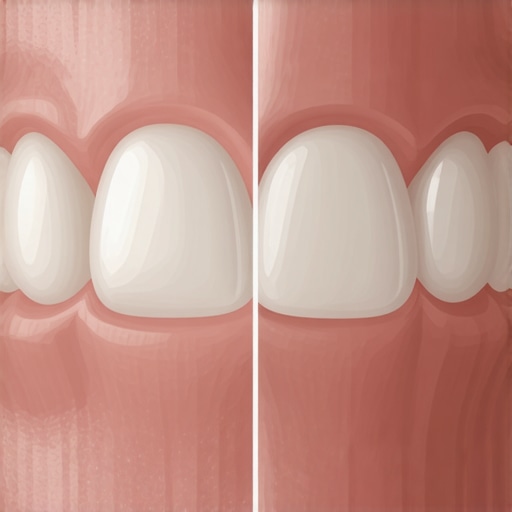
The Trap of Mixing Whitening Strips and Bonding
The biggest ‘oops’ factor I see in modern family dentistry is the DIY approach to a patchy smile. If you have dental bonding on a front tooth, it will not change color with traditional bleach. I’ve seen countless patients fall into the mistake of using whitening strips on dental bonding, only to end up with a ‘checkered’ smile where their natural teeth are bright white and their bonding stays dull and yellow. Before you reach for a box at the drugstore, you need to review the ultimate guide to teeth whitening options in 2025 to see what actually works for restorations. You also need to stop brushing your veneers like they are real teeth using abrasive pastes, as this preserves the glaze that prevents staining in the first place. Have you ever fallen into this trap? Let me know in the comments.
Upgrade Your Arsenal Beyond the Basic Brush
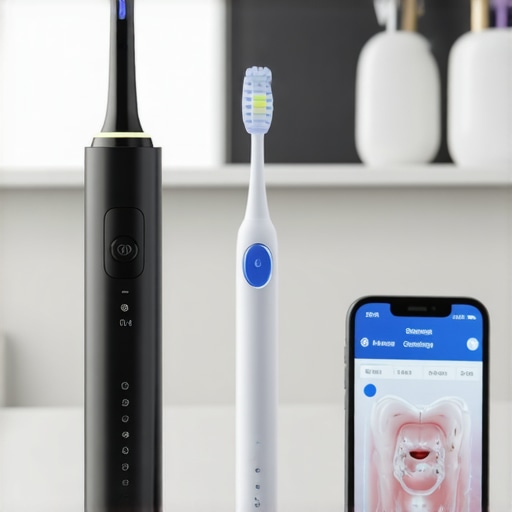
Once you’ve invested in your smile, the standard drug-store toothbrush just won’t cut it anymore. I personally swear by the combination of a high-end sonic toothbrush and a dedicated water flosser. Why? Because when you have restorations, you have to be incredibly careful about the ‘marginal integrity’—that tiny seam where your natural tooth meets your porcelain. A study published in the International Journal of Periodontics & Restorative Dentistry suggests that maintaining these margins is the number one factor in the longevity of veneers. I use a Waterpik on a medium setting because traditional string floss, if used aggressively, can actually catch on the edges of your work. If you are transforming your smile with veneers, this small gear shift prevents the micro-chipping that leads to early replacement. It’s about being a surgeon with your own hygiene routine.
How do I keep my new smile from fading over time?
Maintenance isn’t just about cleaning; it’s about monitoring. For those of us using Invisalign innovation and invisible braces, the biggest hurdle is tracking ‘tracking.’ I recommend using a high-resolution dental monitoring app if your provider offers it. This allows you to send weekly scans of your teeth to your dentist without leaving your house. It ensures that your teeth are moving exactly as planned, preventing the ‘rebound’ effect where teeth try to shift back to their old positions. Long-term success in family dentistry really comes down to these tiny, consistent data points rather than one big yearly appointment. If you don’t stay on top of the movement, you might find why your professional whitening didn’t work as well as last time is the least of your worries compared to a misaligned bite.
The AI Revolution is Coming to Your Bathroom Mirror
The future of dental maintenance is moving toward ‘predictive health.’ Within the next five years, I predict we will see smart mirrors equipped with UV sensors that can detect plaque and early-stage staining before they are visible to the naked eye. Imagine your mirror telling you exactly which tooth needs more attention before a cavity even forms. This is the ultimate goal of modern family dentistry: moving from reactive ‘drilling and filling’ to proactive preservation. Until then, you need to manage the side effects of your current treatments. If you’ve just finished a round of bleach, you need to know how to manage the zingers after a professional whitening session by using a potassium nitrate-rich paste for at least 48 hours. This blocks the tiny tubules in your dentin that get exposed during the whitening process, keeping you comfortable while you show off that glow.
Take Control of Your Oral Longevity
My challenge for you this week is to ditch the string floss for three days and try a water flosser on your dental work instead. Focus specifically on the gum line where your veneers or crowns meet the tissue. You’ll be shocked at what the ‘traditional’ method was leaving behind. Consistent, gentle care is the only way to ensure your investment lasts decades instead of years.
The Hardest Lesson I Learned While Saving My Smile from a Night Guard
After years of wearing a custom guard, I realized that oral health isn’t a destination—it’s a maintenance contract. My biggest lightbulb moment was realizing that a night guard is an extension of my teeth; if I wouldn’t let my teeth sit in a damp, dark box for twelve hours, why was I doing it to my guard? I also learned that color changes aren’t just aesthetic; if you see white marks, it’s often a sign of mineral buildup, much like why your childs front teeth have white spots on them. Lastly, I discovered that the best way to prevent that swampy scent is to treat the guard with the same respect as a surgical instrument. When you prioritize a comprehensive family dentistry approach, you start seeing these appliances as investments in your long-term comfort rather than just annoying pieces of plastic.
My Toolkit for a Fresh Morning Mouth
I’ve narrowed down my hygiene arsenal to four non-negotiables that actually work. First, a dedicated soft-bristled brush that never touches my actual teeth—this prevents cross-contamination. Second, a gallon of distilled white vinegar; it is the most effective and affordable descaler I have ever found. Third, I highly recommend a ventilated case that allows for 360-degree airflow, which is a tip I picked up while researching Invisalign secrets for maintaining clear aligners. Finally, if you have complex restorations, a water flosser is your best friend for cleaning the areas where your guard might exert pressure on your gums. Whether you have natural teeth or are deciding between veneers vs crowns, these tools will ensure your appliance doesn’t undermine your hard work.
Step Into a Morning Without the Funk
You don’t have to dread that first moment of the day when you remove your guard. By switching from mindless scrubbing to a consistent soak-and-dry routine, you protect your oral microbiome and your sanity. Taking care of these small details is the foundation of modern family dentistry, ensuring that every member of your household can wake up with a smile that feels as good as it looks. Don’t be afraid to start over with a better routine tonight; your mouth deserves a fresh start. Have you ever struggled with a night guard smell that just wouldn’t go away no matter what you did? Let me know in the comments below.