
How to tell if your dental implant is actually failing
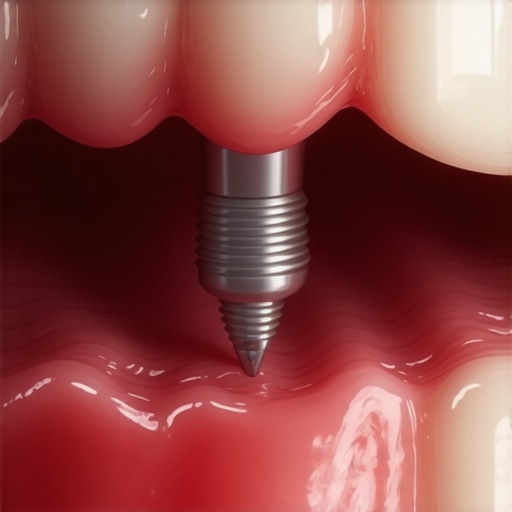
I will never forget the moment I realized something was seriously wrong with my smile. I was sitting at brunch, enjoying what I thought was a harmless slice of crusty sourdough, when a sudden, dull ache radiated through my jaw. It was not the sharp zinger you get from a cold drink. It was a deep, unsettling pressure right where my titanium post lived. I spent the next three hours frantically googling symptoms, convinced my expensive investment was about to fall out of my head. If you are currently poking at your gum line or wondering why things feel a bit off, I have been in your shoes. It is terrifying. I am here to help you figure out if you are just experiencing a minor hiccup or a genuine implant failure before things get worse.
Spotting Trouble Before It Becomes a Medical Emergency
When I first got my implant, I made the classic mistake of thinking that because it was not a real tooth, it was basically indestructible. I was wrong. I actually ignored a slightly loose sensation for weeks, telling myself the implant crown was just settling into place. It turns out, that settling was actually the beginning of a loose screw that could have led to a total loss of the hardware. Today, we are going to walk through the difference between healing pains and actual failure so you can stop stressing and start acting. I also learned the hard way that skipping a professional cleaning is a recipe for disaster, even with prosthetic teeth. Peri-implantitis is a silent thief, and it loves when you get complacent with your hygiene routine.
Is this tiny bit of discomfort actually worth a trip to the dentist?
It is easy to talk yourself out of an appointment. You might think it only hurts when you bite down hard or that the redness might go away on its own. But here is the reality: dental implants do not have nerves like natural teeth. If you are feeling a persistent throbbing sensation, your body is trying to tell you something is wrong with the surrounding bone or tissue. According to the American Academy of Periodontology, while dental implants have a high success rate, approximately 5 to 10 percent can fail due to factors like infection or improper osseointegration. Waiting until the post is visibly moving is usually too late. If you have noticed that your new implant feels heavier or just different than your other teeth, that is often normal during the first few months. However, if that feeling shifts into a constant ache, we need to take it seriously. Have you felt a weird clicking sound or seen a bit of gray through your gums lately? Tell me—I am curious how many of us are dealing with these same phantom pains.
The Manual Stability Check You Can Do at Home
To understand if your implant is failing, you have to get hands-on. Start by gently pressing your index finger against the side of the crown. Does it shift even a fraction of a millimeter? If the movement feels like a loose tooth, you are likely dealing with a loose screw or a crown that has lost its bond. However, if the entire structure—post and all—feels like it is floating, you might be looking at bone loss. When you do the press test, watch for ‘crepitus,’ a fancy word for a crunching feeling. This usually indicates that the bone is not just thin; it is actually breaking down under the pressure of the post. I recall a Tuesday afternoon when I felt a weird ‘give’ while brushing. I panicked, thinking I was experiencing how to tell if your dental implant is actually healing or failing. It turned out to be a simple loose abutment, but that manual check saved me from weeks of ‘what-ifs.’ If you ignore that tiny wiggle, you risk the post acting like a hammer against your jawbone, causing permanent damage.
Don’t Let Food Traps Ruin Your Investment
Implants are basically high-tech anchors, but they have a fatal flaw: they do not have the natural ‘seal’ that real teeth do. This creates a tiny pocket where bacteria throw a party. I learned this the hard way after a movie night left me with a throbbing jaw. I spent an hour figuring out how to stop your dental implant from trapping food against your cheek. I finally used a Waterpik and dislodged a single, stubborn popcorn hull. The relief was instant, but it taught me that the real cost of skipping your six month cleaning is not just a lecture from the hygienist—it is the risk of peri-implantitis eating away at your bone. You need to treat your implant like a piece of fine machinery. Use a high-quality water flosser and specific interproximal brushes to sweep that ‘trap door’ every single night. Check your gum color around the base daily. If it looks dusky purple or bright red instead of healthy pink, you have got an infection brewing. In my case, once the popcorn hull was out, the redness vanished within 24 hours. 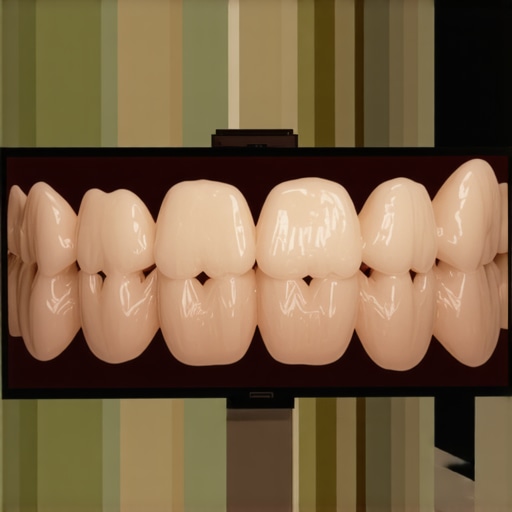
Why Your Dentist Needs a 3D Scan
If you still feel a persistent throbbing sensation despite a clean stability check, the issue is likely invisible to the naked eye. This is where modern technology replaces guesswork. Many clinics are shifting away from traditional film because the real reason culpeper dentists are swapping traditional x-rays for 3d scans is the ability to see the implant from every angle. A 2D x-ray is like looking at a photo of a house to see if the foundation is cracked—you just cannot see the depth. A 3D scan shows the bone density in high definition, allowing the doctor to spot early-stage bone recession before it becomes a failure. If you are part of a household that prioritizes health, finding a practice that offers family dentistry building healthy smiles for every generation ensures everyone has access to this level of diagnostic care. Don’t settle for ‘it looks fine’ when your gut tells you otherwise; demand the scan that actually shows the bone-to-metal bond.Once you move past the technical side of scans and surgery, the conversation usually shifts toward aesthetic perfection. But here is the nuance most people miss: cosmetic dentistry is a biological game, not just a hardware one. I see patients all the time who want to jump straight to a ‘perfect’ smile without considering how their current dental work will react. For instance, many dive into DIY whitening without realizing that the mistake of using whitening strips on dental bonding can leave you with a patchy, two-toned mess. Bleach does not penetrate composite resin, meaning your natural teeth will brighten while your existing work stays the same dull shade. It’s a frustrating ‘oops’ factor that can cost thousands to correct later.
The dangerous myth of ‘natural’ charcoal whitening
Everyone says charcoal is the holistic secret to a glowing smile, but in my experience, it’s a fast track to permanent damage. The truth about charcoal toothpaste and your tooth enamel is that it is far too abrasive for daily use. You are essentially sandpapering your teeth. A clinical study published by the American Dental Association (ADA) warns that charcoal can actually increase tooth sensitivity and even leave teeth looking yellower because it wears down the white enamel to reveal the yellowish dentin underneath. If you’ve already done the damage and are dealing with how to manage the zingers after a professional whitening session, you know that ‘natural’ doesn’t always mean ‘gentle.’ High-end aesthetic success requires understanding these chemical boundaries rather than following social media trends.
Why your porcelain veneers look dull after five years
Veneers are often marketed as a permanent solution, but they require a specific type of respect to maintain their luster. I’ve seen many patients wonder why your porcelain veneers look dull after five years of wear, only to find they’ve been using a gritty toothpaste that stripped the factory-applied glaze. To keep veneers made simple and long-lasting, you have to treat them differently than real teeth, avoiding abrasive cleaners and being mindful of bite pressure. This is even true for the youngest members of the family. Parents often panic when they see why your childs first adult tooth is jagged on the edge, thinking it’s a sign of poor calcium or failure. In reality, these are mamelons and they are perfectly normal. The real expert-level concern is often the reason your childs breath smells even after they brush, which can indicate hidden mouth-breathing issues that affect long-term jaw development.
Should you fix your alignment before committing to porcelain?
This is the advanced question every patient should ask their provider. Many people try to use veneers to ‘instantly’ straighten a smile, but if your bite isn’t aligned, the uneven pressure will eventually cause the porcelain to chip or de-bond. This is why Invisalign innovation and invisible braces are often a prerequisite, not just an alternative. If you try to skip the alignment phase, you’ll likely face the problem with wearing your aligners for only 18 hours a day—which is a lack of tracking that makes the final cosmetic result look bulky or unnatural. Even when considering family dentistry building healthy smiles for every generation, we must realize that structural foundations always come before aesthetics. Have you ever fallen into the trap of wanting a quick fix only to realize it made things more complicated? Let me know in the comments.I have spent more on my mouth than I did on my first car, so believe me when I say I am obsessed with the maintenance phase. Once the numbing wears off and the initial glow of a new smile settles, you enter the ‘defense’ stage of dentistry. For me, that meant building a toolkit that felt less like a chore and more like high-performance maintenance for a luxury vehicle. I stopped using manual brushes years ago because they simply cannot compete with the 62,000 brush movements per minute of a high-end sonic tool. I specifically recommend the Philips Sonicare series for anyone with restorative work because the fluid action pulses between the teeth, reaching those precarious gaps around an implant that traditional bristles miss. If you are still relying on a piece of string to clean your teeth, you are leaving your investment at risk. A meta-analysis published in the Journal of Clinical Periodontology confirmed that interdental brushes and water flossers are significantly more effective at removing plaque than traditional floss alone, especially for patients with complex dental architecture like implants or bridges.
The exact toolkit that keeps my gums in the green zone
Beyond the brush, my ‘holy grail’ is the cordless water flosser. It is the only way I have found to truly master how to stop your dental implant from trapping food against your cheek without irritating the delicate tissue. I also swear by pH-balanced mouth rinses. Most store-bought brands are surprisingly acidic, which can actually micro-etch the surface of your enamel or dental bonding over time. If you are navigating the world of clear aligners, you’ve likely noticed why your aligner trays are starting to turn yellow no matter how much you soak them. The secret I discovered isn’t more scrubbing; it is using ultrasonic cleaning pods. These small devices use high-frequency sound waves to blast biofilm off the plastic without scratching the surface, keeping your Invisalign secrets and achieving a perfect smile discreetly actually secret.
How do I maintain my dental implants and veneers over time?
Consistency is the boring but necessary answer. You have to think about ‘bite management.’ I learned the hard way that a stressful week at work led to nocturnal clenching, which put my porcelain at risk. This is why learning how to keep your veneers from chipping if you grind your teeth is vital; I never sleep without a custom-molded night guard. You also need to know the best way to clean your night guard so it doesnt smell, which involves a daily soak in specialized crystals rather than just brushing it with abrasive toothpaste. Looking forward, the trend in maintenance is shifting toward ‘tele-dentistry’ monitoring. In the next few years, I predict we will all be using AI-powered apps to scan our teeth weekly, allowing our doctors to catch a receding gum line or a micro-crack in a veneer before it requires a full replacement. This level of proactive care is the hallmark of modern family dentistry building healthy smiles for every generation. My challenge for you this week is to ditch the manual string and try a high-powered water flosser for seven days—your dental hygienist will notice the difference before you even say a word.
The Most Expensive Mistake I Nearly Made with My Smile
I used to think that once the dentist finished the procedure, my job was over. That was the most dangerous mindset I could have had. The biggest lesson I have learned is that your restoration—be it an implant or a set of veneers—is only as strong as the living tissue supporting it. I spent weeks worrying about the hardware when I should have been focusing on gum health and bone density. I eventually realized that you have to be your own advocate. If you feel like something is off, even if a standard X-ray says it is fine, trust your gut and ask for advanced diagnostics. I discovered that how to tell if your dental implant is successfully healing is more about the absence of symptoms than the presence of a ‘perfect’ look. Another ‘lightbulb moment’ for me was realizing that why your gums are receding despite brushing twice day often comes down to technique rather than effort. It is not about how hard you scrub, but how smart you clean.
Your High-Performance Maintenance Kit for Longevity
To protect my investment, I curated a toolkit that I treat with more respect than my skincare routine. I trust these tools because they have been clinically proven to reduce the bacterial load that causes peri-implantitis and veneer failure. First, I never skip a high-powered water flosser; it reaches the ‘food traps’ that string floss simply cannot touch. Second, I only use non-abrasive, pH-balanced pastes to avoid stripping the glaze off my dental work. I also realized that the real cost of skipping your six month cleaning is the loss of the early-warning system only a professional can provide. If you are looking to refresh your look safely, I highly recommend checking out teeth whitening secrets for a sparkling smile in 2025 to ensure you are not using products that will damage your existing bonding or crowns.
#IMAGE_PLACEHOLDER_E#
A Healthier Smile is Within Your Reach Starting Today
Taking care of a complex smile can feel overwhelming at first, but remember that you are not just maintaining teeth—you are preserving your confidence and your ability to enjoy life without pain. Whether you are navigating the nuances of implants or the aesthetics of veneers made simple, the goal is always a stable, functional foundation. This proactive approach is the core of modern family dentistry building healthy smiles for every generation. Do not be afraid to start over with a better routine or a new provider who uses the latest 3D technology. Your future self will thank you for the extra five minutes you spend on your smile tonight. Have you ever felt like your current dental routine was missing a specific tool or step? Let me know in the comments below!