
How to Handle a Dental Emergency While Traveling
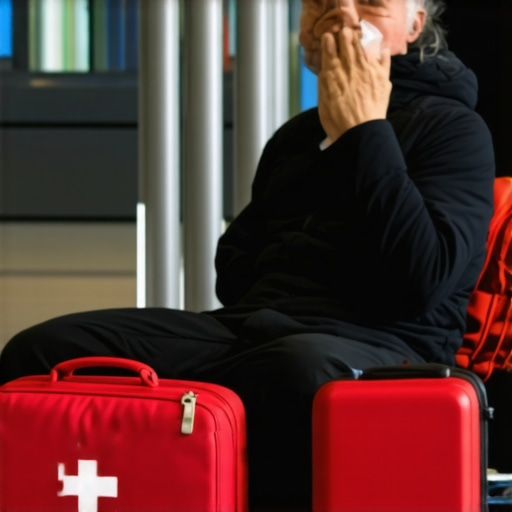
I was sitting at a tiny, rickety table in a cobblestone alleyway in Rome, nursing a glass of red wine and a piece of crusty bread, when the unthinkable happened. One bite, a sickening crack, and suddenly there was something hard and jagged floating around my mouth. It was a chunk of my molar. In that moment, the Colosseum didn’t matter. My flight home in six days didn’t matter. All that mattered was the throbbing pulse in my gum and the sheer terror of finding a dentist who spoke English in the middle of a national holiday. I’ve been there, sweating over a Google Translate screen, and I’m here to make sure you don’t have to feel that same level of desperation. Today, I’m going to give you the exact game plan for those moments when your smile decides to go on strike while you’re thousands of miles from home.
Stop the Panic and Assess the Damage
Before you start packing your bags to fly home early, take a breath. Most dental mishaps feel like catastrophes, but they are usually manageable with a bit of level-headedness. When my tooth shattered, I made the classic rookie mistake: I tried to ignore it and keep eating. Big error. I ended up forcing debris into the nerve, which turned a simple fix into a week of pain. If you’re dealing with something like why your temporary crown keeps falling off or a lost filling, your first job is to keep the area clean and avoid extreme temperatures. If you are traveling with invisalign and a tray snaps, or if you need to know how to fix the sharp edge on a broken tooth with dental wax, the goal is stabilization, not a permanent repair. I once spent a whole trip to Tokyo worrying about a loose wire, only to find out that a simple piece of sugarless gum could have saved me days of discomfort. According to the American Dental Association, dental emergencies account for a significant portion of unexpected medical visits during travel, and having a plan is the difference between a minor hiccup and a ruined trip. Even if you usually focus on cosmetic things like teeth whitening strategies, an emergency requires shifting back to the basics of family dentistry.
Can you really trust a dentist you found on a whim?
This is the big fear, right? You’re worried that a random clinic in a coastal town might not have the same standards as your usual spot. I felt the same way until I realized that dental pain is a universal language. Whether you’re dealing with a lost veneer or a full-blown abscess, local professionals are often better equipped for emergencies than you think. Have you ever had a dental emergency strike while you were supposed to be relaxing? It’s the worst kind of souvenir. We are going to walk through the essential kit you should be packing and the immediate steps to take so you can get back to your vacation. Trust me, knowing how to tell if your dental crown is loose or just sensitive before you start calling international operators will save your sanity and your wallet.
Build a Dental Survival Kit Before You Board
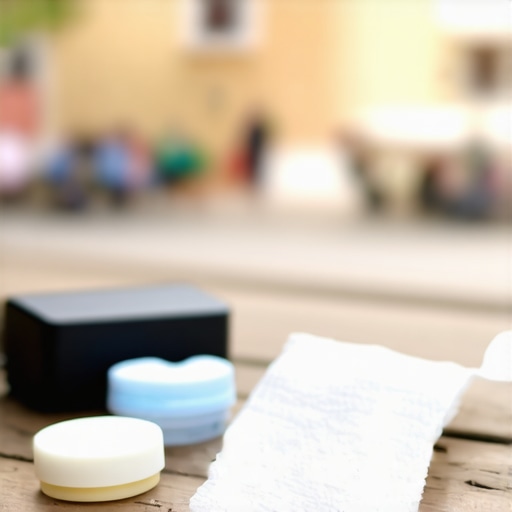
You wouldn’t hike the Andes without a first-aid kit, so don’t fly across the ocean without a ‘mouth-aid’ kit. I learned this the hard way in a hostel in Peru. After a minor trip that chipped my front tooth, I spent forty-eight hours with a jagged edge that sliced my tongue every time I spoke. If I’d had a small tin of orthodontic wax, I could have smoothed it over in seconds. Now, I always carry sterile gauze, a tiny bottle of clove oil for pain, and a packet of dental wax for broken edges. These aren’t just for kids with braces; they are the duct tape of the dental world. Think of family dentistry as your home base, but your travel kit is your field medic station.
Tell the Difference Between Sensitivity and a Crisis
Not every twinge requires an immediate trip to a foreign clinic. Sometimes, your teeth are just reacting to the local cuisine. If you’ve just had a professional treatment before your flight, you might be wondering how to tell if your tooth sensitivity is a cavity or just whitening side effects. A good rule of thumb is the ‘lingering’ test. If the pain vanishes the second the cold water is gone, it’s likely sensitivity. If it throbs like a drum for minutes afterward, you have a nerve issue. This is especially true for those with implants. If you notice why your dental implant feels hot or cold, it could be a sign of a loose healing cap or an issue with the surrounding gum tissue rather than the titanium post itself. Treat your dental work like a fine-tuned engine—if it starts making noise, check the oil (the gums) first before assuming the whole engine (the tooth) is blown.
Keep Your Invisalign Progress from Stalling
Traveling with clear aligners is a unique challenge. I once lost a tray in a Greek salad in Santorini. I was devastated, thinking my teeth would shift back instantly. The secret to invisalign innovation is consistency, but if you lose a tray, your ’emergency’ move is to drop back to your previous set to hold the position. Never leave home without the set you just finished. Also, be mindful of what you drink while exploring. If you aren’t careful, you’ll find out how to remove turmeric stains from clear aligners the hard way after one bowl of curry. If a tray snaps, don’t try to superglue it. Glue is toxic and won’t hold under the pressure of your bite. Instead, use a nail file to smooth any sharp plastic edges and contact your dentist to see if you can jump to the next tray early.
Handle Crown and Veneer Failures Without Panic
If a veneer pops off, it usually looks scarier than it is. It’s like a tile falling off a wall; the wall is still there, it’s just exposed. Avoid using your teeth as tools—this is why your veneers might pop off in the first place. If a crown comes loose, you can often find temporary dental cement at a local pharmacy. Clean the inside of the crown, apply a tiny dot of cement, and bite down gently. It’s a temporary fix that keeps the underlying tooth protected until you can get back to a professional who understands veneers vs. crowns and how to bond them permanently. My temporary fix in Rome held for four days because I avoided chewing on that side and stuck to soft foods like polenta and gelato—which, let’s be honest, is a pretty great vacation diet anyway.
We’ve covered the basics of surviving a dental disaster abroad, but establishing long-term health requires understanding the nuances of how these treatments actually work. A common mistake I see—and one I nearly made myself—is the obsession with a ‘paper-white’ smile. Many travelers try to blast their teeth with bleach before a big trip, only to find that their smile looks lifeless. This happens because [the real reason your teeth look gray instead of yellow](https://smilegumcare.com/the-real-reason-your-teeth-look-gray-instead-of-yellow) is often over-whitening. When you strip too much enamel, the darker dentin doesn’t just show through; the tooth loses its ability to reflect light naturally. According to a study in the Journal of Conservative Dentistry, over-bleaching can lead to ‘spectral shift,’ where teeth look more like blue-gray plastic than natural bone. Instead of overdoing it, focus on sustainable [brighten your life top teeth whitening strategies today](https://smilegumcare.com/brighten-your-life-top-teeth-whitening-strategies-today) that preserve your enamel’s integrity. The ‘Oops’ factor is even more prevalent when people forget that modern dental work doesn’t react to chemicals the way natural teeth do. If you have any resin work, [the mistake of using whitening strips on dental bonding](https://smilegumcare.com/the-mistake-of-using-whitening-strips-on-dental-bonding) can leave you with a two-toned smile that looks like a checkerboard. Bonding and [veneers made simple transform your tooth aesthetics in 2025 at 1822](https://smilegumcare.com/veneers-made-simple-transform-your-tooth-aesthetics-in-2025-at-1822) are essentially non-porous. While your natural teeth get whiter, the dental work stays the same color, making it stand out in a way you definitely didn’t intend.
Don’t let your travel schedule ruin your aligner progress
Many travelers assume they can ‘cheat’ a little with their treatment while on vacation. They think wearing their trays for most of the day is enough. However, [the problem with wearing your aligners for only 18 hours a day](https://smilegumcare.com/the-problem-with-wearing-your-aligners-for-only-18-hours-a-day) is that your teeth aren’t just moving; they are trying to stabilize in new bone. When you leave them out for too long, they begin to ‘drift,’ and forcing them back into the tray can cause trauma to the periodontal ligament. True [invisalign secrets achieving a perfect smile discreetly](https://smilegumcare.com/invisalign-secrets-achieving-a-perfect-smile-discreetly) rely on the constant, low-level pressure that only 22-hour wear provides. If you skip too many hours while wandering the Louvre, you aren’t just delaying your results; you might be damaging the roots themselves.
Why do your porcelain veneers look gray in certain lights?
This is an advanced concern that often catches patients by surprise. If you’ve invested in a new smile, you might notice [why your veneers look opaque and fake in flash photography](https://smilegumcare.com/why-your-veneers-look-opaque-and-fake-in-flash-photography) or gray in shadows. This is usually due to the ‘metamerism’ effect—where the light interacts with the ceramic differently than the natural tooth structure underneath. Expert [family dentistry building healthy smiles for every generation](https://smilegumcare.com/family-dentistry-building-healthy-smiles-for-every-generation) focuses on selecting the right translucency level to ensure the veneer mimics the natural light-scattering of a real tooth. If the porcelain is too thin or the bonding agent was the wrong shade, you’ll get that ‘graying’ effect at the edges. Have you ever fallen into this trap? Let me know in the comments. Understanding these nuances is the difference between a ‘good’ smile and one that actually lasts a lifetime.Beyond just the immediate look, we have to talk about the ‘engine room’ of your smile. I’ve spent a small fortune on my teeth over the years, and I’m not about to let a cheap toothbrush or a bad habit ruin it. I specifically use a brush with a built-in pressure sensor because I’ve noticed exactly why your gums bleed only when you use an electric toothbrush—it’s usually because we treat our teeth like we’re scrubbing a bathroom floor rather than a living, sensitive organ. For my nighttime gear, I’m religious about ultrasonic cleaners. If you’re still scrubbing your trays with a manual brush, you’re just creating microscopic scratches where bacteria hide. I’ve found that the only way to stop your clear aligners from smelling like old saliva is a five-minute dip in a dedicated ultrasonic pod with a pH-neutral tablet. This keeps the material crystal clear and prevents that cloudy look that ruins the whole ‘invisible’ part of invisalign innovation.
The Gear That Keeps My Smile Looking Expensive
Looking ahead, the next big shift is the ‘Scan-and-Go’ era. We are already seeing the rise of AI-driven dental monitoring where you clip a specialized device to your smartphone, take a video of your teeth, and your dentist reviews the scan remotely from their office. This is going to completely revolutionize family dentistry, making it easier for busy parents to track their kids’ progress without a monthly office visit. It scales the care without losing the professional touch. #IMAGE_PLACE_HOLDER_D#
How do I keep my dental work from failing after five years?
The biggest threat isn’t a freak accident or a hard piece of candy; it’s the daily micro-habits that wear you down. For example, I’m a three-cup-a-day coffee drinker, and I had to learn how to keep your coffee habit without ruining your new veneers by switching to a straw and rinsing immediately with water. It sounds high-maintenance, but it’s the difference between a 20-year lifespan for your porcelain and a 5-year replacement cycle. According to a study published in the International Journal of Dental Hygiene, the ‘re-staining rate’ of restorative materials like composite and porcelain is nearly 40% higher in patients who do not utilize post-ingestion rinsing protocols. This is why staying ahead of the curve with top teeth whitening strategies today is as much about prevention as it is about treatment. If you want to scale your oral health, start with the tools. Grab an ultrasonic cleaner for your aligners or night guards tonight. It’s the single most effective ‘secret’ I’ve found to keeping my dental work looking like it was installed yesterday.
The Hardest Lesson I Learned While Bleeding in a Foreign Country
The most profound ‘lightbulb moment’ I had wasn’t about the dentistry itself, but about the physiology of fear. When a tooth breaks or a wire pokes, our brain goes into survival mode, which makes us prone to making poor decisions like trying to glue a crown back on with hardware store adhesive. Never do this. I learned that your mouth is a dynamic ecosystem; even a slight shift in how your bite feels can indicate a deeper issue, such as the truth about why one tooth looks longer than the others suddenly. Stabilization is the name of the game. If you can stop the pain and protect the area from bacteria, you’ve already won 90% of the battle. Also, remember that professional family dentistry exists everywhere; you aren’t looking for a lifelong partner, just a ‘field medic’ to get you through the flight home. Lastly, if you see a shadow that looks like a crack, don’t panic until you check if it is just a stain, because understanding the reason your veneers look gray in certain lighting can save you from an unnecessary emergency visit.
My Non-Negotiable Mouth-Aid Gear
I never leave the country without my ‘Smile Safety Net’ tucked into my carry-on. Here are the four things that have saved my sanity across three continents:
- Orthodontic Wax and Clove Oil: The wax handles the sharp edges of broken veneers or braces, while clove oil is a natural antiseptic and numbing agent that works faster than most over-the-counter pills.
- Portable Ultrasonic Pod: Essential for anyone with aligners or retainers. It is the best way to clean your night guard so it doesnt smell, ensuring you actually wear it instead of leaving it in the hotel drawer.
- Temporary Dental Cement: Available at most pharmacies, this is the only way to safely re-seat a crown until you get home.
- Digital Dental Records: Keep a photo of your recent X-rays or invisalign innovation plan on your phone. If a local dentist needs to intervene, having your baseline data is invaluable.
Take Your Smile Global with Confidence
Travel is about expansion, not restriction. Don’t let the fear of a dental mishap keep you from trying that street food in Bangkok or the espresso in Milan. By being proactive and keeping your family dentistry records updated before you leave, you create a safety net that allows you to be truly present in your journey. Whether you are maintaining your teeth whitening secrets for a sparkling smile in 2025 or navigating the complexities of clear aligners, your smile is your greatest asset. Treat it with respect, pack your kit, and go explore the world with a grin. Have you ever had a dental emergency strike while you were far from home? Let me know your survival story in the comments below!