
How to Tell if That White Spot on Your Tooth is a Cavity
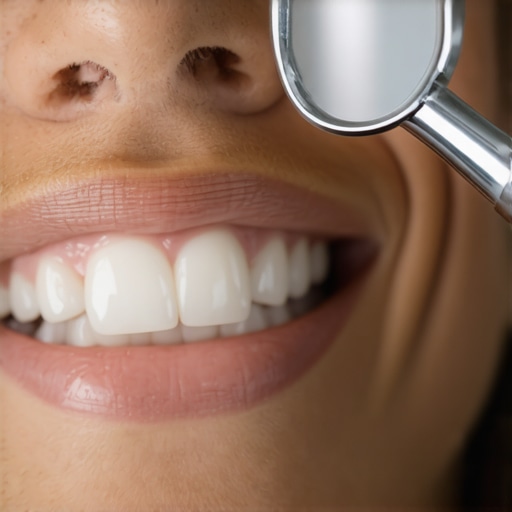
I was standing in my bathroom, leaning so close to the mirror I was practically fogging it up, when I saw it. A tiny, chalky white blotch right on the surface of my lateral incisor. My heart sank. I’d just spent weeks researching teeth whitening secrets, hoping for a Hollywood glow, but this looked more like I’d accidentally painted a speck of correction fluid on my tooth. I panicked. Was it a cavity? Was my enamel melting away? I’ve been there, and I know that ‘oh no’ feeling that hits your stomach when your smile looks back at you with a new, mysterious flaw. For a long time, I just assumed any change in color was a disaster waiting to happen. But after a few frantic calls to my dentist and a lot of trial and error, I realized that these little white markers are actually your teeth trying to talk to you before things get painful.
Stop Panicking Over That Chalky Mark
We often assume that cavities are always black or brown holes, but the truth is much sneakier. I made the classic rookie mistake of thinking I could just ‘brush away’ the spot. I spent three days scrubbing like I was cleaning a grout line, only to realize I was probably doing more harm than good by irritating my gums and wearing down my enamel further. If you’ve noticed something similar, especially if you’ve recently finished orthodontic work and are wondering how to remove the white spots that appear on your teeth after braces, you aren’t alone. These spots are incredibly common, but they do require a bit of detective work to handle correctly. Today, I want to walk you through the real-deal signs so you can stop guessing. We’re going to talk about demineralization—which sounds scary but is really just your tooth’s way of saying it’s hungry for minerals—and how to tell if you’re looking at a temporary stain, a result of fluorosis, or a genuine early-stage cavity. We’ll even touch on why kids’ first adult molars sometimes show up with these marks from day one.
Is this white spot actually going to turn into a hole?
This is the big fear, isn’t it? You’re worried that today’s white spot is tomorrow’s root canal. It’s a valid concern because, according to the American Dental Association, these ‘white spot lesions’ are the earliest visible sign of a developing cavity. They happen when acid from plaque starts dissolving your enamel, creating a porous area that reflects light differently than the healthy tooth around it. Essentially, your enamel is losing its armor. But here’s the silver lining: if you catch it while it’s still white and hasn’t broken the surface yet, you might be able to reverse the process. It’s all about remineralization. I remember feeling so relieved when my dentist told me I didn’t need a drill; I just needed a better routine. Sometimes it’s hard to distinguish the cause, especially when you’re also trying to figure out if your tooth sensitivity is a cavity or just whitening side effects. Have you noticed a new spot lately that seems to have appeared out of nowhere? It’s easy to get overwhelmed by all the options, from simple fluoride treatments to full-blown veneers if the spots are stubborn. Let’s break down the textures, the locations, and the ‘tug test’ that can help you sleep better tonight and keep your smile healthy for years to come.
Run This Three-Step Home Check
To figure out what you’re dealing with, you need to be a bit of a dental detective. Start by drying the tooth with a clean tissue. If the spot disappears when the tooth is wet but shows up the second it dries, it’s likely early demineralization. I remember the time I tried to use over-the-counter strips to fix a similar mark, but the mistake of using whitening strips on dental bonding or weak enamel is that it often highlights the unevenness rather than hiding it. In my case, the spot turned a neon white while the rest of my tooth barely changed. Next, feel the surface with your tongue or a clean fingernail. Is it smooth and glassy, or does it feel slightly tacky or rough like a chalkboard? Roughness is a red flag that the enamel structure is actively breaking down. Finally, look at the color in different lights. If it’s a bright, snowy white, it’s usually demineralization. If it’s more of a dark cloud, you should learn how to tell if that shadow on your tooth is a cavity or a stain because the treatment approach is completely different.
Give Your Enamel a Mineral Bath
Once you’ve confirmed it’s a “white spot lesion” and not a full-blown hole, your goal is to push minerals back into those tiny pores. This isn’t about regular brushing; it’s about targeted therapy. I started using a high-concentration fluoride paste at night—not rinsing it off, just letting it sit. You can also look into products containing Amorphous Calcium Phosphate (ACP). Think of it like filling in the potholes on a road before the whole street collapses. If you have naturally thin enamel, you have to be even more careful with products, so check out the best way to whiten your teeth if you have naturally thin enamel to avoid stripping away what little protection you have left. 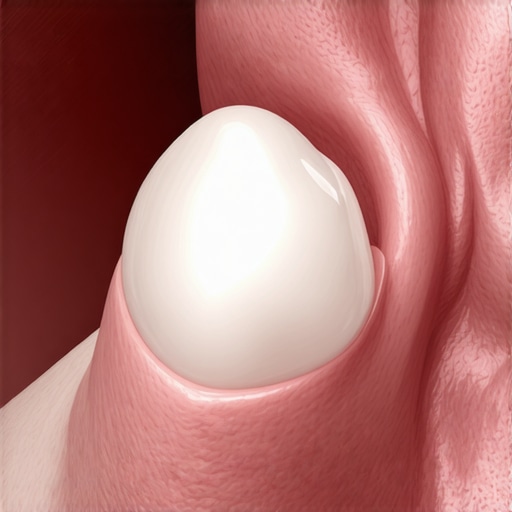
Professional Fixes for Stubborn Marks
If home care doesn’t nudge the spot after a month of consistent remineralization, it’s time for the pros. Dentists have tools we just don’t have at home, like resin infiltration (often called Icon treatment). This is a fascinating process where they “soak” the white spot in a clear liquid resin that fills the pores and makes the spot virtually disappear by matching the light-reflecting properties of your healthy enamel. It’s way less invasive than a drill and works wonders for spots left over from orthodontics. For those with kids, this is a staple of family dentistry building healthy smiles for every generation because it saves the natural tooth structure early. If the spots are very deep or widespread, you might even consider how veneers made simple can provide a fresh, uniform start for your smile. Just be prepared for potential sensitivity after any deep surface treatment; it’s helpful to know how to manage the zingers after a professional whitening session or a deep cleaning if your teeth are prone to reacting to temperature or air.
Whitening isn’t a cure-all for every stain
Most people believe that if a tooth is discolored, the answer is always more peroxide. But here is the contrarian truth: aggressive whitening can actually make certain white spots and thin enamel look significantly worse by increasing the visual contrast between the healthy and demineralized areas. I once fell into the trap of thinking a higher percentage gel was better, only to find my teeth looking patchy and ‘fake.’ The Journal of Esthetic and Restorative Dentistry points out that true aesthetic success relies on mimicking natural translucency, something heavy-handed whitening often destroys by over-oxidizing the organic matrix of the tooth. If you aren’t careful, you might end up wondering why your new veneers feel bulky against your lips or why your natural teeth have lost their youthful glow. I’ve also seen people get frustrated when their aligner trays start to turn yellow no matter how much they soak them. The nuance here is often related to the porosity of the plastic and the timing of when you put them back in after eating. If you aren’t rinsing the saliva away immediately, you’re essentially marinating your teeth in acidic enzymes. This is the kind of advanced mistake that separates a successful treatment from one that leaves you with new cavities at the end of the journey.
What if my veneers look gray in certain photos?
This is a sophisticated concern that many patients overlook until after they have invested thousands. It usually happens because the underlying tooth was dark and the porcelain used was either too thin or too translucent, allowing the preparation shadow to peek through. It’s why you need to understand why your veneers look fake and how to avoid it before committing to the chair. The ‘oops’ factor often comes from choosing the brightest shade on the guide—the BL1 shades—without considering how light interacts with the material in different environments. 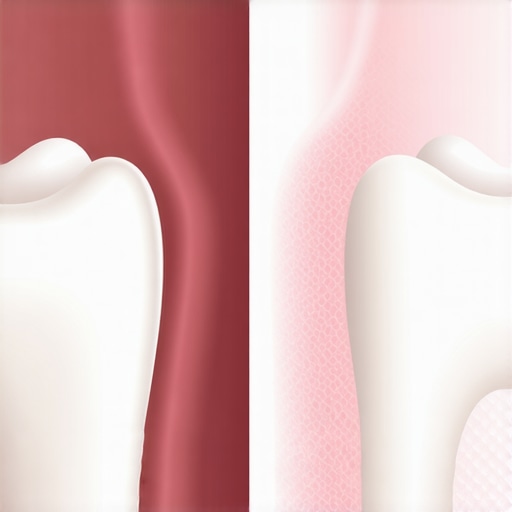
The hidden trap of DIY maintenance
We also tend to treat our orthodontic hardware like it’s indestructible. If you are currently in clear aligners, you might find why your clear aligners have started to look cloudy is actually due to microscopic scratches from using the wrong toothbrush or abrasive pastes. This doesn’t just look bad; it creates a surface area that traps plaque against your already vulnerable enamel. Even within the realm of family dentistry, there is a massive gap in how care is delivered. You might notice the subtle difference between a corporate clinic and local Culpeper family dentistry is found in the time spent diagnosing the root cause of demineralization rather than just treating the symptom. Have you ever fallen into the trap of over-whitening or ignoring a ‘shadow’ until it became a painful problem? Let me know in the comments below.I’ve seen way too many people treat their clear aligners or retainers like they’re scrubbing a greasy pan after a Sunday breakfast. If you are using a standard toothbrush and abrasive paste, you are literally carving micro-channels into the material that trap bacteria. I personally made the switch to a small ultrasonic cleaner—the same technology jewelers use—and it was a total game-changer for my routine. It is essentially the only way to stop your clear aligners from smelling like old saliva because the high-frequency vibrations dislodge biofilm from microscopic pores that a nylon bristle simply cannot reach. This same tool works wonders if you need the best way to clean a mouthguard that has become slimy and gross after a gym session. Keeping these tools medical-grade clean isn’t just about the smell; it is about preventing those very demineralization spots we talked about earlier.
Stop Using Your Teeth as Swiss Army Knives
Once you have invested in a high-end smile, your behavior has to shift from ‘indestructible’ to ‘curated.’ I learned the hard way that even the strongest porcelain has a breaking point. If you have a habit of tearing open plastic packaging or biting your nails, you are playing a dangerous game with your margins. You need to internalize how to keep your veneers from chipping if you grind your teeth, which usually involves a dedicated nocturnal bite guard. I’ve noticed that the reason your porcelain veneers feel gritty to your tongue often comes down to using the wrong polishing paste or simply neglecting the interface where the veneer meets the natural tooth. I recommend a water flosser on the medium setting—not the highest—to keep that gumline pristine without traumatizing the bonding agent. 
How do I maintain my dental investment over the next decade?
Longevity is the name of the game. According to a study published in the British Dental Journal, the survival rate of ceramic restorations drops significantly when the patient’s home-care pH balance is consistently acidic. This means your coffee habit needs a tactical upgrade. I didn’t give up my morning brew, but I did learn how to keep your coffee habit without ruining your new veneers by implementing the ‘rinse and wait’ rule. You rinse with water immediately after finishing your cup, but wait thirty minutes before brushing to allow your enamel to re-harden. For those managing a full household, this kind of discipline is a core part of ensuring family dental care stays on track. I predict that by 2026, we’ll see more AI-integrated toothbrushes that actually scan for these early demineralization spots in real-time, sending a report directly to your phone before you even feel a ‘zinger.’ For now, your best tool is a high-lumen magnifying mirror and a consistent routine. My top tip? Try switching to a nano-hydroxyapatite toothpaste for two weeks. Unlike fluoride, which creates a protective layer *over* the tooth, hydroxyapatite actually integrates *into* the enamel. Give it a shot and see if those white spots start to lose their chalky edge.
The Truth About Those Mystery Marks No One Mentions
Reflecting on my own journey, I wish I had known that those chalky patches were actually a gift in disguise—they were an early warning system rather than a permanent failure. One of the biggest lightbulb moments for me was realizing that not all white is ‘clean’ white. Sometimes, a bright white spot is actually a sign of weakness in the tooth structure, and my initial instinct to reach for the ultimate guide to teeth whitening options in 2025 was actually counterproductive until I healed the enamel first. I also learned that patience is a clinical requirement; remineralization doesn’t happen overnight, and trying to rush the process with harsh chemicals only makes the pores larger. If you are using clear aligners, you must be even more vigilant because invisalign innovation only works if the teeth inside the trays stay healthy and mineralized throughout the treatment.
My Daily Gear for a Spotless Smile
To keep my enamel in top shape, I’ve curated a small toolkit that I trust more than any generic drugstore find. First, I use a high-lumen 10x magnifying mirror; it sounds obsessive, but catching a ‘shadow’ or a texture change early saves thousands in dental bills. Second, I’ve swapped standard pastes for nano-hydroxyapatite formulas, which actually bond to the tooth. Third, I always keep a PH-balancing mouth rinse handy if I’ve had something acidic. For parents, I highly recommend following family dentistry tips for creating a healthy smile to ensure your children’s permanent teeth develop without these mineral deficiencies from the start. I trust these tools because they focus on the long-term biological health of the tooth rather than just a temporary cosmetic fix.
Your Smile Is a Living Work of Art
At the end of the day, your teeth are dynamic, living parts of your body that respond to how you treat them. Don’t be discouraged if you see a new mark or feel a bit of sensitivity. It is simply a signal to adjust your routine. By being proactive and ensuring family dental care is a priority, you can maintain a resilient, radiant smile that lasts a lifetime. Have you ever noticed a white spot that seemed to appear overnight, and did the ‘dry test’ help you figure out what it was? Let me know in the comments below.