
How to Fix a Loose Bracket When You Are Away from Home
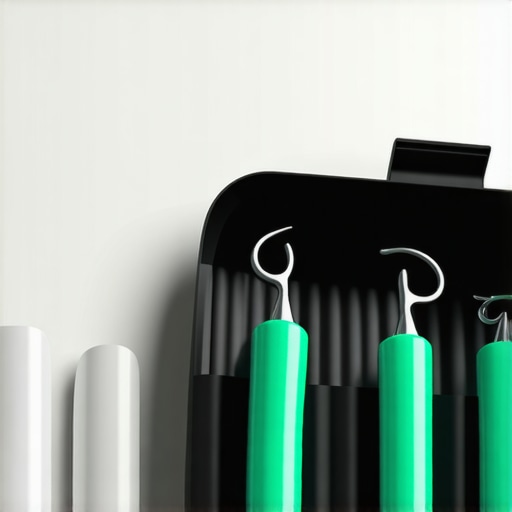
I was sitting in a cozy little bistro in Paris, about to enjoy a perfectly toasted baguette, when I heard it. A distinct, sickening clack against my molar. My heart plummeted. I did not even need to run my tongue over my teeth to know what had happened: one of my metal brackets was sliding freely along the archwire. There I was, thousands of miles from my orthodontist’s office, facing a dental emergency. It is a moment of pure panic that anyone with braces dreads, and in my panic, I almost made some terrible mistakes trying to fix it.
The Travel Nightmare Nobody Warns You About
When you are far from your regular clinic, a loose bracket feels like a ticking time bomb. It pokes, it slides, and it makes chewing a minefield. Many of us naturally worry that our teeth will immediately start shifting back to their old positions, ruining months of progress. But the immediate threat is actually much more practical: a sharp piece of metal tearing up your inner cheeks. In my early days with orthodontics, I made the classic mistake of panicking and trying to bend things back with whatever I had on hand. Let me tell you from experience, resorting to the danger of using safety pins to pick at your braces is an absolute recipe for disaster and can lead to nasty gum infections or bent wires.
Is an orthodonic mishap going to ruin your vacation?
It is easy to think that a single loose bracket will completely derail your treatment plan or require an expensive emergency flight home. Thankfully, that is rarely the case. The real goal of managing a loose bracket on the road is comfort and stabilization until you can get back to your doctor. According to the American Association of Orthodontists, a loose bracket is rarely a true medical emergency unless you are experiencing severe pain or swelling, meaning a little bit of temporary DIY management is perfectly safe. Today, I want to show you exactly how to handle this situation using items you can easily find in any local convenience store, ensuring you can get back to enjoying your trip without constant pain.
Have you ever had a dental emergency strike at the absolute worst possible moment while traveling? I would love to hear your survival stories in the comments below! Knowing how to handle a dental emergency while traveling can save your sanity, so let’s walk through the exact steps to secure that loose metal and protect your cheeks.
First Steps to Secure Your Loose Bracket Immediately
The moment you feel that bracket sliding, stop whatever you are doing and resist the urge to wiggle it with your tongue. Treat the loose bracket like a loose tile on a roof: if you leave it to rattle around, it is going to damage the structure around it. Your immediate goal is stabilization. Start by using a clean cotton swab or even a paper towel to thoroughly dry the area around the loose metal. Orthodontic wax will not stick to a wet surface, much like trying to apply tape to a wet window pane. Once the area is bone-dry, roll a pea-sized ball of dental wax between your fingers to warm it up, then press it firmly over the bracket and the wire.
I remember a chaotic afternoon in Rome when my bracket first came loose. I did not dry the tooth first, and the wax fell right into my espresso within two minutes. Once I dried the area completely with a napkin, the wax stayed put for an entire afternoon of sightseeing. If you run out of wax, you can actually learn how to fix the sharp edge on a broken tooth with dental wax and use those same molding principles to shield your cheeks from the sliding metal.
Gently reposition the sliding bracket
If the bracket has flipped upside down or is sliding wildly along the wire, you can use a clean pair of tweezers to gently slide it back into its original position between the little rubber bands. Do not apply force. If you push too hard, you risk bending the archwire, which can actually start pulling your teeth in the wrong direction. Think of the wire as a train track; you want the train car to sit gently on it, not bend the rails. Once it is centered, pack your dental wax tightly around it to lock it in place.
What to do if the wire is poking your cheek
Sometimes the bracket slides completely off, leaving a long, sharp wire poking into the back of your mouth. This is where the real pain starts, often leading to painful sores. If the wire is flexible, you can sometimes use the eraser end of a pencil to gently push and bend the sharp tip back toward your tooth, tucking it away from your sensitive cheek tissue. If you already have a sore forming from the friction, you might want to look into how to manage the pain of a mouth ulcer from your braces to keep the pain at bay while you travel. Do not attempt to clip the wire yourself with regular fingernail clippers unless it is absolutely necessary and you have someone to help you, as dropping a tiny piece of clipped metal down your throat is a serious hazard.
Adjust Your Diet to Protect Your Damaged Braces
While you are traveling with a compromised bracket, your menu choices need to change. Hard baguettes, sticky candies, and crunchy apples are completely off the table. Stick to soft foods like yogurts, pastas, and soups. Eating with a loose bracket is like driving a car with a loose bumper; you can still drive, but you want to avoid bumpy roads. This temporary shift in eating habits is very similar to the dietary caution you must practice when learning how to deal with the pressure of a new invisalign tray or protecting fresh cosmetic work. By keeping your diet soft, you prevent the wire from bending further and ensure the remaining brackets stay firmly glued to your teeth.
While securing a loose bracket on vacation keeps your cheeks from being shredded, there is a much deeper nuance to orthodontic and cosmetic maintenance that most people overlook. As someone who has spent years analyzing dental trends and talking to leading clinicians, I can tell you that the biggest mistake patients make is treating temporary fixes as permanent solutions. We live in an era of rapid dental transformation, but expecting a quick DIY hack to preserve your alignment permanently is a dangerous gamble. Whether you are navigating orthodontic emergencies or managing high-end cosmetic work, understanding the biomechanics of your mouth is what separates a successful treatment from a costly failure.
The Dangerous Myth of the Self-Healing Alignment
Everyone tells you to just wax down your broken brackets and carry on, but in my experience, leaving a bracket inactive for more than a couple of weeks actively stalls your progress. A common contrarian truth in modern dentistry is that a bracket isn’t just a guide; it is an active force transmitter. When one bracket is disconnected, the adjacent teeth continue to receive pressure while the loose tooth begins to drift back to its natural position. This creates a mechanical imbalance. If you ignore this for the rest of an extended trip, you are not just pausing your treatment; you are actively extending your overall treatment time by months because your orthodontist will have to undo the unwanted shifting before moving forward again.
This same misunderstanding of dental physics applies to clear aligners. Many people assume that skipping a few days of wearing their trays won’t do much harm. However, research published in the American Journal of Orthodontics and Dentofacial Orthopedics highlights that continuous, light forces are absolutely necessary for safe bone remodeling. If you try to force a tray back on after leaving it out too long, you risk damaging the root structure of your teeth. That is why understanding the problem with wearing your aligners for only 18 hours a day is so critical; consistency is the absolute foundation of structural tooth movement.
Why do your teeth feel like they are shifting so quickly?
Your teeth are held in place by a complex network of fibers called the periodontal ligament. This ligament has a sort of “memory.” When a bracket loses its grip, those fibers immediately try to pull the tooth back to its original, crooked position. It is the same elastic memory effect that makes your teeth vulnerable to relapse the moment your braces come off. In fact, if you don’t take proactive steps to stabilize your teeth immediately after treatment, they will shift. That is why it is vital to learn how to stop your teeth from shifting after your braces come off to protect your investment for the long haul.
The Cosmetic Trap of Over-Whitening and Cheap Veneers
The “Oops” factor extends far beyond braces into the realm of cosmetic dentistry. A massive trap that travelers and cosmetic patients fall into is trying to fix minor aesthetic flaws using aggressive DIY whitening kits or cheap mail-order veneers while abroad. I have seen travelers buy high-concentration peroxide gels at overseas pharmacies, only to suffer severe chemical burns on their gums because the trays were not custom-molded. If you ever find yourself in this agonizing situation, you must act quickly to soothe the tissue and prevent permanent recession; knowing how to treat a burn on your gums from whitening gel is essential knowledge for anyone experimenting with over-the-counter brighteners.
Furthermore, people often make the mistake of using these whitening products on existing dental work. In my experience, patients frequently forget that bonding material, crowns, and porcelain do not respond to bleaching agents. Attempting to whiten your teeth when you have anterior restorations will leave you with a highly mismatched, patchy smile. It is an incredibly common mistake, particularly the mistake of using whitening strips on dental bonding, which always results in the natural tooth structure changing shade while the composite resin remains exactly the same dull color.
Have you ever fallen into this trap of trying to quick-fix a dental issue on your own, only to make it worse? Let me know in the comments below! If you are considering a major cosmetic upgrade to avoid these whitening headaches altogether, make sure you understand your options by exploring veneers vs crowns which is right for your smile so you can make an educated choice before sitting in the clinical chair.
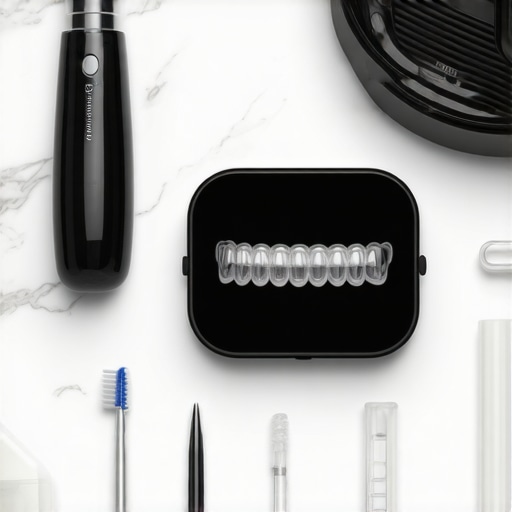
When you are investing thousands of dollars in high-end cosmetic work or orthodontic treatments, maintenance isn’t just a daily chore; it is an active preservation strategy. To keep your smile functioning perfectly, you need the right tools. I personally never travel without a dedicated clinical-grade care kit. In my bag, you will always find a sonic silicone toothbrush, which is far gentler on restorations than standard nylon bristles, along with a portable water flosser. Standard string floss can sometimes catch on the edges of cosmetic work, whereas a pressurized stream of water safely flushes debris from under wires and around delicate margins without risking a costly de-bonding event.
How do I maintain my cosmetic and orthodontic work over time?
Long-term maintenance comes down to preventing micro-abrasions and structural fatigue. For instance, if you have invested in porcelain restorations, you must avoid abrasive hygiene products. I highly recommend switching to a non-abrasive, neutral-pH gel toothpaste. Standard whitening toothpastes contain silica particles that act like liquid sandpaper, scratching the microscopic polish of your restorations and making them highly susceptible to future staining. If you are managing clear aligners instead, the maintenance focus shifts to preventing discoloration. You must avoid hot water soaks entirely. High heat warps the medical-grade polyurethane, instantly ruining the precise physical forces required to align your teeth. Instead, use specialized crystals or mild, unscented Castile soap to keep your trays crystal clear.
As orthodontic and cosmetic technologies continue to evolve, we are seeing a massive shift toward bio-interactive materials. According to clinical reports from the International Journal of Prosthodontics, the future of cosmetic dentistry lies in smart-ceramic materials that can actually mimic the natural wear patterns and light-reflective index of human enamel under different lighting conditions. This means we will soon see expert tips on veneers shifting toward self-healing composites that resist chipping even under intense grinding forces. Furthermore, digital smile design will allow clinicians to predict exactly how your facial muscles will interact with your restorations over a twenty-year period, removing all guesswork from the process.
For those managing clear aligners, the next step in this technological revolution is already here with smart tracking. The latest generation of invisible braces that change smiles discreetly utilizes built-in indicator dots that react to your saliva chemistry, telling your orthodontist exactly how many hours a day you have worn the aligners. This level of data-driven tracking ensures that you never move to the next tray too early, completely eliminating the guesswork and preventing root resorption. Whether you are maintaining complex alignment or high-end porcelain work, your daily habits and the tools you choose are the ultimate deciding factors in how long your beautiful results will last.
If you want to ensure your investment stays flawless, start today by auditing your bathroom counter: discard any abrasive charcoal toothpastes, switch to a soft-bristled silicone brush, and commit to using only neutral-pH hygiene products to protect your enamel and porcelain surfaces.
What the Brochures Hide About Maintaining Your Braces and Aligners
Through my years of discussing dental care with leading experts, I have realized that the real secret to keeping your smile on track isn’t just about what happens inside the clinical chair. It is about how you react when life gets messy. For instance, many people do not realize that a single broken bracket or a few skipped days of wear can initiate a cascade of minor dental shifts. Here are three crucial lessons that changed how I approach my orthodontic care:
- The 48-Hour Threshold: Your periodontal ligaments begin to contract back to their old positions within 48 hours of losing orthodontic tension. A loose bracket isn’t just a minor cosmetic annoyance; it is a ticking clock for your teeth’s alignment.
- Saliva is Your Best Friend and Worst Enemy: Your saliva contains enzymes designed to break down food, but it also creates a moist environment where bacteria thrive on damaged dental appliances. Keeping your mouth exceptionally clean during an emergency is the only way to prevent rapid enamel decay.
- The Fallacy of the Quick DIY Fix: Using household glues or physical tools to force brackets back into place will always lead to micro-fractures in your natural enamel. If you are ever tempted to resort to home fixes, remember that professional intervention is irreplaceable.
The Ultimate Emergency Gear for Traveling Orthodontic Patients
If you are planning your next trip, do not just pack your toothbrush and hope for the best. To protect your smile, you need to be prepared for the unexpected. Here are the specific, travel-safe tools that I personally carry in my hygiene kit to handle any sudden mishap on the road:
- Silicon-Coated Orthodontic Wax: Unlike standard wax, silicon-coated dental wax resists melting in warm climates and adheres much better to dry brackets.
- Interdental Micro-Brushes: These are crucial for sweeping away food debris from under a sliding bracket or a twisted archwire without applying direct force to the metal.
- Gingival Soothing Gel: A small tube of benzocaine-based gel can stop the pain of a mouth sore immediately, giving you the comfort you need to enjoy your vacation while you wait to see your doctor.
Keep Your Orthodontic Progress Moving Forward Without Interruption
An orthodontic emergency like a loose bracket or a lost aligner does not have to ruin your travel plans or set back months of progress. With the right tools and a calm, methodical approach, you can easily stabilize your teeth and keep your smile healthy until you get home. Prioritizing your daily hygiene and understanding how your appliances work will ensure you achieve your dream results safely. If you are looking to protect your family’s oral health beyond your own orthodontic journey, exploring family dentistry building healthy smiles for every generation can provide the comprehensive care your loved ones deserve.
Have you ever had to deal with a broken bracket or lost orthodontic appliance while far away from home? I would love to hear how you handled it in the comments below!