
How to fix the clicking sound in your jaw during orthodontic treatment
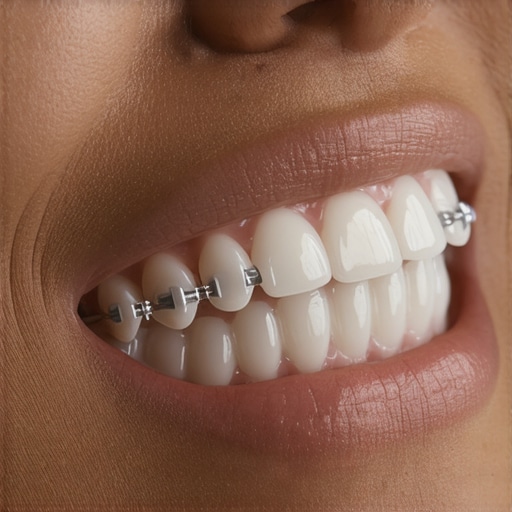
It was a morning like any other when I finally realized why my jaw was making that embarrassing clicking sound every time I chewed. I was mid-bite, trying to enjoy my breakfast, when I heard it—**that relentless click that seemed to echo in my head and embarrass me in front of my family**. At first, I thought it was just a temporary annoyance, but as days went by, it became clear something needed to change. If you’ve experienced this irritating jingle in your jaw during orthodontic treatment, you’re not alone, and honestly, it can really impact your confidence and comfort.
Dealing with Jaw Clicking During Orthodontics
Is Your Jaw Clicking Actually Worth the Worry?
Many people dismiss jaw clicking as a minor inconvenience, but let me tell you—ignoring it might only make things worse. I learned this the hard way early on when I was so focused on straightening my teeth with Invisalign that I overlooked a small, but nagging problem. Turns out, that clicking was a sign of something more serious—jaw misalignment or joint stress. And, according to the American Association of Oral and Maxillofacial Surgeons, temporomandibular joint (TMJ) disorders affect millions and can cause pain, clicking, and mobility issues if left unchecked. Not exactly something to shrug off.
What I want to share today is a simple, do-it-yourself approach backed by professional advice that helped me fix the problem. If you’re questioning whether this is a temporary phase or a sign of something larger, ask yourself—have I tried anything to alleviate this clicking? Sometimes, it’s just a matter of understanding what’s happening inside your mouth. We’ll explore that next.
But first, I want to acknowledge a mistake I made early in my journey: I assumed that all jaw discomfort or sounds were normal during orthodontic treatments like Invisalign or braces. This misconception delayed my getting the proper help I needed. Trust me, recognizing the difference between normal adjustment and problematic symtoms is crucial for your health and comfort. So, if this resonates with you, keep reading—I’ve been there, and I’ve found a way through it.
Identify the Root Cause of Your Jaw Clicking
The first step is to understand what’s causing the clicking. It could be temporomandibular joint (TMJ) issues, misalignment, or muscle tension. I noticed my jaw clicking intensified after a week of wearing my Invisalign trays, prompting me to analyze my habits—like clenching or sleep position—that might contribute. Recognizing the culprit helps tailor precise solutions. Consider consulting a professional if the clicking persists; they can assess with aTMJ specialist or dentist.
Practice Gentle Jaw Relaxation Techniques
Counteracting muscle tension is key. I started with simple exercises—like opening my mouth wide, holding for five seconds, then slowly closing—to relieve tightness. Applying warm compresses around the jaw also eased stiffness. These simple actions mimic stretching muscles after workouts, reducing stress on the joint. Regularly performing these exercises can make a noticeable difference in decreasing clicking sounds.
Adjust Your Daily Habits
Habits like teeth grinding or biting nails exacerbate TMJ issues. I kept a close eye on my nighttime clenching, using a soft nightguard to prevent excessive pressure. Also, avoiding hard or chewy foods during flare-ups lessened joint strain. When feeling stressed, consciously relaxing my jaw and tongue prevented involuntary clenching. Small changes in routine, like chewing on both sides evenly, can significantly reduce joint stress over time.
Optimize Your Orthodontic Treatment
If your treatment involves aligners like Invisalign, ensure they fit correctly—ill-fitting trays can cause uneven bite and joint strain. I noticed my clicking intensified when my aligners became loose; a quick check-in with my dentist corrected this. As detailed in Invisalign secrets, proper tray fit is vital. Never force or modify aligners yourself, as this can worsen joint issues.
Seek Professional Evaluation and Therapy
Persistent clicking warrants professional advice. I visited my dentist, who recommended specific jaw exercises and, if necessary, a referral to an oral surgeon or TMJ specialist. Treatments like physical therapy or orthodontic adjustments can provide lasting relief. In severe cases, dental splints or medications might be prescribed. Remember, addressing underlying issues early prevents long-term complications.
Maintain Good Oral Health and Posture
Good posture reduces undue strain on your jaw and neck muscles. I started practicing mindful sitting and sleeping positions—keeping my head aligned and avoiding forward head posture—much like aligning a camera lens for a clear shot. Additionally, maintaining regular dental check-ups can prevent or catch TMJ problems early. For comprehensive family care that supports overall dental health, visiting family dentistry ensures your entire family stays on top of oral health challenges.
 While many patients believe they fully understand cosmetic and family dental treatments, there are subtle pitfalls and misconceptions that can lead to poor outcomes or unexpected issues. As a dental professional, I’ve seen common myths reinforced by aggressive marketing or incomplete information, causing patients to make costly or irreversible mistakes. Let’s examine some of these overlooked nuances that can make or break your dental experience and results.
Is whitening always safe for sensitive teeth?
Many assume that teeth whitening is a harmless, one-size-fits-all solution. However, indiscriminate use of over-the-counter products can exacerbate existing sensitivity or cause enamel erosion if not properly evaluated. A study published in the
“Journal of Esthetic and Restorative Dentistry” highlights that professional whitening, tailored to individual enamel thickness and sensitivity levels, yields safer, longer-lasting results. Beware of the trap of DIY whitening kits marketed as quick fixes—they often overlook your unique dental health profile.
Unlocking the truth behind veneers vs. crowns
A widespread misconception is that veneers and crowns are interchangeable or that veneers are always the superior aesthetic choice. In reality, veneer placement involves minimal tooth reduction and is ideal for minor cosmetic changes, while crowns provide comprehensive coverage for structurally compromised teeth. The choice greatly depends on the tooth’s condition and long-term goals. For comprehensive guidance, check out my detailed comparison at Veneers versus crowns. Making the wrong choice can lead to unnecessary tooth wear or your need for more invasive procedures down the line.
How many overlook family dental health’s impact on overall wellness?
Many patients focus solely on cosmetic goals but neglect foundational oral health aspects. Regular family dentistry isn’t just about cleanings; it’s a critical component in preventing systemic health issues like heart disease or diabetes, as supported by recent research in the
“International Journal of Cardiology.” Overlooking routine checkups or delaying treatment can cause minor issues—like cavities or gum disease—to escalate, affecting your family’s health. I strongly encourage scheduling routine family visits to establish consistent prevention strategies.
Making educated decisions means recognizing that cosmetic treatments are not isolated from your overall dental health. Misjudging the longevity of veneers, misusing whitening products, or neglecting family dentistry can introduce preventable complications. Have you ever fallen into this trap? Let me know in the comments, and if you’re ready to reassess your approach, contact us for personalized, expert advice through our contact page.Maintaining your dental enhancements like Invisalign, teeth whitening, or veneers is crucial for sustaining your beautiful smile and avoiding costly repairs. I personally rely on specialized tools and a disciplined routine to keep my dental work in top shape. For example, I use a high-frequency ultrasonic scaler, like the Waterpik Sonic-Fusion, which combines water flossing with gentle ultrasonic vibrations to remove plaque and prevent decay around veneers and aligners. This device is gentle yet effective, allowing me to clean hard-to-reach areas without risking damage. Additionally, I incorporate professional-grade whitening gels, such as Opalescence PF, into my routine under my dentist’s supervision. These gels provide consistent, safe results and minimize sensitivity, especially important when you have veneers or sensitive teeth. When it comes to orthodontic retainers, I recommend using a dedicated retainer cleaner like Retainer Brite. Regular cleaning prevents bacteria buildup and prolongs the lifespan of your retainers, which is vital to maintaining alignment after Invisalign treatment. Looking ahead, I predict advancements in smart dental devices—like AI-powered toothbrushes that monitor brushing habits and provide real-time feedback—will become standard, making maintenance more personalized and effective. So, how do I maintain my smile over time? Consistent daily care combined with these specialized tools ensures long-term success, saving you from unnecessary trips to the dentist and preserving your investment. If you’re ready to elevate your maintenance routine, I encourage you to try integrating an ultrasonic scaler into your daily cleaning process—it’s a game changer. For more tailored advice, consider consulting your dental professional who can recommend the best tools for your specific needs. Remember, proactive maintenance today means fewer worries tomorrow. For in-depth guidance on maintaining your dental work, don’t hesitate to reach out through our contact page.
3 Surprising Truths I Learned About Invisalign and Veneers That No One Tells You
- Not all dental issues resolve on their own; sometimes, persistent clicking signals deeper problems that need professional attention, like TMJ disorders.
- At-home routines can make or break your treatment—simple habits like proper aligner cleaning or avoiding hard foods prevent setbacks and prolong the life of veneers.
- Understanding the uniqueness of your smile isn’t just about aesthetics; it directly impacts long-term health, confidence, and financial investment in your dental care.
- Early intervention and honest communication with your dentist are invaluable—they can guide you away from costly mistakes and set realistic expectations.
Tools and Resources That Elevated My Dental Experience
- Waterpik Sonic-Fusion: My trusted partner in daily oral hygiene, combining water flossing and ultrasonic cleaning to keep my veneers and Invisalign trays spotless and healthy.
- Opalescence PF whitening gels: Professionally prescribed home whitening that protects sensitive teeth while delivering consistent, impressive results.
- Veneers Made Simple by SmileGumCare: An insightful guide that demystified my veneer options and helped me choose the best aesthetic and durable solution tailored to my needs.
- International Journal of Cardiology’s recent studies: Providing a clear connection between routine oral health and overall wellness, encouraging me to prioritize family dental visits.