
How to get used to the feel of new veneers against your tongue
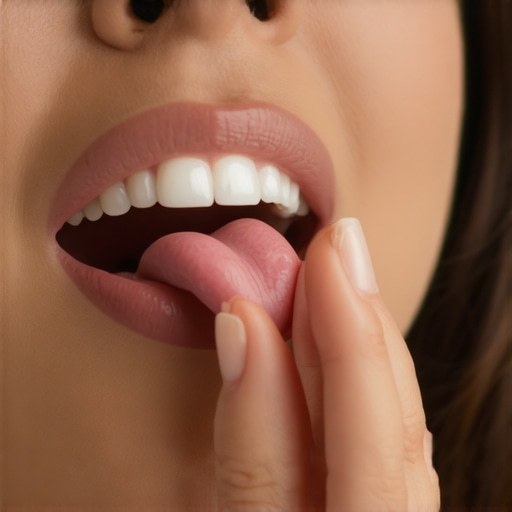
I remember the first time I got my new veneers. It was a strange, almost surreal experience—like biting into a perfectly good apple and feeling an unexpected, unfamiliar ridge against my tongue. That tiny sensation bugged me more than I expected, making me constantly aware of my mouth in a way I hadn’t anticipated. I’d lie awake at night, wondering if I’d ever get used to it, or if this was just part of the new smile experience I’d have to accept.
Why the Feel of Veneers Can Be So Disconcerting
When I first looked into getting veneers, I thought about the aesthetics—the color, shape, and overall look. But no one really prepared me for the strange, often uncomfortable feeling of new veneers against my tongue. It’s natural. Our mouths are sensitive, and shifting from natural teeth to a now-glossy, slightly textured surface can feel overwhelming, especially during the first few days. That sensation is caused by the veneer’s material, which may be smooth or slightly textured, different from your natural enamel. Plus, your tongue is used to certain contours, and when those change, it reacts instinctively.
This initial discomfort isn’t just in your head. According to recent dental studies, it can take anywhere from a few days to a couple of weeks for your brain and mouth to adapt to the new surface—similar to how you get used to new glasses or contact lenses. The key is patience and understanding that this feeling is temporary, not permanent.
Now, I want to share how I navigated this phase. After a lot of trial and error, I discovered that consciously paying attention to what my tongue was sensing and deliberately exploring the new feel helped me adapt faster. Also, simple habits like gentle tongue exercises and massaging my palate eased my mind and made the transition smoother. Think of it like breaking in a new pair of shoes—your mouth needs time to adjust to the new ‘fit.’
What We Will Cover Today
Today, I’ll guide you through practical tips that helped me and countless others get used to the feel of new veneers against our tongues. From daily habits to specific exercises, these straightforward steps will make the adjustment less daunting. If you’ve recently gotten veneers and find yourself constantly aware of that unfamiliar sensation, stay tuned. These tips could be just what you need to start feeling more comfortable—and confident—in your new smile.
Are You Wondering If This Discomfort Is Normal?
Trust me, I’ve been there. Early on, I made the mistake of worrying excessively about whether my discomfort was a sign of a problem, instead of realizing it’s a common part of the process. Learning what’s normal and what’s not is crucial. And if you’re curious about other aspects of smile transformations, I recommend checking out Veneers made simple for more insights.
Ready to dive into the steps that will make your transition smoother? Let’s get started!
Practice Gentle Tongue Exploration
When I felt that unfamiliar ridge against my tongue, I started consciously exploring it with light touches. This helped my brain interpret the new surface as familiar. To do this, gently run your tongue over your veneers a few times each hour, noticing the texture and contours. This micro-movement reduces the sensation of unfamiliarity. During practice, I made it a point to do this while relaxing, avoiding any pressure that could cause discomfort.
Incorporate Soft Massage Techniques
Massaging the palate and inner cheeks can promote nerve adaptation. I used my clean finger to softly massage the area around my new veneers, encouraging blood flow and nerve endings to adjust. This may feel strange at first, but it significantly accelerates the adjustment process. Remember to keep your hands sanitized. After a couple of days, I noticed my mouth feeling more natural, as if my tissues had started to accept the new surface.
Perform Targeted Tongue Exercises
Specific exercises can retrain your tongue, preventing it from constantly seeking natural tooth contours. I did simple movements like pressing my tongue against the roof of my mouth while holding a count of 10, then relaxing. Repeating this exercise three times daily helped me develop a new tactile awareness of my mouth’s interior. Over a week, this practice diminished the hyper-awareness that initially made the veneers feel foreign.
Practice Mindful Chewing and Swallowing
Introducing deliberate, gentle chewing motions helps your muscles and nerves adapt. Initially, I limited my chewing to soft foods, focusing on evenly distributing pressure on both sides of my mouth. Chewing slowly and mindfully reassures your brain that your new veneers are stable and comfortable. During that period, I avoided hard or sticky foods that could cause undue pressure or dislodging risk. This intentional approach also made me more aware of how the veneers respond to different foods, helping me learn their limits.
Use Dental-Friendly Oral Habits
Avoid habits that could irritate or displace your veneers, such as biting nails or chewing on pens. Instead, substitute with habits like gently massaging your cheeks or practicing relaxed breathing. Not only do these habits minimize stress on your veneers, but they also promote overall oral comfort. I found that maintaining a consistent oral routine, including gentle rinses with lukewarm water, supported tissue healing and nerve adaptation. This routine helped me feel more in control and less anxious about unfamiliar sensations.
Implement Consistent Oral Care to Reduce Sensitivity
Maintaining excellent oral hygiene is essential for comfort. I used a soft-bristled toothbrush and gentle toothpaste to clean my veneers twice daily. This prevented inflammation or irritation that can heighten sensitivity. Additionally, I avoided abrasive products and hot or cold beverages during the initial week, gradually reintroducing them as my mouth adjusted. Over time, consistent care reduced any lingering numbness or discomfort, making the veneers feel like a natural part of my mouth.
While many believe that cosmetic and preventive dental procedures are straightforward, there are nuanced misconceptions that can hinder your dental health journey. For instance, a common myth about veneers is that they are invincible—many assume they will never chip or stain, but in reality, they require proper care to maintain their brilliance and integrity. Dental experts emphasize that veneers are durable but can sustain damage if subjected to excessive force or biting hard objects, contradicting the misconception of their invincibility. Additionally, people often overlook the importance of choosing a skilled dentist; a poorly fitted veneer can cause discomfort, uneven bite, or even gum issues. This is why consulting with a specialist who understands the intricacies of veneer placement is crucial for long-term success.
In the realm of family dentistry, a widespread mistake is neglecting early dental visits for children. Some parents delay dental checkups, assuming that primary teeth are less important. However, early visits are vital for establishing proper habits and detecting issues like cavities or bite problems before they escalate. Recent studies suggest that early intervention can significantly influence lifelong oral health, underscoring the importance of preventive care from a young age.
When considering Invisalign, many assume it’s a quick fix or only suitable for minor misalignments. But the reality is more complex. Invisalign’s success depends on proper case selection, treatment adherence, and regular monitoring. Advanced cases may require supplementary procedures or traditional braces, challenging the misconception that Invisalign is a one-size-fits-all solution. Furthermore, some believe that invisible aligners are completely discreet; however, they can cause subtle speech adjustments or discomfort, especially at the beginning of treatment. Being aware of these nuances helps set realistic expectations and ensures optimal results.
Finally, a prevalent misunderstanding about teeth whitening is that it damages tooth enamel. While overuse or improper applications can lead to sensitivity, professional whitening treatments are designed to be safe—when administered correctly. Combining whitening with proper oral hygiene preserves the health of your enamel and prevents future discoloration. Experts recommend avoiding over-the-counter products with unregulated ingredients or excessive bleaching, which can harm your teeth. For example, selecting the right whitening method tailored to your needs can be clarified by consulting with your dentist and reviewing current best practices outlined in the latest dental research.
**Ever wondered why some treatments don’t deliver the anticipated results despite following all advice?** Often, it’s because of overlooked nuances or misconceptions that steer patients away from the right choices. Recognizing and addressing these misconceptions empowers you to make informed decisions and avoid common pitfalls. Want to explore more about these topics? Visit Veneers made simple for a comprehensive guide, or learn about *Invisalign* secrets to achieving a perfect smile discreetly through this detailed article. Ensuring accurate knowledge is key to maintaining a healthy, confident smile for years to come.
How Do I Keep My Dental Improvements Working Long-Term?
Maintaining the results of veneers, Invisalign, or whitening treatments demands more than just good habits—it requires the right tools and consistent routines. Personally, I swear by using an ultrasonic dental cleaner like the Glo Science UV Cleanser. This device ensures that my trays, retainers, and even veneers stay free of plaque buildup, which is crucial for longevity. Regularly sterilizing your dental appliances not only prevents decay but also preserves the clarity of your whitening and the integrity of Invisalign attachments.
For daily cleaning, I opt for a water flosser like the Waterpik. I’ve found it superior to traditional floss because it effectively removes debris from hard-to-reach areas around veneers and braces, reducing the risk of gum disease or staining. A tip I’ve adopted is to use the flosser on the gentle setting and target every interdental space after meals—this maintains tissue health and minimizes plaque accumulation, essential for preserving both results and oral health.
When it comes to teeth whitening, I recommend a custom LED whitening tray. This device allows you to apply bleaching gel evenly, reducing sensitivity and delivering consistent results. Recent studies, such as those discussed in this comprehensive guide, highlight that at-home professional-grade tools can extend whitening longevity when used correctly.
Looking ahead, I predict that advancements in smart dental technology—like app-connected brushes and AI-powered monitoring—will revolutionize long-term maintenance. These tools will enable real-time tracking of plaque levels, enamel health, and appliance wear, empowering patients to intervene early and keep their smiles pristine longer.
Is There a Trick to Maintaining Your Smile Over Time?
Absolutely. One secret weapon I’ve discovered is the periodic professional polish and check-up. Scheduling a visit with your dentist every six months isn’t just about cleaning; it’s about catching potential issues early—whether that’s micro-fractures in veneers or early signs of gum recession. During my visits, my dentist also uses special tools like the air polishing device which effectively cleans hard-to-reach surfaces without damaging the restorations.
So, I encourage you to try integrating these advanced tools into your routine. Incorporating a high-quality ultrasonic cleaner or a water flosser can make a significant difference in the durability of your dental work. Remember, proactive maintenance combined with expert professional care will keep your smile looking its best for years to come—just like I’ve experienced firsthand.
Why I Wish I Knew That Tiny Relief Would Make All the Difference
One of the most surprising lessons I learned was that patience is essential—initial discomfort with veneers or aligners isn’t a sign of failure but part of the process. Embracing that helped me stay committed during the tight, unfamiliar sensations, and now I appreciate the importance of gentle exploration and acceptance. That insight saved me from unnecessary stress and sped up my adaptation.
Tools That Turn Frustration Into Confidence
Over time, I trusted specific tools like a soft tongue scraper and a high-quality water flosser. These might seem small, but their role in my long-term success was undeniable—by maintaining oral hygiene and comfort, I preserved my investment and my peace of mind. If you’re serious about your dental journey, exploring these tools can be transformative—see how they fit into your routine.
The Heartfelt Push to Keep Going
What truly motivated me was realizing that every day of gentle effort brought me closer to a confident, radiant smile. Whether it’s practicing mindful chewing or regular check-ups, I discovered that your emotions matter just as much as the physical changes. Your smile is an evolving story, and every step forward is worth celebrating—your future self will thank you for it.