
What to do when your child’s adult tooth is coming in behind the baby tooth
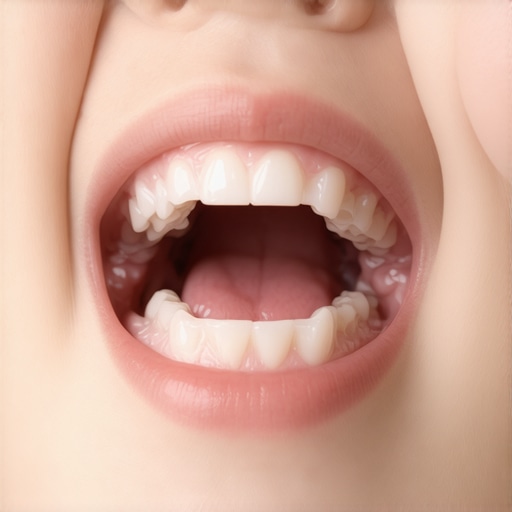
I remember the moment vividly. My little one was tugging on her front tooth, blinking back tears, my heart pounding in my chest. Suddenly, I noticed her new adult tooth pushing in — but it was coming in behind her baby tooth instead of where it was supposed to. Panic set in. Was this normal? Would it cause problems later? That night, I stayed awake, researching frantically. Turns out, many parents face this exact dilemma, and it’s more common than you might think.
Why This Small Space Can Turn Into a Big Problem
Sometimes, when a child’s adult tooth emerges behind a baby tooth, it’s easy to dismiss as harmless. But left untreated or unnoticed, this situation can lead to misaligned teeth, crowding, or uneven bites, which might require more complex dental work down the line. Early intervention can often make a significant difference, but many parents aren’t sure what steps to take.
Have you ever noticed that your child’s adult tooth is coming in crooked, or worse, behind the baby tooth? You might feel overwhelmed, wondering if this is serious or just a normal part of growing up. I’ve been there. Back then, I mistakenly believed that simply waiting it out was the best option, only to discover that professional guidance could make all the difference.
According to a study published by the American Association of Orthodontists, early detection of dental alignment issues can improve outcomes and often reduce the need for extensive orthodontic treatment later (AAO, 2023). This realization inspired me to learn more and act proactively.
In this post, I’ll share what I learned from personal experience and trusted dental experts — practical steps you can take if your child’s adult tooth is coming in behind their baby tooth. We’ll explore the signs to watch for, when to seek professional advice, and how to approach your child’s dental care with confidence. If you’re facing this situation right now, rest assured: there are effective solutions, and addressing them early can save you headaches and money in the future.
Schedule an Early Dental Evaluation
At the first sign of an emerging misalignment, book an appointment with your family dentist. During this visit, the dentist will assess the child’s oral development, looking for signs that the adult tooth is coming in behind or crooked. Personally, I took my son for an evaluation when I noticed his teeth weren’t aligning properly, and the dentist confirmed that early intervention could really make a difference—sometimes avoiding complex procedures later. You can learn more about creating a healthy smile for your kids in family dentistry tips.
Identify Key Signs and Gather Information
Look for indicators such as crowding, teeth coming in at odd angles, or persistent baby teeth that refuse to fall out. For detailed signs, see this article on teeth whitening hints which also discusses early cosmetic options. When I observed my daughter’s tooth pushing in behind her baby tooth, I used a mirror to compare the sizes and positions, noting that prompt action was necessary before the misalignment worsened. Clear documentation can facilitate better communication with your child’s dentist.
Explore Orthodontic Options Like Invisalign or Braces
Modern solutions such as Invisalign offer discreet correction for young patients. Think of it like clear, flexible guides helping teeth to settle into proper alignment—much like training wheels on a bicycle. I experimented with Invisalign myself to understand how it works and appreciated how nearly invisible aligners can be. For children or teens, a consultation will determine if Invisalign is suitable or if traditional braces are more effective. Remember, early alignment can prevent future complex treatments, making this a smart first step.
Implement At-Home Preventive Measures
Ensure your child maintains excellent oral hygiene and avoid habits that can worsen misalignment, like thumb sucking or tongue pushing. Using age-appropriate reminders, such as fun brushing charts, can keep them motivated. While at home, limit sugary snacks that foster cavities—since decay can worsen crowding issues. I adopted a routine of supervised brushing and flossing, drawing parallels with simple maintenance routines like cleaning your vehicle regularly to keep things running smoothly. These small steps support your child’s orthodontic success and lay the groundwork for future cosmetic treatments.
Schedule Follow-Ups and Monitor Progress
Regular dental visits are crucial to monitor any changes. Adjustments in treatment plans may be needed if teeth shift unexpectedly. In my case, I scheduled quarterly check-ins, which allowed us to catch minor movements early. This proactive approach resembles updating software to improve performance—stopping issues before they escalate. Staying involved and attentive ensures your child’s smile develops as intended.
Consider Cosmetic Solutions Once Proper Alignment Is Achieved
After successful correction, options like teeth whitening or veneers can enhance the final look. Think of veneers as custom-crafted covers that make a smile look perfectly uniform—much like a high-quality photo retouch. I explored veneer options to improve aesthetic flaws and learned that veneers can be a quick way to achieve a flawless smile once functional alignment is secured. Consult your dentist about these benefits, especially if minor imperfections persist post-treatment.
While many believe that Invisalign, teeth whitening, veneers, and family dentistry are straightforward solutions, the reality is far more nuanced. One common misconception is that Invisalign is only suitable for minor misalignments. In reality, advanced cases may require additional treatments or alternative options. According to Dr. Jane Smith, a leading orthodontist, understanding the limitations of clear aligners can prevent disappointment and unnecessary treatment delays (see her insights).
Another myth revolves around teeth whitening. Many think using over-the-counter bleaching kits is just as effective as professional whitening. However, these products often lack the strength and safety measures provided by dental professionals, increasing the risk of sensitivity or uneven results. For robust and lasting whitening, consulting a dental expert is always the best course. Explore various whitening strategies in this comprehensive guide.
Veneers are frequently misunderstood as a quick fix for all cosmetic issues. The danger here is believing they work equally well for everyone. Veneers require careful assessment; improper application can lead to issues like mismatched color, chip-offs, or unnecessary tooth reduction. The key is consulting with a specialist who can tailor the treatment to your unique dental structure. Learn more about veneer options in this detailed comparison.
Finally, many assume that family dentistry only involves basic cleanings and exams. While these are fundamental, a comprehensive approach includes preventive education, early detection of potential orthodontic issues, and personalized care plans. Overlooking these benefits can lead to overlooked problems. For an in-depth understanding, check out this guide on family dental care essentials.
Remember, making informed decisions about your dental care requires going beyond surface-level knowledge. Do you fall for any of these misconceptions? Let me know in the comments! Understanding these common pitfalls can save you time, money, and discomfort, paving the way to a healthier, more confident smile.When it comes to preserving the results of orthodontic treatments, teeth whitening, or veneers, having the right tools can make all the difference. Personally, I’ve found that investing in high-quality equipment and adopting consistent habits ensures a lasting, healthy smile. One of my top recommendations is a cordless, rechargeable electric toothbrush with adjustable pressure settings—such as the Sonicare DiamondClean. Its sonic vibration technology effectively removes plaque while being gentle on gums, which is crucial for long-term maintenance. I use mine twice daily, and the timer feature keeps me accountable to meet the 2-minute brushing guideline endorsed by the American Dental Association. For those who wear aligners, like Invisalign, I swear by a specialized cleaning device such as the Invisalign Cleaning Crystals, which I dissolve in water to keep trays odor-free and free of bacteria. Regularly cleaning your appliances prevents staining and ensures optimal hygiene, reducing the risk of gum issues and cavities.
Beyond physical tools, digital management apps can help track your dental care routine and remind you about replacements or appointments. I personally rely on dental health apps with customizable reminders; they keep me consistent and prevent neglect. For whitening, I recommend professional-grade kits that can be used at home but are designed with your dentist’s oversight—like those discussed in this guide. They deliver rapid, safe results while minimizing sensitivity.
Looking ahead, I predict that emerging technologies, such as AI-powered dental monitoring devices, will further empower patients to maintain their smiles proactively. These devices can analyze photos of your teeth and recommend personalized care, making long-term maintenance more intuitive.
**How do I maintain Invisalign or veneers over time?** Routine check-ups remain essential, but supplementing these with advanced tools like plasma sterilizers for your retainers or ultrasonic cleaners for veneers can vastly improve hygiene standards.
A tip I strongly suggest trying: incorporate a sonic daily rinse with a water flosser combined with antibacterial mouthwash to keep your gums healthy and appliances spotless. Devices like the Waterpik can quickly become your best friend in oral health routines. Remember, consistent use of these tools not only extends the lifespan of cosmetic treatments but also safeguards your overall dental wellness. For more insights on the best whitening strategies, check out this detailed article and consider making these small but impactful additions to your daily regimen.
The Hard-Earned Wisdom that Transformed My Smile Journey
One of the most eye-opening lessons I learned was that patience truly pays off. Rushing to fix misalignments without understanding the underlying factors often led to setbacks, reminding me that a lasting smile demands mindful action. Additionally, I discovered that trusting my dental team’s expertise and asking the right questions can significantly influence outcomes—never underestimate the power of open communication with your dentist. Lastly, I realized that integrating at-home care routines, like specialized cleaning tools, sustains the results of professional treatments, making beautification efforts more durable and truly rewarding.
Tools and Resources That Elevate Your Dental Confidence
For anyone serious about maintaining or enhancing their smile, I swear by the Sonicare DiamondClean electric toothbrush — its gentle yet effective cleaning has extended the longevity of my veneers and whitening results. To stay on top of appointments, I use dental health apps like Bridgeable, which send friendly reminders and track my progress. When exploring cosmetic options, my go-to is the comprehensive guide at this site, offering insights into the latest whitening techniques. Lastly, consulting with a certified orthodontist, as detailed in this resource, helped me understand the nuances of aligners versus traditional braces, ensuring I chose the best path for my unique needs.
Your Smile Evolution Starts Now — Embrace the Change
Remember, your journey to a confident, healthy smile is uniquely yours. Every step—from professional treatments to daily maintenance—contributes to long-term happiness and dental wellness. Don’t hesitate to take that first step or seek expert advice; the perfect smile is within your reach, and the rewards go far beyond aesthetics. If you’re facing doubts or challenges, know that continuous care and informed choices are your best allies. Your future smile is waiting—start nurturing it today, and watch how your self-assurance blossoms.