
Why your breath smells metallic after getting a new silver filling
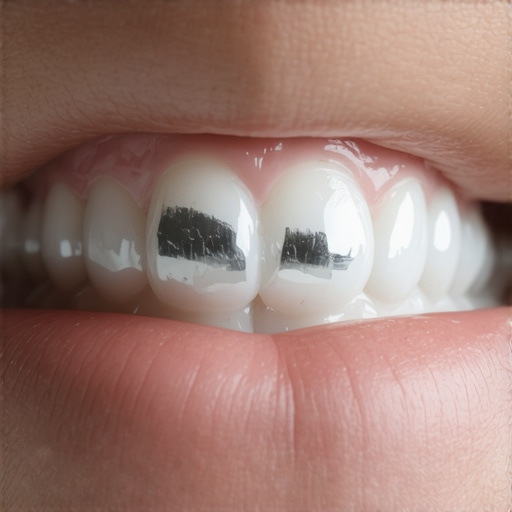
It happened to me the moment I sat down after my dental appointment. That strange metallic tang in my mouth was one thing, but then I noticed my breath had taken on an unsettling smell—like iron mixed with something else. I was startled. Suddenly, I was questioning everything about my new filling. If you’ve experienced this, you’re not alone. Many people notice a metallic taste or smell after getting a silver amalgam filling, and it can be quite distressing. But don’t worry—today we’re going to explore why this happens and how you can manage it effectively.
Understanding Why Your Breath Turns Metallic After a Silver Filling
Getting a dental filling, especially a silver amalgam one, involves placing a metal alloy into your tooth to repair decay or damage. The metals used, primarily mercury, silver, tin, and copper, can sometimes influence your oral environment temporarily. When these metals come into contact with saliva, they can cause a chemical reaction, resulting in a metallic taste or smell. This isn’t a sign of infection or allergy necessarily, but rather a natural reaction of the metals used.
Early on, I made the mistake of brushing obsessively in an effort to clear the weird taste. Instead, I learned that over-brushing can irritate your gums and mouth tissues, making the metallic sensation worse. The key is understanding that this reaction is often temporary. In fact, studies have shown that some metallic tastes post-filling are due to the release of tiny amounts of mercury vapor, which can be more noticeable immediately after the procedure (source: NCBI). But it’s crucial to distinguish between normal temporary reactions and any persistent or worsening symptoms.
Now, if you’re wondering whether this metallic breath is worth worrying about, the next sections will help you identify what’s normal and when to seek professional advice. I’ll also share some practical tips I’ve picked up over years of dental visits, so you won’t have to feel helpless as I once did. Ready to banish that metallic smell and breathe confidently again? Let’s dive into actionable solutions that can make a real difference.
Brush Gently and Wisely
Start by adopting a gentle brushing routine twice daily with a soft-bristled toothbrush. I vividly recall the first time I switched to a softer brush—initially messy, as I was used to scrubbing vigorously, but soon I noticed a lessening of the metallic taste. Avoid over-brushing, which can irritate your gums and exacerbate the metallic sensation. Focus on smooth, circular motions to clean your teeth without causing damage.
Use Baking Soda Sparingly
In my experience, baking soda acts as a mild abrasive that can neutralize some of the metallic reactions. Mix a small amount (about half a teaspoon) with water to create a paste, and brush your teeth with it once every other day. This helps remove surface residues and balance your oral pH, reducing that unsettling taste.
Rinse with Saltwater or Hydrogen Peroxide
After meals or brushing, rinse your mouth with warm saltwater—dissolve half a teaspoon of salt in a cup of warm water. The salt helps disinfect and soothe irritated tissues, while also diluting any lingering metallic compounds. Alternatively, a diluted hydrogen peroxide solution (equal parts peroxide and water) can help eliminate bacteria and reduce unwanted metallic odors. Do this carefully, and avoid swallowing the rinse.
Micro-Story
One afternoon, I accidentally skipped my usual rinse, and immediately I felt the metallic taste intensify. The next morning, I prepared a saltwater rinse, swished it for 30 seconds, and instantly felt relief. This simple step made a noticeable difference in my breath and comfort within days.
Sample Chewing Strategies
Chewing sugar-free gum or munching on crunchy vegetables like carrots or celery stimulates saliva production. Increased saliva acts as a natural cleanser, washing away metal particles and reducing residual metallic taste. I found that having a piece of gum after meals prevented that iron-like aftertaste from settling in.
Focus on Hydration and Diet
Stay well-hydrated, sipping water throughout the day to keep your mouth moist. Avoid overly acidic, spicy, or sugary foods, which can aggravate mouth sensitivities and make metallic odors more noticeable. Consider incorporating dairy products like cheese, which can help neutralize acids and buffer metallic reactions.
Seek Professional Guidance
If these steps don’t alleviate your symptoms after a week or two, consulting your dentist is crucial. They can evaluate whether the fillings are causing persistent issues or if alternative treatments like veneers or crowns might be suitable. For insights into different cosmetic options, check this comparison of veneers and crowns.
Maintain Regular Dental Checkups
Routine visits help monitor your oral health and catch any reactions early. During visits, ask your dentist about materials used in your fillings and discuss alternative options if sensitivity persists. For a comprehensive approach to family oral health, explore family dentistry tips.
While many patients approach cosmetic and family dentistry with hopeful expectations, there’s a surprising amount of misconceptions and pitfalls that can trip up even the most well-informed individuals. Let’s cut through the noise and explore some of the nuanced truths that often go unnoticed, helping you make smarter decisions about your oral health.
First, a widespread myth is that teeth whitening is a one-size-fits-all miracle cure. In reality, whitening treatments vary drastically in effectiveness depending on the type of stains and your dental history. Over-the-counter products or cheap strips might promise quick results, but they often come with risks like increased sensitivity or uneven whitening. Professional solutions, like those detailed in the ultimate guide to teeth whitening in 2025, are tailored to your needs and conducted under supervision, reducing the chance of damage.
Regarding Invisalign, many assume it’s just about discreet teeth alignment, but the real nuance lies in the commitment required. Failure to wear aligners as prescribed can extend treatment time or lead to subpar results. Moreover, advanced readers should consider the limitations—certain complex movements might require traditional braces or accompanying procedures. Exploring invisalign secrets reveals that proper planning and patient compliance are critical to success.
When it comes to veneers, a common mistake is believing they’re a permanent fix that requires no maintenance. In fact, veneers can chip, stain, or loosen over time if not properly cared for. People also overlook the importance of choosing the right material—porcelain offers durability and aesthetics, but not all veneers are created equally. Delving into veneer options in 2025 can shed light on the nuances that determine longevity.
Finally, many assume family dentistry is just routine cleaning, but the real value is the preventative approach and personalized guidance it provides. A skilled family dentist doesn’t merely treat issues but actively educates on systemic health links, dietary influences, and early signs of oral diseases—elements often missed by casual visits. For insights, see building healthy smiles for every generation.
Making informed choices in dental care means understanding the limitations and nuances of treatments and misconceptions. Don’t let common myths hold you back or cause costly mistakes. Are you falling for any of these traps? Share your experience in the comments!
—
*Have you ever fallen into this trap? Let me know in the comments.*Maintaining your smile after procedures like teeth whitening, Invisalign, or veneers requires the right tools and routines. I personally rely on a few essential items to ensure long-term success and prevent setbacks. One of my favorite investments is a **digital toothbrush with timer and pressure sensors**, such as the Philips Sonicare DiamondClean. This device helps me brush effectively without applying excessive force, which can harm gums or damage veneers. Its built-in timer ensures I brush for the recommended two minutes, maximizing plaque removal and preserving my investment.
Another vital tool is a **water flosser**, like the Waterpik Ultra. Unlike traditional floss, water flossers are gentler yet thorough, reaching difficult areas around veneers or braces. I use mine daily, especially after meals, to dislodge food particles and reduce the risk of staining or decay near dental work. Regular use has significantly improved my gum health and kept my smile bright over the years.
For long-term follow-up, I turn to **professional-grade whitening touch-up gels** recommended by my dentist. Products like custom take-home kits provide a safe, controlled way to maintain whiteness without excessive sensitivity. I always consult my dentist before using any new whitening product—this ensures I choose options compatible with veneers and other restorations. According to the teeth whitening guide, proper maintenance significantly extends the lifespan of whitening results.
How do I keep my dental work looking pristine over time?
One method I’ve adopted is using **ultrasonic scaler pens** at home for routine cleaning. These compact devices mimic professional cleaning tools, gently removing plaque buildup on surfaces like veneers or crowns. I’ve found they help maintain the shine and prevent discoloration. However, it’s crucial to have an annual professional cleaning to address tartar and deep stains—never skip your regular dental checkups. For comprehensive care, I recommend visiting a trusted family dentistry provider who emphasizes prevention, as discussed here.
Thinking ahead, I believe the trend will lean towards **smart dental devices** that connect with smartphones, offering real-time feedback and guidance. Innovations like app-controlled whitening trays or AI-assisted cleaning are on the horizon, making home maintenance more efficient and personalized. Staying updated with these advancements can empower you to keep your smile flawless, just as I strive to do.
Remember, consistent routine use of these tools can make all the difference. Start by trying a **pressure-sensitive electric toothbrush** today—you’ll be surprised how much it can improve your oral health and prolong your cosmetic results. Regular, attentive maintenance isn’t just about appearance; it’s about safeguarding your investment in a confident, healthy smile for years to come.
What I Wish I Could Tell My Younger Self About Dental Care
One of the biggest lessons I learned is that patience is key. Investing time in proper brushing techniques and routine checkups pays off in the long run, preventing costly procedures and discomfort. I used to neglect regular dental visits, thinking they weren’t necessary until I faced more serious issues, but now I understand prevention is always better than cure.
The Hidden Power of Small Changes That Suddenly Improved My Oral Health
Switching to a soft-bristled toothbrush and incorporating daily flossing, especially under my veneers, made a noticeable difference in breath freshness and reduced sensitivity. These minor adjustments were game-changers, showing me how everyday habits directly impact oral health.
How Embracing Professional Advice Transformed My Smile Journey
Listening carefully to my dentist’s recommendations about whitening products and avoiding harsh at-home remedies helped preserve the longevity of my veneers and whitening results. Trusting experts not only saved me from potential damage but also boosted my confidence knowing I was doing the right thing.
Quest for the Perfect Smile: My Resource Arsenal
Over time, I’ve come to rely on several tools and resources that keep my smile radiant. The latest teeth whitening guides keep me informed about safe practices, while my electric toothbrush ensures thorough cleaning. For maintaining my veneers, I trust the advice from dental aesthetic experts.
Your Smile Evolution Starts Today
Remember, every small step you take towards better dental habits can lead to a lifetime of confidence and health. Whether you’re considering veneers, Invisalign, or simply striving for a healthier smile, now is the moment to act. Take charge, seek professional guidance, and enjoy the journey to your best smile yet. What proactive change will you make today to improve your dental health? Share your plan below!
,