
How to Hide the Gaps in Your Smile While Waiting for Implants
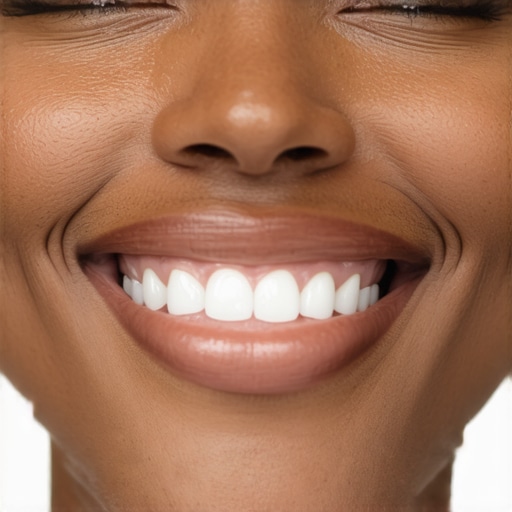
I’ll never forget the moment I caught my reflection unexpectedly, noticing that gap in my smile and feeling a wave of self-consciousness wash over me. It was a simple, almost trivial thing—yet it made me realize how much confidence a gap could silently chip away from my everyday interactions. Waiting for dental implants can be a frustrating time, especially when you want to keep smiling without drawing unwanted attention.
The Real Struggle: Covering Up That Gap
For many of us, the gap in our smile isn’t just a cosmetic concern—it’s a barrier to feeling comfortable in photos, during conversations, or even in casual family moments. The waiting period for implants can stretch out for months, and during that time, we seek discreet ways to improve our appearance without invasive procedures. Trust me, I’ve been there, and I know the worry of constantly second-guessing your smile.
Today, I want to share my personal journey and the practical tricks I discovered to hide those gaps effectively. Whether you’re in the same boat or just want to boost your confidence temporarily, understanding what works can make all the difference. By the end of this post, you’ll have actionable steps and tips, backed by real experience, to maintain your natural confidence during your implant journey.
Has Face-to-Face Time Turned into a Masked Encounter?
One thing I learned early on was that trying to hide the gap with over-the-top makeup or overly cautious smiling only drew more attention. Instead, subtle adjustments and smart techniques proved to be more effective. For example, strategic positioning of your tongue or playful use of lip makeup can divert focus away from the gap.
Additionally, I made a critical mistake initially—thinking that covering the gap with thick lipstick or trying to smile less would do the trick. It only made things worse, highlighting the very feature I wanted to hide. It was a clear reminder that sometimes less is more, and simple, natural strategies often work best. For more tips, I recommend checking out this guide on discreet ways to improve your smile.
Now, with some practical techniques and a little patience, I learned to navigate the waiting period confidently. But how do you know which method is right for you? That’s what we’ll explore next—so keep reading, because the best tricks are just ahead!
Why Your Smile Deserves a Little Extra Care During the Waiting Period
Smooth Your Smile with Strategic Positioning
During my own Invisalign journey, I found that adjusting the way I positioned my tongue could subtly shift focus away from the gap. When I felt self-conscious, I pressed my tongue against the roof of my mouth while speaking, which made my smile appear more balanced. Practice this in front of a mirror: it’s a natural way to divert attention without looking forced. Over time, this became second nature, and I noticed fewer people paying attention to my smile’s imperfections.
Opt for Flattering Lip Colors and Lipcare
Choosing the right lipstick shade can draw attention away from the gap. I kept it simple with neutral or slightly darker shades, which don’t catch the eye as much as bright reds or pinks would. Additionally, keeping lips moisturized with a balm prevents uneven lines, making your lips look naturally shaped. I experimented with subtle glosses and matte finishes, finding that understated looks complemented my smile better during this period.
Master the Art of Genuine, Relaxed Smiles
An authentic smile can mask minor insecurities. I practiced in the mirror, focusing on expressing genuine happiness rather than forced grins. This helped me feel more confident during conversations, so I no longer felt the need to hide my smile. Remember, people are drawn to real emotion, not perfection—so embrace your natural expression to maintain confidence.
Use Angles and Posture to Your Advantage
Positioning yourself can make a significant difference. I learned to angle my head slightly downward or to the side when taking photos or engaging in conversations. This minimizes the visibility of the gap and highlights other features, like my eyes. Stand or sit with good posture; it instantly boosts your confidence and shifts focus from imperfections to your overall presence.
Incorporate Discreet Dental Products
Some products are designed specifically to temporarily mask gaps. I tried clear orthodontic waxes and tiny dental fillers available at dental supply stores, which I applied sparingly on the day of important events. Be cautious with these—always read instructions carefully. For a more permanent yet natural solution, exploring options like veneers might be worth considering, as they can drastically improve aesthetics without drawing attention. Learn more about veneers and if they suit your needs at Veneers Made Simple.
Harness Lighting to Your Advantage
Lighting plays a critical role. During my own engagements, I avoided harsh overhead lights that cast shadows and emphasize flaws. Instead, I opted for softer, indirect lighting, which creates a more flattering environment. When taking selfies or photos, I used natural light coming from windows to illuminate my face evenly, reducing the visibility of gaps or imperfections.
Practice Patience and Consistency
While these techniques helped me feel more confident, it took time and consistent effort. I practiced different angles and expressions to discover what worked best for me. Remember, everyone’s smile is unique, and a little patience can go a long way toward transforming your outlook during treatment. Being proactive with these strategies empowers you to smile confidently, even during challenging periods.
In the world of cosmetic and restorative dentistry, misconceptions abound—often rooted in oversimplified marketing or outdated beliefs. As someone deeply involved in advanced dental care, I’ve seen many patients fall into traps because they accept common myths at face value. Let’s take a closer look at some of the nuanced errors—things that even savvy patients overlook—and how understanding these can dramatically influence your results.
Why Are Invisalign Aligners Not Just About Discreetness?
Many assume Invisalign is superior solely because it’s invisible. However, a prevalent misconception is that aligners can address all orthodontic issues equally well. In reality, complex cases—such as severe bite misalignments or jaw discrepancies—may require traditional braces or even surgical intervention. Additionally, some believe that wearing Invisalign means less discipline, but in truth, compliance is crucial; irregular wearing significantly hampers effectiveness. Advanced treatment planning tailored to individual needs is vital—making Invisalign not a one-size-fits-all solution, but a carefully considered choice. For more insider tips, check out this guide on achieving a discreet yet effective Invisalign treatment.
Moreover, many overlook the importance of attachment placement and tray design, which are critical for precise tooth movements. Poor planning here can lead to longer treatment times or undesired tooth rotations. An expert orthodontist will customize these elements meticulously, emphasizing that success lies in nuance, not just aligner visibility.
Veneers: The Hidden Trap of Overuse
A common myth is that veneers are a quick fix for any aesthetic flaw. While they offer impressive cosmetic results, overusing or improperly selecting veneers can lead to unnecessary enamel removal, increased sensitivity, and even unnatural appearance. Many don’t realize that veneers are a permanent modification—they can’t be reversed easily—and that they require careful planning regarding shade, shape, and thickness. Choosing veneers without understanding the long-term implications can result in costly repairs or replacements down the line. To truly assess if veneers fit your goals, explore comprehensive comparisons between veneers and crowns.
Remember, the best veneer treatment involves collaboration with an experienced dentist who considers your facial proportions, gum health, and bite dynamics. Beware of shortcuts—some clinics push for quick placements without evaluating underlying issues, leading to problems that could have been avoided.
Family Dentistry’s Overlooked Depth
Many believe family dentistry is just about routine cleanings and exams. However, an advanced understanding reveals its broader role in preventive care and early intervention. Regular assessments help identify not only cavities but also signs of orthodontic development, periodontal disease, or even nutritional deficiencies. Moreover, ensuring your family’s dental health involves educating children about proper hygiene habits early—an aspect often dismissed as secondary. The long-term benefits of comprehensive family care include fewer invasive procedures and a lifelong foundation for oral health. For tips on building a resilient dental routine for all ages, visit this family dental guide.
Failing to recognize these nuances can result in missed early diagnoses or resorting to expensive treatments later. An empathetic, preventive approach can save substantial time, discomfort, and costs over the years.
Teeth Whitening: More Than Just a Bright Smile
Many believe that professional whitening instantly transforms their appearance without risks. While this is partially true, numerous overlooked factors can compromise results or cause damage. For example, using over-the-counter whiteners without dental consultation risks uneven erasure of stains and tissue sensitivity. Furthermore, not all stains respond equally—intrinsic discoloration, for instance, may require alternative treatments like veneers or bonding. An advanced mistake many make is neglecting the impact of enamel demineralization due to frequent bleaching—leading to increased sensitivity and even eventual staining. As Dr. Michael Nelson states, “Understanding the chemistry behind whitening and the condition of your enamel dictates the safest, most durable results” (source). Combining whitening with preventative measures, like fluoride treatments or remineralization protocols, can extend your results and protect healthy tissue.
In conclusion, mastering these nuances involves moving beyond surface-level beliefs and trusting personalized, advanced dental planning. This approach ensures durability, aesthetics, and your overall oral health—value that’s worth investing in. Have you ever fallen into this trap? Let me know in the comments, and I’ll help you navigate your dental journey with insider knowledge.
Maintaining your smile after treatments like Invisalign, veneers, or teeth whitening requires more than just good habits—it demands the right equipment and methods to ensure long-term success. From the tools I personally rely on to emerging technologies I foresee becoming standard, staying updated is essential for optimal results.
Which Instruments Keep My Smile Healthy Over Time?
One non-negotiable in my routine is an electric interdental cleaner, such as the Waterpik Sonic-Fusion. I chose this device over traditional floss because it combines flossing and water pulsation, effectively removing plaque and preventing gum disease without causing irritation. Its adjustable pressure settings allow customization, protecting sensitive areas while thoroughly cleaning around veneers and orthodontic attachments. For deeper cleaning, I incorporate a high-frequency sonic toothbrush like the Sonicare DiamondClean, which gently vibrates to disrupt plaque without damaging delicate restorations. These tools have become staples because of their proven efficacy and ease of use.
How Do I Guarantee Effective Cleaning with These Tools?
Using the right equipment is just half the battle; technique matters. For my water flosser, I position the tip at a 90-degree angle to the gum line, aiming the pulsating stream along the gum line and interdental spaces for about a minute per quadrant. For my sonic toothbrush, I gently glide, focusing on each tooth surface, especially around veneers or tooth-colored fillings. This consistent routine prevents tartar buildup, minimizes staining, and maintains the integrity of restorations over the years. Remember, regular professional cleanings complement these efforts and should be scheduled at least twice a year.
The Future of Dental Maintenance Tools Looks Bright
Advancements are continually enhancing home dental care. Next-generation ultrasonic devices promise even more effective debris removal without increasing sensitivity, while AI-powered apps are helping customize brushing routines based on real-time feedback. Imagine a toothbrush that detects early plaque formation and alerts you before it hardens into tartar—this is where the trend is heading. Embracing these innovations now ensures you’re ahead of potential issues and preserving your investment in cosmetic and restorative dental work.
Wondering How to Keep Your Smile Fabulous Long-term
Good news: integrating advanced tools into your routine can significantly extend the life of your treatments. For example, I recommend trying out a water flosser with adjustable pressure; it’s gentle yet effective—especially beneficial for those with veneers or orthodontic appliances. Incorporate a sonic toothbrush for daily cleaning, but also schedule periodic professional checkups to address areas machines can’t reach. Consistency is key: the more committed you are to these habits, the better your long-term results.
Remember, proper maintenance isn’t just about tools—it’s about a dedicated mindset. Stay informed about emerging technologies by following reputable sources, such as Invisalign secrets guide: This became my trusted resource to understand the nuances of discreet orthodontics, ensuring I made informed decisions with my specialist.
Embrace Your Future with a Bright Smile and Confidence
Remember, every step in enhancing your smile is a journey toward greater self-assurance. With the right knowledge, trusted resources, and a positive mindset, your smile can become your most powerful asset. Don’t wait for perfection—start today, and let your confidence shine through. Which technique are you most excited to try? Share your thoughts below and join the conversation about creating your dream smile!