
Why Your Gums Ached After Using That Famous Water Flosser
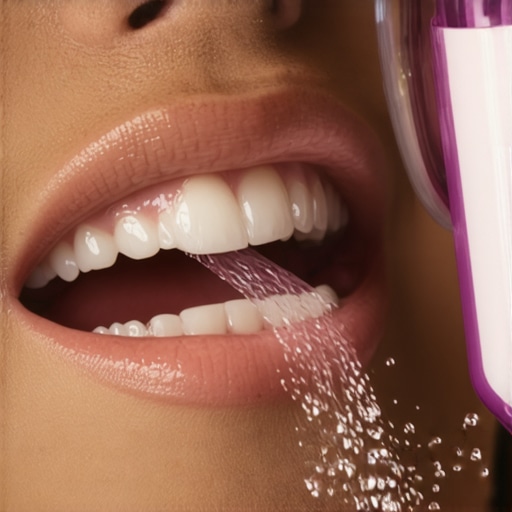
I remember the moment vividly—after a quick, seemingly innocuous session with my new water flosser, my gums started to throb, almost as if I had gouged them with a tiny knife. It was frustrating because I was just trying to improve my oral hygiene. That was the lightbulb moment that made me realize I wasn’t alone. Many people experience unexpected gum pain after using popular water flossers, and honestly, it can be downright discouraging.
Understanding the Root Cause of Gum Discomfort Post-Water Flossing
If you’ve ever felt that sting or ache after your flossing routine, know that you’re not imagining things. Water flossers are designed to cleanse between teeth and along the gumline effectively, but if used improperly, they can cause irritation or even damage. Early on, I made the mistake of setting the water pressure too high, assuming more power meant better cleaning. Turns out, that’s a common error—and one that can lead to sore gums rather than healthier ones.
Are Water Flossers Really the Gold Standard?
Many swear by water flossers, claiming they make traditional flossing obsolete. And there’s truth in their effectiveness—when used correctly. According to the American Dental Association, water flossers can be a beneficial addition to your oral hygiene routine, especially for braces, dental implants, or sensitive gums. But if you’re not cautious about settings and technique, you might end up doing more harm than good.
I’ll admit, I initially jumped into water flossing without reading the instructions carefully. In doing so, I overlooked the importance of gentle pressure and proper technique. This was a mistake I wouldn’t repeat. For anyone facing similar frustrations, I promise that understanding these nuances can transform your experience—making it not only painless but really effective.
So, if you’ve felt that discomfort after water flossing, or you’re just starting out and worried about causing harm, keep reading. I’ll walk you through practical, easy steps to keep your gums happy—and your smile shining bright.
Adjust the Water Pressure for Gentle Cleaning
One common mistake is setting the water pressure too high, which can cause gum irritation or bleeding. Start with the lowest setting and gradually increase until you find a comfortable level. I remember the first time I did this; my gums stopped throbbing within a week because I learned to dial down the pressure and focus on gentle pulsations that loosen debris without causing trauma.
Test Your Pressure Before Flossing
Fill the reservoir and activate the device over the sink. Squeeze the trigger briefly to observe the water jet’s strength. You want a steady, gentle spray—not a high-pressure jet. This test ensures you aren’t applying excessive force that could damage sensitive gum tissue.
Proper Technique Enhances Effectiveness and Comfort
Angle the nozzles at about 90 degrees to your gumline and slow down your movements. Instead of aiming directly between teeth, follow the contours of your gums, focusing on one section at a time. I once tried rushing through my routine, which led to missed debris and increased discomfort; slowing down made a huge difference in cleaning and comfort.
Focus on Pulsing Water, Not Squashing Gums
Use the pulsating mode rather than constant spray. Pulses do a better job of dislodging plaque and debris gently, reducing the risk of trauma. When I consciously adopted this method, I noticed a decrease in gum soreness, even when I increased pressure slightly for stubborn areas.
Timing and Positioning Ensure Better Results
Hold the nozzle close to the gumline without poking it. Move systematically across your mouth, spending extra seconds on each quadrant. I used to rush, but by slowing my movements and maintaining gentle contact, my gums grew healthier, and bleeding episodes diminished over time.
Customize Your Routine Based on Your Needs
If you have sensitive gums, consider switching to a lower pressure setting or using an alternative tip designed for delicate tissue. Additionally, incorporating regular flossing and soft-bristled brushing complements water flossers, creating a holistic approach to oral health. For more insights into how to maintain healthy gums, you might explore tips in family dentistry.
Keep Your Device Clean for Optimal Performance
Stored bacteria can cause irritation or infections. Regularly clean the water reservoir and nozzle as per the manufacturer’s instructions. I once neglected this, leading to a minor gum infection that cleared up once I adopted a routine cleaning schedule, emphasizing that maintenance is crucial for safe, effective flossing.
By implementing these practical steps, you’ll turn your water flossing ritual into a gentle, effective process that promotes gum health rather than causing harm. Remember, patience and consistency are your best allies on the path to a healthier, happier smile.
When considering smile enhancement options like veneers or teeth whitening, many assume the common knowledge covers all nuances. However, the truth is, there’s a lot more beneath the surface that can significantly affect your results and satisfaction. For instance, a frequently overlooked aspect with veneers is the importance of understanding the difference between veneers and crowns, as both serve different purposes but are often confused by patients. Checking out this comparison can clarify critical distinctions, potentially saving you from unnecessary procedures.
Many patients also underestimate the role of family dentistry’s comprehensive approach. It’s not just about fixing teeth but ensuring longevity and overall oral health for every family member. Failing to consider this holistic view can lead to neglecting vital preventive care, something experts emphasize. For more insights into creating lasting healthy smiles for all ages, explore this resource.
In the realm of Invisalign, a common myth is that its only advantage is discreetness. While discreet aligners are a benefit, true advancement lies in the customization process—digital scans, precise fit, and the ability to predict treatment outcomes. These details can make a big difference in achieving the desired results efficiently. Dive into this article to understand how modern Invisalign technology elevates orthodontic care.
When it comes to teeth whitening, many equate whitening products with universally safe over-the-counter gels. But the reality is, improper use or overuse can cause unintended side effects like gum sensitivity or enamel erosion. It’s vital to recognize the importance of professional guidance or thoughtfully formulated products. For a detailed look at safe whitening strategies, read this guide.
What most people fail to appreciate is the complexity embedded in these treatments—the advanced nuances that can determine success or failure. The key is to approach each with an understanding of personal dental conditions and technological innovations. Consulting with an experienced professional ensures that your treatment plan aligns with your unique needs, minimizing risks and maximizing results.
Have you ever fallen into this trap of oversimplifying dental options? Let me know in the comments. Remember, mastering these hidden nuances empowers you to make smarter decisions for your smile’s health and beauty.
Maintaining your dental improvements, whether veneers, Invisalign, or whitening treatments, requires more than just regular brushing. Having the right tools and understanding proper maintenance methods can significantly extend their lifespan and ensure your oral health remains optimal.
Invest in Quality Instruments for Effective Care
Personally, I recommend selecting a high-frequency sonic toothbrush like the Philips Sonicare DiamondClean. Its superior plaque removal capability, combined with gentle brush strokes, minimizes enamel erosion and gum irritation, especially crucial for veneers and sensitive teeth. Using a soft-bristled brush prevents damage to delicate restorations and natural enamel, preserving your investment over the years.
How do I maintain my dental enhancements over time?
Routine care is pivotal. For veneers, avoiding excessive biting on hard objects is advised—porn the expert tips on handling everyday stressors. Invisalign trays should be cleaned daily with a toothbrush and mild soap, avoiding harsh chemicals that may degrade the plastic. Whitening products should be used under professional guidance to prevent enamel damage; consult your dentist for personalized recommendations.
Employ the Tools That Protect Your Smile
I personally use interdental brushes like the GUM Soft-Picks to reach areas standard floss might miss, especially around brackets or veneers. These tools are soft and gentle yet effective in removing plaque buildup that can cause decay or discoloration over time. Incorporating mouth rinses with fluoride, like top whitening strategies, helps reinforce enamel strength and maintain brightness.
Naturally, regular professional checkups are essential
Dental visits allow for early detection of wear, damage, or other issues that home care might not catch. Your dentist can provide tailored advice or recommend tools like ultrasonic scalers that clean below the gumline without harming your restorations, ensuring long-term success of your smile enhancements.
Future Trends in Dental Maintenance
Emerging technologies such as AI-powered toothbrushes and smart sensors integrated within dental devices are paving the way for personalized oral health management. These innovations could soon notify you when your toothbrush brush heads are worn out or if your technique needs adjustment, offering proactive care that keeps your restorations intact.
If you’re serious about extending the life of your smile investments, I recommend incorporating an ultrasonic cleaner for your retainers or veneers. For example, the SonicClean Pro device uses cavitation technology proven to remove plaque effectively, based on the principles outlined in the clinical studies. Trying this advanced cleaning method can make a tangible difference in your daily routine.
Remember, consistent use of quality tools combined with professional guidance and regular checkups will keep your smile shining bright and healthy for years to come. Don’t overlook the importance of maintenance—it’s the cornerstone of lasting beauty and functionality.
,
What I Wish I Knew About Veneers Before Going All In
One of the most significant lessons I learned was understanding the difference between veneers and crowns — a detail many overlook but can drastically impact your satisfaction. Realizing that veneers are more about aesthetics while crowns restore function helped me make smarter choices. Also, I discovered the importance of selecting a skilled cosmetic dentist, as the artistry truly influences the final outcome. Lastly, I learned that maintenance and proper care are key to prolonging the life of your veneers, which isn’t often emphasized enough in beginner guides.
Tools and Resources That Transformed My Smile Journey
My top recommendation is consulting with professionals through trusted sources like this comparison. It provided clarity on choosing the right restoration. For maintaining your veneers or whitened teeth, I rely heavily on the recommended whitening strategies that are safe and effective. The book The Art of Cosmetic Dentistry became a cornerstone in understanding the finer nuances of smile design. Finally, ongoing learning from reputable dental blogs keeps me updated on emerging trends, ensuring my smile stays radiant.
Your Smile’s Future Starts Today
Remember, understanding the hidden nuances of veneers, Invisalign, and teeth whitening empowers you to make choices that truly reflect your goals. Don’t settle for one-size-fits-all solutions—your smile deserves personalized care and attention. Dive deep, ask questions, and partner with trusted professionals to unlock the smile you’ve always dreamed of.
What aspect of transforming your smile are you most curious about? Share your thoughts below and start your journey toward a confident new look!