
The Reason Your Teeth Feel Different After Your First Aligner Refinement
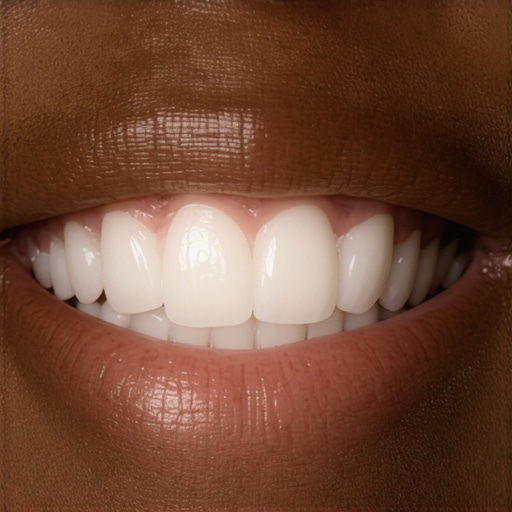
It was a moment of minor panic during my recent orthodontic journey. I noticed that after my first aligner refinement, my teeth didn’t feel the same anymore—slightly looser, oddly sensitive, and just a bit off from what I expected. That simple sensation threw me for a loop, and I wondered if I’d done something wrong or if my treatment was somehow going off course.
Feeling Like My Teeth Were Changing Overnight Was Frustrating
As someone who’s been through family dentistry treatments, I know the importance of understanding each step of the process. But this unexpected change left me questioning everything. Was it normal? Should I call my orthodontist right away? These questions swirled in my mind, making me realize how little most of us truly understand about how teeth respond during aligner treatments. And honestly, that lack of knowledge can make a simple adjustment feel like a major emergency.
What Exactly Causes Your Teeth to Feel Different After Refinement? Is It Normal?
From personal experience and chatting with dental experts, I learned that it’s common for teeth to feel different after initial refinements. During treatment, your teeth are constantly shifting, and the refinement process often involves slight adjustments to your aligners to keep progress on track. These adjustments can temporarily loosen or shift teeth, causing that strange sensation. Interestingly, a study published in the Journal of Clinical Orthodontics confirms that minor changes in the tooth’s position during treatment can lead to temporary sensations of looseness or sensitivity—it’s a normal part of the process, not a sign that something’s wrong.
One mistake I made early on was assuming that if my teeth felt a bit weird, I needed to rush back to my orthodontist immediately. Instead, I learned to recognize the signs of normalcy versus issues that require professional attention. If you’ve faced similar feelings after a refinement, you’re certainly not alone. Understanding what to expect can help you stay calm and patient during this phase.
Now, let’s dive into why your teeth might be feeling different and what you can do to navigate this confusing time confidently. Knowing the facts will help you avoid unnecessary worry and get the most out of your Invisalign journey or other orthodontic treatments.
Recognize Normal Changes and When to Worry
After a refinement, your teeth might feel slightly loose or sensitive. This sensation is typical because your aligners are fine-tuning your tooth positions. To manage this, start by tracking your symptoms—note if the discomfort persists beyond a few days or worsens.
In my case, I experienced mild sensitivity for two days. I kept a small journal to monitor my symptoms and avoided extremely hot or cold foods. This proactive approach helped me distinguish normal sensations from potential issues requiring professional attention.
Use Proper Oral Hygiene Techniques
Stick to a Gentle Routine
Maintain meticulous oral hygiene to prevent irritation that can exacerbate sensitivity. Use a soft-bristled toothbrush and avoid aggressive brushing. Incorporate only gentle circular motions, especially around your gums and areas where you feel discomfort.
Once, I noticed my gums looked slightly red after brushing. Reducing the pressure and switching to a softer brush alleviated irritation. Remember, healthy gums are essential, so don’t skip your routine—just adapt it.
Incorporate Desensitizing Products
Elect to use toothpaste formulated for sensitive teeth, which contains compounds like potassium nitrate or stannous fluoride. These help block nerve pathways and strengthen enamel, reducing discomfort.
When I started applying a desensitizing toothpaste, my sensitivity decreased notably within a week. Consistency is key—use it twice daily for best results.
Adjust Your Diet During Transition Phases
Limit consumption of hot, cold, or sugary foods that can trigger discomfort. Focus on lukewarm, bland foods that require less bite force and don’t aggravate your teeth.
During my treatment, I opted for smoothies, soups, and room-temperature meals. It minimized discomfort and prevented further sensitivity. Think of it like protecting a delicate paint job; gentle handling is crucial during sensitive periods.
Optimize Your Invisalign Wear Schedule
Follow your orthodontist’s instructions meticulously. Remove your aligners only during eating, drinking (except water), and cleaning. Never skip wearing them to avoid unnecessary delays or additional adjustments.
In my experience, adhering strictly to the schedule prevented prolonged discomfort and ensured steady progress. Use a timer or reminder app to stay disciplined—like setting an alarm for medication, it ensures consistency.
Communicate with Your Orthodontist
If sensations persist beyond a week, worsen, or are accompanied by swelling or pain, contact your dental team immediately. Early intervention can prevent complications and provide tailored solutions.
I made a point to document my symptoms and discuss them during my bi-weekly check-ups. This open communication allowed me to get professional advice promptly and avoid unnecessary worry.
The Key to Navigating Tooth Sensations Effectively
Managing teeth sensations during refinements is about understanding your body’s responses and adjusting your habits accordingly. Keep track of changes, stay diligent with hygiene, and maintain open lines of communication with your orthodontist. These steps can turn a confusing phase into an opportunity to learn more about your oral health and treatment progress.
Dispelling Myths About Veneers and Restorative Choices
Many assume that veneers are an instant fix for any dental flaw, but the reality is more nuanced. Veneers, especially porcelain ones, are often marketed as a permanent transformation, yet they can chip, stain, or require replacement over time. A common misconception is that veneers are purely cosmetic and don’t impact tooth health; however, improper preparation or over-reduction of enamel can lead to increased sensitivity or even decay if not managed properly. Advanced practitioners emphasize that veneer placement should be tailored to individual occlusion and lifestyle to avoid future complications. For a comprehensive understanding of veneer options in 2025, check out this detailed guide.
Why Simple Family Dentistry Isn’t Enough
While routine check-ups are essential, relying solely on the traditional model can cause you to miss behind-the-scenes issues. For example, early signs of gum recession or bite misalignment often go unnoticed until they cause significant discomfort or decay. Modern family dentistry incorporates technology like digital scans and intraoral cameras, which reveal subtle problems that traditional X-rays might miss. An advanced mistake many make is delaying specialized care until symptoms worsen, but proactive management based on comprehensive exams can preserve oral health longer. Explore innovative approaches to family dentistry at this resource.
Decoding Teeth Whitening—Beyond the Surface
Most believe that all whitening methods are equal; however, the ingredients, application methods, and safety vary significantly. Over-the-counter whitening kits, while accessible, often contain low concentrations of bleaching agents, risking inconsistent results or enamel damage if misused. Professional whitening administered correctly by a dentist offers not only superior, longer-lasting results but also minimizes sensitivity. An advanced pitfall is believing whitening is permanent without maintenance, but factors like diet, aging, and oral hygiene influence longevity. For the latest insights and options available in 2025, read this guide.
Invisalign Mysteries for the Avid Observer
While Invisalign is celebrated for its discreetness, many overlook that its success depends heavily on wearer compliance and proper case selection. Some assume that any bite misalignment can be fixed with clear aligners, but complex cases involving root issues or skeletal discrepancies may require adjuncts like summer or even surgical intervention. An often-missed nuance is the importance of precise attachment placement and tracking progress visually; without diligent follow-up, treatment can stall or relapse. To understand how Invisalign continues to innovate in 2025, visit this article.
Have you ever fallen into this trap? Let me know in the comments and share your experiences with common misconceptions. Staying informed about these finer points allows us to make smarter decisions and avoid costly mistakes in dental care.
Maintaining your dental investments, whether it’s veneers, Invisalign, or whitening treatments, requires more than just consistent habits—it’s about leveraging the right tools and techniques to ensure longevity. One of my go-to strategies is investing in a high-quality ultrasonic toothbrush like the Oral-B iO series, which uses micro-vibrations combined with laser-enhanced brushing modes. I find it incredibly effective at removing plaque, especially around veneers and orthodontic attachments, without damaging delicate enamel. Additionally, I rely on interdental brushes designed specifically for tight spaces, such as the TePe interdental brushes, which help me clean areas that floss can sometimes miss, particularly after orthodontic treatment. In my routine, I also incorporate a water flosser like the Waterpik Ultra, which has proven invaluable in dislodging debris around brackets and veneers, preventing plaque buildup and future complications. For whitening maintenance, I swear by custom trays filled with professional-grade whitening gel, which I’ve obtained through my dentist. They provide consistent results and minimize sensitivity, unlike over-the-counter strips, which can sometimes cause over-bleaching or uneven stains.
How do I maintain my dental treatments over time? Stay proactive by scheduling regular check-ups and professional cleanings—at least twice a year. I’ve learned that quick touch-ups and assessments can catch issues early, saving money and discomfort later. When it comes to invisible aligners, following the detailed instructions on wear time and cleaning with mild, non-abrasive solutions prevents discoloration and clouding. Advanced practitioners also recommend incorporating remineralizing toothpaste with nano-hydroxyapatite to strengthen enamel and counteract minor wear caused by whitening products. Looking ahead, the future of dental maintenance is trending towards smart devices—imagine toothbrushes that sync with your phone to provide real-time feedback on technique, or apps that remind you to replace your brush head or floss regularly. Embracing these tech-enabled tools will make maintenance more intuitive and less of a chore. To stay ahead, I encourage you to try a precision cleaning routine, such as using an ultrasonic toothbrush combined with interdental brushes, and see how much healthier your mouth feels after just a few weeks. For comprehensive advice tailored to your treatment, don’t hesitate to reach out to your dental professional through their contact page. Remember, the key to long-term success is consistency and investing in quality tools that fit your needs, ensuring your smile remains radiant for years to come.What I Wish I Knew When I Started Veneers and Invisalign
One of the biggest lessons I learned was that patience truly is a virtue in dental transformations. Rushing through treatments or expecting instant perfection often leads to unnecessary stress. Understanding that minor sensations are part of the journey allowed me to stay calm and trust my dentist’s expertise.
Another insight was realizing the importance of investing in quality tools for maintenance. Using the right toothbrush, interdental brushes, and professional-grade whitening products makes a noticeable difference in preserving my smile and avoiding setbacks.
Lastly, I discovered that clear communication with my dental team is invaluable. Asking questions and voicing concerns early on prevented small issues from escalating into bigger problems, saving time and discomfort down the line.
Tools That Elevated My Smile Care Routine
My go-to resources include the latest Invisalign innovations, which helped me understand case advancements. The book “Brighten Your Life” offered practical whitening strategies I still follow. The family dentistry page emphasizes proactive care that keeps everyone in my family smiling confidently. These resources, combined with professional advice, transformed my approach to oral health.
Your Smile Is a Reflection of Your Confidence
Don’t underestimate the power of a healthy, radiant smile—it truly can change how you feel about yourself every day. Embrace the process, stay consistent, and connect with professionals who can guide you through every phase. Your future self will thank you for the effort you put in today.
Have you ever faced unexpected sensations after a dental refinement? Share your experiences below—I’d love to hear how you navigated those moments!