
How to tell if your child’s toothache is actually a sinus issue
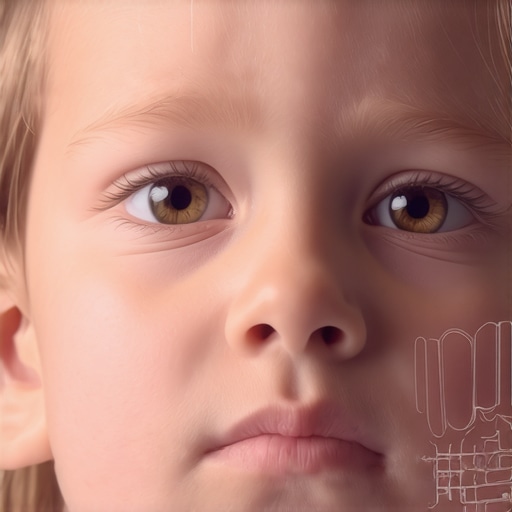
It was late one night when I first realized that my child’s persistent toothache wasn’t what I expected. The crying, the fussing—I’ve been there before with teething or cavities, but this time felt different. The pain seemed to come and go, and honestly, I was at my wit’s end trying to figure out if it was just a tooth issue or something else entirely. That lightbulb moment hit me hard: Could it be their sinuses causing the discomfort?
Deciphering Toothache and Sinus Pain in Kids
As a parent, it can be so confusing when our little ones complain of tooth pain. Is it a cavity? Gum infection? Or is it their sinuses acting up? The distinction matters because treatment approaches for dental issues differ greatly from those for sinus problems. Early on, I made the mistake of rushing to the dentist for every earache or facial discomfort, only to discover later that some symptoms were linked to sinus congestion, which can mimic dental pain. Understanding these nuances has made all the difference in how I handle my child’s health, and I want to share that with you.
You see, sinus infections are common, especially in children who are prone to colds or allergies. The maxillary sinuses, located near the upper jaw, can cause pain that feels just like a toothache. According to recent studies, up to 20% of pediatric facial pain is related to sinus issues rather than dental causes, so it’s more common than you might think!
Recognizing the signs isn’t always straightforward. Things like pain that worsens when bending over, a stuffy nose, or a cough can point toward sinus problems. But how do you really tell the difference without rushing into a dental visit that might not be necessary? Interestingly, there are specific cues and symptoms that, when understood, can help you distinguish between dental and sinus pain.
If you’re anything like I was—worried and overwhelmed—you’re probably asking, “How can I tell if my child’s toothache is due to sinus issues or a dental problem?” Well, you’re in luck. In the sections ahead, we’ll explore practical steps and tips that helped me identify the root cause in my own family. These insights can save you unnecessary trips to the dentist or doctor and help you find relief faster.
Let’s start by understanding the key differences and signs—to ensure you won’t be left guessing when your child is in pain. After all, knowing what to look for makes all the difference in providing the right care at the right time.
Pinpoint the Source of Discomfort with Specific Palpation
Start by gently pressing around your child’s cheeks and jawline. If the pain intensifies when pressing over the maxillary sinuses—located just beneath the cheekbones—it suggests sinus-related pain. I tried this method when my son complained of persistent pain; pressing gently revealed that the discomfort worsened near his cheekbones, indicating sinus congestion rather than a dental abscess. This immediate cue prevented me from rushing to the dentist unnecessarily and prompted a consultation with his pediatrician.
Observe Response to Postural Changes
Bending Over or Leaning Forward
Ask your child to bend at the waist or lean forward. Sinus pain often worsens with these movements due to increased pressure in the sinus cavities. In my experience, when my daughter bent forward, her pain spiked, aligning with sinus congestion. This simple movement provided a clear clue, saving a trip to the dental office that wasn’t needed at the moment.
Note Nasal and Respiratory Symptoms
If your child exhibits a stuffy nose, post-nasal drip, or coughing alongside facial pain, these are strong indicators of sinus issues. I noticed my son’s nasal congestion coincided with his facial pain, which helped me decide on seeking a pediatric consultation rather than an urgent dental check-up.
Assess the Nature and Timing of the Pain
Determine whether the pain is constant, intermittent, or worsens at specific times. Sinus pain often correlates with colds, allergies, or weather changes. For example, in my case, my child’s discomfort worsened during allergy seasons or after cold exposure, pointing toward sinus problems. Conversely, dental pain from cavities tends to be persistent regardless of position or weather, and may be sharper or throbbing.
Use Over-the-Counter Remedies as Diagnostic Tools
Administering child-safe decongestants or saline sprays can help. If facial pain diminishes after relieving sinus congestion, it confirms sinus involvement. I found that using saline sprays provided relief and clarified that the cause was sinus-related, avoiding unnecessary dental interventions.
Consult Trusted Healthcare Resources
Cross-reference symptoms with reputable sources like family dentistry tips and sinus health guides. This knowledge reinforced my understanding and helped me make informed decisions quickly. When in doubt, booking a consultation with your child’s healthcare provider is always the safest move—especially if symptoms persist beyond a few days or worsen.
When it comes to enhancing your smile, myths and misconceptions often lead us astray. Many believe that Invisalign is just a trendy alternative to traditional braces, but the truth is, its real power lies in discreet treatment and advanced technology that caters to complex cases—according to experts in orthodontics. Similarly, veneers are often seen as a quick fix, but many don’t realize the importance of assessing whether they’re the right choice over crowns; a decision that significantly impacts long-term dental health, as detailed in my recent deep dive into veneers versus crowns.Keeping your dental improvements in top shape requires more than just occasional visits; it demands the right tools and a proactive mindset. Personally, I swear by the use of a ultrasonic scaler like the **H2Ofloss Professional**, which I use weekly to remove plaque from hard-to-reach areas around my veneers and braces. The device’s gentle vibrations and water jet effectively disrupt plaque buildup without damaging delicate restorations, ensuring long-term durability. Another essential item is a **low-abrasion whitening pen** such as the *Crest 3D White Enamel Shield*. I apply it nightly after my teeth whitening treatments to maintain that dazzling shine, as it’s designed to reinforce enamel and reduce sensitivity.
Looking back, the most valuable lesson I learned was that sometimes, the signs pointing to dental issues aren’t as straightforward as they seem. A little patience and a keen eye can reveal the subtle differences between sinus discomfort and actual tooth pain, saving time and unnecessary stress. Trusting your instincts and understanding your child’s unique responses has made a world of difference in their dental care, shifting my approach from reactive to proactive. Remember, your ability to pick up on these nuances empowers you to seek the right treatment at the right moment, turning confusing symptoms into actionable insights.
For those eager to deepen their understanding, I recommend exploring resources like family dentistry tips which offer a wealth of practical advice. Additionally, tools such as the latest Invisalign innovations can guide you through modern orthodontic options, while teeth whitening guides ensure your smile stays bright and healthy long-term. These trusted sources have helped me craft the best path forward for my child’s dental health.
Trust Your Gut and Keep Learning
Every parent’s intuition is their greatest asset when deciphering subtle health signals. Embrace the process of learning and stay curious about your child’s responses. When symptoms persist or new concerns arise, don’t hesitate to reach out to your healthcare providers—because the difference between a quick fix and a long-term solution often hinges on timely action. Your dedication to understanding these small cues will pave the way for healthier, happier smiles.
Your Next Step Toward Confident Smiles
Start applying these insights today. Whether it’s recognizing sinus-induced discomfort or choosing the right dental enhancements like veneers, each step brings you closer to optimal oral health. Remember, informed decisions stem from genuine engagement and continuous learning—so stay curious and proactive. How will you incorporate these tips into your child’s smile care routine? Share your thoughts below and let’s grow together in this journey toward brighter, healthier smiles.