
How to Tell if Your Tooth Sensitivity is a Cavity or Just Whitening Side Effects
I’ll never forget the ‘Lightning Bolt Incident’ of last summer. I was halfway through a box of extra-strength whitening strips, dreaming of a Hollywood smile, when I took one sip of iced tea and nearly fell off my chair. That sharp, electric jolt made me freeze in place. Immediately, my brain went into overdrive. Did I just burn a hole through my enamel? Is this a cavity that the whitening gel finally ‘woke up’? I spent the next three days tapping my teeth with a spoon like a man possessed, trying to figure out if I was headed for a root canal.
Stop Guessing About That Sharp Pain in Your Molars
The truth is, distinguishing between a ‘whitening zinger’ and a legitimate dental emergency is something almost every DIY enthusiast struggles with. It is stressful because the sensations feel remarkably similar. However, after years of trial and error (and more than a few panicked calls to my local clinic), I’ve learned there are subtle clues that give the game away. Whether you are using teeth whitening secrets or professional-grade gels, your teeth are going to talk to you. The key is knowing the language they are speaking. Today, I’m going to walk you through the diagnostic cheat sheet I use to determine if I need a filling or just a break from the bleach. We’ll look at the duration of the pain, the specific triggers, and how to tell if you need family dentistry intervention.
Does whitening actually destroy your teeth permanently?
This was my biggest fear during my early experiments with brighteners. I thought my vanity had cost me a tooth. I made the classic mistake of using whitening strips three nights in a row after I already felt a little sensitivity. I thought I could just ‘power through’ it. Spoiler alert: you can’t. My gums ended up white and peeling—a classic burn on the gums from whitening gel—and the sensitivity lasted a week. According to the American Dental Association, whitening-induced sensitivity is usually transient, caused by the temporary opening of the dentinal tubules which allows the peroxide to reach the nerve. It is not necessarily a sign of permanent damage, but it is a loud signal that your teeth need a breather. If you are currently clutching your jaw every time you breathe in cold air, have you noticed if the pain stays in one specific spot or if it’s more of a general, whole-mouth ache? I’d love to hear about your experience in the comments because I’ve probably been exactly where you are. Identifying the source is the first step toward relief, especially when you are trying to manage the zingers after a professional whitening session effectively. Understanding the ‘why’ behind the ache makes the ‘how’ of fixing it much less intimidating.
Pinpoint Exactly Where the Jolt Hits You
The first thing you need to do is isolate the location. Think of your mouth like a house with old wiring; sometimes the whole floor flickers, and sometimes it is just one lamp. When you are using teeth whitening options in 2025, sensitivity usually feels widespread. It is a generalized ache across your front four or six teeth. However, if you can point your finger at one specific molar and say, ‘That is the one,’ you might be dealing with a localized issue. I remember a time I was sure I had a cavity because my lower right premolar was screaming. I used a clean spoon to gently tap each tooth individually. If tapping a specific tooth sends a sharp, lingering pain through your jaw, that is not a zinger. That is a structural issue that requires family dentistry expertise. You can also use a flashlight to look for physical cues. Knowing how to tell if that shadow on your tooth is a cavity or a stain can save you a lot of mental energy before you even reach for the phone. 
Time the Pain Like a Science Experiment
Grab your phone and use the stopwatch. This is the most reliable way to separate a temporary reaction from a deep-seated problem. A whitening zinger is like a flashbulb—intense, bright, and gone in a second. It usually hits when you inhale cold air or take a sip of water, but the discomfort should vanish within 10 to 30 seconds of the stimulus being removed. If the ache persists for minutes or turns into a throbbing ‘heartbeat’ sensation that lasts for an hour, your nerve is likely inflamed from something more permanent than bleach. When I overdid my treatment last spring, I forced myself to wait 48 hours before calling the dentist. I switched to a high-potency fluoride toothpaste and avoided all staining liquids. By the second morning, the pain was gone. If it had stayed, I would have known my enamel was compromised.
Watch Out for the Sugar Trap
This is a nuance many people miss. Whitening gel makes your teeth sensitive to temperature because it temporarily opens the microscopic ‘pores’ in your enamel. However, it rarely makes your teeth sensitive specifically to sugar. If you find that biting into a piece of chocolate or drinking a soda causes a sharp sting, but cold water feels relatively fine, you are likely looking at a cavity. There is a specific reason why your teeth feel sensitive to sugar but not to cold, and it usually involves bacteria tunneling into the dentin. I once ignored a ‘sugar sting’ thinking it was just part of my whitening routine, only to find out I needed a small filling that had been hiding under the edge of my gumline.
Take a Mandatory Bleach Break
Execution is everything when your teeth start talking back. The moment you feel a zinger, you must stop all whitening activities for at least three days. Think of it like a muscle strain; you wouldn’t keep running on a twisted ankle. During this break, use a desensitizing gel or a toothpaste containing potassium nitrate. This helps ‘plug’ those open pores. If the pain subsides during this rest period, you’re in the clear—it was just the peroxide doing its job a little too well. If the pain stays consistent even without the gel, it is time to schedule an exam. This is especially true if you have existing work, as you need to know how to tell if your dental crown is loose or just sensitive before applying more chemicals to the area. Learning how to manage the zingers after a professional whitening session involves patience, not power. Don’t rush the process, or you might end up needing more than just a brighter shade.
The Peroxide Plateau Might Be Stunting Your Progress
One of the biggest myths I see in the DIY community is the idea that ‘more is better.’ People assume that if a 10% gel works, a 35% gel will work three times as fast. In reality, your teeth have a saturation point. Once you hit that peak brightness, you aren’t actually removing deeper stains; you’re just dehydrating the enamel, which makes it look artificially white for a few hours before the ‘rebound’ effect kicks in. A study published in the Journal of the American Dental Association (JADA) confirms that higher concentrations of carbamide peroxide don’t necessarily yield ‘whiter’ results after the initial treatment phase; they primarily just accelerate the onset of sensitivity. If you keep pushing, you aren’t getting a Hollywood smile—you’re just causing unnecessary inflammation. This is why understanding teeth whitening secrets is more about timing than intensity.
Stop Treating Your Aligners Like a Protective Shield
This is a huge ‘oops’ factor for those exploring Invisalign innovation. There is a dangerous assumption that because your teeth are ‘covered,’ you can sip on your morning latte or soda without consequence. This is a trap. Liquids seep under the trays and sit directly against your enamel for hours. Not only does this explain why your aligner trays are starting to turn yellow, but it creates a literal greenhouse for bacteria. Have you ever fallen into this trap? Let me know in the comments, because I’ve seen some pretty gnarly cavities form in record time from this exact mistake. 
Can you safely bleach your natural teeth when you have porcelain restorations?
This is the ultimate nuance of teeth whitening options in 2025. If you have a crown or a veneer, that material is essentially glass; it will not change color. The most common mistake I see is someone trying to ‘brighten’ their smile only to find that their natural teeth get whiter while their expensive dental work stays the same shade, leading to a patchy, uneven look. This is also the mistake of using whitening strips on dental bonding. If you notice the reason your veneers look gray in certain lighting, it might be that your natural tooth underneath is darkening, or the translucency of the porcelain is playing tricks on you. In these cases, reaching for a higher-strength bleach will only make the discrepancy more obvious. You need a cohesive plan from family dentistry professionals who can match new restorations to your target shade instead of guessing at home.Once you’ve navigated the ‘zinger’ minefield and achieved that perfect shade or alignment, the real work begins—and it’s not as hard as you think. I used to think maintenance was just about more brushing, but I was wrong. It’s about using the right gear. For my Invisalign journey, the absolute game-changer was investing in an ultrasonic cleaner. If you’ve ever noticed why your clear aligners have started to look cloudy, you know that a toothbrush just can’t reach the microscopic pits in the plastic. I now drop my trays into a pod with a cleaning tablet every morning, and it’s the only way to stop your clear aligners from smelling like old saliva effectively.
Get an Ultrasonic Cleaner and Never Look Back
According to a study in the International Journal of Environmental Research and Public Health, ultrasonic cleaning combined with chemical tablets is significantly more effective at reducing biofilm on dental appliances than brushing alone. I personally use a 42,000Hz model, and the difference is night and day. It’s the same tech I use to keep my night guard pristine, which is crucial if you want to know the best way to clean your night guard so it doesn’t smell. 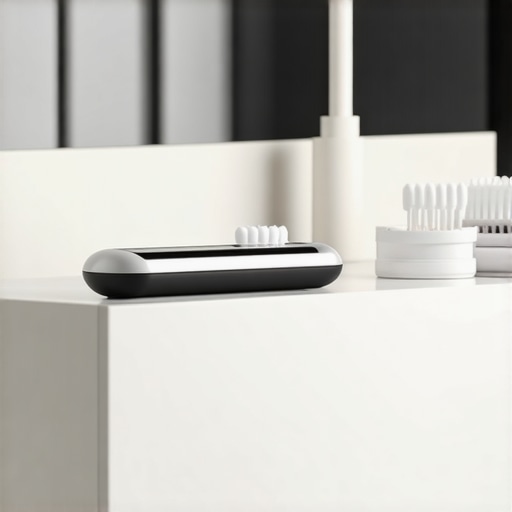
Protect Your Investment with Low-Abrasion Care
If you’ve opted for veneers, you have to treat them differently than natural enamel. One thing I learned the hard way is that ‘whitening’ toothpastes are often too abrasive for porcelain. They can create tiny scratches that eventually make the surface look matte. This is often why your porcelain veneers look dull after five years of wear. I switched to a high-end, low-RDA (Relative Dentin Abrasivity) toothpaste and a super-soft electric brush. It’s a small price to pay to ensure you don’t end up wondering why your veneers look fake because the finish has worn off. You can even learn how to keep your coffee habit without ruining your new veneers by using a straw and rinsing immediately after.
How do I keep my smile looking fresh for decades?
The future of maintenance is moving toward ‘smart’ monitoring. I predict that within the next few years, we’ll see aligners and retainers with built-in sensors that sync to your phone to track wear time and bacterial buildup. For now, the best strategy is a mix of high-tech home care and consistent family dentistry visits. Don’t underestimate the real cost of skipping your six-month cleaning; those professional polishers can remove stains that even the best home kit can’t touch. If you’re ready to take your routine to the next level, I highly recommend ordering an ultrasonic pod today—it’s the single best maintenance investment I’ve ever made. If you have questions about which model to get or want to check on your current progress, don’t hesitate to contact us and chat with the pros.
The Painful Lessons That Transformed My Smile Routine
Reflecting on my journey through different teeth whitening options in 2025, I’ve realized that the most important tool isn’t the bleach itself—it’s the ability to listen to your body. One major lightbulb moment was discovering that hydration is everything; dehydrated enamel is significantly more prone to those electric jolts. I also learned that “powering through” is a myth that only leads to gum damage. If you feel a sting, your body is telling you to hit the pause button. Finally, I’ve accepted that professional guidance from a family dentistry expert is the only way to truly rule out underlying issues like micro-fractures that no DIY test can find.
The Gear I Swear By for Sensitivity-Free Success
I don’t just use any tools; I use the ones that have saved my enamel over years of trial and error. My absolute must-have is a high-quality Ultrasonic Pod. It’s truly the only way to stop your clear aligners from smelling like old saliva and staying crystal clear. I also highly recommend switching to a Soft-Bristle Electric Toothbrush. This was a game-changer when I realized why your gums are receding despite brushing twice a day—often it’s just the mechanical force of a manual brush. Lastly, keep a tube of Potassium Nitrate Paste on hand. It’s like a fire extinguisher for your tooth nerves when those zingers strike.
Stop Fearing the Flash and Start Smiling
You shouldn’t have to live in fear of a cold drink just because you want a brighter smile. By mastering these teeth whitening secrets and knowing the difference between a temporary reaction and a structural problem, you can take control of your dental health. Your smile is an investment that lasts a lifetime, so treat it with the respect it deserves. If you’re ever in doubt, the peace of mind that comes from a professional check-up is worth every penny. If you’re any lingering concerns about a specific tooth, feel free to contact us to get a professional opinion. Have you ever experienced a ‘lightning bolt’ zinger that made you jump out of your seat? Let me know in the comments below!