
How to Tell if Your Veneer is Cracked or Just Scratched
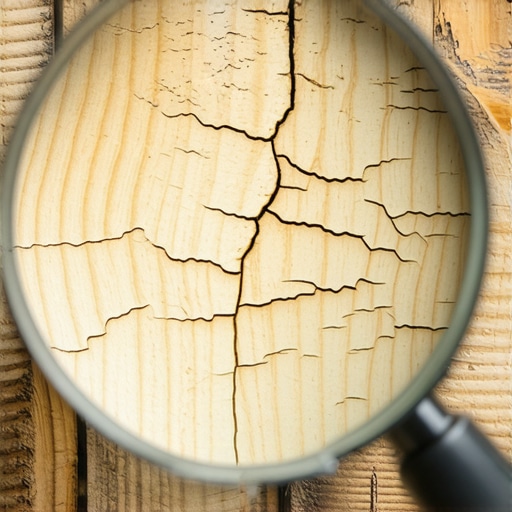
It happened unexpectedly during a family brunch—I bit into a crunchy apple, and suddenly, I felt a strange tickle on my front tooth. At first, I panicked. Had I cracked my veneer? The fear that my beautiful smile might be compromised hit me hard. I remember staring in the mirror, trying to figure out if that tiny flaw was a crack or just a scratch, wondering if I needed to see the dentist immediately.
If you’ve ever found yourself in a similar situation, you know how confusing it can be. A damaged veneer not only affects your appearance but can also lead to further dental issues if not addressed properly. That’s why understanding the difference between a crack and a scratch is more than mere curiosity—it’s about preserving your health and confidence.
Why It’s Crucial to Know the Difference
When you notice a flaw on your veneer, your first instinct might be to panic or ignore it, hoping it will go away. But in reality, recognizing whether it’s just a scratch or a crack determines your next steps. A scratch might be superficial, caused by something as simple as brushing too hard or biting into something hard. On the other hand, a crack could indicate a serious structural issue, potentially compromising the integrity of your veneer and even affecting your underlying tooth.
Early detection saves you time, money, and unnecessary discomfort down the line. It allows for prompt repairs, often making the difference between a quick fix and a more invasive procedure. Moreover, understanding the signs can give you peace of mind—so you’re not left guessing if a sudden chipping or sensation signals something more serious.
In my early days of dealing with veneers, I made a common mistake: I ignored minor chips, assuming they were just minor scratches. It wasn’t until the damage worsened that I realized I should have consulted my dentist sooner. According to dental experts, timely assessment helps prevent minor damage from escalating into full-blown cracks that might require replacement of the entire veneer (source).
If you’re unsure about your veneer’s condition, don’t wait too long. Recognizing the difference early on can preserve your smile’s beauty and functionality. But how can you tell if your veneer is just scratched or actually cracked? That’s what we’ll explore next—so stay tuned!
Assess the Damage Immediately
When you first notice a flaw on your veneer, examine it closely. Use a good pocket mirror and good lighting to compare the affected area with your other teeth. Look for signs of chipping, roughness, or discoloration. I remember one time, I found a tiny chip on my front veneer after biting into a hard cookie. I used a dental mirror to review the damage and noted it was superficial—nothing felt sharp or jagged.
Distinguish Between Scratch and Crack
To differentiate, gently run your tongue over the surface. If it feels like a smooth scratch, it’s superficial. A crack might feel like a line or separation, and sometimes, you may notice roughness or sensitivity. I once experienced a faint crack after accidentally biting down on a particularly hard nut. That sensitivity made me realize it was more than a scratch.
Check for Sensitivity or Pain
Any increase in tooth sensitivity—especially to hot, cold, or pressure—can indicate a crack or underlying issue. If pressing on the area causes pain, you should consult your dentist promptly. In my case, the sensitivity worsened over a day, prompting me to call my dental professional.
Inspect for Discoloration or Lift
If the veneer appears discolored compared to neighboring teeth or feels loose, these are signs of potential damage or bond failure. Once, I noticed my veneer felt slightly loose, which was a clear sign I needed professional help.
Limit Use and Avoid Further Damage
Until you get a definitive assessment, avoid biting into hard foods or using the affected side excessively. Switch to chewing on the opposite side to prevent worsening the damage. I chose soft foods and avoided crunchy snacks for a few days after my initial discovery.
Schedule a Dental Appointment
Contact your dentist immediately for a professional evaluation. They will determine whether your veneer needs repair, reinforcement, or replacement. If your damage is minor, they might recommend smoothing out a scratch or applying a protective coating. For cracks, a full replacement might be necessary. For expert tips on veneer maintenance, visit this guide. During my appointment, my dentist confirmed that the damage was superficial and performed a quick polishing, restoring my smile’s appearance seamlessly.
While many patients jump into cosmetic or preventive dental treatments with high expectations, there’s often a gap between popular beliefs and the nuanced realities that dental professionals understand well. Let’s dig deeper into some common misconceptions and advanced pitfalls that even experienced patients can overlook.
One widespread myth is that veneers are invincible. Many think that once you get porcelain veneers, your teeth are essentially protected from staining, chipping, or aesthetic issues. However, in my professional experience, many patients underestimate the importance of maintenance and the potential for veneer damage over time, especially if they bite硬或consume极度酸性的食物。 Furthermore, not all veneers are suitable for every tooth, and selecting the wrong type can lead to irreversible damage or a poor match, which is why understanding your options is crucial (learn the differences here).
Similarly, there’s a misconception that teeth whitening treatments are all the same and universally safe. While over-the-counter products may seem convenient, they often lack the proper supervision and can lead to uneven results or sensitivity if used improperly. Professional whitening, on the other hand, involves tailored protocols that minimize risks, but many people neglect to realize that whitening isn’t permanent; lifestyle habits like coffee or smoking can reverse gains rapidly. An advanced nuance many miss is the importance of identifying the cause of intrinsic discoloration, which some bleaching agents can’t address, requiring alternative treatments.
When it comes to Invisalign, the dominant narrative is that it’s a quick cosmetic fix. Nonetheless, the real magic lies in the meticulous planning and patient compliance. Advanced cases sometimes require refinements or auxiliary appliances, and neglecting these aspects can lead to incomplete results or relapse. An often forgotten factor is the importance of wearing aligners as prescribed; skipping trays or prolonging their use can extend treatment time or compromise outcomes. For the sophisticated patient, understanding the role of attachment placement and movement mechanics can make a significant difference (discover more about Invisalign mechanics).
In the realm of family dentistry, many assume it’s simply about routine cleanings. However, the real hidden nuance is in proactive prevention tailored to each age group, considering factors like developmental stages, orthodontic needs, and familial habits. For example, early interventions for habits like thumb-sucking or bottle use can prevent future orthodontic or aesthetic problems. Overlooking these nuances can lead to more invasive treatments later, which is why adapting strategies to your family’s specific needs is essential (see how family dentistry adapts to your kids’ needs).
An advanced question many dental aficionados ask is, “How do I know if a treatment is genuinely right for my unique situation or just a marketing gimmick?” The key lies in understanding the evidence base and the dentist’s tailored approach. A case in point is the recent studies indicating that combining whitening with contouring or using digital smile design can yield superior, natural results compared to standard procedures (review the latest whitening options here).
In conclusion, let’s be honest—dental treatments are as much an art as they are science. Going beyond common assumptions and seeking expert guidance ensures you’re making informed decisions that truly serve your smile. Have you ever fallen into this trap? Let me know in the comments.
How do I keep my smile in top shape over time?
Maintaining your dental investment requires the right tools and routines. I personally rely on ultrasonic toothbrushes, like the Philips Sonicare DiamondClean, because their sonic vibration technology effectively removes plaque and keeps my veneers and teeth whitening results fresh. These toothbrushes are gentle on restorations yet powerful enough to maintain long-term oral health. For detailed cleaning, I incorporate water flossers such as the Waterpik Aquarius, which reach areas manual flossing often misses, ensuring a thorough clean without risking gum recession. Regular use of dental disinfectant tablets, like those from Dental Fresh, keeps my night guard and retainers free from bacteria and stains, extending their lifespan.
I also swear by periodic professional ultrasonic پاکیزهgen sessions. These ultrasonic devicesoperate at high frequencies that safely eliminate stubborn tartar, especially around veneers and brackets, which are prone to plaque buildup. Scheduling these cleanings every six months not only boosts oral health but also preserves the aesthetic quality of treatments like whitening and veneers.
Beyond hardware, I emphasize software tools for monitoring and guiding my routine. Apps like SmileGuide help me track my brushing duration and remind me when it’s time for a checkup, ensuring consistency. Using a high-quality fluoride rinse helps reinforce enamel, safeguard against sensitivity, and prolong whitening effects—especially useful after bleach treatments, which you can read more about in this detailed guide.
What innovations are shaping the future of dental maintenance?
The next frontier involves AI-powered diagnostic tools that analyze images from your smartphone to spot early signs of decay, helping you intervene before issues worsen. Additionally, nanotechnology-based remineralization products are emerging, capable of repairing enamel micro-defects at a microscopic level, which could revolutionize long-term wear resistance. Advanced materials, like durable zirconia-based composites, are also available for temporary restorations, helping maintain aesthetics during longer treatment periods.
Tools I recommend for continuous care
Invest in a cordless, rechargeable intraoral camera to regularly inspect hard-to-see areas at home. I use the HUMBY intraoral camera because it connects to my smartphone, giving me high-resolution images that I can review or share with my dentist during virtual consultations (reach out here for more info). This helps me catch minor issues early and prevents costly repairs. Additionally, a digital saliva pH tester guides me in adjusting my diet and habits to maintain optimal oral conditions, which is crucial for those with veneers or whitening treatments.
Maintaining your smile’s health and appearance isn’t just about periodic visits; it’s about integrating the right tools into your daily routine. Start with high-quality toothbrushes, incorporate adjuncts like water flossers, and leverage smart technology. This proactive approach ensures your investment lasts longer and continues to boost your confidence.
For ongoing support and personalized recommendations, don’t hesitate to contact your dental professional. Remember, a well-maintained smile is a lifelong asset—use the best tools at your disposal to keep it shining!
The Hardest Lesson I Learned About Veneers and Whitening
One of the most profound realizations in my dental journey was that even the most durable veneers and professional whitening treatments require active maintenance and mindful habits to truly shine over time. I once believed that a veneer was a set-it-and-forget-it investment, but I soon discovered that lifestyle choices, like avoiding staining agents and proper cleaning, are crucial for lasting beauty.
Why Paying Attention to Family Dental Habits Pays Off
Understanding that family dentistry isn’t just about routine cleanings but about educating each member? This was an eye-opener for me. Small daily practices at home can prevent long-term issues, especially during childhood or adolescence, where habits shape future oral health. Regular checkups combined with good habits create a foundation that pays dividends for generations.
My Surprising Insight About Veneer Repairs and Repairs
I learned the hard way that not all damage is visible on the surface. Some cracks or chips can be subtle but compromise the entire restoration. Early professional assessment—be it smoothing a scratch or repairing a crack—often preserves your investment and reduces the need for costly replacements, emphasizing the importance of listening to subtle cues from your mouth.
Which Innovations Are Changing How We Keep Smiles Brilliant
From AI diagnostics to nanotech enamel repair, technology is rapidly transforming dental maintenance. For example, portable intraoral cameras empower me to monitor hard-to-see areas, catching issues before they escalate. These tools, combined with advanced materials in restorations, are making me confident that our smiles can withstand the test of time with less effort and more precision.
Keys to Staying a Step Ahead of Dental Challenges
Prevention beats cure—and that applies here more than ever. Staying proactive through personalized routines, keeping up with emerging tools, and consulting with your dentist regularly ensures that your smile remains resilient. I now see dental health as an ongoing partnership rather than a series of isolated appointments.
Your Turn to Discover Your Smile Potential
Embracing the deeper lessons about veneers, whitening, and family dentistry can truly transform your approach from reactive to proactive. Remember, your smile is uniquely yours—nurture it with knowledge and intentional care, and it will serve you beautifully for years to come.