
The real cost of skipping your six-month cleaning
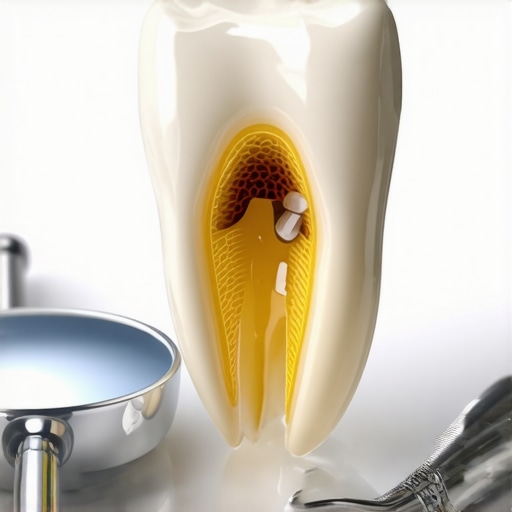
I still remember the phantom zing of a cold glass of water hitting that one tooth in the back—the one I’d been ignoring for eighteen months because I was “too busy” with work. I told myself that since I was brushing twice a day and flossing (mostly), the dentist could wait. It wasn’t until a Saturday night when the dull ache turned into a throbbing jackhammer in my jaw that I realized my mistake. That “saved” time and money from skipping my six-month appointment instantly evaporated into a multi-thousand-dollar emergency bill. Trust me, I’ve been there, and the regret is far more painful than any dental chair.
My Expensive Lesson in Procrastination
We often treat dental cleanings like an optional oil change for a car that seems to be running just fine. But your mouth isn’t a machine; it’s a living ecosystem. When I skipped those appointments, I wasn’t just avoiding a “scrape and polish.” I was allowing plaque to harden into tartar, which is basically cement for bacteria. You might notice why your teeth feel furry only a few hours after brushing, and that’s often the first warning sign that your at-home routine can’t keep up with the buildup. In my case, the mistake was thinking my high-end electric toothbrush made me invincible. I even ignored the fact that how to stop your gums from bleeding when you havent flossed in weeks is a common struggle, assuming it was just “sensitive gums.” Spoiler alert: it wasn’t. It was early-stage gum disease. By the time I finally sat in that chair, the hygienist wasn’t just cleaning; she was performing a rescue mission. Beyond just the localized pain, research has shown that the stakes are much higher than just a cavity. According to the Mayo Clinic, oral health is a window into your overall health, with links between gum disease and systemic issues like heart disease and diabetes.
Is a professional cleaning actually worth the hassle?
I get the skepticism. You feel fine, your breath is okay, and you’d rather spend that hour doing literally anything else. But think of it as a preventative strike. When you visit a family dentistry practice, they aren’t just looking for holes in your teeth. They are checking for oral cancer, inspecting the integrity of old fillings, and ensuring you don’t end up needing veneers vs crowns later down the line. Have you ever found yourself putting off an appointment only to regret it when a minor ache became a major problem? I’d love to hear if I’m not the only one who learned this the hard way. We’re going to break down the real math of dental neglect—not just the dollars, but the biological toll. Before you decide to push that reminder card to the back of the junk drawer again, let’s look at what’s actually happening under the gumline when you “save” time by staying home.
Stop the Bacteria Before It Turns Into Cement
The first step is realizing that your toothbrush is a broom, but the dentist has the pressure washer. When I finally went back after my long hiatus, my hygienist explained that no matter how hard I scrubbed, I was only moving the ‘soft’ plaque around. Once it minerals into tartar, it’s basically part of your tooth. This is exactly why your gums are receding despite brushing twice a day. You are fighting a biological battle with a dull blade while the bacteria are building fortresses under your gumline.
The Three Stages of Reclaiming Your Smile
When you finally sit in that chair, the process is less about a simple polish and more about structural restoration. Think of your dental health like a house foundation. You wouldn’t spend money painting the walls if the basement was flooding. This is where many people go wrong—they search for teeth whitening secrets for a sparkling smile before they’ve even addressed the underlying inflammation. I fell into this trap myself, buying every whitening strip on the market, only to realize the ‘yellow’ wasn’t just coffee stains; it was tartar buildup that no strip could touch.
The first phase is scaling. This involves using specialized ultrasonic tools that use high-frequency vibrations to shatter the tartar bond. It’s a physical removal process that you simply cannot replicate at home. If you’ve ever wondered why your teeth feel furry only a few hours after brushing, it’s because that layer of biofilm has already started to colonize. The scaling process resets this biological clock to zero.
#IMAGE_PLACE_HOLDER_B#
Why Your Gums Keep Bleeding Even After You Brush
Many people get discouraged when they see blood in the sink, assuming they are simply brushing too hard. While that can happen, it’s more likely a sign that the bacteria have moved into the gingival pockets. I remember during my ‘rescue mission’ cleaning, the hygienist showed me a mirror. She pointed out areas where my gums were literally pulling away because they were trying to escape the bacterial colony. It was a wake-up call. I once even tried to ‘self-clean’ a spot with a metal toothpick—a terrible mistake that left a scratch on my enamel and caused a week of intense sensitivity. Professional care is about precision, not force.
Straight Talk About Alignment and Whitening
Once the foundation is stable and the infection is gone, you can finally focus on your aesthetic goals. This is the stage where Invisalign innovation becomes a practical tool rather than just a cosmetic one. Straightening your teeth actually makes them easier to clean because it eliminates the tight nooks where plaque loves to hide. For parents, establishing these standards early by following family dentistry tips for creating a healthy smile for your kids ensures they never have to play catch-up as adults. And when you do finally reach the whitening phase, make sure you know how to manage the zingers after a professional whitening session to keep the experience comfortable and the results lasting.
Let’s talk about the ‘Hollywood Smile’ myth. Most people assume that once they get veneers or finish Invisalign, their dental worries are over. In reality, it’s like buying a high-performance sports car—the maintenance schedule just got a lot more specific. I’ve seen people spend thousands on porcelain only to realize they didn’t know how to stop your veneers from looking too white and fake. If you go too bright, the lack of translucency makes them look like plastic tabs. The American Academy of Cosmetic Dentistry (AACD) emphasizes that the most successful cosmetic work mimics the light-reflective properties of natural enamel, not a flat bathroom tile.
Don’t Fall for the ‘Toilet Seat White’ Veneer Myth
The biggest ‘oops’ factor I see is when people try to ‘freshen up’ their smile at home without realizing their existing work won’t change color. You must avoid the mistake of using whitening strips on dental bonding or porcelain. The chemicals won’t budge the shade of the resin, but they might irritate the surrounding tissue, leaving you with ‘technicolor teeth’ where your natural roots are bright but your expensive dental work looks dingy by comparison. It’s also vital to stop brushing your veneers like they are real teeth; using highly abrasive ‘whitening’ toothpastes can actually scratch the surface, which explains why your porcelain veneers look dull after five years of wear.
#IMAGE_PLACE_HOLDER_C#
Why does my jaw click after starting clear aligners?
A sophisticated nuance many patients miss is the relationship between alignment and the TMJ (temporomandibular joint). Straight teeth are great, but if your bite isn’t balanced, you’re just moving the problem. This is often why your jaw feels tight every time you start a new aligner tray. According to a study in the Journal of Cosmetic Dentistry, the primary reason for long-term dissatisfaction with cosmetic procedures isn’t the aesthetics, but the ‘biological integration’—how the new dental structure affects your chewing and joint health. If your teeth look like a million bucks but your jaw pops every time you eat a sandwich, the treatment isn’t a success.
The Hidden Cost of Choosing a Dental Warehouse
When searching for providers, don’t overlook the ‘family’ aspect of family dentistry building healthy smiles for every generation. There is the subtle difference between a corporate clinic and local Culpeper family dentistry that most miss: the long-term biological record. A doctor who has seen your dental evolution over a decade is far less likely to recommend an aggressive, ‘one-size-fits-all’ treatment. Have you ever fallen into the trap of choosing a dentist based only on a social media ad or a coupon? I’d love to hear about your experience in the comments below.
Upgrade Your Toolkit to Protect Your Investment
Once you’ve put in the work to get that perfect smile, the game shifts from restoration to preservation. I used to think a manual toothbrush and some generic floss were enough, but after my first set of porcelain restorations, I realized I needed a more sophisticated arsenal. Now, I swear by a high-frequency water flosser. It’s the only way to reach the gingival margin without risking the physical trauma that aggressive manual flossing can cause to delicate gum tissue. If you are dealing with how to keep your veneers from chipping if you grind your teeth, the best thing you can do is invest in a custom-fitted occlusal guard rather than a generic one from a drugstore. The fit is the difference between protecting your smile and causing a jaw misalignment.
How do I maintain my cosmetic dental work over time?
The secret isn’t just in the brushing; it’s in managing the chemistry of your mouth. I’ve started carrying a pH-balanced mouth spray to neutralize acidity after meals, especially if I can’t brush immediately. This prevents the microscopic etching that leads to staining. For those of us using Invisalign secrets for achieving a perfect smile discreetly, the biggest hurdle is often keeping the hardware clean. You need to know the hidden reason your clear aligners have a persistent odor: it’s often trapped biofilm that a simple rinse won’t fix. I personally use an ultrasonic cleaning tank with a specialized tablet every single morning to keep the plastic crystal clear and fresh.
#IMAGE_PLACE_HOLDER_D#
Stop Using Charcoal and Start Using Science
There is a massive trend right now toward “natural” whiteners, but you have to be careful. I’ve read the data, and the truth about charcoal toothpaste and your tooth enamel is that it’s often way too abrasive for long-term use. According to the Journal of Oral Rehabilitation, the mechanical wear of highly abrasive toothpastes can reduce the protective glaze of porcelain by up to 20% over five years, leaving the material prone to chipping and internal staining. I’ve switched to a nano-hydroxyapatite toothpaste which actually helps remineralize the enamel rather than just scrubbing it away. If you still want that bright look, focus on behavioral changes like learning how to clean a reusable straw to protect your enamel so you can enjoy your iced coffee without it ever touching your front teeth.
The Future of Your Smile is Digital
I predict that in the next few years, we won’t even need to wonder if a cavity is forming. We are moving toward smart-brushes that use AI to map your mouth in real-time and send a report to your family dentistry office before you even feel a ‘zing.’ We’re already seeing this with teledentistry apps that can track aligner progress via a smartphone photo. If you’re just starting out and need to how to get rid of the plastic aftertaste from new invisalign trays, try a quick soak in a diluted peppermint oil solution—it’s a game changer for those first few days of a new tray. My advice? Pick one advanced tool today, whether it’s a water flosser or a sonic cleaner, and commit to it for 30 days. You’ll be shocked at how much cleaner your mouth feels during your next professional check-up.
The Hard Truth About Those ‘Permanent’ Smile Upgrades
After a decade of trial and error, I’ve realized that the most expensive dental work is actually the least ‘permanent’ if you treat it like a set-it-and-forget-it purchase. Here are the lightbulb moments that changed my perspective forever. First, maintenance is the real cost. Whether you choose veneers vs crowns, you aren’t just paying for the porcelain; you are committing to a higher standard of hygiene for life. Second, pain is a terrible indicator of health. By the time you feel why your wisdom teeth are causing pain in your front teeth, structural shifts or decay have often been happening for months under the surface. Finally, whitening is a chemistry game, not a brute force one. I used to think more gel meant whiter teeth, but all I got was a burned mouth. Now I know that top teeth whitening strategies today focus on contact time and custom tray fit rather than high-concentration bleach that erodes enamel.
Your New Survival Kit for the Dental Aisle
I’ve distilled my bathroom counter down to four specific tools I trust to keep me out of the emergency chair. I highly recommend a high-frequency water flosser for anyone with orthodontic work, as it is much more effective than string for reaching tight spaces. For my family, I strictly follow what parents need to know in 2025 when selecting toothpastes to ensure we are using remineralizing agents rather than just abrasive cleaners. I also suggest bookmarking the ultimate guide to teeth whitening options in 2025 to avoid wasting money on fads that don’t actually work on your specific tooth type. Finally, establishing a relationship with a practice focused on family dentistry is your best defense against the ‘revolving door’ feel of corporate dental warehouses.
The Best Time to Start Was Yesterday
It’s easy to feel overwhelmed by technical jargon or the potential cost of catching up on years of neglect. But remember: the goal isn’t just to have ‘Hollywood white’ teeth—it’s to have a functional, healthy mouth that supports your heart, your digestion, and your confidence. Don’t wait for a ‘jackhammer in the jaw’ moment like I did. Taking that first step toward consistent family dentistry care is an investment in your future self that pays dividends every time you laugh or eat a meal without fear. Have you ever put off a dental visit only to find out the problem was much simpler (or more complex) than you thought? Let me know your experience in the comments below!