
The Real Reason Your Teeth Look Gray Instead of Yellow
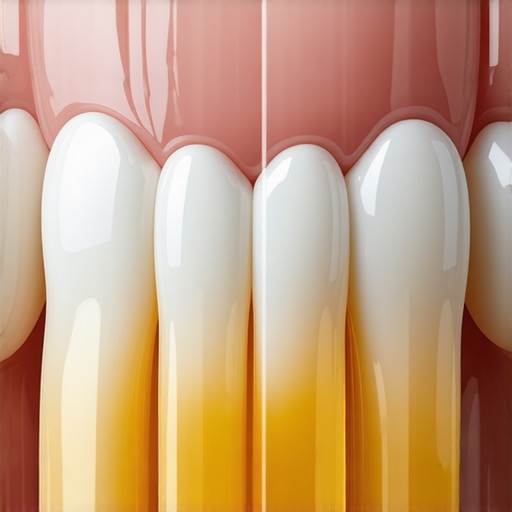
I remember sitting in my car, adjusting the rearview mirror to check my lipstick, and suddenly freezing. My teeth didn’t look like the bright, healthy smile I thought I had. They didn’t even look yellow, which I knew how to fix with a quick strip. They looked… flat. A strange, shadowy gray that made me look tired, even on eight hours of sleep. It was a total gut-punch. I had spent years thinking I just needed to ‘whiten harder.’ I would buy every drugstore kit available, hoping that if I just left the gel on for an extra ten minutes, I would finally see that crisp white glow. Instead, all I got were shooting pains in my gums and a smile that looked even more translucent and ghostly. I was fighting a battle I didn’t understand because I was treating a gray problem with a yellow solution. Today, I want to pull back the curtain on why this happens and how I finally stopped wasting money on products that were never designed to fix this specific shade of gloom. [image]
The Frustrating Reality of the Dingy Smile
When most people talk about stained teeth, they are usually picturing the warm, extrinsic yellow hue caused by too much espresso or red wine. But gray is a different beast entirely. It is moody. It is a shadow where there should be light. Early in my journey, I made the massive mistake of assuming more peroxide was the answer. I ended up needing to learn how to manage the zingers after a professional whitening session because I had blasted my enamel into oblivion with no actual color change to show for it. If you have been searching for the ultimate guide to teeth whitening options in 2025, you probably already suspect that not all stains are created equal. My ‘lightbulb moment’ happened when I realized the gray wasn’t on my teeth; it was coming from inside them.
Is this just something I have to live with?
You might be skeptical that anything can fix a grayish tint without costing a fortune. I certainly was. I used to think my dentist was just trying to upsell me when they mentioned veneers made simple. But the science is actually pretty straightforward. According to the Cleveland Clinic, teeth often appear gray due to ‘intrinsic’ staining—discoloration that lives deep inside the dentin, often caused by certain antibiotics taken as a child or even old silver fillings leaching into the tooth structure. This is also why your teeth look yellow in certain bathroom lighting but turn a cold, slate gray the moment you step into the sun. It is about how light interacts with the layers of your tooth. Have you noticed your smile looking ‘dim’ or ‘cloudy’ even after a fresh professional cleaning? I felt like I was the only one dealing with this for the longest time, but it turns out, our enamel thickness plays a huge role in this visual trickery. I even tried the ‘charcoal’ trend, which was a disaster. The truth about charcoal toothpaste and your tooth enamel is that it is often far too abrasive. If your grayness comes from thin enamel, you are literally scrubbing away the only shield you have left, making the dark dentin underneath even more visible. We have to stop scrubbing and start strategically treating the source.
Start with the Flashlight Test to Find the Source
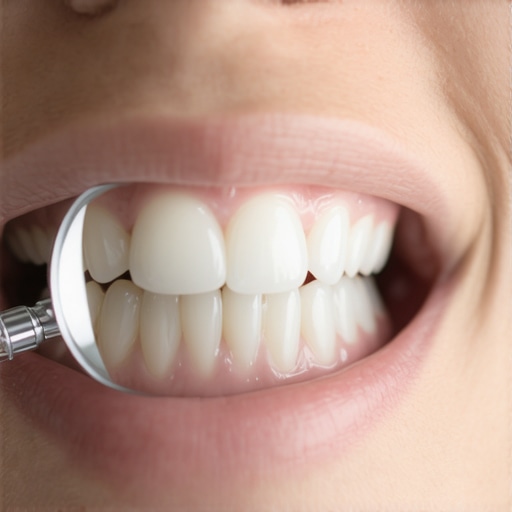
If you want to stop guessing why your smile looks dim, grab a high-powered flashlight and stand in front of a mirror. Shine the light behind your front teeth rather than directly at them. If the light passes through and the tooth looks mostly clear but with a dark, cloudy core, you are dealing with intrinsic staining. This is the crucial moment to learn how to tell if that shadow on your tooth is a cavity or a stain. For years, I ignored this simple check and just assumed I was a heavy coffee drinker. But surface stains—the extrinsic ones—actually block light, while intrinsic grayness lives inside the structure. It is like trying to clean a foggy window from the outside when the condensation is actually trapped between the double-paned glass. Once you see the gray coming from within, you can stop wasting money on abrasive toothpastes that only hurt your enamel and start focusing on deep-tissue solutions.
Why Basic Gels Can Never Reach the Dentin
I learned the hard way that high-concentration peroxide isn’t a shortcut; it is a chemical hazard if used incorrectly. I once spent a frantic week using 30% bleaching gel in a generic, boil-and-bite tray that didn’t fit my arch at all. I woke up on the fourth day with my gum tissue literally sloughing off in painful white patches. I had to frantically research how to treat a burn on your gums from whitening gel while my teeth remained the exact same shade of slate. To reach the dentin safely, you need a custom-fitted tray from a professional that creates a vacuum seal, keeping the gel on the tooth and off the soft tissue. These teeth whitening secrets for a sparkling smile in 2025 aren’t just about the strength of the chemicals; they are about the delivery system. Professional deep bleaching involves longer exposure at lower concentrations, allowing oxygen molecules to slowly migrate into the center of the tooth without nuking your nerves or burning your mouth.
Specific Strategies for Heavy Staining
For some of us, specifically those who took certain antibiotics like tetracycline as children, the gray is essentially baked into the tooth structure. If your dentist mentions this specific type of discoloration, you need to accept that a standard one-hour laser whitening session will do very little. You have to look into the best way to whiten teeth that have been stained by tetracycline, which usually involves a multi-month commitment to specialized nighttime trays. It is a dental marathon, not a sprint, requiring extreme patience and consistent application to slowly oxidize those deep-set metal ions that give the tooth its moody, dark appearance.
Consider More Permanent Masks for Stubborn Gray Shades
If the chemical marathon sounds too exhausting or your enamel is already too thin to handle more peroxide, it is time to move toward masking. This is where you stop trying to change the internal tooth color and simply cover it with a new porcelain facade. When you weigh veneers vs crowns which is right for your smile, think about how much natural tooth structure you are willing to sacrifice. Veneers are a thin porcelain shell, while crowns are a full protective cap. However, a word of caution: if you go too thin with your materials, the gray can still bleed through the porcelain. I have seen countless people complain about the reason your veneers look gray in certain lighting, and it is almost always because the underlying tooth was so dark that the porcelain was too translucent. You need a specialized opaque bonding agent to truly hide the gloom and finally give you that crisp white finish you have been hunting for.
It is tempting to think that the stronger the peroxide, the better the result. However, when dealing with stubborn gray tones, ‘power bleaching’ can actually make the situation worse by dehydrating the enamel and making it more porous, which attracts new stains faster. This is why I advocate for a slower, more methodical approach. If you are exploring teeth whitening secrets for a sparkling smile in 2025, understand that the goal isn’t just to strip color, but to preserve the refractive index of your enamel. Over-bleaching often leads to a ‘ghostly’ translucency that actually makes the underlying gray look even more prominent because the enamel has lost its ability to scatter light.
Don’t Let Opaque Veneers Ruin Your New Smile
One of the biggest ‘oops’ moments I see involves people rushing into veneers because they are tired of the gray. They end up with what I call ‘Chiclet teeth’—opaque, flat white blocks that look completely unnatural. This happens because the dental lab uses a standard porcelain without enough depth to mask the underlying darkness without sacrificing translucency. In fact, many don’t realize why your veneers look opaque and fake in flash photography until it is too late. The secret lies in using a multi-layered ceramic that mimics the way natural dentin reflects light. 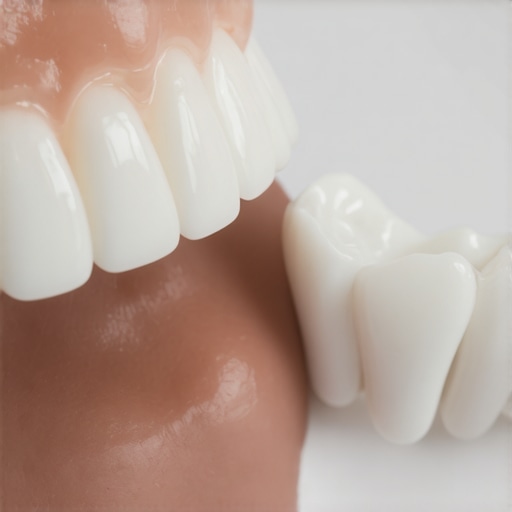 A study published in the Journal of Esthetic and Restorative Dentistry highlights that light transmission through ceramic is the most critical factor in achieving a lifelike appearance. When you are weighing veneers vs crowns which is right for your smile, you must consider the prep work involved. If your underlying tooth is dark slate gray, you need a master ceramist who understands how to balance an opaque internal core with a translucent outer shell to prevent that dreaded ‘dead’ look.
Why do my clear aligners make my gray teeth look worse?
If you are using Invisalign secrets to straighten your teeth while also trying to whiten them, you might notice a persistent cloudiness. It’s a common trap: people assume the trays will hold whitening gel perfectly, but if the trays aren’t specifically designed for bleaching, the gel leaks out. This irritates your gums while the saliva creeps in and neutralizes the peroxide, leaving the gray untouched. Furthermore, the problem with wearing your aligners for only 18 hours a day isn’t just about shifting teeth; it’s about the micro-environment created in your mouth. If you aren’t diligent with cleaning, you’ll find why your clear aligners have started to look cloudy, which further dims your smile’s appearance and makes the internal gray tones pop against the dirty plastic.
How Your Family’s Dental Habits Shape Your Aging Smile
We also need to talk about the family dynamic, because graying teeth aren’t just a cosmetic issue for adults—it starts with preventative care. As parents, we often obsess over family dentistry tips creating a healthy smile for your kids, but we neglect the fact that our own dental aging is a roadmap for them. Setting a standard for comprehensive, nuanced care—like addressing bruxism or acid erosion—is the best gift you can give the next generation. Have you ever fallen into this trap of ‘over-whitening’ only to see no change in the gray? Or perhaps you’ve struggled with how to keep your veneers from chipping if you grind your teeth? Let me know in the comments. It’s time we stop chasing ‘white’ and start chasing healthy reflectance.
Maintaining that high-end dental work isn’t just about showing up for your six-month cleaning; it’s about the tools you use in the dark at 11 PM when you’re exhausted. I learned very quickly that if you treat a premium smile with bargain-bin tools, you’re going to see why your porcelain veneers look dull after five years of wear much sooner than you would like. My absolute non-negotiable is an ultrasonic cleaner for my retainers and aligners. If you have ever wondered about the only way to stop your clear aligners from smelling like old saliva, this is it. I use a small 42,000Hz pod that uses sound waves to vibrate the plaque off without me ever having to touch them with a scratchy brush. It is a total game-changer for anyone exploring Invisalign innovation and wanting to keep those trays crystal clear.
Protect Your Investment from Nighttime Sabotage
Most of us do not realize we are literally grinding away our investment while we sleep. I did not know how to keep your veneers from chipping if you grind your teeth until I saw the micro-fractures in my own. A custom-made night guard is the only tool that actually works. According to the American Academy of Cosmetic Dentistry (AACD), consistent use of a high-quality night guard can extend the life of porcelain restorations by nearly 50% by preventing the sheer forces of bruxism from debonding the ceramic. Store-bought guards are often too bulky and can actually shift your bite, leading to jaw pain that makes you want to quit the habit entirely. 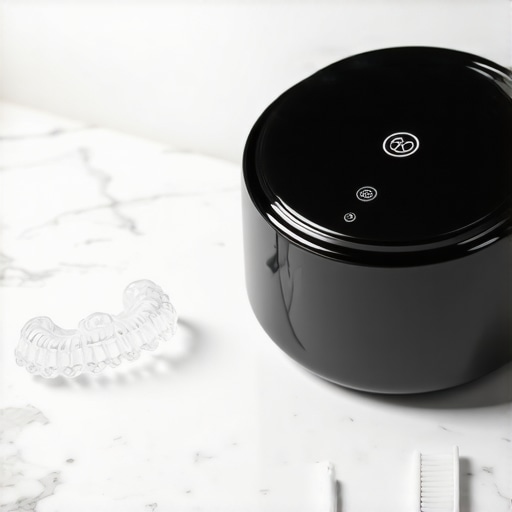
How can I keep my new smile looking fresh for years?
Consistency over intensity is the secret. You do not need the most expensive toothpaste; you need the one with the lowest Relative Dentin Abrasivity (RDA). If you are using anything with an RDA over 70, you are essentially sanding down your expensive polish every morning. I personally stick to gels that are fluoride-rich but grit-free. This is especially vital if you have transitioned to veneers made simple. You want to keep that surface glass-smooth so bacteria cannot find a foothold. I also predict that in the next few years, we will see ‘smart aligners’ that track pH levels in your mouth to alert you when you are at risk for enamel erosion—a huge leap for family dentistry building healthy smiles for every generation. Take a moment today to check your toothpaste’s RDA score; if it is not listed on the box, it is time to switch to a professional-grade gel that protects your investment.
The Hardest Lessons Learned from My Battle with Gray Enamel
After years of trial and error, I realized that grayness is a game of light and physics rather than just hygiene. First, translucency is the enemy of white; if you bleach too much, you make your teeth see-through, letting the dark shadows of your mouth show through. Second, professional-grade results require patience, not power. Switching to brighten-your-life-top-teeth-whitening-strategies-today changed everything for me because I stopped looking for a 20-minute miracle. Finally, I learned that transform-your-smile-with-veneers-expert-tips are only useful if you address the underlying shade first; you cannot simply slap porcelain over a dark problem and expect it to disappear.
What I Keep in My Daily Dental Arsenal
I’ve trimmed my routine down to the essentials that actually protect the investment. I rely heavily on an ultrasonic pod for any removable appliance—it’s the only way to ensure ensuring-family-dental-care-what-parents-need-to-know-in-2025 includes hygiene that actually works. I also recommend keeping a close eye on your toothpaste RDA (abrasivity) levels and always choosing a custom-molded guard over a store-bought one. These aren’t just luxuries; they are the gatekeepers of your enamel’s health and the longevity of your cosmetic work.
Step Into a Brighter Version of Your Smile
You don’t have to settle for a smile that feels ‘dim’ or ‘cloudy.’ Whether you choose the path of slow, deep bleaching or decide that veneers made simple is your best route, the key is to start with a plan that respects your unique biology. Your journey toward teeth whitening success shouldn’t be painful or frustrating. It should be a process of uncovering the light that was already there, hidden beneath the surface. #IMAGE_PLACEHOLDER_E# Have you ever felt like your teeth look completely different depending on the room you’re in? Let me know about your lighting struggles in the comments below!