
The truth about oil pulling for your dental health
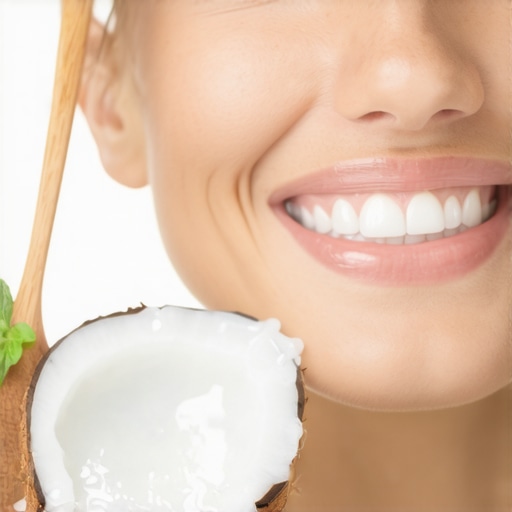
The first time I tried oil pulling, I nearly gagged. It was 2018, and I was deep into a ‘natural living’ phase, convinced that if I just swished enough organic coconut oil, I could avoid the dental drill forever. I remember sitting at my kitchen table, jaw aching—much like why your jaw muscles feel exhausted after a long day of talking—counting down the seconds of a twenty-minute session that promised to whiten my teeth and ‘detox’ my entire body. I was desperate to find a shortcut because I was terrified of traditional procedures. But after three months of diligent swishing and zero professional check-ups, I didn’t have a Hollywood smile. I had a massive cavity that ended up costing me a fortune. Today, I want to share the hard-earned reality of this ancient practice so you don’t make the same mistakes I did. We are going to look at what oil pulling actually does for your gums, where the hype falls flat, and why it can be a tool in your kit but never a replacement for your local expert.
The Day I Realized Coconut Oil Is Not a Miracle Cure
I fell for the idea that oil pulling could ‘remineralize’ my teeth. It sounds so scientific and soothing, doesn’t it? I thought I could skip the basics, but I eventually learned the real cost of skipping your six-month cleaning the hard way. While I was busy swishing, my underlying issues were just getting worse. My biggest mistake early on was assuming that because my teeth felt ‘smooth,’ they were clean. In reality, I was just coating them in fat while bacteria thrived underneath. It’s a common trap. We want the easy, at-home fix, but dental health is a bit more demanding than a spoonful of pantry staples. Have you ever spent twenty minutes a day on a wellness trend only to realize it wasn’t doing a single thing for your actual problem?
Is swishing oil actually worth your precious morning time?
The short answer is: maybe, but not for the reasons you think. Many people swear it helps with bad breath, and there is some science there. According to a study published in the Journal of Ayurveda and Integrative Medicine, oil pulling can significantly reduce the count of Streptococcus mutans—the nasty bacteria responsible for tooth decay—in as little as two weeks. However, it is not a magic eraser for stains. If you are looking for a true transformation, you are better off looking into the ultimate guide to teeth whitening options in 2025 rather than expecting a jar of coconut oil to do the heavy lifting. I spent months trying to whiten my teeth with oil, only to realize that the yellow hue was actually thin enamel, something no amount of swishing can fix. In fact, if you aren’t careful, you might misdiagnose yourself. I used to stare at my reflection, trying how to tell if that shadow on your tooth is a cavity or a stain, while oil pulling merely masked the symptoms. We need to be realistic about our goals before we commit to the ‘swish.’
Do Not Treat Oil Pulling Like Standard Mouthwash
If you are still committed to the ‘swish,’ you need to treat it like a workout, not a relaxing soak. The most common mistake I see—and the one I made myself—is using too much oil. I remember my first week, I grabbed a giant tablespoon of cold, solid coconut oil and shoved it in. It was like trying to chew a candle, and I nearly choked before the oil even melted. Instead, start with about a teaspoon. You want enough to move around, but not so much that you are struggling to keep your mouth closed. I once thought I could fix my kids’ bad breath this way, but I quickly learned the reason your childs breath smells even after they brush is usually deeper than a bit of oil can reach, often requiring the oversight of someone trained in ensuring family dental care what parents need to know in 2025.
Select Your Oil Wisely
Most people reach for coconut oil because it tastes better and has lauric acid, which is great for killing bacteria. However, traditional Ayurvedic practitioners often prefer sesame oil. I spent twenty dollars on a specialty sesame oil from a health food store that tasted like burnt toast, only to realize later that the type of oil mattered less than the mechanical action of the swish. If you have sensitive teeth, you might wonder why your teeth look yellow in certain bathroom lighting and hope oil will brighten them, but be careful—oil can’t fix intrinsic stains. If you have children, it is better to stick to professional family dentistry tips creating a healthy smile for your kids at 0915 rather than letting them experiment with oil, as they are likely to swallow it.
Swish Gently for Maximum Impact
You are not trying to win a speed-swishing contest. The goal is to pull the oil through your teeth. Think of it like a slow-motion car wash for your molars. When I first started, I swished so hard my jaw felt like it was going to lock up. Relax your facial muscles. If your jaw starts to ache, you are doing it too aggressively. If you notice a persistent mark on your tooth during this process, it is vital to know how to tell if a white spot on your tooth is a cavity or just a mark so you don’t waste time swishing when you actually need a filling.
Keep Your Pipes Safe From Clogs
This is the ‘how’ that nobody talks about until they have a three-hundred-dollar plumbing bill. Never spit the oil down the drain. It hardens back into a solid and will destroy your pipes. I learned this the hard way after my bathroom sink started backing up with a greasy, white sludge. Always spit into a trash can. After you spit, rinse your mouth with warm salt water to get the greasy residue off your tongue and gums. If you hate that ‘fuzzy’ feeling, you are likely noticing why your teeth feel furry only a few hours after brushing, which is just plaque returning. Oil pulling might delay that feeling, but it won’t stop it.
Why Pantry Staples Cant Fix Structural Issues
At the end of the day, oil pulling is a surface-level habit. It cannot move teeth or repair broken enamel. If you are dealing with misalignment, you should be looking into invisalign secrets achieving a perfect smile discreetly rather than hoping oil will straighten your bite. Similarly, if your teeth are structurally compromised, oil won’t help you choose between veneers vs crowns which is right for your smile. I used to think I could ‘heal’ a crack with coconut oil, but all I did was allow the crack to deepen until I needed a full crown. Home remedies are supplements to care, not the foundation of it.I used to think that once I graduated from coconut oil to professional treatments, my dental journey would be on rails. I was wrong. The biggest myth in cosmetic dentistry is the idea of permanent perfection. People often view porcelain as a shield, but the reason your veneers look gray in certain lighting over time often comes down to the health of the natural tooth structure hiding underneath. If you ignore the biological foundation, even the most expensive cosmetic work will eventually fail. One of the biggest oops moments I see involves DIY touch-ups on professional work. I have met people who try to brighten their smile at home after getting a chip repaired, only to realize the mistake of using whitening strips on dental bonding. The chemical agents in store-bought strips simply do not affect the composite resin, leaving you with a patchy, two-toned mess that requires a professional fix. It is a classic example of how a little knowledge can be a dangerous thing when you are trying to learn how to stop your veneers from looking too white and fake. Real artistry in dentistry is not about reaching the brightest shade on the chart; it is about matching the translucency of natural enamel.
Why did my last whitening session feel like a total dud?
It is incredibly frustrating when you invest in a professional treatment and the results are lackluster compared to a previous visit. You might find yourself wondering why your professional whitening didnt work as well as last time. Research in the Journal of Evidence-Based Dental Practice suggests that whitening plateaus are a real phenomenon; once the organic pigments in your teeth are fully oxidized, further bleaching does not yield better results and might just increase sensitivity or cause structural brittle-ness. It is not always that the whitening gel was weaker; your teeth simply reached their unique biological limit for brightness. The same logic of discipline applies to modern orthodontics. Many adults think they can cheat the clock by taking breaks, but the problem with wearing your aligners for only 18 hours a day is that teeth possess a form of ligament memory. Without constant pressure, they begin to drift back almost immediately, stalling your progress and potentially causing microscopic root damage from the constant back-and-forth movement. Have you ever fallen into this trap of thinking a professional procedure was a one-and-done miracle? Let me know in the comments. We tend to over-complicate the hacks like oil pulling while under-respecting the maintenance required for the high-end stuff. Whether you are currently ensuring family dental care what parents need to know in 2025 or considering your first set of clear trays, remember that clinical consistency beats magic every single time.
Stop Your Hard-Earned Results from Slipping Away
I used to think my standard toothbrush was enough for everything, but once I transitioned into ‘maintenance mode,’ I realized my toolkit needed an upgrade. For my veneers, I completely ditched the gritty charcoal trends and shifted to a high-end sonic toothbrush with a pressure sensor. This is crucial because why your porcelain veneers look dull after five years of wear is often just microscopic scratches from over-brushing with abrasive pastes.
How do I maintain these clinical results for the next decade?
It comes down to the chemistry of what you put in your mouth daily. According to long-term clinical studies by Clinicians Report, the leading independent dental research organization, using a toothpaste with a low RDA (Relative Dentin Abrasivity) score is the single best way to preserve the glaze on your porcelain. I personally use a pH-neutral gel that doesn’t have those tiny scrubbing beads. If you are a caffeine addict like me, you also need a strategy on how to keep your coffee habit without ruining your new veneers. I swear by using a reusable glass straw positioned toward the back of my mouth—it keeps the acids and tannins away from the front-facing surfaces entirely. For those of you finishing up with aligners, don’t let the cleaning routine slide. I have seen people use harsh soaps that cloud the plastic, but you really need to know how to clean the stubborn gunk out of your night guard or retainer using dedicated ultrasonic cleaners or gentle crystals. If you ignore this, the bacteria buildup can actually cause your gums to recede or lead to persistent odors. Keeping the whole house on track is a different challenge. Since family dentistry building healthy smiles for every generation is the goal, we have started using plaque-disclosing tablets once a week with the kids. It turns a boring chore into a science experiment, showing exactly where they missed.
The Future of Your Smile is Getting Digital
Looking ahead, I suspect we won’t even need to guess about our progress anymore. We are already seeing the real reason culpeper dentists are swapping traditional x-rays for 3d scans: the level of detail is insane. In the next few years, I bet we will have home-based scanners that sync with our phones to tell us exactly when a veneer is starting to leak or when a tooth is shifting before we can even see it. This is why it is so important to focus on how to stop your teeth from shifting after your braces come off 2 by staying bonded with your local office for long-term monitoring. My advanced tip for today? Buy a dedicated ultrasonic cleaner for your retainers or night guards; it is a forty-dollar investment that saves you from a five-hundred-dollar replacement tray.
A Few Hard Truths I Discovered at the Bottom of a Coconut Oil Jar
After years of experimenting, I have realized that oral health is less about a ‘magic swish’ and more about boring, clinical consistency. First, never confuse a lack of grit with cleanliness; I spent months thinking my teeth were healthy because they felt slick, but I was actually ignoring the truth about charcoal toothpaste and your tooth enamel and other abrasive trends that do more harm than good. Second, oil pulling is a supplement, not a substitute. If you are currently using clear aligners, you know that keeping them transparent is the real battle; you will find far more success learning how to remove turmeric stains from clear aligners without scratching them than trying to oil-pull the yellow away. Finally, listen to your body—if a trend causes jaw pain or sensitivity, stop immediately. Your biological limits are far more important than a social media trend.
My Recommended Kit for Professional Grade Maintenance
If you want to move beyond pantry staples, here is what I actually keep in my bathroom cabinet to protect my clinical results. I highly recommend an ultrasonic cleaner for anyone with removable appliances; it is truly the best way to clean your night guard so it doesnt smell and keeps bacteria from colonizing your dental work. I also suggest using a high-quality electric toothbrush with a pressure sensor to prevent gum recession, and a simple stainless steel tongue scraper, which provides much more immediate freshness than twenty minutes of swishing oil. I have also learned that the person behind the tools matters just as much as the tools themselves. Finding the right partner in your health is essential, which is why understanding the subtle difference between a corporate clinic and local culpeper family dentistry can change your entire perspective on care.
Turn Your Knowledge Into a Healthy Smile
You do not need to be a dental expert to have a perfect smile, but you do need to be a discerning consumer. While oil pulling can be a relaxing part of your morning ritual, the foundation of modern family dentistry always rests on evidence-based science and professional check-ups. Do not let a DIY trend keep you away from the dentist until a small cavity becomes a major problem. Your future self will thank you for the science-backed consistency you start today. Have you ever tried a natural dental trend that actually worked for you, or did it end in a surprise dental bill like mine? Let me know in the comments below!