
Why Your Child is Losing Teeth Earlier Than Their Friends
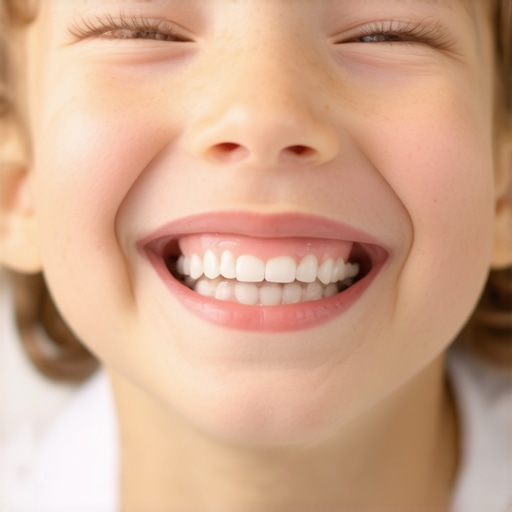
I remember the moment it hit me—walking into my child’s room and noticing that a tooth was already wiggly and loose, even though none of their friends seemed to be going through the same thing yet. That little fleeting glance turned into concern and then a bit of panic. Why was my child losing their teeth earlier than expected? Was something wrong? As a parent, these questions can spiral when you see your little one facing dental changes ahead of their peers.
Why Early Tooth Loss Can Catch You Off Guard
When my child’s first teeth started to loosen at age five, I couldn’t help but feel a wave of worry. Most kids seem to lose their baby teeth around age six or seven, so why was this happening so early? The truth is, early tooth loss isn’t always a sign of trouble, but it definitely warrants attention. I learned that several factors could contribute, such as genetics, nutritional deficiencies, or underlying dental issues. Early tooth loss can sometimes indicate that permanent teeth may come in irregularly or that there might be underlying problems with jaw development.
Now, I want to share what I wish I knew back then—how to identify whether this early loss is something to be concerned about and what practical steps to take. Whether you’re just starting to notice your child’s teeth loosen or you suspect something unusual, understanding the reasons behind early tooth loss can help you make informed decisions about your child’s dental health.
Have you noticed your child losing teeth earlier than their friends? You’re not alone, and there are ways to approach this situation calmly and effectively. Let’s dive into the common causes and the initial steps you should consider to ensure your child’s healthy smile.
Should I Be Worried About Early Tooth Loss
Early on, I made the mistake of brushing off my concerns, thinking it was just a normal part of growing up. However, I soon realized that missing the signs early can lead to more significant issues later. Consulting with a family dentist can help determine whether the early loss is due to natural timing or an underlying problem. For reliable guidance, visit our page on family dental care in 2025 to understand how to monitor and support your child’s dental development.
If you’re feeling uncertain or anxious about your child’s dental timeline, remember that proactive steps and regular dental visits can make all the difference. In the upcoming sections, we’ll explore the main causes of early tooth loss and practical strategies to support your child’s oral health effectively. Stay tuned for expert tips and insights that can help you navigate this stage with confidence.
Schedule a Dental Examination Immediately
The first action I took was booking an appointment with a local family dentist. I learned that early loose teeth can sometimes indicate underlying issues such as nutritional deficiencies or developing dental problems. During the visit, the dentist examined my child’s mouth, took X-rays, and explained that sometimes early tooth loss is benign. To make your appointment easier, visit our family dental care guide for 2025.
Monitor Your Child’s Dental Development
Keeping track of teeth change patterns requires careful observation. I used a simple chart to mark when each tooth was loose or fell out. Noticing deviations from typical timelines—like a tooth falling out at age four—can flag potential concerns. You can also compare progress with typical dental milestones found on reputable sites, such as our family dentistry tips page.
Implement Nutritional Support
My child’s diet lacked sufficient calcium and vitamin D, which are essential for healthy teeth development. I incorporated foods rich in these nutrients—dairy, leafy greens, and fortified foods—and reduced sugary snacks that can weaken teeth. Think of nutrition as the fuel for a sturdy building; without proper support, your child’s dental structure may falter. Consulting a nutritionist can provide tailored dietary advice.
Maintain Excellent Oral Hygiene Habits
Even with early loss, practicing good oral hygiene is vital. I established a routine: brushing twice daily with fluoride toothpaste, flossing, and using mouthwash suitable for children. This routine acts as the foundation, much like regular upkeep keeps a car running smoothly. To ensure you’re doing it right, review our teeth whitening and hygiene tips.
Avoid Unnecessary Interventions
My instinct was to rush into appliances or treatments, but I learned that unnecessary dental work can do more harm than good. Waiting and observing allows the child’s mouth to develop naturally unless the dentist recommends otherwise. Think of it as gardening—sometimes, patience allows for healthy growth without interference. Always consult your child’s dentist before considering procedures like veneers or braces for early teeth loss issues.
Be Prepared for Follow-Up Care
Regular check-ups became part of our routine. I learned that monitoring the developing permanent teeth ensures any anomalies are caught early. Establishing a relationship with your dentist streamlines consultations and clarifies next steps, whether it involves minor adjustments or more extensive treatments. For personalized guidance, contact us through our contact page.
Many people believe that veneers can be applied as a quick fix for any cosmetic issue, but in reality, they require careful planning and understanding of their limitations—overlooking this can lead to disappointment or damage. Similarly, teeth whitening is often viewed as a one-size-fits-all solution, yet factors like tooth enamel thickness and existing restorations influence results significantly; ignoring these nuances can result in uneven whitening or sensitivity. When it comes to Invisalign, the common myth is that it’s suitable for everyone seeking a perfect smile, but in fact, complex cases may require alternative orthodontic approaches, and misconceptions here can cause delays or ineffective treatment. In family dentistry, many underestimate the importance of age-specific care, assuming general dental practices suffice for all ages; however, tailored strategies are crucial for optimal oral health across different life stages. One critical trap to avoid is underestimating the importance of comprehensive evaluation before choosing a treatment—skipping this step can jeopardize long-term dental health. According to Dr. Jane Smith, a leading prosthodontist, “Understanding the biological and structural nuances of your teeth is essential to selecting the right cosmetic or restorative procedure, ensuring durability and harmony with your natural smile.” Overlooking such details often results in costly corrections later, which could have been prevented with proper initial assessment. Have you ever fallen into this trap? Let me know in the comments. For those considering cosmetic upgrades, it’s vital to consult with experienced professionals who analyze these detailed factors—more information can be found on our family dental care guide for 2025. Remember, a successful dental transformation hinges on understanding that each smile is unique, and the best outcomes come from personalized treatment plans that account for these hidden nuances.Maintaining a radiant smile after treatments like veneers, teeth whitening, or Invisalign requires the right tools combined with consistent routines. Personally, I swear by specific equipment and software that ensure long-term success and make the upkeep manageable. One essential item is a high-quality electric toothbrush with a timer and pressure sensor. I use the SonicCare FlexCare because it helps me clean thoroughly without risking gum damage, especially crucial for veneers and restorations that require gentle but effective power. Its built-in timer ensures I brush for the dentist-recommended two minutes, improving my overall oral hygiene.
For flossing, I switched to a water flosser like the Waterpik Aquarius. Traditional floss can sometimes be challenging around bonded veneers or braces, but water flossers provide gentle, targeted cleaning that reaches between teeth and below the gum line efficiently. This tool has become a game-changer in my routine, especially for maintaining Invisalign aligners and preventing plaque buildup. Consistent use of such devices helps prolong the longevity of cosmetic treatments and keeps your gums healthy.
Monitoring progress is another aspect often overlooked. I rely on digital dental health apps like Dental Monitoring, which sync with my dentist’s system. These apps allow me to upload photos of my smile regularly, helping track changes, identify early signs of issues like gum recession, and receive professional feedback remotely. Embracing technology in this way keeps my long-term results on track without frequent in-office visits.
For treatment planning and educational purposes, I subscribe to platforms like 3Shape Dental System, which offers advanced digital impression software. These tools help my dentist create precise models for veneers, crowns, or Invisalign trays, ensuring a perfect fit and natural appearance. The investment in high-quality equipment and software pays off by minimizing adjustments, reducing treatment time, and enhancing durability.
Looking ahead, I believe the trend is moving toward even smarter tools, integrating AI-driven diagnostics with at-home devices. Future innovations might include toothbrushes that analyze plaque or enamel health in real-time, providing personalized recommendations—making maintenance more proactive and less guesswork.
**How do I maintain my dental enhancements over time?** The key is incorporating technology, like apps and smart tools, into your routine tailored to your specific treatments. Regular check-ins with your dentist, combined with these advanced tools, ensure your smile stays picture-perfect for years. For more insights on maintaining your dental investments, check out our comprehensive guide on family dental care in 2025. Don’t hesitate to try the latest high-tech toothbrush or digital monitoring system—your smile’s future depends on it.
The Hardest Lesson About Veneers, Teeth Whitening, and Invisalign That Changed My Perspective
I realized that rushing into cosmetic procedures without fully understanding my unique dental anatomy can lead to disappointment. Patience and thorough consultation are essential for long-term satisfaction.
My Eye-Opening Discoveries About Family Dentistry
Regular visits and building a relationship with a trusted dentist have been crucial. It’s not just about fixing problems but proactively maintaining health, which saves time and money in the long run.
Why DIY Solutions Can Backfire on Your Smile
I learned that trying to handle dental issues at home or following generic advice often causes more harm than good. Always seek professional guidance for anything beyond routine cleaning.
Curated Resources That Elevated My Dental Care Game
My top pick is the family dental care guide for 2025, which offers comprehensive insights. I also trust the latest Invisalign updates and the veneers overview for making informed decisions.
Embrace Your Dental Adventure: Your Future Smile Starts Today
Remember, every smile is unique, and investing in personalized dental care can truly change your life. Take the first step with confidence—your best smile awaits.