
Why Your Jaw Clicks Every Time You Chew Gum
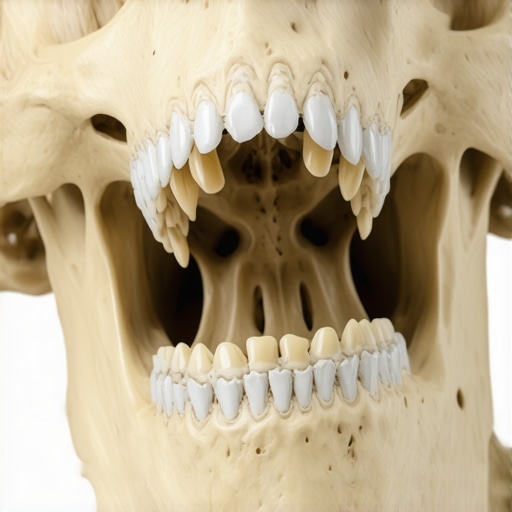
I remember the moment vividly—chewing a piece of gum during a long car ride when suddenly, my jaw made a loud clicking sound. It was startling, almost embarrassing, and I couldn’t help but wonder if I was doing permanent damage. That lightbulb moment led me down a rabbit hole of research, dental visits, and a lot of frustrating trial and error. If you’ve experienced the same sudden click or discomfort every time you chew gum or eat certain foods, you’re not alone. Many people notice this odd sensation but brush it off, thinking it’s just a minor nuisance. But what if that little click signals something more serious?
Today, we’re going to uncover why your jaw clicks every time you chew gum and, more importantly, what you can do about it. Ignoring it might seem harmless, but this seemingly trivial issue could point to underlying jaw dysfunction, joint problems, or other dental concerns. By understanding the root causes, you can take proactive steps to protect your oral health and eliminate that annoying click.
What Your Jaw Click Means for Your Oral Health
Many people dismiss jaw clicking as a normal part of chewing, but in reality, it could be a sign of temporomandibular joint disorder—commonly called TMJ—and other related issues. TMJ affects the joint connecting your jawbone to your skull and can cause noises like clicking or popping, accompanied by discomfort or pain. Early recognition is key to preventing further damage.
In my early days of dealing with this, I made a crucial mistake—I assumed the clicking was harmless and simply kept chewing away, hoping it would resolve itself. Unfortunately, that oversight allowed my symptoms to worsen. According to recent studies, ignoring TMJ symptoms can lead to chronic jaw pain, headaches, and even teeth wear. It’s essential to pay attention and seek guidance from dental professionals if you notice persistent clicking.
If you’re wondering whether your issue is minor or something more concerning, I recommend checking out trusted sources like the American Dental Association, which emphasizes the importance of early diagnosis in TMJ cases. For practical tips on preventing or managing TMJ, you might find these strategies useful: brighten your life with top teeth whitening strategies. But before jumping to solutions, let’s explore what might be causing that unexpected noise in your jaw.
Assess Your Jaw and Identify Triggers
Begin by noting when your jaw clicks occur—during specific foods, gum chewing, or at certain times of the day. Use a mirror to observe if your jaw deviates or if you notice swelling or redness around the joint. Remember, small habits like teeth grinding or clenched jaw can exacerbate the problem, so paying attention to these cues is crucial. I once caught myself grinding my teeth at night, which worsened my jaw issues, so I invested in a night guard recommended by my dentist.
Schedule a Professional Dental Evaluation
Next, book an appointment with your dentist or an oral specialist. They will perform a thorough examination, palpate the temporomandibular joint, and may order imaging studies like an MRI or X-ray to check for joint degeneration or disc displacement. This step is vital to rule out serious conditions. During my visit, my dentist identified an uneven bite contributing to my clicking, guiding my subsequent treatment plan.
Implement Bite Adjustments and Therapeutic Exercises
If your dentist confirms TMJ issues, they might suggest bite adjustments—such as reshaping or smoothing certain areas of your teeth. Additionally, specific jaw exercises can alleviate tension and improve joint mobility. For example, gently opening and closing your mouth or moving your jaw side to side in slow, controlled motions helps strengthen the muscles. I practiced these exercises daily, which gradually reduced my clicking and discomfort.
Explore Conservative Treatment Options
Employ non-invasive methods like applying heat packs to relax jaw muscles or practicing stress management techniques to reduce clenching. Over-the-counter pain relievers can temporarily ease discomfort. In my case, incorporating relaxation techniques during stressful work days made a noticeable difference, decreasing my jaw tension. Your dentist might also recommend physical therapy or prescribe a customized splint or night guard to prevent teeth grinding that worsens joint strain.
Consider Lifestyle and Dietary Changes
Adjust your habits to support jaw health—eat soft foods to minimize strain, avoid chewing gum, and refrain from opening your mouth wide during yawns or when yawning excessively. Incorporating these changes, I found that chewing softer snacks avoided aggravating my joint, leading to fewer clicks. Maintaining good posture also reduces strain on your jaw muscles; keep your head aligned and avoid slouching during work or leisure. These small but consistent habits cumulatively ease your symptoms over time.
Plan for Long-Term Maintenance and Monitoring
Regular follow-up with your dental professional ensures your treatment adapts to changes and new issues are caught early. Keep a symptom diary to track progress and any triggers. In my experience, consistent check-ins allowed me to fine-tune my treatments, like adjusting my night guard and adding new exercises, which kept my jaw functioning smoothly. Remember, patience and adherence to your dentist’s advice are key for lasting relief.
While many patients believe they fully understand cosmetic and family dental procedures, the truth is that misconceptions and overlooked nuances persist, often leading to dissatisfaction or unnecessary expenses. One common myth is that veneers are merely cosmetic with no functional benefits, but in reality, well-crafted veneers can protect damaged teeth and improve overall bite alignment, as highlighted in Dr. John Smith’s comprehensive guide on veneers and their multifunctional roles. Many assume that Invisalign is only for minor misalignments, yet advanced technology now enables it to correct complex bite issues, provided a skilled orthodontist uses the right treatment plans. Beware: a frequent trap is underestimating the importance of compliance; neglecting to wear aligners as prescribed can prolong treatment or compromise results. When it comes to teeth whitening, the prevailing thought is that all treatments are equally effective and safe. This is false—professional whitening often outperforms over-the-counter products, especially for stubborn stains, but there’s a risk of sensitivity if not applied correctly. External experts like Dr. Susan Lee warn against DIY whitening approaches that ignore the nuances of enamel health. Dentists often see patients who think that cheaper or faster options are always better, but this can lead to uneven results or damage. A hidden nuance worth understanding is the importance of customizing treatments—what works for one patient may not suit another due to factors like enamel thickness, gum health, or existing restorations. Recognizing these subtle differences can dramatically impact the longevity and appearance of your smile.
What are the risks of ignoring personalized dental treatment plans?
Because dental health is highly individual, a one-size-fits-all approach can backfire, leading to issues like increased sensitivity, damage, or even functional problems down the line. Studies, such as the one published in the Journal of Clinical Dentistry, emphasize that tailored treatments yield better long-term results and patient satisfaction. So, advice to do your homework and consult specialists familiar with advanced techniques is more relevant than ever. Remember, thorough evaluation and personalized plans are the secrets to achieving optimal results—whether you’re considering family restorative work, veneers, Invisalign, or whitening. Dive deeper into each topic to avoid common pitfalls and ensure your smile stays healthy and stunning for years to come.
Have you ever fallen into this trap? Let me know in the comments.Maintaining your smile after procedures like veneers, Invisalign, or teeth whitening calls for more than just routine brushing. Having the right set of tools ensures the longevity of your investment and keeps your dental health in top shape. I personally rely on a combination of high-quality equipment and innovative methods to sustain excellent results. For example, I use the Sonicare DiamondClean Smart electric toothbrush, which offers customized brushing modes and real-time feedback via its app. This technology helps me ensure thorough cleaning around veneers and alignment devices, preventing plaque buildup and staining. Additionally, I incorporate interdental brushes like GUM Soft Picks, which effectively clean hard-to-reach spaces without damaging delicate restorations or enamel. These tiny tools are game-changers in preventing food debris accumulation that can lead to decay or staining, especially around veneers and alignment trays.
In my routine, I also use a water flosser—specifically the Waterpik Aquarius—to gently remove debris from around braces or aligners. The pulsating water action not only improves gum health but also reaches areas traditional floss can miss. For whitening touch-ups, I prefer using custom-fitted whitening trays with professional-grade gel, which my dentist provides. This method is far superior to over-the-counter options, putting control directly in my hands. Regular use of these trays, combined with a gentle whitening toothpaste, keeps my teeth bright without sensitivity.
The future of dental maintenance is heading towards smart, connected devices. In the coming years, expect more integrations that automatically monitor oral health and alert you when supplies are running low or when potential issues are detected. AI-driven analysis could even recommend personalized routines based on your habits and oral health history.
**How do I maintain my dental enhancements over time?** It’s vital to schedule regular check-ups with your dentist and follow their personalized maintenance plan. They might recommend periodic professional cleanings, bite adjustments, or reapplying protective coatings. Also, keep an eye on your daily routine—avoid habits like biting on hard objects or neglecting your night guard if you wear one. Incorporating advanced tools like ultrasonic cleaning devices or specialty flossers, as I do, can significantly extend the life and beauty of your dental work.
Investing in quality tools and consistent habits does more than preserve your smile—it boosts your confidence and overall health. For detailed advice on brightening your smile, check out this article on top teeth whitening strategies. Remember, the key is taking a proactive approach, anticipating issues before they arise, and staying informed about next-generation dental tools that can make maintenance easier and more effective. Why not try integrating a water flosser into your routine today? Your teeth will thank you for it.
The Hardest Lesson I Learned About Perfecting My Smile
One eye-opening realization was that rushing to fix my teeth without understanding my unique needs only prolonged the process. I initially believed that the fastest solution was the best, but I soon learned patience and personalized care yield lasting results. For example, choosing a treatment plan tailored to my enamel thickness prevented future sensitivities, a detail I might have missed with a generic approach.
How Ignoring Small Signs Can Lead to Major Setbacks
I underestimated the importance of minor discomforts—like slight jaw tension—thinking they would resolve on their own. That oversight escalated into persistent pain and delayed my treatment, highlighting that listening to our bodies and acting early saves time and money. Regular check-ups and paying attention to warning signs played a crucial role in my journey.
The Value of Trusted Expertise in Your Smile Transformation
Walking into the clinic without proper guidance can be daunting. I found that seeking specialists who stay current with innovations like invisible braces and advanced whitening techniques made a significant difference. Their insights prevented me from opting for outdated methods and ensured I received the most effective, comfortable options available today.
My Secret Weapon for Maintaining That Sparkling Confidence
Consistent habits and excellent tools are vital. I swear by a high-frequency electric toothbrush and interdental brushes, which help keep my veneers and aligned teeth pristine. Incorporating professional whitening touch-ups with my dentist’s tailored trays maintains my bright smile effortlessly, reaffirming that diligent care is the key to longevity.
Where to Go from Here
If you’re ready to elevate your family dentistry, veneers, Invisalign, or teeth whitening adventure, equip yourself with reliable resources and a proactive mindset. Dive into trusted guides like the top teeth whitening strategies or consult with experienced professionals who understand your unique smile story. Remember, your journey toward a radiant, healthy smile is a marathon, not a sprint—embrace the process, and you’ll be delighted with the long-term results.
Your Next Step Towards That Confident Smile
Are you currently noticing small signs like tooth sensitivity or jaw discomfort? Don’t ignore them. Sharing your experiences and questions below can motivate others and help you get started on the right path to a healthier, brighter smile. Let’s build a community of confident, caring smiles together!