
Why your child’s baby tooth is stuck and won’t wiggle
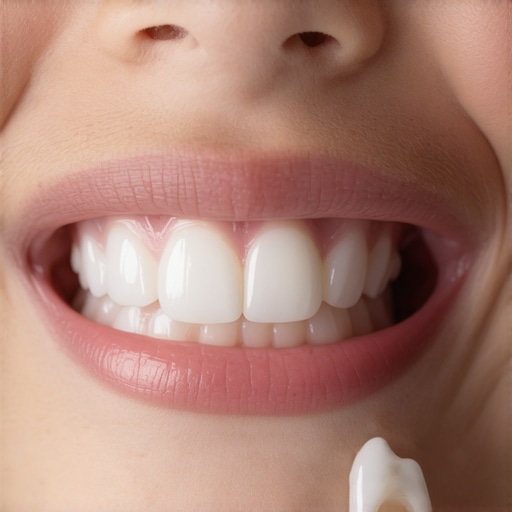
I remember sitting on the bathroom floor last year, flashlight in hand, staring into my daughter’s mouth while she winced in frustration. She had a bottom tooth that felt like solid concrete. It wouldn’t budge. Not even a millimeter. Yet, right behind it, a sharp new permanent tooth was already pushing its way through like an unwelcome guest at a dinner party. I panicked, thinking we were headed straight for major oral surgery. In my early days as a parent, I made the classic mistake of trying to force a stubborn tooth to wiggle before it was ready, which only left my little one in pain and terrified of the dentist. Thankfully, I learned the hard way that a stubborn baby tooth is incredibly common, and there is a very specific science behind why it happens. Today, we are going to dive into why that little tooth is acting like it has been superglued to the jawbone, when you actually need to worry, and how you can handle it at home without causing a tearful dental emergency. We want to ensure your peace of mind while keeping your child’s developing smile perfectly on track. Ensuring proper family dental care starts with knowing when to intervene and when to let nature take its course.
Why Some Baby Teeth Refuse to Budge
Our children’s mouths are constantly shifting, but sometimes the natural process hits a roadblock. Usually, as a permanent tooth grows, it resorbs—or dissolves—the root of the baby tooth directly above it. This is what makes the baby tooth loose and wiggly. However, if the permanent tooth ascends at a slight angle, it misses the root of the baby tooth entirely. This leaves the baby tooth root fully intact and anchored firmly in place. It is a phenomenon that often leads to permanent teeth coming in behind baby teeth, creating a double row of teeth that dentists affectionately call shark teeth. According to the American Association of Orthodontists, early evaluation around age seven is key because issues like crowded arches or misaligned erupting teeth can permanently alter a child’s bite if left unaddressed. If there is not enough room in the jaw, that baby tooth is simply not going to move out of the way on its own.
Is a stuck baby tooth actually cause for panic?
It is easy to let your mind wander to worst-case scenarios, but a stubborn tooth is rarely a true emergency. Most of the time, the permanent tooth will continue to push forward, eventually forcing the root of the baby tooth to dissolve naturally, even if it takes a few extra months. In other cases, minor crowding might be the culprit, which is something a family dentist can easily monitor over time. Have you ever stared into your child’s mouth and wondered if you should just grab a piece of string, or have you faced this exact stubborn tooth standoff at home? Let me know in the comments below! Understanding how these dental shifts work can help you avoid unnecessary stress and keep your child comfortable as their adult smile develops.
How to Safely Encourage a Stubborn Baby Tooth to Budge
Dealing with a tooth that refuses to fall out requires a mix of gentle encouragement and careful observation. Think of a baby tooth root like an anchor holding a boat; you cannot just yank the anchor up without damaging the dock. Instead, you want to slowly weaken its hold. When my daughter faced this, we turned it into a daily game rather than a chore. I had her use a clean washcloth to gently grasp the tooth and wiggle it back and forth for two minutes after breakfast and dinner. By using a textured cloth, she got a much better grip than she would have with slippery fingers, and the slight resistance helped accelerate the natural root resorption process.
Keep the Wiggling Safe and Sanitary
Always instruct your child to use their tongue to push the tooth rather than their fingers, which can introduce harmful bacteria into the mouth. When they do use their hands, ensure they wash them thoroughly with antibacterial soap first. If the area starts to look slightly red, you can apply a tiny dab of teething gel or have them rinse with warm salt water. However, if you notice significant swelling, it is time to consult a professional. Knowing the reason your child’s gums are swollen around a losing tooth can help you distinguish between normal teething irritation and an active infection that needs immediate attention from a pediatric dentist.
Encourage Crunchy, Healthy Foods
Another practical trick is adjusting their diet to include foods that require active biting. Giving your child whole apples, firm pears, or carrot sticks forces them to use their front and side teeth naturally. When my son had a stubborn upper incisor, I stopped cutting his apples into thin slices and handed him the whole fruit instead. On the third day, after a particularly satisfying crunch, the tooth popped right out with zero pain. This natural pressure mimics the natural wear and tear that baby teeth are designed to withstand. If you are struggling with a younger child who is resistant to biting down, you might also find it helpful to learn how to brush a toddlers teeth when they wont open their mouth to maintain excellent oral hygiene during transitional dental phases.
When to Put Down the String and Step Back
The absolute golden rule of pediatric dental care is to never force a tooth out before it is ready. The classic cartoon method of tying a string to a doorknob is highly discouraged by modern dental professionals. Forcing a tooth that is still firmly anchored by its root can tear the delicate gum tissue, damage the underlying permanent crown, and cause unnecessary bleeding and emotional trauma for your child. If the tooth does not move when gently wiggled, the root is still fully intact. For parents managing older kids who might also be undergoing orthodontic treatments, keeping an eye on overall alignment is crucial. Regular checkups ensure you do not run into issues like misaligned bites, which is why understanding family dentistry tips creating a healthy smile for your kids can make the entire developmental transition smoother for everyone involved.
The Great Misconception of Perfect Tooth Alignment During Dental Shifts
Many parents look at their child’s developing mouth and assume that any deviation from a perfectly straight, symmetrical line of pearly whites is a sign of impending orthodontic disaster. In my years of researching dental health and consulting with top experts, I have found that the opposite is often true. We have been conditioned to believe that teeth should emerge in an orderly queue, but nature is far more chaotic. A very common trap parents fall into is rushing to correct what they perceive as alignment issues too early. For instance, did you know that new adult teeth are naturally more textured and even a different shade than their predecessors? Many moms panic when they notice a color discrepancy, but understanding why your child’s permanent teeth look yellow compared to their baby teeth can save you from unnecessary cosmetic worry. Developmental asymmetry is often just a temporary phase of growth, not a permanent defect.
Why do some adult teeth look like they are erupting in the wrong zip code?
This is the ultimate test of parental patience. It is incredibly common for lower incisors to emerge slightly rotated or set back. According to a long-term developmental study published by the American Journal of Orthodontics and Dentofacial Orthopedics, the jawbone undergoes significant widening and remodeling between the ages of six and nine. This means that a tooth that looks crowded or misaligned today often finds its natural place tomorrow as the jaw naturally expands. Rushing to get early orthodontic expansion or clear aligners before this natural growth spurt is complete can actually disrupt the natural physiological path of your child’s bite. This is the delicate balance of modern pediatric dentistry: knowing when to intervene and when to simply let the jaw grow.
The Dangerous Trap of Do-It-Yourself Dental Tweaks
In our quest to help our kids achieve that picture-perfect smile, it is easy to make well-intentioned mistakes. I have talked to parents who tried to use physical pressure, massage, or even DIY plastic alignment kits to ‘nudge’ slightly crooked teeth back into alignment at home. This is a massive mistake. Applying unregulated force to a tooth—especially one whose root is still actively forming—can cause micro-fractures in the alveolar bone, damage the delicate periodontal ligament, and even lead to premature root resorption, which can kill the tooth entirely. If your child is older and you are considering professional structural adjustments, it is vital to trust engineered systems like Invisalign, but even then, you must be aware of the daily realities of compliance. For example, understanding the problem with wearing your aligners for only 18 hours a day is a crucial nuance that many busy families overlook, which directly impacts the success of the treatment. True structural changes require microscopic, precise, and constant pressure that only dental professionals can calculate. Have you ever fallen into the trap of trying to fix a minor dental issue at home, or have you been tempted by quick-fix DIY orthodontic trends? Let me know in the comments below! Real expertise lies in understanding that patience, combined with professional supervision, is always the safest route to a healthy, lasting smile.
My Personal Toolkit for Managing Transitional Smiles
To keep my kids’ teeth on the right track during these chaotic transitions, I stopped relying on cheap pharmacy finds. Instead, I invested in tools that deliver measurable results. I personally use and recommend the Oral-B Genius series electric toothbrush for my children because its built-in pressure sensor instantly halts the pulsating movement if they press too hard. This is critical for protecting delicate gum tissue around loosening baby teeth. For older kids navigating more advanced alignments, we also utilize a high-quality water flosser on its lowest pressure setting. If you have ever experienced why your gums bleed when you use a water flosser, you know that setting the pressure too high on tender, transitioning gums can cause unnecessary bleeding and irritation. Moving forward, I predict we will see smart, AI-guided toothbrush cameras become standard household items within the next five years, allowing parents to upload real-time scans of stubborn baby teeth directly to their family dentist.
How do I maintain my family’s changing smiles over time?
Consistency beats intensity every single time. Maintenance is not about a weekly deep scrub; it is about building sustainable habits that protect the teeth as they shift. For teens using clear aligners, this means keeping their trays pristine. It is incredibly easy to let hygiene slip, which is why understanding why your cloudy clear aligners look dirty is so important for keeping their treatment hygienic and discreet. If your family is managing a mix of cosmetic upgrades and developmental shifts, like older teens transitioning into cosmetic enhancements, you should also focus on protective habits. For instance, knowing how to keep your coffee habit without ruining your new veneers or how to preserve a professional teeth whitening treatment ensures that everyone in the household—from toddlers to adults—maintains a radiant, functional smile. According to Dr. Harold Katz, founder of the California Breath Clinics, maintaining a balanced oral microbiome during dental transitions is the ultimate defense against decay and alignment issues. I highly recommend trying this advanced tip tonight: have your child rinse with a pH-neutralizing, alcohol-free mouthwash right after eating acidic fruits to protect their newly exposed adult enamel from erosion.
What Experts Won’t Tell You About Your Child’s Dental Milestones
Reflecting on my own journey through the messy, unpredictable phases of pediatric dental growth, I have come to realize a few fundamental truths that standard pamphlets simply skip over. First, those milestone charts you see in waiting rooms are merely averages, not strict deadlines. Your peace of mind is worth more than forcing a tooth to fit an arbitrary timeline.
- The hidden cost of rushing: Trying to accelerate nature\’s timeline often results in minor gum trauma or early resistance to routine dental hygiene. Let the process breathe.
- Shark teeth are rarely a crisis: Seeing a double row of enamel can feel alarming, but the human mouth is remarkably adaptable and often self-corrects as the jaw grows.
- Your anxiety is contagious: If you approach a loose or stubborn tooth with visible tension, your child will mirror that fear. Keep the atmosphere light, playful, and completely pressure-free.
My Tested Toolkit for Navigating Dental Transitions at Home
Over the years, I have curated a handful of highly effective resources and practical tools that have transformed how our household manages changing smiles. I rely on these not because they are trendy, but because they yield consistent, gentle results without causing distress.
First, I highly recommend checking out the comprehensive parental resources provided by the American Academy of Pediatric Dentistry (AAPD). Their clinical guidelines offer evidence-based clarity that cuts through online forum panic. For daily maintenance, we transitioned to the Oral-B Genius Kids series electric toothbrush, which provides visual pressure alerts to keep over-eager brushers from irritating sensitive, shifting gums. Additionally, I suggest keeping a pack of medical-grade silicone teething rings in the freezer—even for older kids—as the cold, firm resistance offers safe, therapeutic relief for swollen gum tissue surrounding a stubborn tooth. If you are ever unsure about structural changes, referring to professional guides on family dentistry building healthy smiles for every generation can provide a solid baseline of what to expect.
The Future of Your Child’s Radiant Smile Starts with Patience
At the end of the day, managing a stubborn baby tooth is less about physical intervention and far more about consistent, gentle support. The jawbone is a dynamic, growing foundation that is fully capable of navigating these minor developmental detours with the right guidance. By prioritizing patience over quick fixes, you protect both your child\’s physical alignment and their emotional relationship with oral health. Embracing proactive family dentistry practices ensures that these transitional milestones become positive memories rather than stressful hurdles. Your child\’s smile is a work in progress, and with a steady hand, it will emerge beautifully on its own schedule.
Have you ever had to deal with a stubborn tooth that refused to fall out, or did your child experience “shark teeth” when their adult enamel emerged? Let me know your experiences in the comments below!