
Why Your Gums Bleed Only When You Use an Electric Toothbrush
I’ll never forget the morning I decided to finally retire my old, fraying manual toothbrush. I had just finished reading about ensuring family dental care and felt inspired to upgrade my daily routine. I spent way too much money on a sleek, vibrating gadget that promised professional-grade cleaning. I pressed the power button, moved it along my gum line, and within thirty seconds, the white foam turned bright pink. I panicked. I thought I was doing everything right—I even had veneers on my mind for the future—but here I was, seemingly wounding myself with a tool meant to help. Why was this happening now when my cheap manual brush never caused a drop of blood? It felt like a betrayal of my investment.
Stop Blaming the Battery and Look at Your Pressure
It’s a bizarre feeling when you’re trying to be proactive about your health and your body literally bleeds in protest. You might be sitting there thinking your gums are just sensitive or that the brush is far too powerful for your mouth. I made the classic mistake of treating my electric brush exactly like a manual one. I was scrubbing. Hard. According to the American Dental Association, electric toothbrushes are specifically designed to do the micro-movements for you, meaning that applying extra manual pressure is not only unnecessary but often harmful to the delicate gingival tissue. If you’ve ever wondered why your gums are receding despite brushing twice a day, this over-scrubbing habit is usually the primary culprit. Today, we are going to figure out exactly why those bristles are triggering a minor crime scene in your bathroom and how to fix it without going back to your old manual ways. Have you ever looked at the sink after a fresh brush and wondered if you’ve accidentally brushed off a layer of skin?
Is that expensive toothbrush actually worth the hassle?
I get it. You spent a significant chunk of change on a device and now you’re wondering if you should have just stuck to the two-dollar plastic sticks. You might even be worried that you’re making your bleeding gums worse every time you hear that motor hum. Early on, I almost threw mine in the trash because I thought my gums were just manual brush gums and couldn’t handle the high-tech life. The truth is, the vibration isn’t the enemy; it’s the technique. It’s about as different as driving a manual car versus an automatic—you have to let go of the control a little bit to get the best performance. Whether you’re trying to keep your teeth whitening results sparkling or just maintaining a healthy routine, the learning curve is real. The problem isn’t the brush, but the way we use it when we’re stressed or in a rush. I’ve been there, hovering over the sink, wishing I knew how to stop your gums from bleeding instantly. Stick with me, because once you tweak your grip and your angle, that pink foam will disappear for good.
Stop Sawing and Start Guiding Your Brush
The biggest mental hurdle is realizing that you aren’t the one doing the work anymore. With a manual brush, you are the motor. With an electric one, you are merely the pilot. I remember the first time I consciously tried the ‘no-scrub’ method. I felt like I wasn’t even cleaning my teeth. I was so used to that aggressive, back-and-forth friction that the gentle glide of the oscillating head felt suspiciously lazy. But when I rinsed, the water wasn’t pink. My teeth felt just as clean—if not cleaner—because the bristles were actually allowed to do their job without being crushed flat against my enamel.
Trade Your Fist for a Pencil Grip
If you’re wondering why your gums feel sore after switching to a harder toothbrush or a high-powered electric model, check your hand. Most of us grab the handle with a full-fist grip, which naturally invites us to use our shoulder and bicep to push. Instead, try holding the brush with your fingertips, almost like a conductor’s baton or a pencil. This simple shift in physics makes it physically difficult to apply too much force. Whether you are caring for veneers or just your natural teeth, this ‘feather-touch’ ensures you aren’t wearing down the delicate junction where your tooth meets the gum.
Target the 45-Degree Angle at the Gum Line
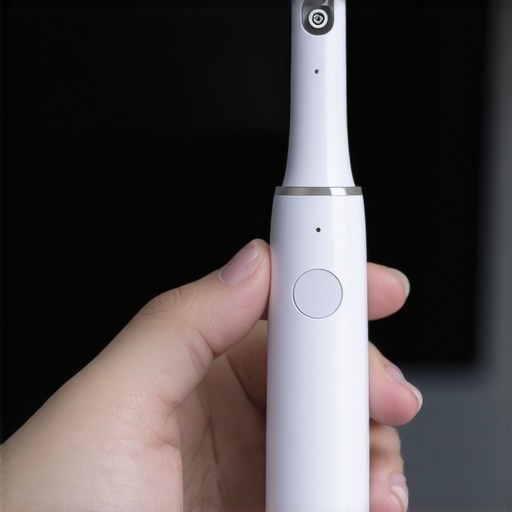
Don’t just aim for the flat surfaces of your teeth. The real action happens at the margin. Angle the brush head at 45 degrees so the bristles can gently slip just beneath the gum line. This is where plaque hides and causes the inflammation that leads to bleeding. If you’ve ever dealt with why your jaw aches every time you wear your new invisalign tray, you know that your mouth is sensitive to pressure. Treat your gums with that same respect. Spend about five seconds on each tooth surface, letting the vibrations break up the biofilm. If you move too fast, you’re just skimming the surface and missing the very bacteria that trigger the bleeding response.
Protect Your High-End Dental Work with Finesse
For those of us investing in a better smile, technique is non-negotiable. If you’ve followed teeth whitening secrets or spent years in braces, the last thing you want is to cause recession. I learned this the hard way when I noticed a tiny gap appearing at the top of a tooth. I thought it was age, but my dentist pointed out I was literally brushing my gums away. When you are ensuring family dental care for your kids, teach them the ‘stall and move’ technique: place the brush, count to three, and move to the next tooth. This prevents the habitual scrubbing that ruins both natural enamel and veneers vs crowns longevity alike. If you are currently using invisalign innovation, keeping those attachment points clean without irritating the gums is much easier when you let the brush do the heavy lifting.
Watch the Light or Listen for the Pulse
Most modern brushes have a built-in snitch. If yours has a pressure sensor that flashes red or changes the motor sound when you push too hard, pay attention to it. I used to ignore mine, thinking I knew better than the machine. It wasn’t until I forced myself to brush for a full two minutes without triggering the sensor once that the sensitivity finally subsided. This is especially important if you’re trying to figure out how to stop your gums from bleeding. It takes about two weeks for the tissue to heal. During that fortnight, treat your mouth like it’s recovering from a minor injury—because, in a way, it is.
Let’s dig deeper into why we often over-correct our smiles in the pursuit of perfection. I’ve seen so many people—myself included—get caught in the cycle of ‘more is better.’ If a little whitening is good, then a lot must be great, right? Unfortunately, that is where many of us start to do real damage. The biggest nuance in modern aesthetics is knowing exactly when to stop. Take transforming your smile with veneers, for example. A common myth is that once you have porcelain, you are ‘safe’ from staining or decay. But while the porcelain itself is famously resistant, the margin where it meets your natural tooth is a literal magnet for plaque if your technique is off. I once thought my new smile was bulletproof until my dentist showed me how my aggressive scrubbing was actually irritating the very foundation my veneers sat on.
The Grayish Trap of Over-Bleaching Your Enamel
One of the most counterintuitive ‘oops’ factors in dental care is the whitening trap. Most people believe they can just keep applying strips or gels until they hit a neon-white shade. However, according to experts at the American Academy of Cosmetic Dentistry, over-using peroxide can actually strip away the vital minerals in your tooth structure, making the enamel more translucent. This is exactly why your teeth look gray instead of yellow after too many treatments. You’re literally seeing the dark shadows of the inside of your mouth through your thinned-out enamel. It’s a heartbreaking mistake: you spend a fortune trying to look brighter and end up looking older because you’ve lost the natural opacity of a healthy tooth. If you are also making the mistake of using whitening strips on dental bonding, you’ll notice an even weirder effect—your real teeth will lighten while the resin stays the same, leaving you with a mismatched, patchy smile.
Why does professional whitening sometimes cause ‘zingers’ but home kits don’t?
This is a question I hear all the time. The ‘zingers’ or sharp flashes of pain usually happen because professional-grade gels are designed to open the microscopic pores in your enamel to reach deep stains. While home kits are weaker, they often cause more long-term gum irritation because the trays don’t fit perfectly, allowing the chemicals to sit on your soft tissue for hours. If you’ve been searching for teeth whitening secrets, the real secret isn’t a higher concentration of bleach; it’s the hydration of the tooth before and after the session to prevent those nerve shocks. Have you ever fallen into this trap of over-whitening only to realize your teeth looked worse? Let me know in the comments.
Advanced Insights for the Whole Family
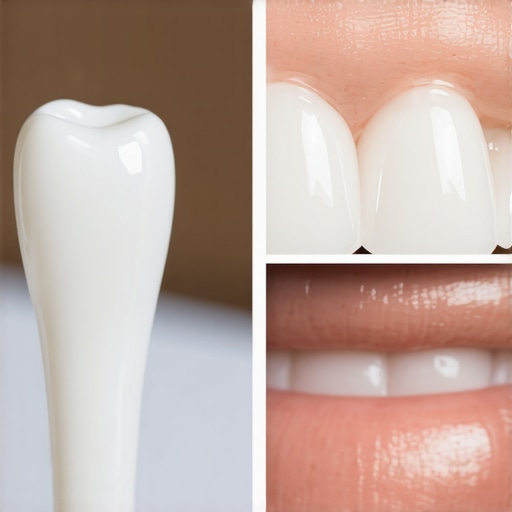
When it comes to ensuring family dental care, there’s a prevailing contrarian view that we shouldn’t actually strive for a 100% sterile mouth. Modern research into the oral microbiome suggests that over-cleaning—especially with harsh alcohol-based mouthwashes—can kill off the beneficial bacteria that naturally fight decay. This is especially important for parents to understand when choosing between providers. There is a subtle difference between a corporate clinic and local Culpeper family dentistry: the latter often takes a more holistic view of your child’s biological balance rather than just filling every shadow they see on an X-ray. Whether you are managing invisalign innovation or just standard cleanings, remember that your mouth is an ecosystem, not a kitchen counter that needs to be bleached into submission.
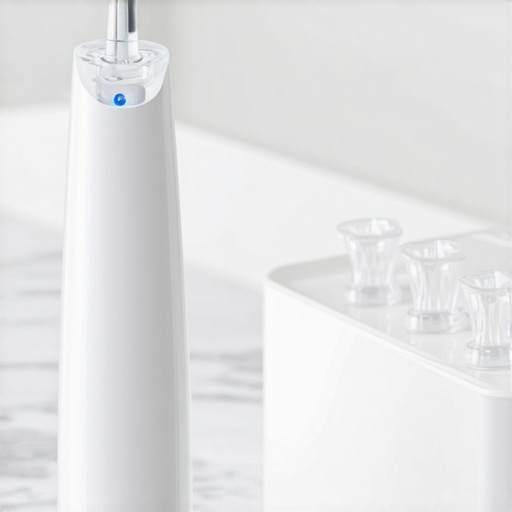
It took me years to realize that the tool is only as good as the maintenance routine behind it. While I love my Sonicare, I’ve found that the real game-changer for anyone managing veneers or invisalign innovation is the water flosser. I specifically use the Waterpik Aquarius because it allows for a granular pressure setting. I keep mine at a ‘4’—it’s the precise level where it clears debris from under a bridge or around aligner attachments without blasting the gums into a state of inflammation. If you’ve ever felt like your veneers feel like they are catching on your tongue, it’s often just microscopic plaque buildup that a standard brush simply can’t reach.
The One Tool That Saved My Porcelain Margins
I used to be a string-floss purist until I read a study in the Journal of Clinical Periodontology stating that water flossing can be significantly more effective at reducing gingival bleeding than traditional methods. For those of us who have invested in family dentistry to get our smiles perfect, the water flosser is the insurance policy. It’s not just about the teeth; it’s about the bone and tissue support. I’ve noticed that when I use my water flosser before my electric toothbrush, the bristles can actually reach the enamel surface rather than just pushing a wall of gunk around. It’s also the only way I’ve found to effectively learn how to keep your coffee habit without ruining your new veneers, as it flushes away those acidic tannins before they have a chance to settle into the margins.
How do I maintain my professional results over time?
Maintenance isn’t a one-and-done deal; it’s about the rituals you perform when you’re tired at 11:00 PM. If you are using invisalign secrets to straighten your teeth, your biggest enemy isn’t the trays—it’s the bacteria trapped inside them. I recommend a dedicated ultrasonic cleaner for your aligners or retainers. It uses high-frequency sound waves to vibrate the ‘gunk’ off without you having to scrub them with a coarse brush, which can create micro-scratches that trap even more odors. This is also the best way to clean your night guard so it doesn’t smell. By keeping the appliances pristine, you ensure the teeth underneath stay healthy and the color stays consistent with the ultimate guide to teeth whitening options in 2025 protocols you’ve likely been following.
Your Future Toothbrush Might Be Smarter Than Your Phone
I predict that within the next five years, we will see a massive shift toward bio-feedback dental tools. We are already seeing brushes that sync to your phone to map your mouth in 3D, but the next step is real-time saliva analysis built into the handle. Imagine a brush that tells you if your pH levels are too acidic before a cavity even forms. This kind of tech will make ensuring family dental care much easier for parents who can’t always see what’s happening in the back of their child’s mouth. We are moving away from ‘repair’ dentistry and toward ‘predictive’ biology. If you want to get ahead of the curve, I challenge you to try the ‘water-first’ method: use a water flosser for sixty seconds before you even touch your electric toothbrush tonight. You’ll be shocked at how much smoother your teeth feel afterward.
The Hardest Lesson I Learned About Electric Brushing
Reflecting on my own journey, the hardest part wasn’t buying the gear; it was unlearning twenty years of aggressive manual scrubbing. When ensuring family dental care, we often forget that children mirror our intensity. If they see you ‘sawing’ away at your gums, they will do the same. I eventually learned that plaque is soft and sticky, not hard—it doesn’t need force, just consistent vibration. This realization is what finally helped me transition into a routine that supports family dentistry goals without the morning sink-shocker of pink foam.
#IMAGE_PLACEHOLDER_E#
My Non-Negotiable Kit for a Professional Home Routine
I’ve tested dozens of products, but only a few stay on my bathroom counter permanently. First, an electric brush with a built-in pressure sensor is mandatory to prevent accidental recession. Second, a high-quality water flosser is your best defense against staining, especially if you follow how to keep your coffee habit without ruining your new veneers. I also swear by the American Dental Association guidelines for ingredient safety to ensure products aren’t too abrasive. Finally, keep a copy of the ultimate guide to teeth whitening options in 2025 bookmarked so you don’t fall for damaging fads like charcoal toothpaste which can strip your enamel over time.
Take Control of Your Oral Health Future Today
You don’t need a dental degree to have a perfect smile; you just need to listen to what your body is telling you. If your gums are bleeding, they are asking for a gentler touch, not a more expensive gadget. Whether you are using invisalign secrets to align your bite or simply maintaining your natural enamel, the secret is consistency over intensity. Start tonight by holding your brush like a pencil and letting the motor do the work. If you have any questions or feel stuck, you can always contact us for more personalized advice. Have you ever felt like your electric toothbrush was actually too strong for your mouth? Let me know your experience in the comments below!