
How to Remove Plaque Buildup from Your Retainer
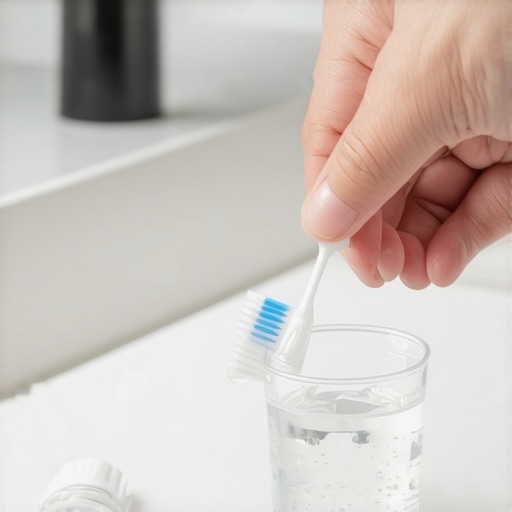
I remember the moment vividly—after weeks of meticulous teeth whitening and family dental checkups, I finally caught a glimpse of my reflection with my retainer in place. Instead of feeling proud, I was hit by a wave of disgust. My retainer looked cloudy, streaked with a white film. It was a small thing, but it made me realize something crucial: I had neglected a tiny yet important aspect of my dental routine—keeping my retainer clean. That lightbulb moment spurred me into action, and I discovered how vital proper maintenance is not just for my retainer’s longevity but for my oral health overall.
If you wear a retainer, especially Invisalign or other clear aligners, you’ve probably encountered this problem—plaque and tartar buildup turning a usually transparent appliance into a source of concern. It’s tempting to dismiss it as harmless or just part of normal wear, but trust me, ignoring it can lead to more serious issues like bad breath, discoloration, and even decay. The good news? With a few straightforward habits, you can banish that white film and keep your retainer as fresh as it was the day you received it.
Today, I want to share with you my journey from frustration to confidence—how I learned to effectively remove plaque buildup and maintain a bright, healthy smile. Whether you’re a seasoned retainer user or just starting your orthodontic journey, these tips are practical and easy to incorporate into your routine. We’ll dive into the specific mistakes I made early on—and how avoiding them can save you time, money, and unnecessary worry.
Before we jump into the how-to, let me ask you—have you ever noticed that stubborn white film on your retainer and wondered if it’s just normal? If so, you’re not alone. Many people underestimate the importance of proper retainer cleaning, assuming brushing alone does the trick. However, as I discovered from a trusted dental expert, neglecting thorough cleaning can result in plaque accumulation that’s more difficult to remove over time, risking structural damage and oral health problems (source: American Dental Association). My early mistake was simply rinsing it with water and tossing it into the case without a proper scrub. That small oversight accelerated buildup and made cleaning a bigger chore later.
So, let’s get to the good part—how to keep your retainer spotless and free from pesky plaque. But first, I’ll explain why this step is more critical than it seems and how it directly benefits your overall oral health and confidence. Ready? Let’s dive into these simple, effective techniques that transformed my routine and could do the same for you.
Rinse Thoroughly After Every Use
Immediately after removing your retainer, rinse it under lukewarm water to wash away loose debris. During my own routine, I found that a quick rinse prevented initial buildup, acting as the first line of defense against plaque formation. This simple step takes just 30 seconds and sets a clean foundation.
Use a Soft-Bristled Toothbrush and Gentle Cleanser
Next, brush your retainer gently using a soft toothbrush combined with a mild soap or specialized retainer cleaner. I once tried scrubbing with a regular toothpaste, which left scratches, making it even harder to clean later. Switching to a gentle brush and cleaner preserved its transparency and ease of cleaning. Avoid harsh chemicals—they can degrade the material over time. For specific product recommendations, check out these whitening strategies.
Soak in a Disinfectant Solution Weekly
Once a week, soak your retainer in a disinfectant solution to eliminate bacteria and stubborn plaque. I used a mixture of equal parts water and white vinegar for about 15 minutes. During my session, I noticed significant reduction in cloudy films, leaving it feeling fresh. There are commercial solutions available, but always follow manufacturer instructions. Be cautious with vinegar if your retainer contains metal components, as it can cause corrosion. For more advanced cleaning methods, visit teeth whitening tips.
Develop a Consistent Cleaning Schedule
Consistency is key. I set daily reminders to remind myself to clean my retainer every morning and night. This habit prevented buildup and extended the device’s lifespan. A consistent routine minimizes the risk of plaque accumulation, which can compromise both your retainer and oral health.
Avoid Common Mistakes
Never use hot water, as heat can warp the plastic. Also, steer clear of abrasive cleaning pads—they scratch the surface and promote bacteria retention. I once made these mistakes early on, leading to increased cloudiness. Instead, use a gentle touch and appropriate cleaning agents. For comprehensive dental care tips, explore Invisalign innovations and learn how technology supports oral health.
Keep Your Retainer in a Clean Case
Finally, storing your retainer properly is vital. I always wash my case weekly and dry it thoroughly to avoid bacterial growth. A dirty case can reintroduce bacteria onto a freshly cleaned retainer, defeating your efforts. Regularly inspecting and replacing the case ensures optimal hygiene. For tips on family dental routines, visit family dentistry tips.
Many patients believe they fully understand their dental options, but the reality is that misconceptions and overlooked nuances can undermine the best intentions. For instance, there’s a common myth that Invisalign aligners are maintenance-free; in reality, neglecting proper cleaning can cause discoloration and bacterial buildup, defeating their discreet appeal. Similarly, many assume teeth whitening is a one-time solution—yet, without understanding the limits of peroxide-based products and the importance of enamel health, you might end up damaging your teeth rather than brightening them. When it comes to family dentistry, people often think regular checkups are sufficient, but failing to consider age-specific treatments and preventive care tailored for different family members can lead to avoidable issues down the line. And with veneers, a widespread misconception is that they permanently alter your natural teeth; however, improper placement or choosing the wrong type can cause irreversible damage or require costly replacements.
The
How do advanced techniques influence traditional treatments?
Innovations like digital smile design and minimally invasive procedures are reshaping expectations. For example, veneer placement now benefits from computer-aided planning, ensuring a natural fit and optimal aesthetics—details that many overlook. Moreover, experts emphasize that understanding the material science behind composites and ceramics is crucial for longevity. Using outdated materials or applying veneers without addressing underlying issues like gum disease is a recipe for failure. A study from the National Institutes of Health highlights that comprehensive diagnosis and personalized treatment plans significantly improve outcomes for restorative procedures.
Beware of the trap many fall into—believing that cosmetic solutions alone resolve dental concerns. For example, veneers can mask underlying decay or malocclusion if not carefully evaluated beforehand. A combined approach involving orthodontics, periodontal health assessments, and conservative restorations yields the most sustainable results. If you’re considering any aesthetic or restorative treatment, consult with specialists who understand these nuances; not doing so can lead to regrettable choices. To ensure you’re making informed decisions, review our detailed guides on veneers vs crowns and the latest advancements in teeth whitening.
Have you ever fallen into this trap? Let me know in the comments.To ensure your smile remains stunning and healthy over the years, investing in the right tools and maintaining a disciplined routine is crucial. One of my favorite essentials is a **digital plaque disclosing tablet**. I personally use the *PlaqueCheck* tablets because they visually highlight areas you might be missing while brushing, making it easier to target stubborn plaque spots. This immediate feedback pushes me to improve my technique and ensures thorough cleaning every time. Additionally, I rely on a **UV sanitizing toothbrush holder**, which I leave cleaning my toothbrush and aligners overnight, effectively reducing bacterial buildup—a key step highlighted in the latest dental hygiene studies (source: American Dental Association).
Another game-changer in my routine is the use of **ultrasonic cleaning devices** specifically designed for dental appliances, like the *SmilePro Ulti-Clean*. I use mine weekly to gently vibrate away plaque and debris from Invisalign trays and veneers, extending their lifespan and maintaining their appearance. These devices leverage high-frequency vibrations, which experts say are more effective than manual brushing for removing microscopic plaque buildup, especially in hard-to-reach areas. As dental technology advances, I predict that AI-powered cleaning tools, capable of customizing vibrational patterns based on your device’s material and wear, will become mainstream, making maintenance even more effortless.
How do I maintain tools and long-term results without breaking the bank?
Consistent routine doesn’t necessarily mean expensive equipment. I find that investing in a **high-quality, soft-bristled toothbrush and a dedicated retainer cleaning solution** saves money in the long run by preventing costly repairs or replacements—particularly for veneers, which are sensitive to scratches and chemical damage. Specialized cleaning solutions containing *peroxide-based agents* are recommended for whitening and disinfecting, especially when combined with ultrasonic cleaners for deeper reach.
Coupling these tools with a **digital reminder system** cataloged through my smartphone ensures I never forget routine cleanings, which is vital for appliance longevity and oral health. For example, apps like *DentApp* can sync with your dental care products and remind you to replace tools and schedule professional checkups, reinforcing good habits.
Will these high-tech tools define the future of family dentistry? Most likely. As per recent trends in dental tech, integration of smart devices into daily routines will make oral hygiene more personalized and effective. Check out Invisalign innovations for more on how technology translates into better long-term results. Don’t wait—try incorporating an ultrasonic cleaner into your routine and see how your appliances stay clearer, healthier, and more durable over time.
Lessons That Changed My Approach to Smile Care
One of the most eye-opening lessons I learned was the importance of consistency. Even the best dental tips won’t work if you slack off once in a while. I realized that maintaining a bright, healthy smile requires daily effort—simple habits like rinsing your retainer immediately after removal or setting reminders for weekly deep-cleanings can make a world of difference. Another insight was the value of investing in quality tools; cheap toothbrushes or generic cleaning solutions often lead to more problems down the line.
Additionally, I discovered that addressing misconceptions early saves frustration later. For example, many assume Invisalign is maintenance-free—nothing could be further from the truth. Proper cleaning and care are essential for keeping aligners clear and germs at bay. Lastly, I learned to prioritize professional guidance. Regular checkups and honest discussions with your dentist or orthodontist help catch issues before they become costly or uncomfortable, especially with treatments like veneers or teeth whitening.
Tools and Resources That Truly Make a Difference
Over the years, I’ve curated a set of trusted tools that keep my smile at its best. First, I rely on top-rated teeth whitening strategies to maintain that sparkle. Second, using a comprehensive cleaning routine with specialized devices has prevented plaque buildup effectively. Third, I consult reputable sources like comparative guides on veneers and crowns to understand treatment options better. Trusting expert-approved resources and top-tier tools ensures my smile remains vibrant and healthy for years to come.
Brightening Your Future with Confidence
Your smile is one of your most valuable assets, and taking proactive steps today sets the stage for a confident tomorrow. Embrace the routines and tools that align with your unique needs, and don’t hesitate to seek expert advice when necessary. Remember, every small effort compounds into a significant, lasting impact—so start today. Want to explore more about transforming your smile? Check out expert veneer tips or other tailored treatments to boost your confidence and oral health.