
Why your jaw feels tight every time you start a new aligner tray
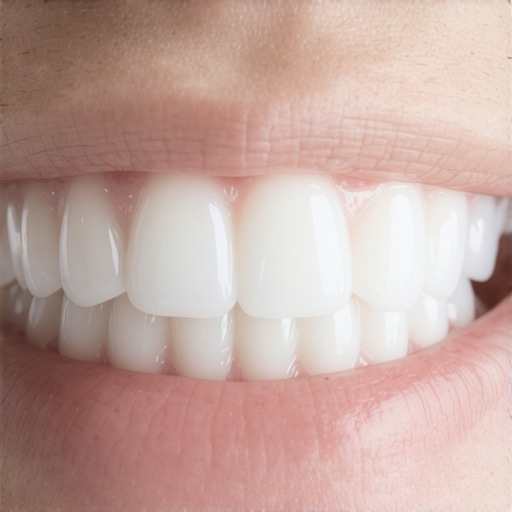
It was 11:30 PM on a Sunday night, and I had just snapped in Tray 4. I expected the usual snug fit, but instead, it felt like my entire skull was being squeezed by a tiny, invisible hydraulic press. I lay there staring at the ceiling, wondering if I had accidentally received a set of aligners meant for a toddler. My jaw felt so tight I could barely swallow without a wince. If you are currently sitting there with a stiff face and a pulsing temple, let me tell you: I have been exactly where you are. We are going to dive into why that ache happens and how to manage it without losing your mind.
That First-Day Squeeze Is Actually a Good Sign
You might feel like your jaw is under siege, but that tightness is the sound of progress. When you transition to modern invisible braces, each new tray is engineered to move specific teeth by a fraction of a millimeter. Early on, I made the huge mistake of thinking I could cheat the system. I thought wearing my aligners for only 18 hours a day would be enough if they felt ‘tight enough’—I was wrong. That lack of consistency actually made the jaw tension worse because my teeth were constantly rebounding. When that new plastic hits, your periodontal ligaments are being stretched and your bone is literally preparing to remodel itself. According to the American Association of Orthodontists, this controlled force is the only way to safely reposition teeth within the jawbone. It is a biological workout. While you’re dealing with the plastic aftertaste from new trays, your jaw muscles are often tensing up in a protective reflex.
Is this constant pressure actually damaging my jaw?
It is totally normal to be skeptical when your face feels like it’s in a vice. You might worry you’re developing TMJ or that the trays are ill-fitted. Most of the time, the tightness isn’t coming from the teeth themselves, but from your masseter muscles ‘fighting’ the new position of the plastic. I found that the best way to soothe a sore mouth during these transition periods involves more than just ibuprofen; it’s about retraining your jaw to relax. Sometimes the edges of the aligners catch on your inner lip, which causes you to hold your mouth differently, adding to that overall sense of strain. Have you ever felt like your jaw was permanently locked for the first 48 hours of a new tray? Tell me in the comments, because I swear Tray 7 almost broke my spirit! We’re about to look at the specific hacks that finally stopped my jaw from aching every single switch-day.
Switch Your Trays Right Before Bed
The most effective trick I ever learned was the “Nighttime Swap.” Think of it like a software update for your mouth; you want it to run while the system is idle. By popping in a new set of trays right before sleep, you effectively bypass the first six to eight hours of peak discomfort. During my first month, I used to switch them at 10 AM, and I’d spend the entire workday grit-toothed and irritable. Once I shifted to 11 PM, I woke up with the “big move” already partially completed. It is very similar to why your dental bridge feels tight in the morning—fluid dynamics and muscle rest play a huge role in how we perceive pressure. When you sleep, you aren’t constantly checking the fit with your tongue, which allows the periodontal ligaments to settle into their new reality without interference.
How to Hack Your Brain to Stop Clenching
When your jaw feels like a loaded spring, your natural instinct is to bite down harder to “test” the pain. This is a trap. I call it the “clench-reflex,” and it only leads to more inflammation. To break this, you need to consciously practice the “lips together, teeth apart” rule. I used to set a timer on my phone every hour to remind myself to drop my jaw. If you’re finding that the clicking sound in your jaw is getting worse during treatment, it’s often because those masseter muscles are overworked. #IMAGE_PLACE_HOLDER_B# Use a cold compress on the outside of your cheeks for ten minutes before bed to dull the nerve endings.
Busting the 18-Hour Myth for Good
I’ve seen so many people try to “ease in” by only wearing their trays for a portion of the day. This is the fastest way to stay in a permanent state of soreness. I remember Tray 9—I was at a summer BBQ and left my aligners in the case for nearly six hours because I didn’t want to deal with the hassle of cleaning them. When I finally put them back in, the pain was blinding. I had fallen into the “rebound” trap. Your teeth are like elastic bands; the moment the pressure is removed, they start drifting back. By wearing your aligners for only 18 hours a day, you are essentially restarting the “first-day pain” every single time you put them back in. Consistency is actually your best pain-relief tool.
The Chewing Exercise That Actually Helps
It sounds counterintuitive, but “chewies” are your best friend. In the beginning, I hated them because they hurt. However, biting down on these silicone cylinders for 5-10 minutes a few times a day helps seat the aligner perfectly, which ensures the force is distributed evenly across all your teeth rather than just the front ones. This even distribution prevents that localized “stabbing” sensation. If you are also dealing with aligners catching on your inner lip, make sure you’re using the chewies to push the plastic as flush against your teeth as possible. This reduces the profile of the tray and stops your mouth from holding itself in a weird, tense position to avoid the sharp edges. This is also a great time to ensure you properly clean your aligners because any grit or buildup can prevent a perfect fit, adding unnecessary bulk that keeps your jaw from resting naturally.
A lot of people think that if their aligners aren’t causing significant discomfort, they aren’t working. I’ve seen this ‘no pain, no gain’ mentality ruin more than a few smiles. The contrarian truth is that the most efficient tooth movement actually happens with light, constant pressure, not bone-shattering force. When you try to rush the process or ignore the biology of your jaw, you risk root resorption—where your teeth actually shorten their own roots to cope with the stress. According to a study published in the American Journal of Orthodontics and Dentofacial Orthopedics, the ‘optimal force’ for tooth movement is far lower than what most patients expect. If you are constantly feeling like your jaw is in a vice, you might actually be over-stressing the periodontal ligament rather than encouraging healthy remodeling.
The Whitening Trap Most People Fall Into Too Early
One of the biggest ‘oops’ factors I see is the rush to get professional whitening while still in the middle of orthodontic treatment. It is tempting to want that Hollywood glow immediately, but whitening while your teeth are shifting—especially if you have attachments—leads to ‘polka-dot teeth’ once those attachments are removed. I always tell my friends to focus on the foundation first. While you are chasing teeth whitening secrets, your primary goal should be alignment and gum health. If you whiten now, you are essentially painting a wall before you’ve finished the drywall repairs. Instead, wait until your invisalign treatment is complete to ensure an even, brilliant shade across the entire surface of every tooth.
Why do my teeth look darker in the middle of treatment?
It is not just your imagination. Sometimes, as teeth align and overlap less, the shadows change, or you might notice the persistent odor or staining that comes from plaque trapped behind moving teeth. This is why family dentistry focuses so heavily on cleanings during active treatment. If you aren’t careful, you might mistake temporary surface stains for permanent discoloration. #IMAGE_PLACE_HOLDER_C# Always check your lighting; certain bathroom lights can make your teeth look yellow when they are actually just reflecting the tint of the walls or the plastic of the tray.
Stop Treating Your Veneers Like Invincible Shields
For those of you considering a jump from aligners to veneers or crowns, here is a warning: they are not indestructible. A common mistake is thinking that once you have ‘fake’ teeth, you can stop being diligent. You must stop brushing your veneers with abrasive charcoal pastes, as you can actually scratch the porcelain glaze over time. Once that glaze is gone, the porcelain becomes porous and stains just as easily as natural enamel. Whether you are dealing with modern aesthetics or a simple filling, the biology underneath remains the same. Have you ever fallen into the trap of thinking a cosmetic fix meant you could skip the flossing? Let me know in the comments, because I definitely neglected my back molars once my front ones looked perfect! Real expertise in family dental care means knowing that the prettiest smile is the one with the healthiest roots.
Once you’ve mastered the initial discomfort, you need a strategy to keep your investment pristine. I spent the first two months scrubbing my trays with a toothbrush, only to realize I was creating micro-scratches that actually trapped bacteria and caused a persistent odor. Switching to a dedicated ultrasonic cleaner was a total game-changer. These devices use high-frequency sound waves to blast away biofilm without you ever touching a bristle. It’s the only way to truly clean the stubborn gunk out of your night guard or aligners effectively. If you notice your breath smells like vinegar after wearing aligners, it is usually because of microscopic bacterial colonies that a manual brush simply cannot reach.
#IMAGE_PLACE_HOLDER_D#
The Tool That Saves Your Fingernails from Attachments
Removing trays when you have multiple attachments feels like trying to peel a sticker off a hot car—nearly impossible and often painful. I highly recommend an ‘ortho-key’ or an aligner hook. It allows you to hook the back edge of the tray and pop it off without shredding your cuticles or putting unnecessary torque on your teeth. This precision is crucial if you want to remove aligner attachments without damaging your enamel once your treatment finally wraps up. I never leave the house without one in my pocket; it’s as essential as my car keys.
How do I maintain my smile’s brightness over time?
Consistency is the only secret that actually works. Once you reach the ‘refinement’ stage, you will likely be wearing retainers at night for the rest of your life. This is the perfect time to implement a long-term maintenance plan. You can keep your teeth white without giving up black tea by simply using a reusable straw or doing a quick water rinse after your morning cup. I personally use a pH-neutral whitening foam inside my retainers twice a week to keep things bright. According to technical documentation from the Journal of Clinical Orthodontics, maintaining a neutral oral pH is vital for preventing the demineralization that leads to those permanent white spots often seen after orthodontic work.
The Future of Remote Progress Tracking
Looking ahead, the dental world is shifting toward even more autonomy for the patient. In the next few years, I expect AI-driven remote monitoring to become the standard for every local family dentistry practice. Many providers already use smartphone attachments that allow you to send high-definition scans to your doctor from home, reducing the need for monthly office visits. It is the natural evolution of modern invisible braces, making the process fit into a busy lifestyle rather than disrupting it. Explore the latest teeth whitening options in 2025 to pair with your new alignment. If you haven’t yet, invest in a quality ultrasonic cleaner today; it is the single biggest quality-of-life upgrade you can make for your dental health.
The Truth About the Final Tray That Is Not Actually Final
I spent the first half of my journey waiting for the day I could finally stop thinking about my teeth. The biggest lightbulb moment happened around Tray 22: I realized that alignment is a marathon, not a sprint. If you find that the reason your smile looks uneven after orthodontic treatment is because of minor crowding that did not quite resolve, do not be afraid of refinements. Those extra finishing trays are where the real artistry happens. Also, remember that your jaw needs to relearn how to rest without plastic barriers. Once you transition to a retainer, the physical sensation of your teeth actually touching for the first time in a year can be jarring—give your nervous system at least a week to adjust to the new contact points.
#IMAGE_PLACE_HOLDER_E#
The Daily Essentials for a Stress-Free Smile
To get through the daily grind of shifting teeth, I rely on a few specific items that go beyond the basic toothbrush. First, a dedicated removal hook is non-negotiable for those high-attachment trays that feel stuck. Second, I recommend keeping a travel kit that includes a high-quality case and a mini-brush; it makes the trick to eating with clear aligners when you are at a restaurant much less stressful. Finally, look into teeth whitening secrets specifically designed for post-orthodontic care, like pH-neutral foams that will not sensitize your newly moved teeth. These tools turn a clinical process into a manageable, even pleasant, routine.
Your Future Smile Is Worth the Temporary Ache
The ache in your jaw is temporary, but the health benefits of a correctly aligned bite last a lifetime. By sticking to the protocol and embracing the modern invisible braces journey, you are doing more than just improving aesthetics; you are protecting your teeth from uneven wear and future periodontal issues. High-quality family dentistry starts with a foundation of good alignment. Stay consistent, keep those trays clean, and focus on the incredible results waiting at the finish line. Which tray number was the absolute hardest for you to get through? Drop a comment below and let’s compare notes!