
Why your mouth tastes like pennies after a workout
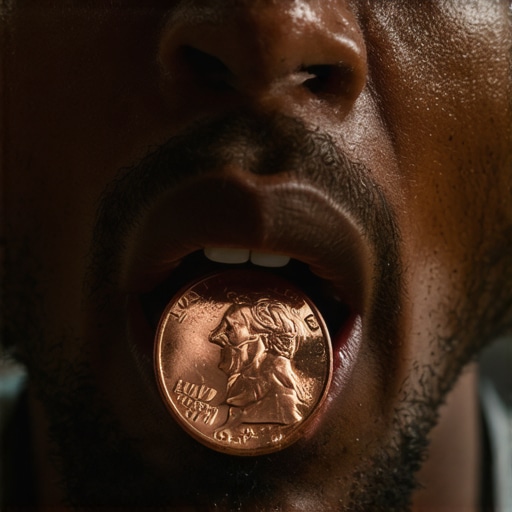
It was a humid Tuesday evening, and I was dragging myself through the final set of a particularly brutal HIIT session. My lungs were on fire, and just as I hit my peak heart rate, it happened. That unmistakable, sharp, copper-like tang flooded the back of my throat. I literally stopped mid-burpee. I thought I had somehow bit my tongue or that how to handle a cracked tooth on a Friday night was about to become my most-read article. But there was no blood. It was just this weird, coins-under-the-tongue sensation. If you have ever felt like you were chewing on a roll of pennies after a heavy deadlift or a sprint, you are not alone, and you are not crazy. Today, we are going to peel back the curtain on why this happens and how to manage it so you can get back to your gains without the metallic side effect.
Why Your Mouth Tastes Like Copper When You Push Your Limits
For a long time, I made the amateur mistake of thinking this was just a sign that I needed a better toothbrush or that I had some underlying dental issue. I even went as far as researching how to deal with the metallic taste from a broken silver filling because I was so convinced something was loose in there. It turns out, the reality is a lot more biological and a lot less about your dental hardware. When you push your body to the absolute max, your red blood cells can actually leak a tiny amount of heme into your lungs. Heme contains iron, and as you breathe heavily, those iron molecules hit your olfactory receptors. It is essentially your body’s way of saying, “Hey, we are working really hard here!” It is similar to how why your teeth ache when you walk outside in the cold air can be a startling realization of how sensitive our systems are to physical stress.
Is This Metallic Flavor Actually Worth Your Concern?
Many of my gym buddies have asked if this means they are overdoing it to a dangerous degree. It is a valid fear. Nobody wants to find out their morning jog is causing internal damage. However, science offers a bit of a cushion here. According to researchers, this phenomenon—often called exercise-induced pulmonary edema in its extreme forms, though usually much milder—is typically a transient reaction to high-intensity cardiovascular strain. In fact, a study often cited in the Journal of Strength and Conditioning Research indicates that this metallic sensation is a common byproduct of the pressure changes in the lungs during maximal exertion. Have you ever experienced this penny taste during a workout and wondered if you should call your doctor? I would love to hear your story in the comments. While it is usually just a sign of a high-intensity effort, understanding the difference between a temporary lung response and a genuine dental issue is key to long-term health, which is why family dentistry building healthy smiles for every generation is so important to keep in mind. We need to make sure the foundation is solid before we push the limits.
Cool Down Your Lungs and Mouth Faster
One of the most effective ways to stop that metallic rush is to treat your lungs like a high-performance radiator. When you are gasping for air, you are essentially flash-drying your mouth and throat, which concentrates the iron-rich molecules from your lungs. I found that by intentionally slowing my nasal breathing during the final minutes of a set, I could dampen the intensity of the copper taste. If you are a mouth-breather like I was, you might notice why your teeth feel furry only a few hours after brushing; it is because your saliva, which acts as a natural cleaner, is being evaporated by the gallon.
Protect Your Enamel from the Elements
If you are training outside in the fall or winter, that metallic taste is often accompanied by a sharp zing. It is a double whammy of physical exertion and temperature shock. I used to think my fillings were failing, but often it is just the dentin reacting to the air. To manage this, try a specialized toothpaste. It acts like a thermal blanket for your tooth nerves. This is especially vital if you have invested in cosmetic work. You do not want to find out why your porcelain veneers look dull after five years of wear just because you neglected basic hydration and protection.
Strategic Whitening for High-Performance Athletes
Believe it or not, when you are constantly pushing your limits, your teeth can actually look more yellow due to dehydration. When the enamel loses moisture, it becomes more translucent, allowing the yellowish dentin underneath to show through. This is one of the teeth whitening secrets for a sparkling smile in 2025: keep your body hydrated to keep your teeth opaque and bright. I once made the mistake of doing an at-home treatment right before a marathon, and the sensitivity was so bad that every breath of air felt like a needle. If you are planning a treatment, learn the best time of day to whiten your teeth for maximum results to avoid overlapping with your training schedule.
Managing Aligners During Peak Exertion
If you are using Invisalign secrets for achieving a perfect smile discreetly, working out adds another layer of complexity. The heavy breathing can cause the trays to feel like they are suctioned to your teeth, or worse, trigger a gag reflex. I remember one heavy squat day where the pressure in my head made me feel like my trays were actually suffocating my gums. If this happens, you need to know how to stop your Invisalign trays from making you gag before you drop the barbell.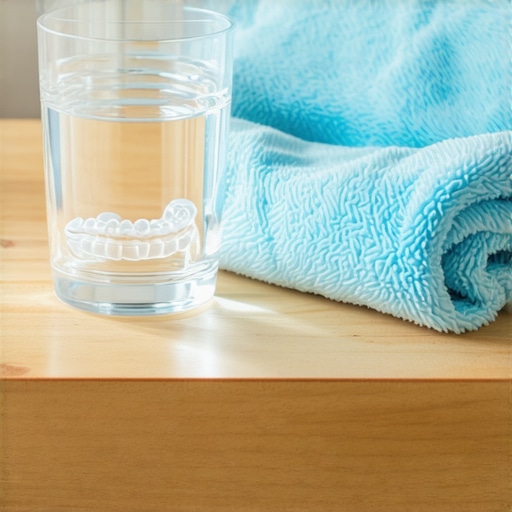
Keep the Bacteria at Bay After the Sweat
After a workout, the last thing you want to think about is the bacteria soup growing in your mouth. But the combination of dry mouth and intense effort creates a breeding ground for odors. I once left my aligners in my gym bag for three hours after a session. The resulting smell was a wake-up call; I had to learn why your breath smells like vinegar after wearing aligners all night just to troubleshoot my own mistake. Always rinse your mouth and your appliance immediately after the sweat stops. For parents, this is one of those ensuring family dental care what parents need to know in 2025 tips that applies to active teenagers just as much as adults. If you wait until you get home, the plaque has already started to harden.It is easy to get caught up in the ‘more is better’ mentality when it comes to a brighter smile, but here is the contrarian truth: most people are actually over-whitening to the point of structural damage. I have seen fitness enthusiasts who are obsessed with the ultimate guide to teeth whitening options in 2025, yet they ignore the biological ‘stop’ sign their enamel is flashing. When you over-bleach, you strip away the mineral density that gives teeth their opaque, white quality. The result is a phenomenon where your teeth start looking translucent or even bluish-gray because the dark interior of your mouth shows through the thinned enamel. If you are noticing this, it is time to put the gel down and focus on remineralization.
Why Does My Professional Whitening Seem to Fade So Fast?
This is a sophisticated question I often get from those who feel like they are doing everything right but still see a yellow tint returning within weeks. A study published in the Journal of Evidence-Based Dental Practice highlights that the ‘rebound effect’ isn’t always about coffee stains—it is often about the rehydration of the tooth. When you undergo a professional treatment, the chemicals temporarily dehydrate the enamel, making it look unnaturally bright for about 48 hours. Once the tooth reabsorbs moisture, the ‘real’ shade emerges. If you do not understand why your professional whitening didn’t work as well as last time, you might be chasing a dehydration ghost rather than actual pigment change.  One of the biggest ‘oops’ factors I see involves how we treat high-end cosmetic restorations. We spend a significant amount on a perfect look and then treat it like it is indestructible armor. If you have porcelain, you have to stop brushing your veneers like they are real teeth. Standard whitening toothpastes are often too abrasive for the glaze on porcelain. Over time, you will find yourself wondering why your porcelain veneers look dull after five years of wear, and the answer is usually the micro-scratches caused by your daily cleaning routine. Switching to a non-abrasive gel is a nuance that saves thousands in replacement costs. Then there is the dangerous lure of DIY ‘natural’ hacks. I have heard stories of people using lemon juice, baking soda, and the worst offender—activated charcoal. Let me be clear: the truth about the charcoal whitening trend and your enamel is that it functions like liquid sandpaper. It does not whiten by lifting stains; it whitens by removing the top layer of your tooth. This is why ensuring family dental care what parents need to know in 2025 involves steering the next generation away from viral trends that trade long-term health for a temporary glow. Have you ever fallen into the trap of trying a viral DIY whitening hack only to have it backfire? Let me know in the comments. Whether it is a ‘sparkling’ result that turned into a sensitive nightmare or figuring out how to stop your clear aligners from turning yellow over time, the nuances of maintenance are where the real smile is won.
Once you have navigated the immediate shock of that metallic tang during a workout, the real work begins: maintaining that foundation. I have learned the hard way that you cannot just ‘set and forget’ a high-performance smile. My personal kit doesn’t just consist of any old toothbrush. I swear by the Sonicare DiamondClean 9000 because of its specific pressure sensor; if you press too hard, it pulses to warn you. This is non-negotiable for me because I know stop brushing your veneers like they are real teeth is the only way to keep the porcelain glaze intact. If you are aggressive with a manual brush, you are essentially sandblasting your investment. Pairing this with a Waterpik WP-660 on the ‘hydro-pulse’ massage mode has been a game-changer for my gum health, especially around the edges of my cosmetic work where plaque loves to hide.
Upgrade your gear to save your enamel
I am often asked why I don’t just use standard floss. The truth is, when you are pushing your body, your gum tissue can become slightly more sensitive due to increased blood flow. A water flosser allows for a deeper clean without the friction that can cause bleeding in high-intensity athletes. This level of precision is why the real reason culpeper dentists are swapping traditional x-rays for 3d scans is so relevant; we are moving toward a world of hyper-accurate dental care where ‘good enough’ is no longer the standard. For those of us using aligners, I recommend Retainer Brite tablets over standard soap. Research published in the International Journal of Dental Hygiene confirms that ultrasonic cleaning or specialized chemical soaks are significantly more effective than manual scrubbing for removing stubborn biofilm from orthodontic appliances without scratching the plastic.
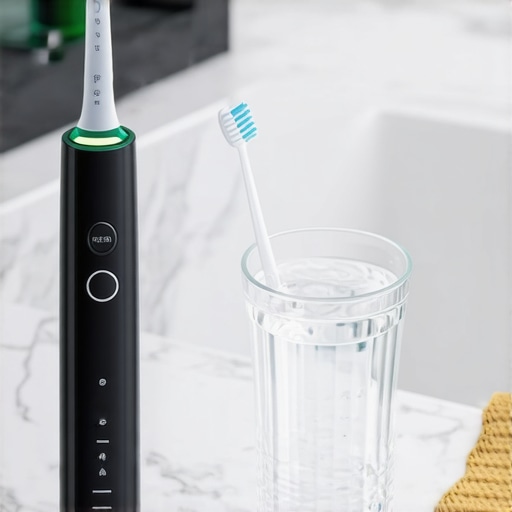
Keep those aligners crystal clear every day
If you are in the middle of an Invisalign journey, your maintenance routine needs to be as disciplined as your training split. I have seen so many people ruin their progress because they didn’t know how to keep your teeth white while wearing traditional metal braces or aligners, leading to staining that takes months to correct. One specific tool I use is a handheld UV-C sterilizer for my trays. It sounds overkill, but it kills 99% of the bacteria that cause that ‘vinegar’ smell. When you are out at a restaurant, knowing the trick to eating with clear aligners when you are at a restaurant—which includes a quick alkaline mouth rinse before popping the trays back in—prevents acid from being trapped against your enamel. This is a vital part of transform-your-smile-with-veneers-expert-tips and aligner care alike: pH balance is everything.
How do I maintain my results over time?
The secret to long-term success isn’t a one-time procedure; it is the cumulative effect of small habits. For teeth whitening, this means knowing how to keep your teeth white without giving up black tea by using a straw and rinsing immediately. For family health, it means teaching the same standards early, which is a core tenet of family dentistry tips creating a healthy smile for your kids. Looking forward, I predict we will soon see ‘smart retainers’ embedded with micro-sensors that track your saliva’s pH levels in real-time, alerting your phone when you are at risk for enamel erosion. We are entering an era of proactive, rather than reactive, dentistry. If you want to stay ahead of the curve, I challenge you to try this one advanced tip: switch to a hydroxyapatite-based toothpaste for one month. Unlike fluoride, which creates a protective layer, hydroxyapatite actually bonds with your enamel to ‘fill in’ the micro-pores. It is the closest thing to ‘growing back’ your teeth we currently have. Keep that smile as strong as your deadlift.
My biggest takeaways from the intersection of sweat and smiles
After years of training, I realized that the metallic taste isn’t an enemy; it is a biofeedback mechanism telling you exactly where your threshold lies. One major myth I had to debunk was that aggressive whitening leads to a healthier look. In reality, I discovered why your teeth look gray instead of yellow and how to fix it—it is often about over-bleaching and losing the vital mineral density that gives teeth their natural luster. Another lightbulb moment was realizing my gums were retreating not because of age, but because of my “all or nothing” approach to hygiene. Learning how to tell if your gum recession is caused by over brushing saved me from a lot of future sensitivity and costly grafting. Finally, I learned that dental care is part of the recovery process, just like a protein shake or a foam roller.
The gear that keeps my performance and my grin on track
To keep my results locked in, I rely on a specific ecosystem of products that work as hard as I do. I always keep a proper container in my gym bag because knowing the best way to store your clear aligners when you arent wearing them prevents the bacterial buildup and warping that ruins your progress and your breath. I also spent a significant amount of time weighing my options between veneers vs crowns which is right for your smile before committing to my current aesthetic. My “must-haves” include a high-quality pH-balancing rinse and a soft-bristled electric brush that respects the integrity of my dental work. These aren’t just luxuries; they are insurance for your self-confidence.
#IMAGE_PLACEHOLDER_E#
Take the leap toward your healthiest smile yet
Don’t let the fear of a temporary metallic taste or the complexity of dental maintenance stop you from pushing your physical limits. Whether you are training for a marathon or just trying to stay active, your oral health is the foundation of your overall well-being. By staying proactive and ensuring family dental care what parents need to know in 2025, you set a standard for everyone in your household. If you ever feel overwhelmed by the options or have a specific concern about your progress, don’t hesitate to reach out and contact-us for professional guidance. Your journey to a stronger, brighter version of yourself starts with one consistent habit. Have you ever noticed that weird copper taste during a heavy set, or have you struggled to keep your aligners fresh while training? Let me know your experience in the comments below!