Why Your Teeth Still Look Yellow After Three Rounds of Strips
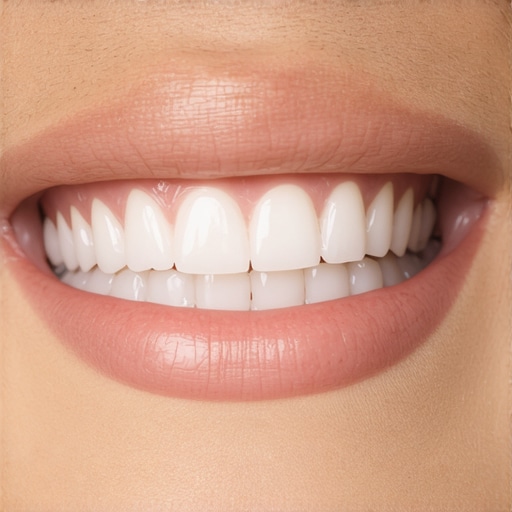
I’ll never forget the moment I peeled back my third set of whitening strips, hopeful for that dazzling smile, only to be met with the same dull, yellowish hue. Talk about a punch to the face! It’s like trying to paint a room white when the walls are stained with decades of smoke and coffee. I thought, “Was I doing something wrong?”
The Frustration of Persistent Discoloration
If you’ve experienced the same disappointment—spending time, money, and patience on whitening treatments only to see minimal results—you’re not alone. Many people expect quick fixes, but the reality can be more complex. The truth is, teeth can still look yellow after multiple rounds of strips because staining can be deeper than surface level, or some factors just resist typical treatments. This persistent yellow can feel discouraging, but here’s the thing: understanding the cause is the first step toward genuinely brightening your smile.
Are Whitening Strips Truly Worth the Effort?
I used to think that over-the-counter whitening strips were a miracle cure, but I made a common mistake early on—assuming they would work magic on every stain. The harsh truth is, not all stains respond equally. Surface stains from coffee, wine, or smoking often respond well, but intrinsic stains—those that originate within the tooth—are more stubborn. If you’re in the same boat, don’t lose hope. Sometimes, the problem lies in what we’re overlooking, like oral health issues or natural tooth discoloration that requires professional attention. Curious how to identify which whitening options suit your unique needs? Check out this comprehensive guide for expert insights.
Understanding Why Your Teeth Still Look Yellow
Before jumping to more DIY whitening methods, it’s essential to understand that teeth discoloration can be caused by various factors—some within your control, others not so much. External factors like staining foods and beverages, smoking, or poor oral hygiene contribute to surface stains. But internal factors—such as aging, genetics, or structural changes—can lead to intrinsic stains that don’t respond to strips. An intriguing fact I discovered is that enamel naturally wears down with age, revealing the yellow dentin layer underneath, which can’t be scrubbed away with strips alone, according to dental research.
If you’re tired of feeling disappointed every time you try another treatment, this post will walk you through the real reasons behind stubborn stains and what you can do about them—so stay tuned! If you’ve faced this problem, drop a comment below—I want to hear your story because you’re not alone in this journey towards a whiter, healthier smile.
Prep Your Teeth Like a Pro
Begin by thoroughly cleaning your teeth twice daily, brushing at least twice for two minutes each time, and flossing daily to remove plaque and prevent staining. Consider using an electric toothbrush for more effective cleaning. During my own experience, I found that diligent oral hygiene eliminated surface stains, making whitening treatments more successful.
Address Deep Stains with Professional Help
Book a Consultation with Your Dentist
Schedule an appointment to evaluate your staining causes—whether surface or intrinsic—and discuss options like in-office whitening, veneers, or bonding. I once visited my dentist for a whitening consultation; they recommended professional bleaching, which was more effective than over-the-counter strips.
Opt for Tailored Whitening Solutions
Your dentist may suggest custom bleaching trays or stronger in-office treatments. These methods ensure uniform results and can target stubborn stains. During my session, the dentist applied a potent gel under a protective barrier, yielding noticeably whiter teeth after just one visit.
Utilize Advanced Cosmetic Procedures
If stains are resistant, explore options like porcelain veneers or crowns. Veneers are thin shells bonded to the front of teeth, effectively masking discoloration and damage. Think of veneers as a custom suit for your teeth—covering imperfections with a natural look.
Learn more about veneers here.
Adopt Daily Habits for Long-Term Brightness
Limit staining foods and drinks like coffee, tea, and red wine. Use a straw to minimize contact if you indulge in these beverages. Regular touch-up whitening treatments can maintain your shine. I kept a water bottle handy and swished after consuming staining agents, which helped preserve my whitened smile.
Consider Invisalign or Orthodontics for Alignment
Misaligned teeth can trap plaque and stain easily. Using discreet options like Invisalign aligns teeth subtly and improves overall aesthetics. When I transitioned to Invisalign, I noticed my teeth became easier to clean, giving my whitening efforts a boost.
Integrate Family Dentistry for Consistency
Regular dental visits ensure ongoing maintenance, early detection of issues, and professional cleanings. Proper care is essential; neglected plaque buildup can counteract whitening efforts. Our family schedule includes biannual check-ups, which keep everyone’s smiles bright and healthy.
Remember, combining good hygiene, professional treatments, and lifestyle changes will maximize your smile’s brilliance. For personalized advice, consult your dentist and explore options like family dentistry strategies.
Many patients believe they have a full grasp of popular dental procedures, but beneath the surface lie subtle nuances and common misconceptions that can sabotage your smile transformation journey. Let’s dig deeper into what most people often get wrong about these treatments.
Is Invisalign Really Invisible, or Just Discreet? Think Again
While Invisalign boasts the reputation of being virtually invisible, the truth is that it’s more about discretion than absolute invisibility. The aligners are made from clear plastic, but they can still be marginally visible, especially to close observers. Moreover, many don’t realize that the success of Invisalign heavily depends on patient compliance—wearing the trays for the recommended 20-22 hours daily. A common mistake is assuming the aligners alone will straighten teeth without proper guidance or discipline. According to a study published in The Journal of Clinical Orthodontics, patient adherence is a critical factor in achieving optimal results, yet overconfidence in the invisibility factor can lead to laxity in wear time. Learn expert secrets to maximize Invisalign success.
Teeth Whitening: Myths About Deep Versus Surface Stains
Many believe that over-the-counter whitening products can tackle all kinds of stains, but the reality is more nuanced. Surface stains from coffee, tea, and smoking respond well to these treatments, but intrinsic stains—those embedded within the tooth structure—often require professional intervention. An advanced mistake is thinking that whitening gels can change your natural tooth color permanently; in fact, enzymes and whitening agents cannot alter dentin’s inherent tone. Dental research indicates that intrinsic discoloration due to aging or trauma may necessitate veneers or crowns for aesthetic improvement. Relying solely on whitening strips can lead to frustration and disappointment. Curious about more effective options? Check out this guide on advanced teeth whitening techniques.
The Hidden Danger of Family Dentistry Routines
Family dentistry isn’t just about cleanings and check-ups; it’s also about understanding the long-term health of every member. A common oversight is neglecting early signs of issues like misalignment or decay, assuming they are minor. Yet, the real nuance lies in preventive care tailored to each age group. For example, the window for interceptive orthodontics can close if parental vigilance wanes. Furthermore, many underestimate the importance of education—teaching children proper hygiene habits early saves money and stress later. Studies in American Journal of Orthodontics & Dentofacial Orthopedics emphasize the role of early intervention, which can be missed without nuanced family-centered strategies. For practical tips, explore this family dentistry resource.
Veneers: More Than Just a Cosmetic Fix
Many see veneers as a quick fix for stained or chipped teeth, but an advanced mistake is overlooking their permanence and the importance of matching them properly. Veneers are thin shells bonded to the front of teeth; however, mismatched color or thickness can create an unnatural appearance. Additionally, some patients assume veneers are reversible—when in fact, the prep process involves removing a thin layer of enamel, making it a permanent alteration. It’s crucial to weigh these factors before proceeding. In some cases, crowns or other restorations might serve better, especially if the tooth needs more structural support. Want to see how veneers compare to crowns? Visit this detailed comparison.
Understanding these hidden nuances helps you make informed decisions, avoid pitfalls, and achieve lasting results. Have you ever fallen into this trap? Let me know in the comments.
Keep Your Smile Working: Essential Tools and Maintenance Tips
Maintaining your dental investments like Invisalign, veneers, or whitening results requires more than just good intentions; it demands the right tools and consistent care. From high-quality whitening kits to specialized cleaning devices, having the right equipment ensures your smile stays vibrant and healthy over the long haul.
For instance, I personally swear by an interdental tip like the Oral-B interdental brush because it reaches deep between teeth, removing plaque that standard brushes might miss—particularly important if you have aligners or veneers that can trap debris. Regular use prevents staining and decay, preserving your investment and saving on future dental work.
Investing in a professional-grade sonic toothbrush, such as the Sonicare DiamondClean, has made a noticeable difference in ongoing maintenance. Its gentle yet effective sonic vibrations can eliminate plaque more thoroughly than manual brushing, which is crucial especially after whitening treatments or veneer placement. Plus, the built-in timers ensure you brush for the optimal duration, adhering to recommended dental hygiene standards.
Pair your brushing and flossing with specialized tools like fluoride rinses to reinforce enamel, particularly if you’re prone to sensitivity or enamel erosion. Over-the-counter options like professional-grade fluoride rinses help maintain the brightness achieved through treatments. Remember, consistency is key—think of these tools as the maintenance kit for your smile’s longevity.
Looking ahead, technology continues to evolve rapidly. Emerging devices like AI-powered oral health monitors could soon provide real-time feedback on brushing techniques, identify plaque hotspots, and personalize care routines. Incorporating such innovations might soon become standard practice for those serious about their dental health.
How do I maintain my smile long-term?
Beyond the tools, establishing a daily routine that includes proper cleaning, regular dental visits, and lifestyle choices like limiting stain-causing foods ensures your investment lasts. Scheduling professional cleanings at least twice a year helps remove stubborn plaque and detect early signs of issues, preventing costly repairs down the line. If you’re considering veneers or Invisalign, regular follow-ups ensure that any shifts or damage are caught early, maintaining their aesthetic and functional benefits.
Don’t forget the importance of education—staying informed about the latest maintenance techniques can save you time and money. For example, I found that gentle brushing with a soft-bristled brush and avoiding abrasive whitening pastes preserved my veneers’ luster while preventing gum irritation.
Ready to optimize your maintenance routine? Incorporate a high-quality oral hygiene device like the sonic toothbrush into your daily habits and see the difference over time. A small investment now can translate into decades of confident, healthy smiles.
One of the most eye-opening lessons I learned on my journey to a brighter smile was that quick fixes often mask deeper issues. It’s easy to believe that over-the-counter whitening strips are a silver bullet, but those stubborn stains revealed that sometimes, professional intervention is the game-changer. Real cosmetic enhancements—like veneers or in-office whitening—require patience, understanding, and the right guidance from experts who understand the nuances of each case.
The Power of Personal Experience Over Surface-Level Advice
My own trial-and-error process taught me to value personalized dental consultations over generic solutions. Each smile is unique, influenced by genetics, habits, and age. Going to a trusted dentist not only saves money in the long run but also ensures that your aesthetic improvements are safe and appropriately tailored. Remember, a customized approach, like using veneers, can transform your confidence more effectively than any off-the-shelf product.
Prevention and Maintenance Are Lifelong Investments
It’s tempting to focus solely on treatments but neglecting routine care often undoes months of progress. Incorporating daily habits—like flossing with interdental brushes and scheduling regular family dental visits—creates a strong foundation for your smile’s longevity. I wish I had prioritized early education on oral health for my kids; starting good habits young makes all the difference, as highlighted in family dentistry strategies.
Choosing the Right Aesthetic Path is a Personal Decision
Deciding between options such as Invisalign, veneers, or whitening isn’t just about aesthetics—it’s about what fits your lifestyle, budget, and long-term goals. Knowing that Invisalign offers discreet correction but requires discipline was a revelation for me, especially after reading about expert secrets for success. Similarly, understanding the permanence and care involved in veneers helped me weigh my choices carefully.
Practice Patience and Celebrate Small Wins
Transforming your smile is a journey—one that involves setbacks and victories alike. Every time I improved my oral hygiene routine or invested in a professional whitening session, I felt a renewed sense of confidence. Remember, lasting change comes from consistency and mindset. The smile you envision is achievable—trust the process and don’t rush.
Curated Recommendations for Your Dental Inspiration
For anyone serious about their smile, I recommend starting with the comprehensive guide to teeth whitening in 2025. It offers detailed insights into professional and at-home options tailored to various needs. For a deeper understanding of veneers and how they compare to crowns, this comparison is invaluable. Also, exploring Invisalign success tips can genuinely help you make the most of this discreet orthodontic solution. Lastly, don’t overlook the importance of regular family dental check-ups; this resource offers practical guidance to keep everyone’s smile shining brightly.
Your Turn to Shine with Confidence
Remember, improving your smile isn’t just about looks—it’s a boost to your well-being and confidence. Small, informed steps can lead to monumental changes over time. Don’t let uncertainty hold you back from achieving the smile you deserve. Start today by scheduling that consultation or trying a new oral care routine—your future self will thank you.
What has been your biggest challenge in maintaining or transforming your smile? Drop your story below—I’d love to hear and support your journey!