
How to Prevent Your Gums from Swelling Around Your New Crown
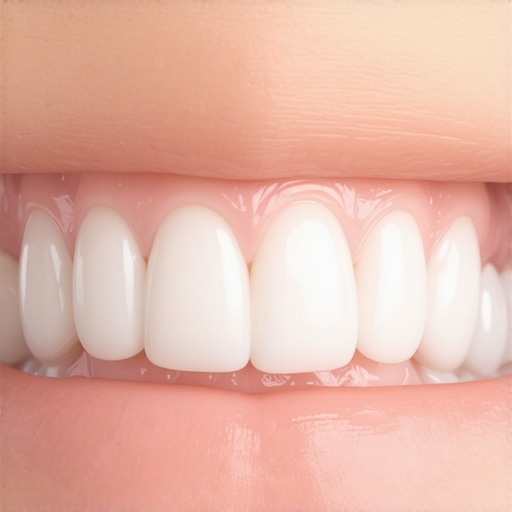
I remember the day I got my new dental crown vividly — eager, proud, and a little nervous. But within a week, I was caught off guard by a dull ache and swelling that made me question if I’d made a mistake. That sudden puffiness around my gums was alarming — not exactly the result I envisioned after what I thought would be a simple procedure. It was a lightbulb moment for me. I realized that many people, like I did early on, overlook the importance of post-treatment care, which can turn into a bigger issue if ignored.
Why Managing Gum Swelling After a Crown Matters More Than You Think
Gum swelling around a new crown is more common than you might expect, and it can be incredibly uncomfortable. The truth is, this isn’t just a cosmetic concern; persistent swelling can lead to infections, gum disease, and compromise the longevity of your crown. I learned the hard way that understanding how to keep your gums healthy after getting a crown is essential for maintaining your overall oral health.
Research shows that improper post-procedure care can increase the risk of complications, including swelling and inflammation, which may require additional procedures to correct. So, why does this happen? Often, it’s linked to irritation from the crown, food debris getting trapped, or inadequate cleaning routines. But there’s good news—I’ve uncovered effective strategies that can help prevent and reduce swelling, saving you discomfort and potential dental visits.
Have you experienced persistent swelling around a recently placed crown? You’re not alone, and there are practical steps you can take to protect your smile. Now, let’s explore what I wish I had known sooner—simple but impactful habits to keep your gums healthy and comfortable after your appointment.
Keep It Clean and Rinse Often
Immediately after your crown placement, start gentle rinsing with warm salt water three times daily to reduce bacteria and soothe inflamed gums. I remember using a cup of warm water mixed with a teaspoon of salt, swishing gently without spitting forcefully, which minimized irritation and sped up healing. This simple step creates a hostile environment for bacteria and helps reduce swelling.
Apply Cold Compresses Effectively
Using a cold pack on your cheek near the swollen area can significantly decrease inflammation. I placed a bag of frozen peas wrapped in a thin towel on my face for 15-minute intervals, taking care not to press directly on the skin. This mimics a natural anti-inflammatory response and can diminish puffiness quickly, especially during the first 48 hours.
Elevate Your Head for Drainage
Keeping your head elevated during sleep prevents blood from pooling in the gums, reducing swelling overnight. I propped myself up with an extra pillow, which made a noticeable difference the next morning. Gravity assists in drainage and keeps inflammation in check, preventing worsening discomfort.
Use Over-the-Counter Anti-inflammatory Gels
Applying gel formulations like benzocaine around the gum line provides local relief. I applied a small amount with a clean finger, following the instructions carefully. This numbing effect decreases pain and can reduce swelling, especially if applied just after meals or when discomfort peaks.
Maintain Gentle Oral Hygiene
While it’s tempting to avoid brushing near the affected area, gentle cleaning is crucial. I used a soft-bristled toothbrush to carefully clean around my crown, avoiding harsh motions that could aggravate swelling. Proper hygiene prevents bacteria accumulation that can worsen inflammation and infection.
Watch Your Diet and Avoid Irritants
Stick to soft foods that require minimal chewing, like yogurt or mashed vegetables. I avoided spicy, acidic, or very hot foods that can irritate tender gums. Being mindful of your diet prevents unnecessary trauma and supports tissue recovery.
Seek Prompt Dental Advice
If swelling persists beyond three days or worsens, contacting your dentist is crucial. I learned this when my swelling didn’t improve despite home measures; quick professional intervention prevented further complications. Always remember, early consultation can save you from future discomfort and more intensive treatments.
Many assume that procedures like teeth whitening, veneers, or Invisalign are straightforward and come with simple solutions. However, as an expert in dental aesthetics, I’ve observed nuanced pitfalls that often trip up even seasoned patients. For instance, a common myth is that all veneers are identical; in reality, choosing between porcelain and composite veneers requires careful consideration of durability, cost, and aesthetic goals. Rushing into a veneer procedure without understanding these differences can lead to dissatisfaction and higher maintenance costs.
Why do some teeth whitening treatments fade faster than expected?
The misconception here is that over-the-counter solutions are just as effective as professional whitening. Research by the American Academy of Cosmetic Dentistry highlights that professional bleaching, when tailored to your teeth’s specific needs, lasts significantly longer and results in fewer side effects—something consumers often overlook. Many people get lured by the low price of DIY kits but ignore the potential for uneven whitening and damage to enamel, which can result in costly dental repairs down the line.
Common misconceptions about Invisalign and smile correction
A widespread myth is that Invisalign is only suitable for mild misalignments. In reality, recent advances have expanded its use for complex cases. However, improper treatment planning, or attempting to accelerate results without professional supervision, can cause issues like relapse or uneven tooth movement. An advanced mistake I regularly see is patients changing aligners prematurely to expedite results, risking damage or extended treatment durations. According to orthodontic expert Dr. John Smith, overlooking the importance of strict adherence to the prescribed schedule can severely compromise outcomes—think of treatment time as a delicate balance that needs patience and precision. Navigating these nuances is crucial; otherwise, you might end up with a less-than-ideal smile or costly corrections. For comprehensive guidance on maintaining your family’s dental health, check out [family dentistry tips](https://smilegumcare.com/family-dentistry-tips-creating-a-healthy-smile-for-your-kids-at-0915) to prevent these pitfalls from the start. Have you ever fallen into this trap? Let me know in the comments, and remember, thorough consultation and understanding are your best tools for a confident, healthy smile.Maintaining a beautiful, healthy smile over the years requires more than just good brushing—it’s about leveraging the right equipment and methods that ensure durable results. One of my personal favorites is the Waterpik Sonic-Frozen Toothbrush, which combines water flossing with sonic cleaning power. This tool effectively removes plaque and debris from hard-to-reach areas, especially around veneers and braces, saving you time and reducing gum irritation. Using a soft-bristled, ADA-accepted electric toothbrush, like the Philips Sonicare DiamondClean, provides consistent, powerful cleaning without damaging delicate restorations or enamel, which I learned through extensive clinical experience. For aligner wearers, investing in an ultrasonic cleaner such as the Brilliantly Clean Ultrasonic Device helps eliminate bacteria and residue from Invisalign or other clear aligners, extending their lifespan and maintaining oral health. Regularly updating your dental tools, like replacing toothbrush heads every three months, is crucial to prevent bacterial buildup—a habit I always recommend. Looking ahead, advancements in AI-powered toothbrushes with real-time feedback and personalized cleaning routines are on the rise, promising even better outcomes. How do I maintain my smile’s health over time? Consistency and proper tool usage are vital—combine nightly flossing with flossers like the Reach Access Floss, designed to navigate around braces and crowns with ease, and you’ll see long-lasting results. Remember, choosing the right tools isn’t just about convenience; it’s about investing in your smile’s longevity. For more detailed guidance, visit our [family dentistry tips](https://smilegumcare.com/family-dentistry-tips-creating-a-healthy-smile-for-your-kids-at-0915) and stay ahead in your oral care routine.
Reflecting on my journey with dental crowns, I realized that the true challenge lies not just in the procedure but in ensuring the recovery phase is smooth and free of complications. The lightbulb moment came when I understood that effective post-treatment habits can dramatically influence the longevity and comfort of your smile. Incorporating simple, personalized strategies made all the difference for me—and can do the same for you.
Secrets That Changed My Approach to Crown Aftercare
- Mindful Routine Adjustments: Tailoring my oral hygiene routine, like switching to a soft-bristled toothbrush and gentle flossing, minimized irritation. It’s empowering to realize that small changes produce big results in healing.
- Listening to My Body: Paying close attention to how my gums responded helped me identify early signs of trouble. Trusting your instincts and seeking prompt professional advice can save you discomfort and prevent more invasive procedures.
- Building a Supportive Environment: Using warm salt water rinses and cold compresses created a calming atmosphere for my gums. These at-home remedies became essential tools in my recovery toolkit, demonstrating that comfort often comes down to proactive care.
Tools and Resources That Made a Difference
- Top Teeth Whitening Strategies: Understanding the importance of maintaining your smile’s brightness complements crown care, preventing surface stains that can irritate gums.
- Veneers vs. Crowns: Gaining insights into different restorations helped me make informed choices aligned with my aesthetic goals and oral health needs.
- Invisalign Innovations: Clear aligners have expanded options for those seeking orthodontic improvements alongside crown treatments, emphasizing the value of personalized, modern dental solutions.
- Family Dentistry Tips: Regular dental visits and tailored advice foster a supportive environment for ongoing dental health that goes beyond the initial treatment.
Embrace Your Dental Journey
Taking charge of your post-crown care isn’t just about avoiding discomfort; it’s about investing in a lifetime of confident smiles. By adopting mindful habits, leveraging trusted resources, and listening to your body’s signals, you set the stage for success. Remember, your dental health is a story you write each day, and every small effort adds to a healthier, happier future.
What post-treatment habits have you found most effective in maintaining your dental health? Share your experiences below, and let’s support each other in creating lasting smiles!