
Why Composite Veneers Tend to Stain Faster Than Porcelain
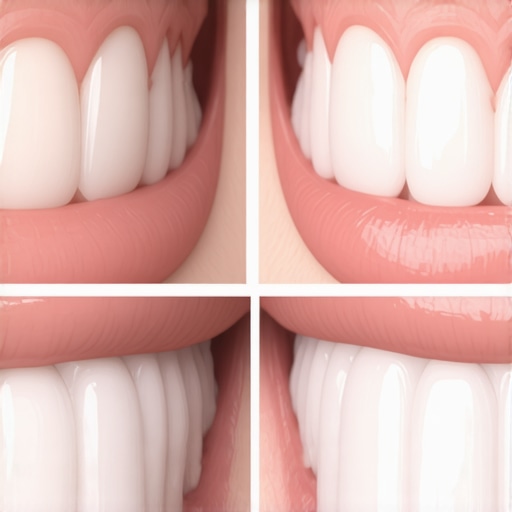
I remember the moment clearly—staring into the mirror and noticing a faint yellow tint creeping across my newly placed composite veneers. It was unsettling. Here I was, trying to brighten my smile, only to discover that my veneers weren’t quite as resilient as I thought. That lightbulb moment made me dig deeper into why composite veneers tend to stain faster than porcelain, and let me tell you, there’s more to this than meets the eye.
Unveiling the Real Difference Between Composite and Porcelain Veneers
Many of us assume that all veneers are created equal. But the truth is, the materials used and their properties profoundly impact how they age and stain over time. Composite veneers are made from a resin material that’s directly applied to your teeth, much like a thick layer of dental putty. Porcelain veneers, on the other hand, are crafted in a lab and bonded to your teeth with a strong adhesive. This difference isn’t just technical—it affects their resistance to staining, longevity, and overall appearance.
From personal experience and professional insights, I’ve learned that composite veneers are more porous than porcelain. That porosity is a double-edged sword: it allows for easier application and less invasive procedures but also invites stains from coffee, wine, and even certain foods. It’s akin to a sponge soaking up everything around it. As a result, maintaining a bright smile with composite veneers requires more diligent care and sometimes, more frequent touch-ups.
Interestingly, a study published in the Journal of Esthetic and Restorative Dentistry highlights how surface roughness and porosity contribute significantly to staining susceptibility. That’s why, early in my journey, I made the mistake of neglecting proper maintenance and choosing products that were too abrasive, which worsened the discoloration.
What We’ll Cover Today
In this post, I’ll share practical insights and proven strategies to help you keep your veneers looking their best. Whether you’re considering veneers or already have them, understanding these differences can be a game-changer. We’ll explore the best ways to care for composite veneers, how to minimize staining, and when to consider switching to porcelain for long-term benefits. Stay tuned—you’re about to learn some simple yet effective tips that can save your smile from premature staining and keep you confident in your reflection.
Is Professional Whitening Really Worth It?
Before diving into the details, I want to address a common concern: can whitening treatments improve composite veneers? The honest answer? Not quite. Unlike porcelain, composite material doesn’t respond well to traditional whitening agents, which often results in uneven coloring or damage. I learned this the hard way early on—so if you’re thinking about whitening, it’s best to consult your dentist first. For more on whitening options that work for veneers, check out this guide on top teeth whitening strategies.
Now, with that in mind, let’s move forward and uncover the practical steps you can take to ensure your veneers stay radiant longer. After all, a bright smile isn’t just about appearance—it’s about your confidence and well-being.
Establish a Consistent Oral Hygiene Routine to Protect Your Veneers
Start by brushing your teeth at least twice daily with a soft-bristled toothbrush and non-abrasive toothpaste. I recall a morning when I neglected this step, leading to a visible stain on my veneer that took days to polish away. Regular brushing reduces plaque buildup and minimizes surface porosity, which is crucial since composite veneers are more porous than porcelain. Incorporate gentle flossing afterward to remove debris between teeth, preventing stain accumulation along the margins.
Choose the Right Dental Products to Avoid Damage and Staining
Opt for a fluoride-based mouthwash and avoid harsh whitening agents. During a particularly coffee-heavy week, I tried a store-bought whitening rinse that left my veneers streaky. It reinforced the importance of selecting products formulated for veneers—these are milder and less likely to cause uneven coloration or surface roughness. Consult your dentist about compatible rinses, especially if you want to maintain a bright smile without risking damage.
Limit Exposure to Staining Foods and Beverages
Reduce your intake of coffee, red wine, and dark berries, or use a straw to limit contact with your veneers. I learned this lesson after a single evening of wine tasting—my veneers exhibited a noticeable darkening that took multiple professional cleanings to rectify. If avoiding these foods isn’t feasible, rinse your mouth with water immediately afterward to wash away residual pigments. This simple step can significantly slow down staining, especially on composite surfaces.
Implement Proper Maintenance and Regular Dental Check-Ups
Schedule professional cleanings every six months to remove surface stains and check for surface roughness. During my routine visit, my dentist used a gentle polishing paste specifically designed for veneers, which restored their shine and smoothed the surface, reducing porosity. Ask your dental provider about cleaning techniques that are safe and effective for composite veneers—some abrasive polishing methods can increase surface roughness and stain susceptibility.
Avoid Abrasive Toothpaste and Over-Whitening Attempts
Use non-abrasive toothpaste and steer clear of aggressive whitening treatments, which can erode the veneer surface. I once tried a whitening gel that claimed to be gentle but caused micro-scratches, making stains more likely to adhere later. Always check the label for abrasiveness ratings and consult your dentist before any whitening procedures, ensuring you don’t unintentionally harm your veneers. For professional whitening options suitable for veneers, see this comprehensive guide.
Stay Mindful of Smoking and Environmental Factors
Smoking, air pollution, and certain mouthwashes with dyes can contribute to staining. I noticed that after a week of quitting smoking, my veneers looked noticeably brighter, emphasizing how environmental factors play a role. If you can’t quit immediately, scheduling more frequent cleanings can help manage stains caused by external agents. Combining cessation efforts with diligent oral care offers the best long-term results.
Monitor Changes and Seek Expert Advice Promptly
Pay attention to early signs of discoloration or surface roughness. When I first noticed a slight dullness, I consulted my dentist promptly, who performed a quick polishing treatment that reversed the effect. Early intervention prevents stains from setting permanently. Establish a routine check-up schedule and discuss personalized maintenance tips with your dental professional, especially if you frequently consume staining foods or drinks.
Conclusion
Maintaining the brightness of your composite veneers isn’t about one-time efforts—it’s a consistent process that combines proper hygiene, product choices, and professional care. By adopting these strategies—akin to caring for a delicate but resilient garden—you’ll ensure your veneers remain stunning and stain-free for years to come. Remember, if you’re considering more extensive improvements, exploring options like veneers versus crowns can be beneficial—discover more at this guide.
Many individuals believe that cosmetic and preventive dental treatments are straightforward and universally effective, but the truth is, there’s a lot of nuance many overlook. For example, a common misconception about veneers is that they’re a permanent solution—yet, in reality, their longevity depends heavily on proper care and material choice. While porcelain veneers can last 10-15 years with good maintenance, composite veneers often need touch-ups sooner due to their higher porosity, which makes them more prone to staining and chipping. Understanding these subtle differences can save you from unexpected surprises.
Similarly, Invisalign is often dismissed as only suitable for minor misalignments, but with advanced techniques, it can address more complex cases. However, some patients underestimate the importance of adherence; wearing aligners consistently and following the prescribed schedule is crucial for optimal results. Neglecting this can extend treatment duration or even compromise the outcome. Beware of the myth that Invisalign can be effective if worn intermittently—it’s a trap that leads to subpar corrections.
In the realm of family dentistry, many think regular check-ups are only necessary when problems arise. Actually, routine visits are essential for early detection of issues like decay or malocclusion, especially in children whose teeth are developing rapidly. Don’t fall into the trap of skipping preventive care; it’s far more cost-effective and less invasive than fixing complex problems later. Explore comprehensive family dentistry strategies at this resource.
When it comes to whitening, there’s a widespread belief that over-the-counter products can dramatically brighten teeth without professional supervision. While some may see mild results, many don’t realize that improper use or products with abrasive agents can damage tooth enamel or cause uneven whitening. Professional treatments, backed by scientific research, offer safer and more effective options. For instance, a study published in the Journal of Esthetic and Restorative Dentistry highlights that customized whitening procedures significantly reduce risks associated with sensitivity and uneven results.
A common pitfall is believing that more is better—more whitening sessions, more veneers, or aggressive cleaning—yet, overdoing these can weaken teeth, lead to sensitivity, or jeopardize existing restorations. Balance and professional guidance are key here.
Finally, advanced patients often ask: How can I ensure my dental aesthetic choices align with long-term oral health? It’s vital to consider not just immediate results but also how materials age and interact with your habits. For example, aggressive whitening can erode enamel over time, diminishing overall durability. Being informed about the nuanced differences in materials and procedures ensures you make choices that support your health and confidence in the long run.
Have you ever fallen into this trap of oversimplifying dental treatments? Let me know in the comments. Remember, understanding the finer details empowers you to make smarter choices for your smile and health.
Investing in the Right Tools for Long-Term Dental Success
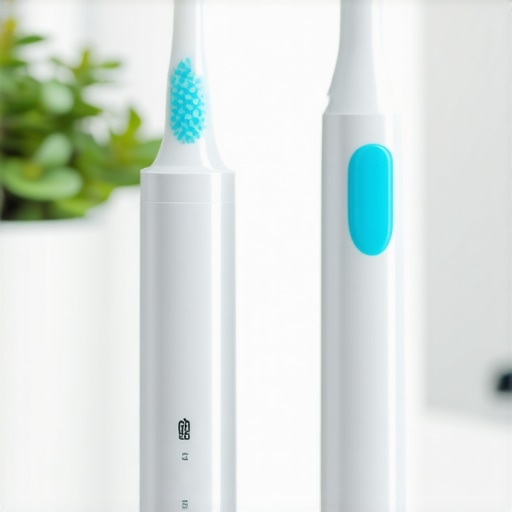
Maintaining a radiant smile and the integrity of veneers requires more than just good habits; it demands the use of specialized tools that ensure hygiene and durability. One of my top recommendations is the use of an ultrasonic toothbrush. Unlike standard brushes, ultrasonic models create millions of vibrations per minute, effectively dislodging plaque and surface stains without damaging delicate restorations. I personally use the Oral-B iO Series because it combines powerful cleaning with gentle handling, helping me maintain my veneers’ shine without wear.
Complementing the brush, a water flosser such as the Waterpik offers superior debris removal between teeth and along gumlines. For veneers, this is especially critical, as traditional flossing can sometimes cause micro-scratches that harbor stains. I recommend selecting a flosser with adjustable pressure settings—this allows you to customize the intensity, preventing damage while maximizing cleanliness.
Another essential tool is a silicone tongue scraper. It might sound simple, but regularly cleaning your tongue reduces bacterial buildup that contributes to staining and bad breath, especially when veneers are involved. Personally, I prefer models with curved edges that conform to the shape of my tongue, making the process comfortable and effective.
Why Regularly Updating Your Routine Matters
Over time, even the best tools can lose their effectiveness due to wear or buildup. That’s why I prioritize replacing my toothbrush head every three months and cleaning my water flosser’s reservoir weekly. Staying consistent with maintenance tools prevents bacteria accumulation and ensures your cleaning act always works at peak performance.
Predicting Future Trends in Dental Maintenance
As technology advances, smart toothbrushes equipped with Bluetooth connectivity and real-time brushing analytics are becoming more prevalent. These innovations can guide you to brush more effectively and target areas you might overlook. I believe integrating AI-driven tools will revolutionize at-home dental care, making it even easier to preserve veneers and overall oral health. For the tech-savvy, pairing your current routine with a device like the smart toothbrush can provide unprecedented insight into your oral hygiene.
How do I maintain my tools over time? Discover my personal routine
To keep these tools effective long-term, I make it a habit to sanitize them weekly using rubbing alcohol or specialized cleaning tablets. Additionally, storing them in a dry, hygienic place prevents bacterial growth and ensures they’re ready for use each day. Regularly inspecting each device for signs of wear—notably, frayed brush bristles or clogged nozzles—helps me replace parts before they compromise my routine. A good rule of thumb is to follow manufacturer guidelines and schedule replacements every three to six months.
Including these tools in your daily routine is a small investment that yields big benefits—saving you money on professional cleanings and extending the lifespan of your veneers. Plus, staying organized and attentive to your equipment keeps your smile as bright as your confidence. Ready to upgrade your maintenance game? Try incorporating an ultrasonic toothbrush and water flosser today; your future self will thank you, and your veneers will thank you for the gentle but thorough care.
Remember, effective maintenance is a blend of choosing the right tools and developing a consistent routine. For more expert insights into preserving your smile, explore the latest advancements in dental technology and incorporate these innovations into your daily care.
3 Unexpected Truths I Discovered About Veneers and Clear Aligners
One of my biggest lightbulb moments was realizing that perfect smiles aren’t just about choosing the right material; they depend heavily on ongoing care and understanding your own habits. For instance, I never appreciated how much environmental factors, like smoking or even air pollution, could impact the longevity of my veneers. Also, I used to think professional whitening was a magic fix—only to find out it offers limited benefits for composite veneers and can even cause damage if done improperly. Finally, I learned that being proactive with regular check-ups and using specialized tools like ultrasonic toothbrushes can make a surprising difference in maintaining that fresh, bright look.
My Personal Arsenal for a Healthy, Bright Smile
If you’re serious about preserving your veneers and overall dental health, here are a few game-changing tools I trust—based on experience. First, an ultrasonic toothbrush (such as the Oral-B iO Series) helps keep surfaces smooth and stain-free without damaging the material. A water flosser, like the Waterpik, is fantastic for thorough cleaning between teeth, especially around delicate restorations. Lastly, a silicone tongue scraper reduces bacterial buildup, which can contribute to discoloration. These tools, combined with professional cleanings, create a comprehensive routine that extends the life of your veneers and keeps your smile radiant.
Stay Inspired to Achieve Your Best Smile Today
Remember, your journey toward a confident, healthy smile isn’t just about appearance—it’s about feeling good every single day. Embracing proper care, choosing trusted tools, and understanding the nuances of veneers and teeth whitening empower you to make choices that serve your long-term health. Don’t wait for problems to arise—start integrating these habits today and see how your confidence blossoms. After all, your smile deserves the very best attention, and with a little knowledge and dedication, you’re well on your way to a brighter, more resilient future. What’s one new habit you’re ready to try to protect your smile? Share below—I’d love to hear your plans.