
The reason your veneers look gray in certain lighting
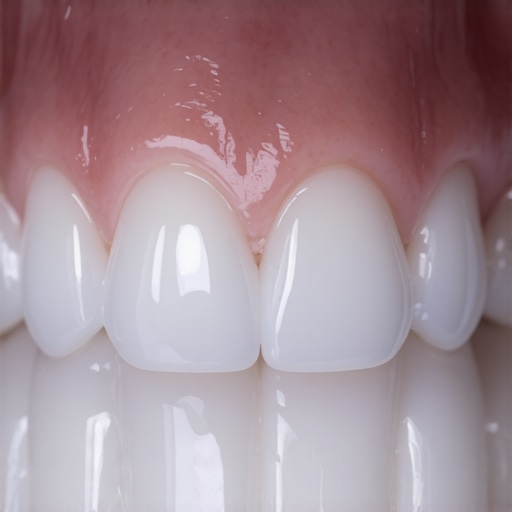
I remember walking into a candlelit restaurant for my anniversary, feeling like a million bucks with my brand-new smile. Then I caught a glimpse of myself in the hallway mirror. My front teeth didn’t look like the bright, pearly whites I’d paid for; they looked like cold, dull stone. Gray. Almost bruised. I panicked, wondering if I’d accidentally stained them or if the porcelain was failing already. It felt like I’d spent a small fortune just to look like I had a calcium deficiency in the wrong light. If you’ve ever looked at your smile in a dimly lit bar or under a specific office fluorescent and wondered why your teeth look gray instead of yellow and how to fix it, you aren’t losing your mind. Today, I’m going to help you understand exactly why this happens and why it’s usually not a hygiene issue at all. Have you ever noticed your smile completely changing colors the second you walk from your bathroom into your car?
Your Mirror Isn’t Lying But Your Lights Might Be
The lighting in your bathroom is a liar. So is the lighting in most dental offices. We live in a world of varying color temperatures, and porcelain is a bit of a chameleon. When your veneers look gray, it’s often due to a phenomenon called translucency. Natural teeth have a certain level of transparency, but if a veneer is too thin or the cement used underneath is too dark, the light gets trapped or absorbed rather than reflected back at the viewer. This is exactly what happened to me. One mistake I made early on was assuming that once the veneers were on, they were indestructible shields that would always look the same. I even fell for the trap of thinking I could “scrub” the gray away, but you have to stop brushing your veneers like they are real teeth with those high-abrasion whitening pastes, or you’ll just make them look worse over time. In fact, a study published in the Journal of Esthetic and Restorative Dentistry found that the ‘value’ or brightness of a dental restoration is the most difficult characteristic to match because of how different light sources—like LED versus natural sunlight—interact with the ceramic layers.
Is it normal to feel like you wasted your money?
It is totally normal to feel a bit of buyer’s remorse when the aesthetic doesn’t match the price tag. Often, the graying effect comes down to how the porcelain was layered. If you are worried about the look, you might want to check how to tell if your veneers are too white for your complexion or if they lack the necessary opacity to hide the natural tooth underneath. If your porcelain veneers look dull after a few years, it might be time for a professional polish or a conversation with your dentist about the bonding material. I also learned the hard way that the truth about using charcoal toothpaste on porcelain surfaces is that it’s a recipe for disaster; it can’t change the internal color and only risks scratching the glaze. We are going to dive into the technical reasons for this ‘graying’ and the simple fixes available to get your confidence back.
Identify the Root Cause of the Shadow
If you want to fix the gray, you first have to identify if the problem is coming from under the veneer or on it. Think of a veneer like a high-quality sheer curtain. If you hang a white sheer curtain over a dark navy wall, that curtain is going to look blue-gray no matter how much you wash it. In dental terms, this happens when your natural tooth prep is dark—maybe from an old root canal or tetracycline staining—and the porcelain is too translucent. I once sat in the chair for three hours while my dentist swapped out my ‘Try-In’ pastes. We realized that a standard clear cement made my smile look like it was under a storm cloud because my natural dentin was quite dark. We had to switch to an opaque, milky white bonding agent to block out the natural tooth color. This is why veneers made simple isn’t always so simple; it requires a literal ‘block out’ layer if your natural teeth aren’t already bright. If you haven’t had your permanent ones bonded yet, demand a try-in under natural light, not just the bright dental lamps.
Ditch the DIY Whitening Kits Immediately
I see so many people trying to use over-the-counter strips or searching for teeth whitening secrets to fix a gray veneer, but porcelain is non-porous. It won’t budge. In fact, if you have a mix of natural teeth and veneers, whitening the natural ones might actually make the gray veneers stand out more. If you find that your top teeth are white but the bottom ones stay yellow, you’re creating a contrast that highlights the dullness of the gray porcelain. Instead of scrubbing with abrasive pastes, you need a professional repolish. Over time, micro-scratches from coarse toothpaste or acidic drinks can trap light, making the surface look flat and gray. A specialized diamond polishing paste used in family dentistry can often buff those out and restore the ‘bounce’ of the light, making the material look vibrant again without needing a full replacement.
Check for Gum Health and Recessions
Sometimes the gray isn’t even the tooth—it’s the shadow from the gums. If you’ve noticed why your gums look grey around your old porcelain crowns or veneers, it could be the metal margin of an old restoration or just a lack of light hitting the gum line. This is why it’s vital to learn how to tell if your gum recession is caused by over-brushing. When the gum pulls back, the dark root of the tooth is exposed, creating a ‘gray halo’ effect at the top of the restoration. When I was dealing with my own graying issues, I was shocked to find out that it wasn’t the porcelain at all; it was a slight recession that was casting a shadow. My dentist used a 3D scan—much like Culpeper dentists are swapping traditional x-rays for 3D scans—to see exactly how the veneer was sitting against the bone. If your porcelain veneers look dull, don’t just accept it as aging. Sometimes, all you need is a professional cleaning to remove the ‘biofilm’ that builds up over years, which regular brushing can’t touch. If you are still in the planning phase, remember that the choice between veneers vs crowns can make a huge difference in how light travels through the tooth structure to prevent that gray cast from the start.Most people think the biggest challenge in family dentistry building healthy smiles for every generation is just getting the kids to brush. But the real nuance lies in identifying ‘silent’ issues like developmental hypocalcification. Have you ever noticed why your child has white spots on their new adult teeth? Many parents assume it is a lack of cleaning, but it is often an ‘oops’ factor from too much fluoride or even a high fever during tooth formation. If you jump straight to teeth whitening secrets for a sparkling smile to fix these, you will actually make the spots more visible because the healthy enamel whitens while the porous spot stays flat. It is a sophisticated trap. Speaking of traps, the ’18-hour rule’ for clear aligners is a massive misconception. A study in the American Journal of Orthodontics and Dentofacial Orthopedics suggests that ‘lag’ occurs when aligners are not worn for the full 22 hours, meaning the tooth never actually seats into the plastic. This is exactly the problem with wearing your aligners for only 18 hours a day; you are not just slowing down progress, you are causing the bone to ‘bounce,’ which leads to long-term instability.
Can a ‘perfect’ smile actually age your face?
In my experience, the biggest mistake in transforming your smile with veneers is ignoring the ‘incisal edge.’ When you look at natural, youthful teeth, the very tips are slightly translucent—almost blue-toned. If your dentist makes your veneers perfectly opaque from top to bottom, they look like dentures, not a premium upgrade. You have to learn how to stop your veneers from looking too white and fake by requesting ‘internal characterization.’ This is where the laboratory technician actually paints tiny, natural flaws into the porcelain. It sounds counterintuitive to pay for flaws, but that is the difference between a ‘Hollywood’ smile that looks like a mask and an invisalign innovation result that looks like you were born with great DNA. Have you ever fallen into this trap of choosing the whitest possible shade only to regret how it looks in photos? Let me know in the comments.Once you have navigated the complexities of choosing the right shade and texture, the real work begins: the long-term maintenance. I used to think a quick brush was enough, but after investing in a high-end smile, my perspective shifted to preservation. For those of us using aligners or wearing a night guard to protect our porcelain, you need more than a toothbrush. I personally swear by an ultrasonic cleaner—specifically the i-Sonic DS180. Unlike manual scrubbing, which can create micro-scratches where bacteria hide, the high-frequency sound waves reach into every microscopic crevice. If you skip this, you are essentially marinating your teeth in a bacterial soup every night. You must learn how to properly clean a night guard to prevent bacterial buildup or you will find yourself dealing with chronic bad breath and potential gum inflammation that ruins the aesthetic of your veneers.
Invest in Tools That Actually Protect Your Porcelain
Standard drug-store toothpaste is often too abrasive for cosmetic work. I’ve switched to a low-RDA (Relative Dentin Abrasivity) paste, like Sensodyne Pronamel, because it cleans without the grit that dulls the finish of your restorations. Another specific tool I recommend is a dedicated glass straw. It sounds niche, but if you are like me and refuse to give up your morning cold brew, it is the only way to keep the liquid from hitting the lingual side of your teeth. You can learn how to clean a reusable straw to protect your enamel to ensure your habit isn’t secretly causing stains where the porcelain meets your natural tooth. A study in the Journal of Prosthetic Dentistry highlights that the longevity of ceramic restorations is significantly increased when patient home-care includes non-acidic, pH-neutral oral rinses, as acidic environments can micro-etch the glaze over a decade of use.
How do I maintain my new smile over the next decade?
Consistency is more important than intensity. People often ask me if they can still enjoy a glass of Malbec or a cup of Earl Grey. You can, but you need a strategy. I always follow my tea with a quick water swish to neutralize the pH. If you are struggling with how to keep your teeth white without giving up black tea, the secret is timing—never let the tannins sit on your teeth for more than 20 minutes. For those with invisalign innovation or retainers, you also need to master how to clean the stubborn gunk out of your night guard using specialized crystals rather than harsh soaps which can degrade the plastic. Looking forward, I predict we will see the rise of ‘Digital Smile Twins’—AI-driven apps where you take a weekly photo and the software alerts you to the first sign of gum recession or glaze wear before it’s visible to the naked eye. My advanced tip for you today: buy a dedicated pH-testing kit for your mouthwash. If it’s too acidic, you are paying to slowly dissolve your own investment. Check your bottle today and see if it’s working for you or against you.
What I Learned After My First Gray Smile Scare
I spent years thinking that if my teeth looked dull, I just needed more bleach. But the hardest lesson I learned was that more whitening gel can actually highlight the very gray tones you’re trying to hide. If your base tooth is dark, you have to look into veneers made simple through opaque layering rather than just more chemicals. Another lightbulb moment was realizing that the best time of day to whiten your teeth isn’t nearly as important as the lighting you use to judge the results. Always check your smile in natural, indirect sunlight—like in your car on a cloudy day—to see the true color of your porcelain before you decide it’s ‘failing.’ It is also vital to recognize that the why your teeth look gray instead of yellow and how to fix it conversation usually starts with underlying dentin color, not surface stains.
#IMAGE_PLACEHOLDER_E#
The Survival Kit for a High-End Smile
Maintaining that pearly-white glow requires more than a standard toothbrush; it requires a commitment to preservation. I trust these specific tools to keep my investment safe: first, a low-RDA toothpaste that won’t scratch the glaze; second, a pH-neutral mouthwash to prevent micro-etching; and third, an ultrasonic cleaner for my night guard. You can find more details in the ultimate guide to teeth whitening options in 2025 if you want to compare professional versus at-home methods for keeping that brightness high. Also, remember that you must properly clean a night guard to prevent bacterial buildup, as those bacteria can actually stain the bond lines of your veneers over time, creating a dark border that mimics decay.
Reclaim Your Radiant Confidence
Your smile is often the first thing people notice, and feeling self-conscious about a gray or dull cast can hold you back from being your true self. Whether you need a simple repolish or a complete rethink of your restoration, there is always a path forward in family dentistry building healthy smiles for every generation. Don’t let a ‘shadowy’ smile dim your personality; modern ceramic technology has evolved far beyond the flat, gray-toned results of the past. Have you ever noticed your teeth looking gray in specific lighting or felt like your veneers lost their spark after a few years? Let me know in the comments below!