
Why your gums are receding despite brushing twice a day
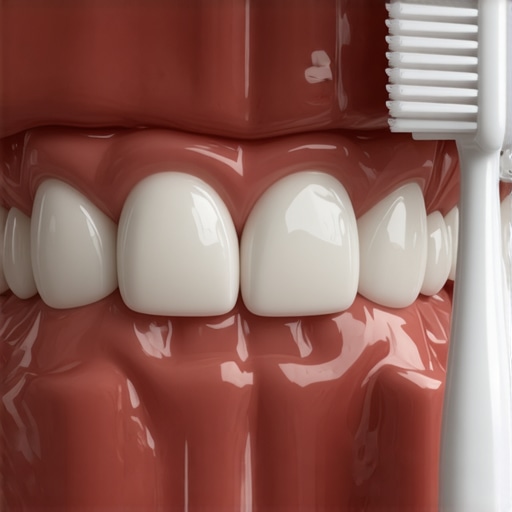
I still remember the Tuesday morning I leaned into my bathroom mirror, toothbrush in hand, and felt a cold shiver that had nothing to do with the minty toothpaste. I’ve always been a bit of a dental overachiever—brushing twice a day, flossing whenever I remembered, and never missing a cleaning. But there it was: a tiny, yellowed sliver of root peeking out from under my gum line on my upper left canine. It felt like a total betrayal. I thought I was doing everything right, but my gums were retreating like they were scared of my own toothbrush. If you’ve noticed your teeth looking a bit “longer” or feel a sharp zing when you sip cold water, you aren’t alone, and you aren’t necessarily failing at hygiene. Today, we’re going to figure out exactly why this is happening and how to stop the retreat before you’re looking at major surgery.
My Brushing Habit Was Actually Hurting Me
When I first saw that recession, my instinct was to brush even harder to “fix” it. Big mistake. I eventually learned that I was literally scrubbing my gums away with my own hands. It turns out that over-brushing is a leading cause of recession for people who think they are being extra clean. I was using a medium-bristled brush and moving it in aggressive horizontal saws. My dentist told me I was treating my mouth like a dirty grout line instead of living tissue. This is a classic trap in family dentistry; we teach our kids to brush, but we often forget to teach them the gentle “how” and the “how hard.” I was an expert at the frequency, but a disaster at the force.
Is it possible to brush your way into a dental disaster?
You might be skeptical. How can hygiene cause harm? The reality is that gum tissue is incredibly delicate. According to the American Academy of Periodontology, about 50% of Americans over age 30 have some form of periodontal disease, but for the “clean freaks” among us, the issue is often mechanical trauma rather than bacteria. If you are using the wrong technique, you are basically sanding down your smile. Have you ever looked at your toothbrush and noticed the bristles are splayed out like a dead spider? If so, you’re definitely pressing too hard and probably seeing that pink line migrate upward.
The Sneaky Culprits Behind Gum Recession
Aside from my own “scrub-aholic” tendencies, I discovered there are several other reasons why your gums are receding despite your best efforts. Sometimes it’s genetics—thanks, Mom and Dad—and other times it’s the way your teeth are aligned. I’ve seen friends opt for Invisalign to fix crowding that was making their gums pull back due to uneven pressure on the bone. Even if you’ve invested in veneers, the health of the underlying gum is the foundation of everything. If you don’t address the root cause, no amount of cosmetic work will stay looking good for long. Have you noticed a specific tooth where the gum seems lower than the rest? Drop a comment or reach out—I’d love to hear if your experience matches mine. We’re going to dive into the specific mechanical and biological shifts you need to make right now.I used to think my electric toothbrush was doing the work for me, but the first time I used one with a pressure sensor, the handle turned a frantic, neon red. I wasn’t just brushing; I was excavating. If you want to stop the retreat, you have to audit your toolkit and your technique immediately.
Throw Away Your Hard Toothbrush Right Now
The first thing my dentist did was confiscate my medium-bristle brush. He explained that firm bristles are great for cleaning grout in a bathroom, but they are a death sentence for delicate gingival tissue. You need a soft or extra-soft brush. Think of your gums like a silk scarf; you wouldn’t scrub silk with a wire brush. If you’ve recently invested in veneers, this is even more critical because the gum line is where the magic happens—and where it can fail if you’re too aggressive. I even found that I had to stop brushing your veneers like they are real teeth to prevent damaging the bond and the surrounding tissue.
The 45-Degree Angle That Saved My Smile
It isn’t just about the tool; it’s about the physics of the stroke. Instead of sawing back and forth, I learned the Modified Bass Technique. You aim the bristles at a 45-degree angle toward the gum line. You don’t scrub; you wiggle the brush in tiny circular motions. When I first tried this, it felt like I wasn’t doing anything. I was convinced my teeth would stay furry. But after a few days, I realized the reason your teeth feel furry only a few hours after brushing is usually about plaque biofilm, which responds better to gentle agitation than blunt force trauma. 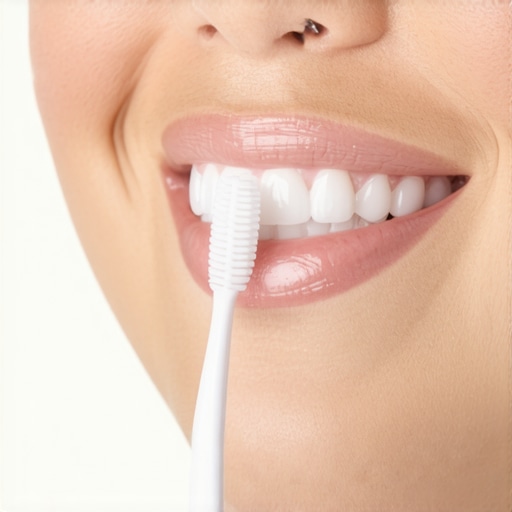
Balancing White Teeth with Sensitive Gums
One of my biggest hurdles was my obsession with a bright smile. I was using whitening strips every other week, which made my exposed roots scream. If you’re looking into teeth whitening options in 2025, you have to be careful. Whitening chemicals on exposed dentin—the stuff under your enamel—is like pouring lemon juice on a paper cut. I had to learn how to manage the zingers after a professional whitening session by focusing on desensitizing pastes first. If your gums are already pulling back, you might even find that why your professional whitening didn’t work as well as last time is because the recession is changing how light hits your teeth.
Why Alignment Matters More Than You Think
Sometimes the issue isn’t how you brush, but where your teeth sit. My canine was jutting out slightly, which meant it took the brunt of every bite and every brush stroke. This is where Invisalign innovation comes in. By moving the tooth back into the bone envelope, you take the physical stress off the gum. If your teeth are crowded, you might notice the reason your gums bleed only when you floss one specific tooth is because that tooth is essentially pushed out of the protective gum line. Fixing the alignment is like realigning the tires on a car—it stops the uneven wear and tear before the whole foundation fails.Let’s dig deeper into a nuance that most high-volume clinics miss: the ‘perfect teeth’ trap. Most people assume that once they invest in veneers or complete Invisalign innovation treatments, the hard part is over. In reality, that’s when the strategy shifts. If you think a porcelain restoration is a shield against gum disease, you’re setting yourself up for an expensive ‘Oops’ moment. I’ve seen patients spend a fortune on a Hollywood smile only to ignore the underlying bone health, resulting in the dreaded ‘black triangle’ gaps. Have you ever fallen into this trap? Let me know in the comments.
Why Whitening Your Bonding Is a Losing Battle
One of the most common mistakes I see involves DIY chemistry. People often try to brighten their smile using over-the-counter kits, but they forget that the mistake of using whitening strips on dental bonding or ceramic surfaces is that these materials simply do not bleach. You end up whitening the natural tooth structure around the restoration, which makes the ‘fake’ part look darker and more obvious by comparison. If you want a uniform look, you have to plan your teeth whitening options in 2025 before the permanent work is placed. It sounds simple, but it’s a nuance that separates a good result from a professional one.
Can Your Bathroom Lights Actually Change the Color of Your Teeth?
This sounds like a myth, but it’s pure physics. If you’ve ever wondered why your teeth look yellow in certain bathroom lighting, you’re dealing with a phenomenon called metamerism. Your teeth—and especially your veneers—reflect light differently depending on the source. High-end family dentistry takes this into account, selecting shades that look natural in both natural daylight and warm evening settings. If you go too white, you risk the ‘refrigerator’ look, which is why learning how to stop your veneers from looking too white and fake is the first conversation you should have with your provider.
The Hidden Biological Limit to Your Smile
Let’s get technical for a second. There is a concept called the ‘biological width.’ This is the specific amount of space your body needs between the edge of a restoration and the top of the bone. If a dentist places a crown or veneer too deep into the sulcus, your body will literally destroy its own bone to create space. A study published in the Journal of Periodontology suggests that ignoring these individual ‘gingival biotypes’—basically the thickness of your tissue—is a leading cause of chronic inflammation and receding lines. This is why the subtle difference between a corporate clinic and local Culpeper family dentistry matters; it’s about having a doctor who looks at the 3D bone structure, not just the tooth surface. 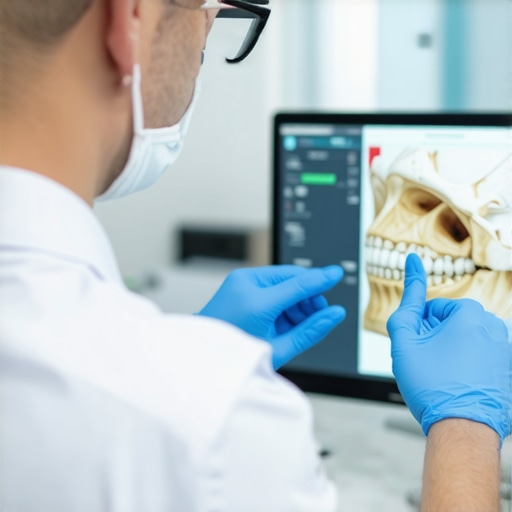
Manage Your Expectations for Aging Restorations
No dental work lasts forever without help. If you notice why your porcelain veneers look dull after five years, it might not be the porcelain itself, but the microscopic scratches from using abrasive ‘whitening’ toothpastes. This is where the ‘clean freak’ habit returns to haunt you. You have to treat these investments with specific non-abrasive gels to maintain that luster. It’s not just about keeping them white; it’s about keeping the surface smooth so bacteria can’t latch on and cause the very recession you’re trying to avoid.That’s why I finally stopped buying whatever was on sale at the grocery store and started looking at the RDA (Relative Dentin Abrasivity) score of my toothpaste. If you aren’t checking this number, you’re basically playing Russian Roulette with your enamel. The International Organization for Standardization (ISO) 11609 specifies that any paste exceeding an RDA of 250 is unsafe for long-term use, but for those of us with veneers or thin enamel, that limit is far too high. I strictly stick to gels with an RDA under 70 to ensure I am not micro-scratching the finish of my dental work and inviting stain-causing bacteria to settle in.
Stop Guessing and Start Measuring Your Brushing Pressure
I used to think I was a ‘heavy-handed’ brusher, but I didn’t realize how much damage that was doing until I switched to a water flosser with a variable pressure dial. Standard string flossing is great for kids, but if you have permanent work, you need a way to flush out the sulcus without causing mechanical trauma to the gums. This is the secret to how to keep your teeth white without giving up black tea; it’s about removing the tannins before they have a chance to settle into the microscopic pores of your teeth. I’ve found that using the ‘pulse’ setting on my flosser at a medium intensity provides the perfect balance of stimulation and cleaning. If you find that the real reason your coffee stains keep coming back after a cleaning is due to a rough tooth surface, a water flosser is your best friend for maintaining that smooth, stain-resistant finish. 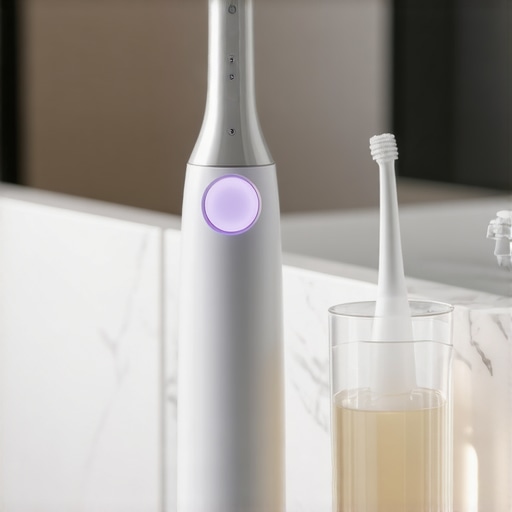
How do I keep my dental work looking brand new over time?
Maintenance isn’t a one-and-done event; it’s a nightly ritual that requires the right equipment. Beyond the brush, your most important tool is likely sitting in a plastic case on your nightstand. If you’ve finished orthodontic treatment, you need to master how to clean plaque off a permanent retainer wire to prevent localized gum recession around the bottom teeth. Furthermore, if you are prone to grinding your teeth at night, you must learn how to properly clean a night guard to prevent bacterial buildup. A dirty guard isn’t just unappealing—it’s a breeding ground for the pathogens that cause chronic inflammation. I use a dedicated sonic cleaner for my guard, which reaches the tiny crevices that a manual brush misses, ensuring my gums stay healthy while I sleep.
Expect Better Technology in Your Next Checkup
Looking ahead, the way we manage dental health is shifting from reactive repairs to proactive digital monitoring. We are seeing a massive trend toward 3D modeling and AI-driven diagnostics. For instance, the real reason Culpeper dentists are swapping traditional x-rays for 3D scans isn’t just for better pictures; it’s to create a digital baseline of your bone and gum levels that we can track over decades. In the future, I expect smart mirrors to use infrared light to detect early decay or recession before it’s even visible to the naked eye. This level of precision means we can stop recession in its tracks rather than just managing the damage later. If you want to see where your own oral health stands or if you’re ready to upgrade your smile, contact us today. I challenge you to look up the RDA value of your current toothpaste tonight—if it’s over 100, swap it for a low-abrasive gel immediately to protect your gums.I still remember the Tuesday morning I leaned into my bathroom mirror, toothbrush in hand, and felt a cold shiver that had nothing to do with the minty toothpaste. I’ve always been a bit of a dental overachiever—brushing twice a day, flossing whenever I remembered, and never missing a cleaning. But there it was: a tiny, yellowed sliver of root peeking out from under my gum line on my upper left canine. It felt like a total betrayal. I thought I was doing everything right, but my gums were retreating like they were scared of my own toothbrush. If you’ve noticed your teeth looking a bit “longer” or feel a sharp zing when you sip cold water, you aren’t alone, and you aren’t necessarily failing at hygiene. Today, we’re going to figure out exactly why this is happening and how to stop the retreat before you’re looking at major surgery.
My Brushing Habit Was Actually Hurting Me
When I first saw that recession, my instinct was to brush even harder to “fix” it. Big mistake. I eventually learned that I was literally scrubbing my gums away with my own hands. It turns out that over-brushing is a leading cause of recession for people who think they are being extra clean. I was using a medium-bristled brush and moving it in aggressive horizontal saws. My dentist told me I was treating my mouth like a dirty grout line instead of living tissue. This is a classic trap in family dentistry; we teach our kids to brush, but we often forget to teach them the gentle “how” and the “how hard.” I was an expert at the frequency, but a disaster at the force.
Is it possible to brush your way into a dental disaster?
You might be skeptical. How can hygiene cause harm? The reality is that gum tissue is incredibly delicate. According to the American Academy of Periodontology, about 50% of Americans over age 30 have some form of periodontal disease, but for the “clean freaks” among us, the issue is often mechanical trauma rather than bacteria. If you are using the wrong technique, you are basically sanding down your smile. Have you ever looked at your toothbrush and noticed the bristles are splayed out like a dead spider? If so, you’re definitely pressing too hard and probably seeing that pink line migrate upward.
The Sneaky Culprits Behind Gum Recession
Aside from my own “scrub-aholic” tendencies, I discovered there are several other reasons why your gums are receding despite your best efforts. Sometimes it’s genetics—thanks, Mom and Dad—and other times it’s the way your teeth are aligned. I’ve seen friends opt for Invisalign to fix crowding that was making their gums pull back due to uneven pressure on the bone. Even if you’ve invested in veneers, the health of the underlying gum is the foundation of everything. If you don’t address the root cause, no amount of cosmetic work will stay looking good for long. Have you noticed a specific tooth where the gum seems lower than the rest? Drop a comment or reach out—I’d love to hear if your experience matches mine. We’re going to dive into the specific mechanical and biological shifts you need to make right now.I used to think my electric toothbrush was doing the work for me, but the first time I used one with a pressure sensor, the handle turned a frantic, neon red. I wasn’t just brushing; I was excavating. If you want to stop the retreat, you have to audit your toolkit and your technique immediately.
Throw Away Your Hard Toothbrush Right Now
The first thing my dentist did was confiscate my medium-bristle brush. He explained that firm bristles are great for cleaning grout in a bathroom, but they are a death sentence for delicate gingival tissue. You need a soft or extra-soft brush. Think of your gums like a silk scarf; you wouldn’t scrub silk with a wire brush. If you’ve recently invested in veneers, this is even more critical because the gum line is where the magic happens—and where it can fail if you’re too aggressive. I even found that I had to stop brushing your veneers like they are real teeth to prevent damaging the bond and the surrounding tissue.
The 45-Degree Angle That Saved My Smile
It isn’t just about the tool; it’s about the physics of the stroke. Instead of sawing back and forth, I learned the Modified Bass Technique. You aim the bristles at a 45-degree angle toward the gum line. You don’t scrub; you wiggle the brush in tiny circular motions. When I first tried this, it felt like I wasn’t doing anything. I was convinced my teeth would stay furry. But after a few days, I realized the reason your teeth feel furry only a few hours after brushing is usually about plaque biofilm, which responds better to gentle agitation than blunt force trauma.
Balancing White Teeth with Sensitive Gums
One of my biggest hurdles was my obsession with a bright smile. I was using whitening strips every other week, which made my exposed roots scream. If you’re looking into teeth whitening options in 2025, you have to be careful. Whitening chemicals on exposed dentin—the stuff under your enamel—is like pouring lemon juice on a paper cut. I had to learn how to manage the zingers after a professional whitening session by focusing on desensitizing pastes first. If your gums are already pulling back, you might even find that why your professional whitening didn’t work as well as last time is because the recession is changing how light hits your teeth.
Why Alignment Matters More Than You Think
Sometimes the issue isn’t how you brush, but where your teeth sit. My canine was jutting out slightly, which meant it took the brunt of every bite and every brush stroke. This is where Invisalign innovation comes in. By moving the tooth back into the bone envelope, you take the physical stress off the gum. If your teeth are crowded, you might notice the reason your gums bleed only when you floss one specific tooth is because that tooth is essentially pushed out of the protective gum line. Fixing the alignment is like realigning the tires on a car—it stops the uneven wear and tear before the whole foundation fails.Let’s dig deeper into a nuance that most high-volume clinics miss: the ‘perfect teeth’ trap. Most people assume that once they invest in veneers or complete Invisalign innovation treatments, the hard part is over. In reality, that’s when the strategy shifts. If you think a porcelain restoration is a shield against gum disease, you’re setting yourself up for an expensive ‘Oops’ moment. I’ve seen patients spend a fortune on a Hollywood smile only to ignore the underlying bone health, resulting in the dreaded ‘black triangle’ gaps. Have you ever fallen into this trap? Let me know in the comments.
Why Whitening Your Bonding Is a Losing Battle
One of the most common mistakes I see involves DIY chemistry. People often try to brighten their smile using over-the-counter kits, but they forget that the mistake of using whitening strips on dental bonding or ceramic surfaces is that these materials simply do not bleach. You end up whitening the natural tooth structure around the restoration, which makes the ‘fake’ part look darker and more obvious by comparison. If you want a uniform look, you have to plan your teeth whitening options in 2025 before the permanent work is placed. It sounds simple, but it’s a nuance that separates a good result from a professional one.
Can Your Bathroom Lights Actually Change the Color of Your Teeth?
This sounds like a myth, but it’s pure physics. If you’ve ever wondered why your teeth look yellow in certain bathroom lighting, you’re dealing with a phenomenon called metamerism. Your teeth—and especially your veneers—reflect light differently depending on the source. High-end family dentistry takes this into account, selecting shades that look natural in both natural daylight and warm evening settings. If you go too white, you risk the ‘refrigerator’ look, which is why learning how to stop your veneers from looking too white and fake is the first conversation you should have with your provider.
The Hidden Biological Limit to Your Smile
Let’s get technical for a second. There is a concept called the ‘biological width.’ This is the specific amount of space your body needs between the edge of a restoration and the top of the bone. If a dentist places a crown or veneer too deep into the sulcus, your body will literally destroy its own bone to create space. A study published in the Journal of Periodontology suggests that ignoring these individual ‘gingival biotypes’—basically the thickness of your tissue—is a leading cause of chronic inflammation and receding lines. This is why the subtle difference between a corporate clinic and local Culpeper family dentistry matters; it’s about having a doctor who looks at the 3D bone structure, not just the tooth surface.
Manage Your Expectations for Aging Restorations
No dental work lasts forever without help. If you notice why your porcelain veneers look dull after five years, it might not be the porcelain itself, but the microscopic scratches from using abrasive ‘whitening’ toothpastes. This is where the ‘clean freak’ habit returns to haunt you. You have to treat these investments with specific non-abrasive gels to maintain that luster. It’s not just about keeping them white; it’s about keeping the surface smooth so bacteria can’t latch on and cause the very recession you’re trying to avoid.That’s why I finally stopped buying whatever was on sale at the grocery store and started looking at the RDA (Relative Dentin Abrasivity) score of my toothpaste. If you aren’t checking this number, you’re basically playing Russian Roulette with your enamel. The International Organization for Standardization (ISO) 11609 specifies that any paste exceeding an RDA of 250 is unsafe for long-term use, but for those of us with veneers or thin enamel, that limit is far too high. I strictly stick to gels with an RDA under 70 to ensure I am not micro-scratching the finish of my dental work and inviting stain-causing bacteria to settle in.
Stop Guessing and Start Measuring Your Brushing Pressure
I used to think I was a ‘heavy-handed’ brusher, but I didn’t realize how much damage that was doing until I switched to a water flosser with a variable pressure dial. Standard string flossing is great for kids, but if you have permanent work, you need a way to flush out the sulcus without causing mechanical trauma to the gums. This is the secret to how to keep your teeth white without giving up black tea; it’s about removing the tannins before they have a chance to settle into the microscopic pores of your teeth. I’ve found that using the ‘pulse’ setting on my flosser at a medium intensity provides the perfect balance of stimulation and cleaning. If you find that the real reason your coffee stains keep coming back after a cleaning is due to a rough tooth surface, a water flosser is your best friend for maintaining that smooth, stain-resistant finish.
How do I keep my dental work looking brand new over time?
Maintenance isn’t a one-and-done event; it’s a nightly ritual that requires the right equipment. Beyond the brush, your most important tool is likely sitting in a plastic case on your nightstand. If you’ve finished orthodontic treatment, you need to master how to clean plaque off a permanent retainer wire to prevent localized gum recession around the bottom teeth. Furthermore, if you are prone to grinding your teeth at night, you must learn how to properly clean a night guard to prevent bacterial buildup. A dirty guard isn’t just unappealing—it’s a breeding ground for the pathogens that cause chronic inflammation. I use a dedicated sonic cleaner for my guard, which reaches the tiny crevices that a manual brush misses, ensuring my gums stay healthy while I sleep.
Expect Better Technology in Your Next Checkup
Looking ahead, the way we manage dental health is shifting from reactive repairs to proactive digital monitoring. We are seeing a massive trend toward 3D modeling and AI-driven diagnostics. For instance, the real reason Culpeper dentists are swapping traditional x-rays for 3D scans isn’t just for better pictures; it’s to create a digital baseline of your bone and gum levels that we can track over decades. In the future, I expect smart mirrors to use infrared light to detect early decay or recession before it’s even visible to the naked eye. This level of precision means we can stop recession in its tracks rather than just managing the damage later. If you want to see where your own oral health stands or if you’re ready to upgrade your smile, contact us today. I challenge you to look up the RDA value of your current toothpaste tonight—if it’s over 100, swap it for a low-abrasive gel immediately to protect your gums.
The Hardest Lessons My Bathroom Mirror Taught Me
First, remember that your gingival biotype—the natural thickness of your tissue—is like your height; you can’t change it, but you can work with it. If you have thin gums, you are at a higher risk for recession regardless of how well you brush. Second, don’t ignore the “black triangles” forming between teeth. These are often the first signs of bone loss, not just a cosmetic nuisance. Third, if you’ve already noticed why your professional whitening didn’t work as well as last time, it might be because receding gums are exposing dentin, which reacts differently to bleach than enamel.
My Essential Routine for a Recession-Proof Smile
A sonic cleaner is a non-negotiable if you wear any kind of dental appliance. Learning how to properly clean a night guard to prevent bacterial buildup is the only way to ensure you aren’t bathing your gums in pathogens for eight hours every night. I also recommend a water flosser for anyone who wants to know how to keep your teeth white without giving up black tea, as it flushes tannins out of the gum line without the abrasive scrubbing that causes recession. Finally, stay connected with a provider who understands family dentistry building healthy smiles for every generation to catch these shifts early.
Your Smile Foundation Is Worth the Effort
Recession feels like a one-way street, but with the right technique and a focus on biological health, you can stabilize your smile for decades. You don’t need to be a dental “overachiever” to have a healthy mouth; you just need to be a gentle observer of your own body. Your journey in family dentistry is about preservation as much as it is about improvement. Have you ever switched toothbrushes only to find your gums felt more sensitive than before? Let me know your experience in the comments below!