
The reason your child’s breath smells even after they brush
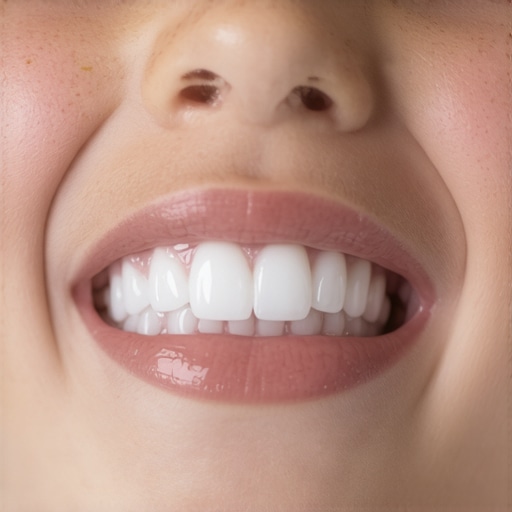
I remember leaning in for a bedtime hug from my seven-year-old, expecting that sweet, minty-fresh scent we’d just worked so hard for. Instead, I got hit with a scent that I can only describe as stale broccoli meets old gym socks. I was baffled. We had just spent three solid minutes—timer and all—scrubbing every corner of those little teeth. If you’ve ever found yourself wondering how a tiny human can produce such a giant odor immediately after a cleaning, you aren’t alone. It’s that sinking feeling that you’re failing at the most basic parenting task: keeping them healthy. But here’s the thing I learned the hard way: brushing is only half the battle. Today, I want to walk you through why that lingering smell happens and how we can finally get your kid’s breath back to neutral. [placeholder]
Stop Blaming the Toothbrush for Everything
When I first noticed my daughter’s breath wasn’t improving, my gut reaction was to just brush harder. I even tried switching to those sweet bubblegum pastes, thinking the scent would overpower whatever was going on. It didn’t work. In fact, my biggest mistake was assuming the teeth were the only source of the stink. I was ignoring the tongue, the tonsils, and even the way she slept. Most parents think it’s a lack of effort, but often, the hidden cause of morning breath or daytime odors has nothing to do with how well you scrub those pearly whites. It’s usually about what’s happening in the places your brush can’t reach. Have you ever felt like you’re fighting a losing battle with your kid’s toothbrushing routine?
Is This Actually About Hygiene?
It’s easy to get defensive and think, ‘I’m a good parent, why does my kid smell like a swamp?’ But skepticism is healthy here. You might wonder if expensive specialty rinses are the only answer or if your child has a secret candy stash. While diet plays a role—and we’ve all seen the breath effects of a garlic-heavy meal—the real culprit is frequently biological. According to a study published in the Journal of Clinical Pediatric Dentistry, nearly 85% of halitosis cases originate in the mouth, but a surprising number are actually related to mouth breathing or enlarged tonsils that trap food particles. If your little one is a mouth breather, their saliva dries up, and without that natural wash, bacteria throw a party. I realized that until I addressed my son’s habit of sleeping with his mouth open, no amount of fluoride was going to save us. Sometimes, the smell is more like mothballs than rotten eggs, which is a huge clue that we’re dealing with something other than just missed plaque. Let’s look at what’s really going on behind those lips.
Clean the Tongue Like You’re Scraping a Grill
If you think of the mouth as a kitchen, the teeth are the countertops and the tongue is the porous, wall-to-wall shag carpet. You can wipe the counters all day, but if the carpet is full of old spills, the room will still smell. Most pediatric bad breath lives in the tiny bumps on the tongue called papillae. I’ll never forget the first time I actually looked at the back of my son’s tongue with a flashlight. It wasn’t pink; it was a dull, creamy white. I bought a small, kid-sized scraper and the result was both disgusting and satisfying. We pulled off a layer of ‘tongue mud’ that smelled exactly like the problem we were trying to solve. Even if you use the best family dentistry tips, skipping the tongue is a fatal flaw in the routine.
Reach the Very Back Without the Gag Reflex
The trick to cleaning a tongue without a battle is to have them stick their tongue out as far as possible and make an ‘ahhh’ sound, which flattens the surface and pushes the gag-sensitive area further back. If they struggle with sitting still, you might need to learn the trick to getting your toddler to open wide without the daily drama. Use a gentle, back-to-front motion with the scraper. If you’ve ever wondered why your breath still smells bad after using a tongue scraper, it’s often because you’re only cleaning the front half. The real sulfur-producing bacteria live in the ‘dead zone’ near the throat. For younger kids who are nervous, start with a wet washcloth wrapped around your finger before graduating to a plastic tool.
Check for Tiny Food Traps in the Tonsils
Sometimes the odor isn’t coming from the mouth at all, but from the throat. Tonsil stones, or tonsilloliths, are small, calcified lumps of food and bacteria that get stuck in the nooks and crannies of enlarged tonsils. They smell like concentrated rot. In our house, we discovered my daughter had deep tonsil ‘crypts’ after she complained of a scratchy throat that wasn’t a cold. When she coughed, a tiny white speck came out—it smelled like mothballs. If you see white spots in the back of the throat, don’t panic; they aren’t always a sign of infection. Understanding why your child has white spots or throat debris is part of ensuring family dental care is comprehensive. Gargling with warm salt water can help dislodge these particles safely and naturally.
Keep the Saliva Flowing with Better Hydration
Saliva is the mouth’s natural detergent. It neutralizes acids and washes away the microscopic debris that bacteria feed on. If your kid is constantly running around and forgetting to drink water, their mouth becomes a stagnant pond. This is why the hidden cause of morning breath is simply a lack of saliva production overnight. Encourage them to drink a full glass of water first thing in the morning and right before bed. While you’re supervising the sink time, make sure they aren’t doing the ‘swallow’ trick—learning how to stop your toddler from swallowing fluoride toothpaste is crucial because excessive ingestion doesn’t help the breath and can actually cause issues with their adult teeth later.
Fix the Nighttime Mouth Breathing Habit
If your child wakes up with breath that could peel paint, check their sleeping position. Mouth breathing dries out the oral tissues instantly, removing the protective layer of spit and allowing bacteria to flourish. This often happens if they have seasonal allergies or slightly enlarged adenoids. I noticed my son was a ‘mouth breather’ because his pillow was always dry, but his lips were constantly cracked and peeling. We started using a humidifier in his room and focusing on how to brush a toddlers teeth specifically at night to ensure no sugar was left to ferment in that dry environment. By keeping the nasal passages clear and the mouth hydrated, you stop the bacterial party before it even starts.
Most parents assume that once the braces come off or the ‘perfect’ dental work is done, the hygiene battles are over. I’ve seen families invest thousands in Invisalign innovation only to realize their child’s breath has actually gotten worse. Here is a hard truth most people get wrong: clear aligners aren’t inherently cleaner than metal braces. In fact, they can act like a sealed lid on a petri dish. If your teen is making the mistake of wearing your aligners for only 18 hours a day or snacking with them in, they are trapping sugar and bacteria against the enamel for hours. This leads directly to the hidden reason your clear aligners have a persistent odor. A 2022 study published in the Journal of Clinical Medicine found that clear aligner users often show significantly higher levels of volatile sulfur compounds if they skip even a single midday cleaning cycle. Have you ever fallen into this trap? Let me know in the comments. #IMAGE_PLACE_HOLDER_C#
Why Does the Funk Return Right After a Professional Cleaning?
You’d think a deep clean would reset the clock, but sometimes the smell is trapped in ‘black triangles’—those tiny, microscopic gaps that appear between teeth after they’ve been straightened. I’ve found that learning how to avoid the dreaded black triangles after braces is actually more important for long-term breath than the cleaning itself. If those gaps exist, they act as silos for rotting food that a standard brush simply cannot reach. This is a level of family dentistry building healthy smiles for every generation that goes beyond just checking for cavities; it’s about managing the physical architecture of the mouth.
Don’t Bleach Your Way Out of a Structural Problem
Another massive ‘oops’ I see is parents trying to ‘bleach away’ the smell or stains on restorative work. If your child has a chipped tooth fixed with resin bonding, the mistake of using whitening strips on dental bonding will only make the surrounding natural teeth brighter. This makes the bonded area—which doesn’t change color—look darker and ‘dirtier’ by comparison. If you notice why your teeth look gray instead of yellow and how to fix it, it might not be a hygiene issue at all, but rather a sign of thin enamel or internal staining that requires a professional’s eye rather than a drugstore box. Even with older teens or adults, knowing how to stop your veneers from looking too white and fake is about balance, not just maximum brightness. Real expertise in ensuring family dental care means recognizing when the issue is biological and when it’s just a mismatch of dental materials.
The Gear That Actually Kills the Funk
I used to think a toothbrush and a little bit of elbow grease were enough to keep my kids’ dental appliances fresh. I was wrong. If you’ve ever noticed why your aligner trays are starting to turn yellow despite constant scrubbing, it’s because manual brushing creates microscopic scratches that trap bacteria. Now, I swear by a small ultrasonic cleaner. These little devices use high-frequency sound waves to create cavitation bubbles that literally blast biofilm off the surface without abrasive damage. According to a technical report in the Journal of Prosthetic Dentistry, ultrasonic cleaning is significantly more effective at reducing microbial counts than soaking alone. It’s the only way to truly learn how to clean the stubborn gunk out of your night guard or retainers without ruining the material.
#IMAGE_PLACE_HOLDER_D#
How do I maintain my smile results over time?
Maintenance is a marathon, not a sprint. Once you’ve invested in veneers made simple or completed an Invisalign journey, the work moves to the invisible details. For us, that meant mastering the ‘permanent retainer’ struggle. You have to know how to clean plaque off a permanent retainer wire because that little metal bar is a magnet for calcium buildup. If you ignore it, you’re just inviting gum disease to your front teeth. I also keep a stash of pH-balanced oral rinses rather than the harsh alcohol-based ones that dry out the mouth. If you’re a parent, the biggest hurdle is usually how to get your teen to wear their retainer without constant nagging. The trick? Make the hygiene part so easy and high-tech that they actually enjoy the process.
Why Your Bathroom Counter Needs a Tech Upgrade
We are moving into an era where ‘smart’ dental care isn’t just a gimmick. I’m predicting that within the next few years, we’ll all be using home-scanning apps that sync with our dentist’s office to catch issues before they require a drill. This is already happening with Invisalign innovation and virtual check-ups. Even the way we view our teeth is changing, as dentists are swapping traditional X-rays for 3D scans to provide a more precise maintenance plan. If you have aesthetic work, you must stop brushing your veneers like they are real teeth. Using highly abrasive pastes is a disaster. You need a soft-bristled electric brush with a pressure sensor to ensure you aren’t wearing down the glaze. Also, steer clear of the ‘natural’ trend of charcoal; the truth about charcoal toothpaste and your tooth enamel is that it’s far too gritty for expensive dental work. Try switching to a nano-hydroxyapatite paste tonight—it’s a game-changer for sensitivity and long-term enamel health.
The Lightbulb Moments That Saved My Kid’s Social Life
After months of trial and error, I realized that modern family dentistry isn’t just about the absence of cavities; it’s about the balance of the whole oral biome. One major realization was that a ‘clean’ mouth doesn’t always smell clean if the pH is off. If your child is struggling with persistent odors, look past the enamel. I learned that hydration is more effective than any mouthwash, and that the back of the tongue is a literal reservoir for bacteria that no toothbrush can fully reach. Most importantly, I stopped treating the smell as a failure of parenting and started treating it as a biological puzzle to solve. We often focus on the front of the smile, but the real work of family dentistry building healthy smiles for every generation happens in the places we can’t see in a mirror.
What’s Actually Worth the Money for Family Dental Health
You don’t need a bathroom full of gadgets, but a few specific tools made a massive difference for us. First, a dedicated tongue scraper is non-negotiable—it’s far more effective than a brush and much easier on the gag reflex. Second, I highly recommend looking into ultrasonic cleaners if your child has any removable appliances; it’s the only way to truly understand how to clean the stubborn gunk out of your night guard or retainer effectively. Finally, we swapped out our standard fluoride paste for a nano-hydroxyapatite version that helps remineralize while staying gentle. Staying informed on ensuring family dental care means knowing which tech is a gimmick and which is a game-changer for your daily routine.
Reclaiming Your Morning Hugs
The journey to fresh breath isn’t just about hygiene—it’s about the confidence your child feels when they lean in to talk to a friend or give you a goodnight kiss. By addressing the ‘hidden’ areas like the tongue and tonsils, and ensuring they stay hydrated, you’re setting them up for a lifetime of health. If you’re ever unsure about a persistent odor or a physical change in their mouth, don’t hesitate to reach out to a professional; you can always contact us for guidance. Your commitment to their family dentistry routine today pays off in their confident smiles tomorrow. Have you ever found a ‘surprise’ like a tonsil stone while checking your child’s throat? Let me know below.