
How to stop your gums from hurting when you wear your retainer
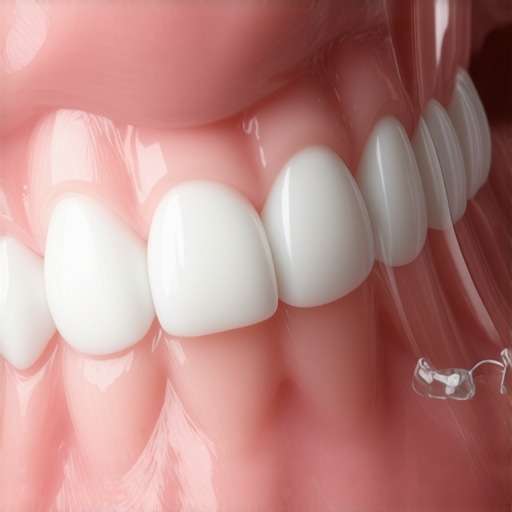
I remember waking up at 3 AM with a pulse in my jaw that felt like a tiny, angry drum. I’d spent the last few days ‘forgetting’ my retainer on the nightstand, and in a fit of guilt, I’d forced it back onto my teeth before bed. It was a visceral, throbbing mistake. My gums weren’t just sore; they felt like they were being actively rejected by the plastic. If you’ve ever looked in the mirror and seen a red, angry line where your retainer meets your gums, I want you to know I’ve been there—and it doesn’t have to stay that way. Today, we are going to dive into the practical, slightly ‘un-clinical’ ways to get that relief you’re desperate for so you can keep your smile straight without the constant ache. Have you ever woken up with that ‘bruised gum’ feeling after a night with your retainer?
Stop Your Retainer from Fighting Your Gums
It is so tempting to just ‘tough it out,’ isn’t it? I spent three weeks doing exactly that, convinced that my mouth was just being dramatic. I even ignored a tiny sharp bit on the edge of the tray until I had to learn how to manage the pain of a mouth ulcer from your braces or, in my case, a poorly fitting retainer. That was my first big mistake: assuming pain is a mandatory part of the dental tax we pay for straight teeth. The reality is that your gums are incredible indicators of health, but they are also sensitive to even the slightest shift in pressure. Often, the discomfort comes from a lack of consistency. If you’re constantly wondering how to stop your teeth from shifting after your braces come off, you know the pressure to wear the retainer is real, but when that pressure turns into a sharp digging sensation, something is wrong. According to a study published in the Journal of Clinical Orthodontics, nearly 30% of patients report some level of gingival irritation during the first few weeks of appliance wear, but persistent pain usually points to a fit issue. Have you ever felt like your retainer was fine for months and then suddenly started attacking your mouth?
Does My Mouth Just Hate This Plastic?
It’s a valid question. You might feel like your gums are uniquely thin or that the plastic is just too aggressive for your anatomy. I used to be convinced my gums were the problem, not the retainer. But usually, it’s a combination of hygiene and fit. If you notice the reason your bottom retainer keeps clicking out of place, it’s a huge red flag that the fit has changed, which causes the edges to rub against your soft tissue. Much like the invisalign secrets used by people with clear aligners, the key is often in the prep work before you even pop the tray in. We are going to look at how to soothe that inflammation and when it’s time to admit your retainer needs a professional adjustment.
Look for the Rough Spots
First, you need to play detective with the plastic. Think of your retainer like a new pair of leather boots—sometimes there is a stiff edge that needs breaking in, but if it’s cutting you, it’s not a ‘break-in’ period, it’s a design flaw. I once spent an entire Tuesday feeling a sharp prick on my left molar. I thought I just had a piece of popcorn stuck, but it turned out to be a tiny burr on the edge of the tray. If you find a sharp bit, don’t reach for the sandpaper yet. Instead, learn how to fix the sharp edge on a broken tooth with dental wax by applying that same wax to the offending part of the retainer. This creates a soft barrier while your gums heal.
Keep the Bacteria Off Your Gums
Inflammation isn’t always about pressure; sometimes it’s about the ‘invisible film’ living on your appliance. When you wear a retainer for eight hours, it becomes a greenhouse for bacteria. If you aren’t cleaning it daily, that bacteria sits directly against your gum line, causing redness and swelling. It’s similar to the best way to clean your night guard so it doesnt smell; use a gentle, non-abrasive soak. I used to think a quick rinse with water was enough until my gums started looking like they had a sunburn. Once I started deep-cleaning the tray every morning, the ‘bruised’ feeling disappeared within forty-eight hours.
Use Cold Water and Salt to Calm the Storm
When the pain is active, you need an immediate physiological reset. A saltwater rinse is essentially a fire extinguisher for oral inflammation. It draws out the excess fluid in your swollen gum tissue, reducing the pressure against the plastic. If you are currently struggling with how to deal with the pressure of a new invisalign tray, or a tight retainer, try rinsing with lukewarm salt water three times a day. It’s a low-tech solution that works better than most over-the-counter gels because it treats the swelling at the source rather than just numbing the surface.
Respect the 22 Hour Rule
The most common cause of gum pain is actually ‘the bounce-back effect.’ If you leave your retainer out for too long, your teeth begin to drift—even just a fraction of a millimeter. When you finally force the retainer back in, you are essentially performing a mini-orthodontic adjustment in one night. This is why many people wonder how to stop your teeth from shifting after your braces come off without the agony. Consistency is the only way to keep the peace. If you’ve been lax, you have to ease back in. Start by wearing it for an hour during the day before committing to the full night. This allows the ligaments to adjust gradually rather than being shocked into place at 11 PM.
When Your DIY Fix Is Just a Band-Aid
If you see a gap between the tray and your teeth, or if you notice the reason your bottom retainer keeps clicking out of place is a physical warp in the plastic, stop trying to fix it at home. Retainers can warp if they are cleaned in water that is too hot or if they are stepped on. A warped retainer is a dangerous tool because it applies ‘uncontrolled’ force. Unlike the precision of invisalign innovation which is calculated by software, a bent retainer is just a piece of plastic pushing your teeth in random directions. If the pain persists for more than three days of consistent wear, it’s time to call the office for a professional fit check.
Why Pain Is Never a Sign of Progress
I hear this all the time: ‘If it hurts, it means it’s working.’ This is perhaps the most dangerous myth in modern dentistry. While a slight tightness is expected, sharp pain or bleeding gums is your body’s way of sounding an alarm. When you force a retainer that doesn’t fit, you aren’t just moving teeth; you’re risking root resorption. A study published in the British Dental Journal highlights that excessive orthodontic force can lead to permanent damage to the periodontal ligament. If you are constantly battling discomfort, you might be looking for how to stop your veneers from looking too white and fake when you should actually be worrying about the structural integrity of the teeth underneath those restorations. Pain is a signal to stop and reassess, not a milestone to celebrate.
The Whitening Trap You Might Be Falling For
One of the most common ‘nuance’ mistakes I see involves patients trying to brighten their smile while wearing a retainer or after getting dental work. Here is the trap: whitening gels only work on natural enamel. If you have any dental bonding or porcelain work, that gel is doing absolutely nothing to those surfaces. I’ve seen people desperately searching for the mistake of using whitening strips on dental bonding only after they’ve ended up with a multi-colored smile. Worse yet, many try to use abrasive DIY hacks. Please, stay away from them. I cannot stress enough the truth about using charcoal toothpaste on porcelain surfaces; it acts like sandpaper on your expensive dental work, stripping away the polish and leaving the surface porous and prone to deep staining.
Why do your porcelain veneers look dull after five years of wear?
It’s a sophisticated question that most beginners don’t think to ask. You expect porcelain to be permanent, right? While the material itself is incredibly durable, the ‘glow’ often fades because of microscopic scratches from improper cleaning. If you’ve noticed why your porcelain veneers look dull after five years of wear, it’s usually because of using a toothpaste that is too high on the RDA (Relative Dentin Abrasivity) scale. This is where veneers made simple becomes complicated; you need a non-abrasive gel to maintain that glass-like finish. Once that polish is gone, the veneer will begin to pick up stains from coffee and tea much faster than it did on day one.
Stop Fighting the 22-Hour Clock
The most frustrating nuance of clear aligners like invisalign innovation is the compliance window. Most people think ‘close enough’ is fine, but there is a massive physiological difference between 18 hours and 22 hours of wear. When you fall into the problem with wearing your aligners for only 18 hours a day, your teeth spend six hours every day ‘rebounding.’ This constant back-and-forth movement creates inflammation in the gums that feels like a dull, permanent ache. It’s not the aligner’s fault; it’s the ‘jiggling’ of the tooth in the socket. Have you ever fallen into this trap of thinking a few hours of freedom wouldn’t hurt? Let me know in the comments.
If you want to keep that alignment crisp and those veneers glowing, you have to move beyond the basic drugstore toothbrush. I personally swear by ultrasonic cleaners for anyone with a retainer or clear aligners. These little pods use high-frequency sound waves to create millions of microscopic bubbles that implode against the plastic, reaching deep into pits where bacteria hide. If you skip this level of cleaning, you are inviting the hidden reason your clear aligners have a persistent odor that no amount of mouthwash can fully kill.
Upgrade Your Toolkit for a Forever Smile
Beyond the ultrasonic pod, you need to be surgical about your daily routine. When I’m traveling and can’t use my pod, I rely on pH-balanced cleaning foams that double as a whitener. This prevents the plastic from yellowing while keeping my breath fresh. However, if you’ve let things go for too long, you might need to learn how to clean the stubborn gunk out of your night guard or retainer before the buildup causes gum irritation. 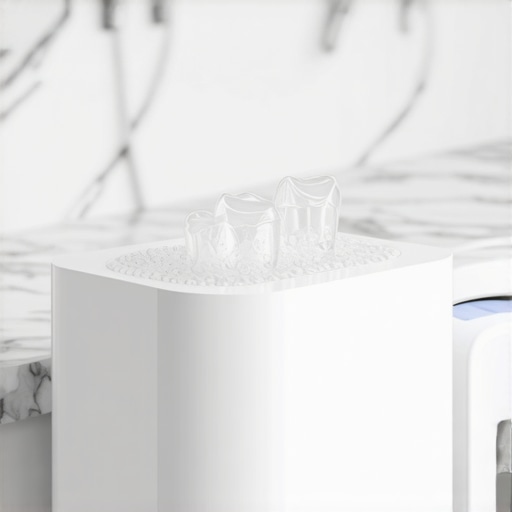
Why Your Family Needs a Unified Dental Game Plan
High-quality dental care isn’t just an individual sport; it’s a household habit. Whether you are dealing with family dentistry building healthy smiles for every generation or just trying to set a good example for your kids, consistency is the goal. I often see parents who are hyper-focused on their own invisalign secrets but forget that their children need specific preventative strategies too. This is why ensuring family dental care involves more than just booking appointments—it’s about the tools you keep in the communal bathroom cabinet.
How do I keep my dental work looking brand new for decades?
The secret isn’t a miracle product; it’s protecting the investment from physical wear. If you have veneers, you are probably already enjoying the boost in confidence, but you must learn how to keep your veneers from chipping if you grind your teeth at night. A night guard is non-negotiable here. Additionally, if you’re a coffee lover, you don’t have to give up your morning cup, but you should know how to keep your coffee habit without ruining your new veneers by rinsing with water immediately after drinking. According to long-term stability research published in the American Journal of Orthodontics and Dentofacial Orthopedics, even minor lapses in maintenance can lead to significant dental shifting over a ten-year period.
What the Future of Scanning Means for Your Comfort
Looking ahead, the days of gooey impression molds are numbered. I predict that within five years, every local office will be using AI-integrated 3D scanning to detect fit issues before you even feel the pain. You can already see this shift in the real reason culpeper dentists are swapping traditional x-rays for 3d scans; it’s about precision and catching problems while they are still ‘invisible’ to the naked eye. If you haven’t already, I strongly encourage you to invest in an ultrasonic cleaner today—it is the single most effective way to protect your aligners and your gum health simultaneously.
The Dental Lessons I Had to Learn the Hard Way
Reflecting on my own journey, the biggest ‘lightbulb moment’ was realizing that dental pain is never a badge of honor. I used to think if my retainer was tight, it meant my teeth were staying put, but that pressure was actually causing micro-trauma to my gum line. I also discovered that searching for teeth whitening secrets for a sparkling smile in 2025 is useless if you haven’t mastered the basics of inflammation control. Your gums need to be calm before you can focus on the aesthetics. Consistency is the secret sauce that prevents the ‘rebound effect’ and keeps your smile stable without the constant ache.
The Gear I Actually Use Every Morning
To keep my mouth in peak condition, I rely on a few non-negotiables that I trust completely. First, an ultrasonic pod is a lifesaver for removing that ‘invisible film’ that causes irritation and persistent odors. Second, I always keep a supply of dental wax for those unexpected rough edges that can happen even with high-end appliances. If you’re currently weighing the benefits of veneers vs crowns, remember that the longevity of either choice depends heavily on the cleaning tools you use daily. Finally, I trust a pH-balanced foam to keep my breath fresh without drying out my tissues, which helps avoid the common problem with wearing your aligners for only 18 hours a day or less.
#IMAGE_PLACEHOLDER_E#
Protecting Your Investment for the Long Haul
Ultimately, your smile is a lifelong commitment that requires a bit of daily discipline and the right professional support. Whether you are implementing family dentistry tips for your children or perfecting your own adult alignment, remember that consistency beats intensity every time. Don’t wait for a ‘3 AM jaw pulse’ to take action when something feels off. If your retainer feels warped or your gums remain red despite your best efforts, please contact us to get a professional adjustment. Your future self will thank you for the comfort and stability you prioritized today. Have you ever struggled with persistent gum soreness from a retainer? Let me know in the comments below!