
How to Remove the White Spots That Appear on Your Teeth After Braces
I will never forget the sound of the pliers clicking as my orthodontist popped the last metal bracket off my teeth. I had been counting down the days for two and a half years, dreaming of a red-carpet-ready smile. But when I finally looked in that tiny hand mirror, I didn’t see perfection. I saw a series of ghostly, chalky white squares right in the middle of my front teeth. I felt like a total failure. After all that time and money, my teeth looked like a unfinished paint job. If you are standing in front of your bathroom mirror right now feeling that same sting of disappointment, I want you to take a deep breath. You aren’t alone, and this isn’t a permanent sentence.
Why Those Chalky Squares Ruined My Big Reveal
Those spots are what dentists call demineralization. Basically, it is the early stage of a cavity where the enamel has lost its essential minerals because plaque sat around those brackets for just a little too long. My big mistake? I thought “good enough” was enough. I was lazy with my proxy brushes because they were a hassle, and I didn’t realize that even a tiny bit of trapped food was eating away at my shine. It is a common struggle in family dentistry, where we see kids and adults alike transition out of orthodontics only to find these marks. Today, we are going to walk through the exact steps to remineralize that enamel and get your confidence back. I’ll show you how to move past the guilt and actually fix the damage. But first, let me ask: did your orthodontist warn you about this, or did you find out the hard way like I did?
Is This Just Another Marketing Gimmick for Expensive Treatments?
You might be skeptical that anything short of porcelain veneers can fix this. I was too. I worried I’d have to spend thousands more just to hide the spots. However, the data is actually on our side. According to research published in the American Journal of Orthodontics and Dentofacial Orthopedics, nearly 50% of patients develop these white spot lesions during treatment. Because it is such a widespread issue, the technology to treat it has exploded. We aren’t just trying to mask the color with teeth whitening secrets; we are looking at ways to actually soak minerals back into the tooth. It is about structural repair, not just a cosmetic cover-up. We also need to make sure we stop your teeth from shifting while we focus on the aesthetics, because a straight smile is only half the battle. Let’s dive into the professional and at-home methods that actually move the needle.
Start with the Foundation Not the Cover-Up
The first thing I did was run to the drugstore for the strongest whitening strips I could find. Huge mistake. If you apply standard teeth whitening options directly to demineralized spots, the white areas just get whiter, making them stand out even more against the rest of your tooth. Instead, you need to focus on remineralization. Think of your enamel like a dried-out sponge; it is full of tiny pores that need to be soaked in minerals. I started using a high-concentration fluoride paste and something called MI Paste. For three months, I applied this at night after brushing. It didn’t make the spots disappear instantly, but it stopped the sensitivity and began to “fill in” those chalky areas. This is a common first step we recommend in family dentistry because it is non-invasive and strengthens the tooth from the inside out.
The Sponge Effect and Icon Resin Infiltration
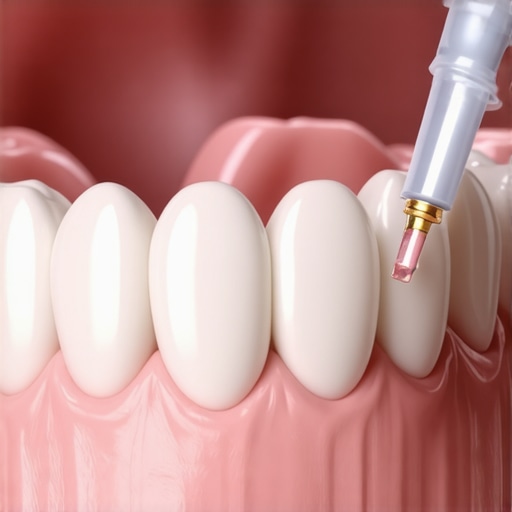
If the spots are stubborn, your dentist might suggest “Icon” treatment. This was a game-changer for me. It’s a process where the dentist uses a special gel to open up the pores of the white spot and then “infiltrates” it with a liquid resin. Because the resin has the same light-reflecting properties as healthy enamel, the white spot literally fades into the rest of the tooth. It’s like wetting a dry white sponge; as it absorbs the water, it turns the same color as the rest of the material. There’s no drilling and no shots. It is much less invasive than getting veneers, and it preserves your natural tooth structure. I remember sitting in the chair for 45 minutes, and when I looked in the mirror, the most aggressive spot on my left canine was almost invisible.#IMAGE_PLACE_HOLDER_B#
Balance the Color Without Overdoing It
Once the structural integrity is addressed, you can look at brightening the overall shade. The trick is to wait at least two weeks after any resin infiltration before you try to whiten your teeth. You want the minerals to settle. I once made the mistake of using whitening strips too early on a sensitive area, and I felt those “zingers”—sharp flashes of pain—for two days straight. If you have kids or teens dealing with this, you have to be extra careful because white spots on front teeth can be a major source of insecurity. Professional supervision ensures that you don’t damage the enamel further while trying to fix the color.
Don’t Forget the Protection Phase
While you are obsessing over the color, do not forget that your teeth are still on the move. Your ligaments are like rubber bands that want to snap back to their old positions. You must stop your teeth from shifting by being religious about your retainer. If your teeth start to overlap again, those white spots will be the least of your aesthetic concerns. If the damage is too deep for resin or fluoride—which happens if the plaque was there for years—that is when we discuss more permanent solutions like veneers vs crowns. But for most of us, these early intervention steps are enough to save the smile we worked so hard for.Most people think that once they graduate to porcelain veneers, they are essentially ‘invincible’ to stains and decay. That is a dangerous myth that even seasoned dental patients fall for. In fact, if you don’t change the fundamental habits that led to your initial enamel issues, your expensive new smile will fail faster than your natural one. I’ve seen patients spend five figures on a total transformation only to wonder why their veneers look gray or dull just a few years later. The truth is that the junction where the porcelain meets your natural tooth—the margin—is incredibly vulnerable. If your family dentistry routine doesn’t involve meticulous flossing at that gum line, bacteria will tunnel under that porcelain and rot your natural tooth structure from the inside out. It’s a nightmare scenario that no one expects when they’re looking at those perfect ‘before and after’ photos on social media. Furthermore, a study in the Journal of Prosthodontic Research highlights that porcelain is brittle under shear force, meaning your nighttime grinding isn’t just a nuisance—it’s a financial ticking time bomb for your cosmetic work.
Can Invisalign really cause more cavities than traditional braces?
This is the question that keeps many adults up at night when choosing between brackets and clear trays. We are told Invisalign is cleaner because you can take the trays out to brush. However, there is a hidden nuance I call the ‘greenhouse effect.’ When you snap a plastic tray over your teeth, you are essentially trapping saliva, sugars, and acids against your enamel for 22 hours a day. If you aren’t brushing every single time you eat—even after a quick morning latte—you are marinating your teeth in a corrosive bath. This is why some people end up with more decay during aligner treatment than they ever would have with traditional metal braces. You might even notice your aligners have a persistent odor, which is a major red flag that harmful bacteria is winning the battle. #IMAGE_PLACE_HOLDER_C#
The over-whitening trap that turns your teeth transparent
We all want a bright smile, but there is a point of diminishing returns that most influencers never mention. I once thought that the more I used teeth whitening options, the more ‘perfect’ I would look. But here’s the advanced secret: healthy teeth aren’t meant to be perfectly opaque white. Real enamel has a natural translucency, especially at the biting edges where the light should pass through. When you over-whiten, you can strip away the optical depth of your enamel, causing it to look thin, blue, or even gray. You end up with what pros call ‘the ghost smile.’ A study published in the Journal of Esthetic and Restorative Dentistry notes that over-bleaching changes the way light reflects through the tooth structure, often leading to a lifeless, flat appearance. If you’ve ever wondered why your teeth look gray despite your best efforts at home, you might actually be over-doing the chemical treatments. You have to balance brightening with structural health to avoid that flat, ‘denture-like’ look. To keep things looking natural, you might need to stop your veneers from looking too white and fake by choosing shades that mimic the subtle gradients found in real nature. Have you ever fallen into this trap of over-correcting your smile? Let me know in the comments. We also have to be careful when we use whitening strips on dental bonding or other composites because the materials respond differently, creating a patchy mess. Real expertise in family dental care isn’t about using the strongest chemicals; it’s about the smartest application.Once you have spent the time and money on a major smile upgrade, the real work begins in the bathroom sink. I used to think a basic toothbrush was all I needed, but I quickly learned that maintaining porcelain veneers or clear aligners requires a specialized toolkit. My absolute non-negotiable is a Waterpik with the ‘Plaque Seeker’ tip. This specific attachment has three thin tufts of bristles that reach those tiny gaps where the veneer meets the gum line. If you feel like your veneers are catching on your tongue, it might actually be a tiny ledge of tartar that the Waterpik could have blasted away. I also swear by pH-neutral mouthwashes. Most drugstore rinses are surprisingly acidic, which can etch the surface of your bonding over time, making it look dull.
Stop Your Nighttime Grinding from Crushing Your Results
If you are a ‘clencher’ like me, you are the biggest threat to your own dental work. I didn’t realize that the force of human jaws can exceed 200 pounds per square inch during sleep. Without a custom-fitted night guard, you are essentially gambling with your porcelain. According to clinical guidelines from the American College of Prosthodontists, a properly balanced occlusal guard is the most effective way to prevent porcelain fracture in patients with bruxism. I personally use a hard-acrylic lab-made guard because those soft ‘boil-and-bite’ ones from the pharmacy can actually encourage you to chew more, which is the last thing you want. You need to keep your veneers from chipping by creating a physical barrier that absorbs that nocturnal pressure. #IMAGE_PLACE_HOLDER_D#
How do I maintain my smile over time?
The secret isn’t just cleaning; it’s consistency and early detection. You have to treat your family dentistry appointments like a high-stakes business meeting. Missing even one check-up can lead to issues that are invisible to the naked eye. For example, if you have Invisalign, you might not notice that a tooth is ‘lagging’ in its movement until it’s too late and you need a costly refinement. I always tell my friends to look for the ‘halo’ in their trays—if there is a gap between the tooth and the plastic, something is wrong. Don’t ignore the real cost of skipping your cleaning, because a small $100 fix today is much better than a $2,000 replacement next year.
Where Dental Tech is Heading in the Next Five Years
I predict that the ‘dentist’s office’ is going to move into our smartphones much faster than we think. We are already seeing the rise of AI-powered remote monitoring where you take a scan of your teeth with your phone, and an algorithm checks for cloudy aligners or receding gums before you even feel a problem. This kind of ‘proactive dentistry’ will make the scary, invasive procedures of the past feel like ancient history. If you really want to stay ahead of the curve, I highly recommend investing in an electric toothbrush with a pressure sensor. It’s a simple tool that prevents you from scrubbing away your enamel, which is a major reason why your gums are receding even if you think you’re doing everything right. My challenge to you: tonight, swap your manual brush for an oscillating one and feel the difference in how ‘squeaky’ your teeth feel.
3 Hard Truths About Enamel That Most Patients Ignore
Reflecting on my own journey, I realized that my obsession with instant results was actually my biggest hurdle. Here are the lightbulb moments that changed everything:
- Saliva is your natural repair kit: We often forget that our body has its own mechanism for remineralization. By staying hydrated and avoiding acidic snacks, you allow your saliva to do its job.
- Whitening isn’t a cure-all: Trying to bleach your way out of structural damage is like painting over a cracked wall. You have to manage the zingers after a professional whitening session by focusing on mineral intake first.
- The “Gentle” Myth: You don’t need to scrub hard to be clean. In fact, aggressive brushing is often why your gums are receding even when you think you are being thorough.
- Abrasives are the enemy: Despite the trends, the truth about charcoal toothpaste is that it can be far too harsh for delicate post-orthodontic enamel.
#IMAGE_PLACE_HOLDER_E#
The Survival Kit for a Lifetime of Perfect Teeth
I’ve tested dozens of products, but these are the four pillars of my daily routine that keep my smile stable and bright:
- A Custom-Fit Night Guard: If you grind your teeth, this is non-negotiable. It is the only way to keep your veneers from chipping or your natural enamel from wearing down prematurely.
- The Plaque Seeker Tip: This specific Waterpik attachment is essential for anyone with porcelain veneers to prevent bacteria from hiding at the margins where they meet the gum.
- pH-Neutral Mouthwash: Avoid alcohol-heavy drugstore brands. A neutral rinse protects your bonding and keeps your oral microbiome in balance without etching the tooth surface.
- Sonic Technology: An electric brush with a pressure sensor ensures you never cross the line from cleaning to damaging. Don’t forget to learn the best way to clean your night guard so you aren’t introducing old bacteria back into your mouth every night.
Claim the Confidence You Deserve
Your smile is an investment in your self-esteem, not just a medical checklist. Whether you are navigating the world of family dentistry for your children or perfecting your own look with veneers vs crowns, remember that consistency is your superpower. You’ve done the hard work of wearing the braces; now, give your teeth the nourishment they need to shine for decades to come. Have you ever felt self-conscious about white spots or stains after your braces came off? Let me know in the comments!