
Why Your Veneers Might Pop Off If You Use Your Teeth as Tools
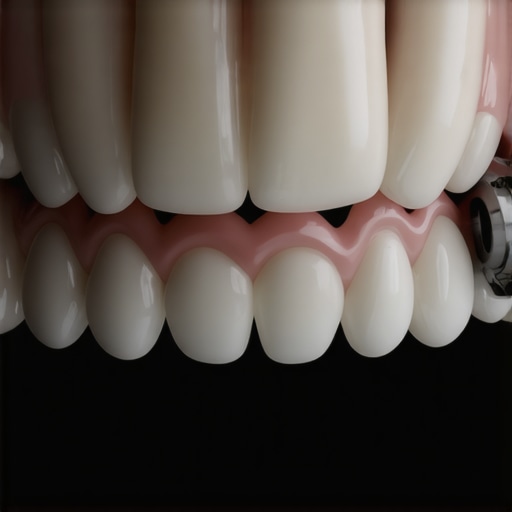
I still remember the hollow, plastic-on-bone ‘clink’ that echoed in my mouth when I tried to use my front tooth to pry open a battery compartment. I had just spent a small fortune to transform my smile with veneers, and there I was, treating a $1,200 piece of custom porcelain like a hardware store screwdriver. It didn’t pop off that night, but it did the next week while I was eating—of all things—a piece of soft bread. That’s the secret nobody tells you: the damage usually happens long before the actual failure. Today, I want to share exactly why your ‘teeth-as-tools’ habit is a ticking time bomb for your cosmetic work and how to finally break the cycle before you’re fishing a veneer out of your dinner plate. [image_placeholder]
Your Front Teeth Weren’t Built to Be Pliers
Most people think that because porcelain is hard, it’s indestructible. But there is a massive difference between the vertical pressure of chewing and the ‘shearing’ or twisting forces we apply when we rip open mail or bite our nails. When I made the specific mistake of using my teeth to hold metal bobby pins early on, I was microscopically weakening the resin bond that keeps the veneer attached to the tooth structure. According to the American Academy of Cosmetic Dentistry, while porcelain is incredibly durable under normal circumstances, it is also brittle; it cannot flex, so when your tooth flexes under the pressure of a tool-like task, the veneer simply snaps off. You might even be choosing between veneers vs crowns right now to fix a previous mishap, but regardless of the choice, neither is a substitute for a pair of scissors.
Can a tiny bit of plastic packaging really ruin my investment?
I hear this all the time from neighbors who think I’m being overly dramatic. They say, ‘It’s just a clothing tag!’ or ‘I’ve been biting my nails for years.’ But the reality is that veneers are thin, elegant shells. When you use them as tools, you aren’t just risking a chip; you are risking ‘de-bonding.’ Once that seal is compromised, bacteria can crawl underneath, or worse, the whole thing just loses its grip and falls into your soup. Have you ever caught yourself using your pearly whites to do a job that belonged to a kitchen drawer tool? Tell me I’m not the only one who has had a close call! It’s about more than just the money; it’s about avoiding the panic of an emergency dental visit on a holiday weekend.Breaking the cycle of using your mouth as a Swiss Army knife starts with environmental changes. It sounds simple, but you have to replace the convenience of your teeth with the convenience of actual steel. I keep a tiny keychain tool on me at all times now because the moment I feel that urge to ‘just quickly’ nip a loose thread or open a package, I remember that one $1,500 mistake. Keeping your veneers from chipping isn’t just about what you do in your sleep; it’s about the conscious choices you make during a busy Tuesday afternoon. Think of your veneers like a set of expensive Baccarat crystal wine glasses. You wouldn’t use the edge of a crystal glass to pry open a paint can or scrape off a label, would you? The physics are the same. While porcelain is incredibly strong against the vertical forces of chewing a steak, it has zero tolerance for the side-to-side torsion created when you try to twist a stubborn plastic cap. The bond between your natural enamel and the porcelain is a marvel of modern chemistry, but it isn’t a permanent fusion like a weld on a car frame. It is more like a high-performance adhesive. When you use your teeth to rip open a bag of chips, you aren’t just applying pressure; you are creating a ‘fulcrum’ effect. This leverages the strength of your jaw against the weakest point of the veneer’s edge. I learned this the hard way when I tried to pull a tight knot out of a shoelace with my incisors. I didn’t break the veneer, but I felt a sharp ‘zing’ that lasted for two days—a clear warning that the bond had been strained to its limit. If you’ve noticed your porcelain veneers feel gritty to your tongue, it might already be a sign of microscopic surface wear from these mechanical stresses. One time, I was sitting at a local coffee shop and tried to use my lateral incisor to scrape a stubborn price tag off the bottom of a new laptop. I felt a weird vibration—not a crack, but a distinct shudder through my jawbone. That was the moment I realized I was gambling with my confidence for the sake of thirty seconds of effort.
Carry the Right Tools to Save Your Investment
Instead of relying on your teeth, place ‘smile-saving kits’ in high-use areas where you are most tempted to use your mouth as a tool: your car’s center console, your desk drawer, and your kitchen junk drawer. These kits should include a small pair of precision scissors, a dedicated letter opener, and a sturdy nail clipper. By removing the ‘convenience’ factor of using your mouth, you force your brain to pause for a second. This pause is the critical window where you decide between a ten-second walk to the drawer or a stressful three-hour emergency dental appointment. I’ve found that having a tool within arm’s reach is the only way to override the muscle memory of twenty years of ‘pliers-teeth’ behavior.
Watch Out for the Nervous Nibble
Many of us use our teeth as tools for stress relief without even knowing it. Biting a plastic pen cap or chewing on a metal paperclip provides a tactile feedback that calms the nervous system, but it is a death sentence for cosmetic bonding. If you are already worried about mistakes like using whitening strips on dental bonding, adding mechanical stress to the mix is a recipe for disaster. If you catch yourself nibbling on objects, switch to a sugar-free gum or a dedicated silicone ‘fidget’ toy to redirect that energy away from your dental work. To maintain that high-end look and ensure you don’t end up wondering why your veneers look fake due to jagged edges or uneven wear, you have to treat the material with the same respect you’d give to any other luxury purchase.People often think that a brighter smile is just a matter of ‘upping the dosage’ of hydrogen peroxide. However, there is a massive nuance that DIY kits won’t tell you: the dehydration factor. When you whiten your teeth, you aren’t just removing stains; you are temporarily dehydrating the enamel. This makes them look incredibly white for the first 24 hours, but then the ‘rebound’ happens as the tooth rehydrates. If you keep chasing that day-one glow by over-bleaching, you risk permanent damage. This is a primary factor in the ultimate guide to teeth whitening options in 2025 that many people skip over in their rush for results. You might end up wondering the real reason your teeth look gray instead of yellow. It is because over-bleached enamel becomes translucent, allowing the dark shadows of your mouth to show through the tooth structure.
Why do my teeth look translucent or gray despite all the whitening?
This is what professionals call the ‘blue-gray trap.’ When you strip away too much mineral content through excessive bleaching, the enamel loses its natural opacity. A study published in the Journal of Evidence-Based Dental Practice highlights that excessive use of carbamide peroxide can significantly alter the micro-hardness of enamel if not professionally monitored. You aren’t just cleaning the tooth; you are changing how it reflects light. This is why some people find their teeth actually look better after they stop whitening for a month. If you have already pushed it too far, you might even need to learn how to treat a burn on your gums from whitening gel because those high-concentration pens are notorious for causing soft tissue irritation. The same ‘more is better’ fallacy applies to ensuring family dental care what parents need to know in 2025. Many parents assume that aggressive brushing or the strongest fluoride is always the answer for kids, but timing and technique matter far more than chemical strength. For example, when using invisalign secrets achieving a perfect smile discreetly, the nuance isn’t just about wearing the trays; it is about the biology of tooth movement. If you try to switch trays too early to ‘speed up’ the process, you can cause ‘root resorption,’ where the body actually starts to dissolve the roots of your own teeth because the pressure is too constant and intense. It is a delicate balance of biology and physics. Whether you are dealing with veneers that look ‘flat’ because of poor light transmission—leaving you curious why your veneers look opaque and fake in flash photography—or trying to manage a family’s dental health, the ‘hidden’ details are where the real success lies. Have you ever fallen into this trap of thinking ‘more is better’ with your dental care? Let me know in the comments.To keep these results from slipping through my fingers, I had to stop treating my dental routine like a chore and start treating it like a high-maintenance hobby. For my Invisalign fam, the biggest shift I made was ditching the toothbrush for cleaning my trays. I realized that manual scrubbing was creating micro-scratches that acted like little apartment complexes for bacteria. Now, I use a portable ultrasonic cleaner every single morning. It uses high-frequency sound waves to create cavitation bubbles that literally blast biofilm off the plastic without any abrasive contact. This is the only way to stop your clear aligners from smelling like old saliva and staying crystal clear. As noted by the independent clinical research organization Clinicians Report, manual brushing of thermoplastic materials often leads to surface roughness that invites faster bacterial colonization, which is exactly what we want to avoid during invisalign innovation invisible braces changing smiles in 2025 at 1537.
How do I keep my smile looking brand new for a decade?
Maintenance isn’t just about what you remove; it’s about what you don’t add. I’ve become obsessed with the RDA (Relative Dentin Abrasivity) scale for my toothpaste. Most ‘whitening’ pastes are basically sandpaper in a tube, which is fine for natural teeth but devastating for veneers made simple transform your tooth aesthetics in 2025 at 1822. If your paste has an RDA over 70, you are slowly polishing away the factory shine of your porcelain. I personally use a specialized gel with an RDA of about 30 to ensure I’m not scratching my investment.
Pick the Right Paste or Watch Your Polish Vanish
Beyond the bathroom sink, I predict that within the next few years, ‘remote monitoring’ will be the standard for family dentistry building healthy smiles for every generation. We are already seeing AI-driven apps where you take a weekly selfie and the software flags issues like gum recession or aligner tracking errors before they become emergencies. This kind of proactivity is what keeps you out of the chair for corrective work. If you’re struggling with upkeep, I highly recommend investing in a high-quality water flosser with a ‘orthodontic tip’ if you have braces or a ‘veneer-safe’ setting to clear out the tight spaces without mechanical trauma. It’s also a lifesaver for how to clean the stubborn gunk out of your night guard if you’re a grinder like me. My challenge to you: go check the RDA value of your current toothpaste right now—you might be surprised at how much ‘sand’ you’re putting on your teeth every morning.
What I Wish I Knew Before Betting My Smile on a Chip Bag
Reflecting on my own journey, the biggest ‘lightbulb moment’ was realizing that dental work isn’t a set-it-and-forget-it purchase; it is a living commitment. First, I learned that more isn’t always better when it comes to brightness. If you over-bleach, you risk the ‘translucency trap’ where the real reason your teeth look gray instead of yellow is actually a loss of enamel density. Second, I discovered that the texture of your teeth matters as much as the color. If you’ve been using trendy natural cleaners, you should know the truth about using charcoal toothpaste on porcelain surfaces: it is far too abrasive and will eventually dull the custom glaze your dentist worked so hard to perfect. Finally, I realized that the best way to handle a dental emergency is to prevent the mechanical stress that causes it. Whether you are currently ensuring family dental care what parents need to know in 2025 or managing your own cosmetic upgrades, the secret lies in the tiny, daily decisions to put down the ‘pliers-teeth’ and pick up a real tool.
My Personal Stash of Smile-Saving Essentials
I don’t leave my dental health to chance anymore, and I trust these specific tools to protect my investment. For my aligner routine, I swapped the manual brush for an ultrasonic pod because it is truly the only way to stop your clear aligners from smelling like old saliva without scratching the plastic. I also keep a Swiss Army-style keychain tool in every bag I own to ensure I never have to use my lateral incisors as a letter opener again. For the rest of the household, we’ve moved toward low-RDA (Relative Dentin Abrasivity) pastes that clean without scouring. This is a core part of family dentistry building healthy smiles for every generation, as it protects the softer enamel of the kids while preserving the shine on my veneers. I also swear by a dedicated water flosser for cleaning under bridges or around orthodontic attachments where traditional floss might snag and cause a panic-inducing ‘loose’ feeling.
The Long Game of Living with a Perfect Smile
At the end of the day, your smile is the most important accessory you wear. It’s the first thing people see and the last thing they remember. Whether you are navigating the world of invisalign innovation invisible braces changing smiles in 2025 at 1537 or maintaining a fresh set of veneers, remember that you are the primary guardian of that work. Be gentle with your mouth, be picky about your products, and never use your teeth for a job that a $5 pair of scissors could do. Your future self (and your bank account) will thank you. What’s the one ‘teeth-as-tools’ habit you’re most determined to break this week? Let me know below!