
Why your coffee stains won’t budge with regular toothpaste
I still remember the Tuesday morning I stood in front of my bathroom mirror, frantically scrubbing my front teeth with a supposedly “ultra-whitening” drugstore toothpaste until my gums practically screamed. I had a huge presentation in an hour, and my reflection showed a dull, yellowing tint—the undeniable souvenir of my daily double-espresso habit. No matter how hard I brushed, the shade didn’t budge. I felt defeated, embarrassed, and thoroughly conned by the glowing promises on the tube.
The Scrubbing Myth that is Ruining Your Enamel
For years, I made the classic mistake of thinking that harder brushing and highly abrasive pastes would scrub away those stubborn dark spots. I actually ended up causing microscopic scratch marks on my teeth, which ironically made future stains settle in even faster. It turns out that coffee stains aren’t just sitting like dust on a countertop; they chemically bond to your teeth. Standard toothpastes are designed to clear away daily plaque and loose debris, but they simply lack the active chemical muscle needed to break down those deep-set organic compounds. If you have been struggling with this, you might even be dealing with naturally thin enamel, which makes the yellow dentin underneath show through even more when you over-scrub.
Is expensive whitening treatment actually worth the hype?
You might be wondering if you truly need to drop hundreds of dollars at a clinic just to enjoy your morning brew in peace. The short answer is no, but you do need to stop relying on basic retail paste. According to the American Dental Association, extrinsic stains caused by beverages like coffee and tea require specific oxidizing agents—like hydrogen peroxide or carbamide peroxide—to actually penetrate the tooth structure and break up the stain molecules, something regular toothpaste cannot do. My own turning point came when I stopped treating my teeth like dirty dishes and started focusing on smart chemical lifting. To keep enjoying my daily caffeine fix without the aesthetic guilt, I had to completely change my approach and look into top teeth whitening strategies that actually protect the enamel while lifting deep discoloration. Have you ever spent weeks brushing with a whitening toothpaste only to realize your smile looks exactly the same?
How to Break the Chemical Bond of Coffee Stains Without Damaging Enamel
To successfully lift deep coffee discoloration, you must treat the process more like laundry and less like sanding down a wooden deck. Think of your tooth enamel as a microscopic, three-dimensional matrix of crystalline mineral rods, much like a highly porous porcelain tile. When you drink coffee, the dark organic compounds called tannins slip easily into these microscopic pores and lodge themselves deep within the structure. Simply scrubbing the surface with an abrasive paste is like using a dry broom to clean a red wine spill on raw marble; it only scratches the surface while leaving the deep pigment untouched. To get those pigments out, you need a safe oxidizing agent to penetrate the pores and dissolve the chemical bonds of the stain.
The Correct Way to Apply Over-the-Counter Hydrogen Peroxide Strips
I remember my first attempt at using standard whitening strips; I slapped them on right after a hot shower, ignoring the moisture on my teeth, and half of the gel ended up sliding onto my gums. My mouth felt like it was on fire, and my teeth looked like a patchy, marbled mess. To avoid this, you must dry your teeth thoroughly with a clean tissue before applying any strip. This simple step ensures the active hydrogen peroxide gel makes direct, uniform contact with your enamel rather than floating on a barrier of saliva. Keep the application strictly limited to the recommended time, and if you start feeling sharp, sudden pains, you need to know
Why Active Oxygen Gel is Your Enamel Safe Alternative
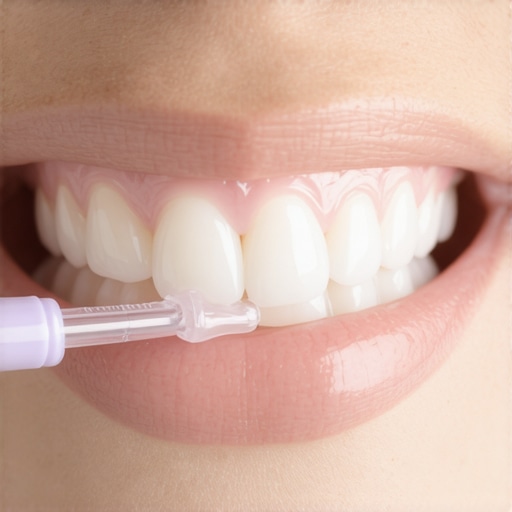
If you have sensitive teeth, traditional strips might still feel too aggressive. That is where custom-fit trays loaded with active oxygen gels come into play. These gels release oxygen molecules slowly, gently breaking apart the stain chains without dehydrating the tooth structure. However, if your staining is uneven, you might notice that some parts of your mouth respond differently. It is very common to wonder why your top teeth are white but the bottom ones stay yellow, which often happens because saliva pools in the floor of your mouth and dilutes the whitening gel on your lower arch. Using a custom tray helps seal the gel in place and keeps saliva out, ensuring an even, brilliant lift across your entire smile.
Establish an Immediate Rinse Routine After Your Daily Brew
You do not have to give up your morning routine to maintain a bright smile, but you do need to change what you do immediately after finishing your cup. Within thirty seconds of your last sip of coffee, vigorously rinse your mouth with plain water. This simple mechanical flush washes away the loose tannins before they have the chance to bind to your enamel pores. Never brush your teeth immediately after drinking coffee; the natural acidity of the beverage temporarily softens your enamel, and brushing right away will actually scrub the acidic coffee deeper into your tooth structure. Instead, wait at least thirty minutes for your saliva to naturally neutralize the acid, or consult with a professional on the best top teeth whitening strategies to keep your smile bright without risking enamel wear.
When we dive deeper into the world of cosmetic dentistry, we run into a sea of misinformation. The most common belief out there is that any form of bleaching is safe as long as it gets your teeth white. In my experience, however, the obsession with achieving an ultra-bright shade overnight often leads to severe, long-term oral health complications that are incredibly difficult to reverse. We have been conditioned to think that more peroxide always equals a better result, but that is a dangerous trap.
Why is your high-percentage whitening gel actually keeping your teeth yellow?
It sounds completely backward, but using excessively strong bleaching gels can actually make your teeth look darker over time. According to a study published in the Journal of Dentistry, over-bleaching dehydrates the enamel matrix, stripping away its natural translucent quality and making it look chalky. Once the enamel structure is permanently weakened, it becomes increasingly porous and thin. This thinning allows the naturally yellow dentin layer underneath to show through permanently. If you already have thin enamel, you might want to look into the best way to whiten your teeth if you have naturally thin enamel rather than blasting your mouth with generic high-concentration carbamide peroxide kits.
Another common mistake is applying whitening systems over existing dental work. Many people mistakenly buy over-the-counter kits expecting them to lighten up old restorations. This is a massive mistake. Chemical whitening agents only react with natural tooth structures, meaning they will have absolutely no effect on composite resins, crowns, or porcelain. If you go ahead with a heavy bleaching regimen, you will end up with an uneven, patchy smile where your natural teeth are brightened but your dental work remains its original shade. To avoid this costly aesthetic nightmare, it is critical to understand the mistake of using whitening strips on dental bonding before starting any chemical regimen.
If your teeth have suffered from severe structural wear, developmental discoloration, or internal trauma, topical bleaching might not even be the right solution for you. In these advanced cases, modern porcelain restorations offer a far more predictable and durable aesthetic outcome. However, before jumping into cosmetic treatments, you must weigh your options carefully by checking out veneers vs crowns which is right for your smile to ensure you choose the restoration that preserves the maximum amount of healthy tooth structure while delivering the brilliant, uniform look you deserve.
Have you ever fallen into this trap of over-bleaching only to find your teeth looked more translucent or sensitive than before? Let me know in the comments below.
Once you have cleared away the stubborn surface staining, the true challenge begins: maintaining that brilliant shade over the long term. This is where most people fail because they lack a systematic, daily routine. If you want to keep your smile bright without constantly relying on aggressive bleaching chemicals, you need the right tools and a structured post-care habit. Personally, I have shifted my focus entirely toward preservation, using targeted bio-mimetic oral care strategies that reinforce the mineral structure of my teeth rather than constantly stripping it away.
How do I maintain my bright smile over time?
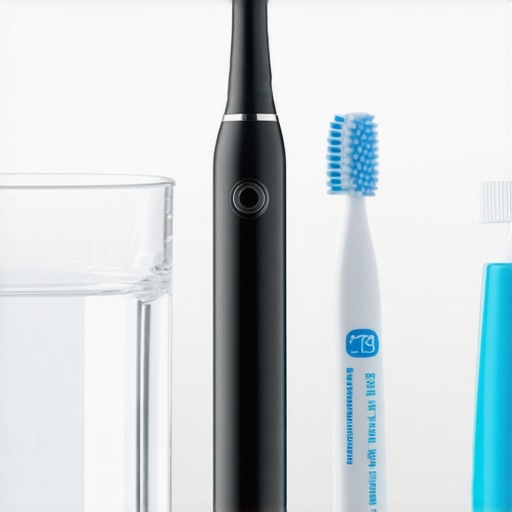
To preserve your results, you must invest in high-quality tools that physically defend your enamel. I personally recommend using a high-frequency sonic toothbrush equipped with a pressure sensor. This sensor is crucial because over-brushing will wear down your enamel, leading to exposed dentin. To rebuild that protective barrier, I use a nanohydroxyapatite (nHAp) toothpaste twice a day. Unlike traditional fluoride, which creates a protective layer over the tooth, nHAp particles actually plug the open microscopic dentinal tubules and remineralize the surface. This is particularly vital for those managing sensitive teeth, and understanding the real reason your teeth are sensitive to cold will help you tailor your daily routine to avoid further discomfort.
Additionally, you should reconsider how you consume your daily beverages. Dr. David Okano, a leading clinical periodontist and associate professor, frequently emphasizes that the duration of exposure to acidic and staining substances is far more damaging than the volume. Sipping a single cup of coffee over four hours is significantly worse than drinking it in fifteen minutes, as prolonged exposure prevents your saliva from raising the pH levels in your mouth. If you are a slow sipper, try using a reusable glass straw to bypass your front teeth entirely. This is one of the easiest, most practical top teeth whitening strategies you can adopt to prevent immediate contact with staining tannins.
Looking ahead, the future of cosmetic dentistry is moving rapidly toward personalized, bio-active smart materials. We are already seeing the emergence of smart mouthguards that use blue-light technology combined with micro-targeted enzymes to gently dissolve organic pigments while you sleep, completely removing the need for harsh peroxide gels. To keep your teeth looking their absolute best today, I highly encourage you to try the rinsing method: immediately swish with plain water within thirty seconds of finishing your coffee. It is a tiny, zero-cost adjustment that will save you hundreds of dollars in touch-up kits. If you want to dive deeper into custom professional options to maintain your smile, you can easily explore the ultimate guide to teeth whitening options in 2025 to find the perfect fit for your lifestyle.
When it comes to dental cosmetics, long-term success is never about a single dramatic treatment. It is about the subtle, daily habits that prevent the cycle of discoloration from starting all over again. Shifting your mindset from constant correction to proactive preservation is the absolute key to keeping your smile radiant without sacrificing the health of your enamel.
The Hardest Lessons I Learned After Years of Trial and Error
My journey to a brighter smile was filled with expensive mistakes and painful lessons. Here is the raw truth about what actually works over the long term, rather than what looks good in a brief marketing ad:
- Aggressive scrubbing is your worst enemy: Thinking that a harder brush would polish away stains only thinned my enamel, making the yellow dentin underneath stand out more.
- Hydration acts as a natural barrier: Drinking water alongside my coffee diluted the tannins before they had any chance to chemically bond to my tooth structure.
- Chemical balance beats high percentages: Bombarding my teeth with harsh, high-concentration carbamide peroxide only led to extreme dehydration and a chalky, unnatural look.
- Restorations require custom care: Trying to bleach existing dental bonding was a costly mistake, as whitening gels simply do not work on synthetic resins. If you have run into similar issues, you might want to look into the mistake of using whitening strips on dental bonding before trying another over-the-counter system.
My Practical Kit for Everyday Enamel Defense
I do not believe in cabinet drawers stuffed with gimmicky blue-light devices or abrasive charcoal pastes. Instead, my daily routine relies on a few scientifically backed tools that genuinely preserve my tooth structure while keeping stains at bay:
First, I highly recommend switching to a high-frequency sonic toothbrush that includes a built-in pressure sensor. This prevents you from scrub-damaging your enamel. Second, replace your standard paste with a nanohydroxyapatite (nHAp) formula twice a day to actively remineralize the micro-pores of your teeth. Third, carry a small, portable bottle of plain water to rinse your mouth immediately after eating or drinking dark beverages. Finally, if you do choose to whiten at home, opt for custom-fit trays from your dentist rather than generic strips. Custom trays seal the active whitening gel directly against your teeth, which prevents saliva from diluting the formula and stops the gel from burning your sensitive gums.
Take Control of Your Smile Journey Today
Achieving a bright, confident smile is not a race to see who can apply the strongest chemical first. It is a gentle, consistent practice of protecting your enamel while safely lifting old discoloration. By making simple adjustments—like swishing water right after your morning cup of coffee and utilizing enamel-safe remineralizing therapies—you can enjoy your favorite daily rituals without any aesthetic guilt. If you want to explore the latest customized options available today, take a look at the ultimate guide to teeth whitening options in 2025 to find a plan that fits your unique lifestyle.
Have you ever struggled with keeping your lower teeth as white as your top ones? Let me know your experiences in the comments below!