
How to keep your child from biting their cheeks while they have braces
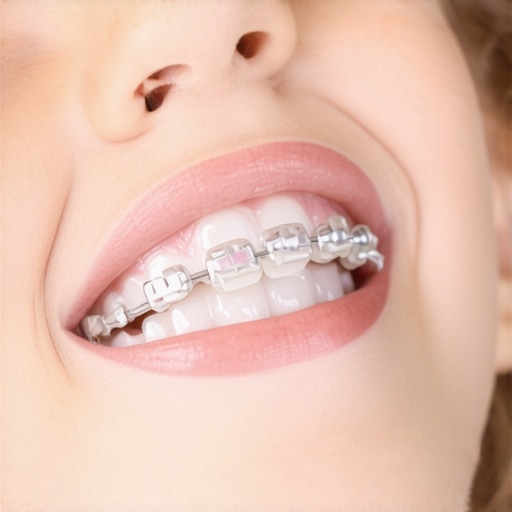
I still remember the look on my son’s face two days after he got his brackets on. He wasn’t just dealing with the usual soreness; he looked like he’d been in a boxing match with his own jaw. Every time he tried to speak or take a bite of mashed potatoes, his teeth would snag the soft tissue of his inner cheek. I felt like a failure of a parent. I told him, “Just give it time, buddy,” thinking the skin would just toughen up on its own. It didn’t. In fact, by day four, he had a silver-dollar-sized sore that made him want to quit the whole journey before it even really started. We had to find a way to stop the constant nipping and tucking so he could actually smile again.
Those First Few Weeks are a Total Mouthful
When those metal bits are new, the brain hasn’t quite mapped out the extra bulk inside the mouth yet. One of my biggest early mistakes was assuming that the best way to soothe a sore mouth after an orthodontic adjustment was just to wait it out. I didn’t realize that the “bite-check” reflex is something we can actually influence with a few neighborly tricks and a bit of patience. The goal isn’t just to manage the pain, but to retrain the way the mouth moves around those new obstacles. If your kid is struggling, you might also be looking for the best way to stop your lips from sticking to your braces, which is a related battle in the fight for comfort.
Is it actually possible to stop the biting without constant wax?
You might be thinking that orthodontic wax is the only answer, but let’s be real—wax is messy, it falls off in lunchboxes, and it eventually feels like chewing on a candle. While wax is a great temporary fix, it doesn’t solve the underlying problem of the cheek tissue getting caught between the molars and the brackets. According to the American Association of Orthodontists, the mouth’s soft tissues, known as the buccal mucosa, are incredibly resilient and usually adapt within a few weeks, but those weeks can feel like an eternity for a middle-schooler. Have you ever found yourself scraping wax off the floor because your kid gave up on it? We’ve all been there. It’s part of the process, much like learning family dentistry tips for younger kids. Today, I’m going to share the actual strategies that worked for us, from specific chewing exercises to the right way to use silicone barriers instead of wax.
Stop the Suction During Every Meal
The biggest reason your cheek gets caught in your braces isn’t just the metal—it’s the vacuum your mouth creates when you chew. Think of it like a rug getting sucked into a vacuum cleaner’s nozzle. To stop this, you have to break the seal. I noticed my son Leo was instinctively ‘sucking in’ his cheeks to help move food toward his molars, which is exactly how the tissue ends up snagged on a bracket. If you’ve ever wondered how to stop your aligners from catching on your inner lip, the physics are very similar. The fix? Teach your child to ‘puff’ slightly while chewing. It sounds ridiculous, but keeping a small cushion of air or saliva between the teeth and the cheek prevents the soft tissue from collapsing onto the hardware.
Eat Like a Tactician
We found that the way Leo was cutting his food made a massive difference. Forget the ‘big bite’ lifestyle for the first month. We started cutting everything—even soft sandwiches—into postage-stamp-sized pieces. By placing the food directly onto the molars using a fork, you bypass the front and side brackets entirely. During one particularly rough dinner with tacos, Leo was about to give up. I had him try the ‘one-side-only’ method, where he only chewed on his left side for the whole meal. It gave the raw, irritated right cheek a total break, allowing the salt-water rinse from earlier to actually do its job. It’s a key part of family dentistry: building healthy smiles for every generation because it teaches kids that they have control over their comfort.
Swap Messy Wax for Gasket-Style Silicone
Standard wax is okay for a tiny poke, but for a whole cheek that’s being shredded, you need something more substantial. We discovered silicone earplugs—the medical-grade, moldable kind—or specialized orthodontic silicone strips. Unlike wax, which crumbles when it gets warm, silicone acts like a rubber gasket. It stays put even through a lukewarm drink. 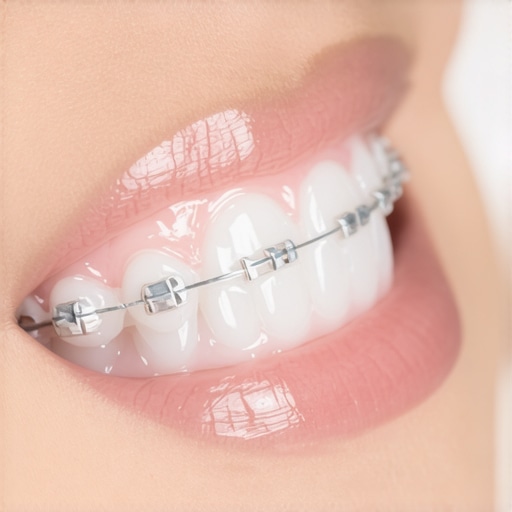 When Leo used the silicone, it didn’t just cover the sharp edge; it created a smooth ‘slide’ for his cheek to glide over. If you ever have to handle a loose bracket when your orthodontic office is closed, having a pack of this silicone is a lifesaver. It’s significantly more durable and doesn’t require constant reapplication every time they take a sip of water.
Retrain Your Jaw With the Slow-Motion Method
Your jaw has muscle memory that’s been built over years, and it doesn’t know there’s a new ‘fence’ in the way. I started having Leo do five minutes of ‘slow-mo’ chewing exercises before meals. He would sit in front of a mirror and slowly open and close his mouth, focusing on keeping his cheeks pushed out. This visual feedback helps the brain remap the mouth’s boundaries. It’s the same logic used when you’re trying the best way to soothe a sore mouth after an orthodontic adjustment—you are proactively managing the inflammation by preventing the trauma before it happens. Within three days of these exercises, his ‘accidental’ bites dropped by half. Muscle memory is a powerful tool when you actually put it to work.
Scrubbing Harder Doesn’t Equal Cleaner Brackets
Most parents assume that once the braces are on, they need to become aggressive cleaners to prevent cavities. I’ve seen so many people fall into the trap of using medium or hard-bristled brushes, thinking they need the extra force to clear out food debris. In reality, this is one of the quickest ways to cause permanent damage. According to a study published in The Journal of Clinical Periodontology, excessive brushing pressure doesn’t actually remove more biofilm; it just accelerates gingival recession and enamel wear. If your child is scrubbing away, they might eventually wonder why your gums are receding despite brushing twice a day. The goal is gentle, repetitive motion, not brute force. I had to teach Leo that his toothbrush is a paintbrush, not a scouring pad.
The Invisible Danger of ‘Whitening’ Everything
Another massive nuance that most people miss is how whitening treatments interact with dental work. If your teen has a chipped tooth that was repaired with composite resin, or if you have invested in veneers made simple, you have to be incredibly careful. One of the biggest ‘oops’ moments occurs when patients use over-the-counter kits without realizing that whitening gel only works on natural tooth structure. I once spoke with a friend who tried to brighten her smile for a wedding, only to realize the mistake of using whitening strips on dental bonding left her with a patchy, two-toned result. Restorations like porcelain or resin will not change color, so you end up highlighting the very work you were trying to blend in. 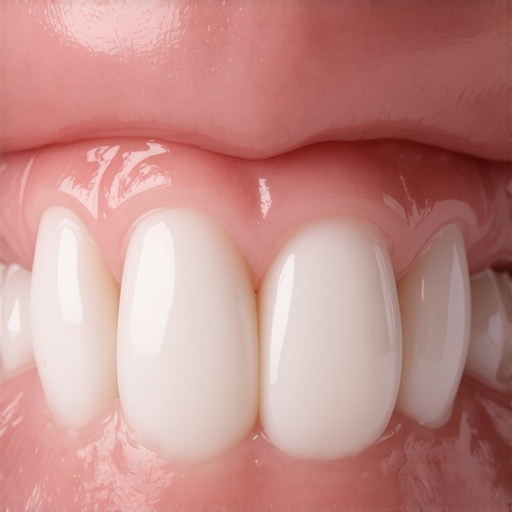
Can a perfect smile actually ruin your bite?
It sounds like a contradiction, but focusing purely on the ‘social six’—the teeth people see when you smile—can sometimes lead to functional issues. This is a sophisticated challenge often seen with DIY aligners or rushed cosmetic fixes. You might get the front teeth looking like a movie star’s, but if the back molars don’t mesh correctly, you’ll end up with jaw pain or the reason your smile looks uneven after orthodontic treatment. This is why Invisalign secrets often involve more than just moving teeth; they involve engineering a healthy bite from the back to the front. We learned early on that Leo’s ‘straight’ teeth were only half the battle; ensuring he could chew without clicking was the real victory.
Stop Treating Porcelain Like It Is Invincible
There is a common myth that once you get veneers, you have ‘bulletproof’ teeth. I see this all the time in family dentistry discussions. People think they can go back to chewing ice or using their teeth as tools to open packages. While porcelain is strong, it is also brittle. If you are a night-grinder, you absolutely must know how to keep your veneers from chipping if you grind your teeth. Without a night guard, those expensive shells can crack just as easily as natural enamel. We even had to learn how to keep your coffee habit without ruining your new veneers, because while the porcelain itself doesn’t stain, the edges where the porcelain meets your natural tooth certainly can. Have you ever fallen into the trap of thinking your dental work was indestructible? Let me know in the comments.
The Ultrasonic Hack for Flawless Aligners
When we first started Leo on his orthodontic journey, I spent way too much time scrubbing his gear with a soft toothbrush. I thought I was being diligent, but I was actually creating microscopic scratches that trapped bacteria. If you have been wondering how to clean the stubborn gunk out of your night guard or aligners, let me save you the headache: buy an ultrasonic cleaner. It uses high-frequency sound waves to create cavitation bubbles that literally blast the film off the plastic without you touching it. A systematic review in the Journal of Dentistry recently highlighted that ultrasonic cleaning significantly reduces bacterial biofilm on thermoplastic aligners compared to soaking alone. It’s the single best investment I’ve made for ensuring family dental care stays manageable at home. 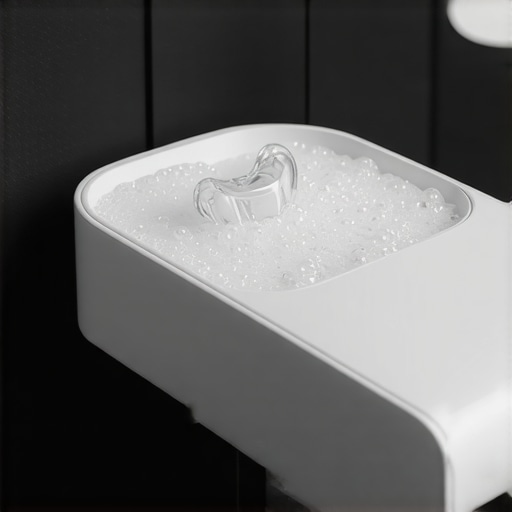
How do I keep my smile looking this good for a decade?
Maintenance isn’t a one-and-done deal; it’s a lifestyle change. Whether you’ve opted for Invisalign innovation or traditional metal, the day the hardware comes off is when the real work begins. The most common heartbreak I see is when someone spends thousands on their smile only to have their teeth migrate back because they got lazy with their retainer. You need to know how to stop your teeth from shifting after your braces come off, which usually involves a lifetime commitment to night-wear. For those with cosmetic work, remember that why your porcelain veneers look dull after five years of wear often comes down to using abrasive ‘whitening’ toothpastes that scratch the glaze. Switch to a non-abrasive gel to keep that mirror-like finish.
The High-Tech Future of Home Care
Looking ahead to the next few years, I predict we are going to see a massive shift toward tele-dentistry and AI-integrated home monitoring. We are already seeing the real reason Culpeper dentists are swapping traditional x-rays for 3d scans—it’s about precision. Soon, your smartphone will likely be used to scan your teeth weekly, with AI flagging any slight movements or new spots before they become cavities. This isn’t just about ‘straightening’ anymore; it’s about predictive maintenance. If you want to stay ahead of the curve, I highly recommend trying one specific tip: stop rinsing with water immediately after brushing. Let that fluoride paste sit on your teeth for at least 30 minutes to actually strengthen the enamel. It feels weird at first, but it’s a total game-changer for long-term health.
What Years of Orthodontic Trials Taught Me
After navigating the ups and downs of braces with my own kids, I’ve realized that the physical transformation of the teeth is often easier than the mental adjustment of the mouth. The hardest lesson I learned is that ‘toughing it out’ is almost always the wrong strategy; small irritations quickly turn into major setbacks that can make a child resent their treatment. I also discovered that while we focus on the alignment, we often forget about the gum health until it’s too late. It is vital to stay proactive about ensuring family dental care remains a daily priority rather than a monthly worry. Finally, remember that the end of treatment isn’t the finish line—it’s the start of a lifetime of maintenance. You have to know how to get your teen to wear their retainer without constant nagging if you want those results to actually last into adulthood.
Gear That Actually Makes a Difference
If I had to build a survival kit for anyone starting this journey today, it would look very different than the one I was given years ago. First, I highly recommend a high-quality water flosser; it is the only way to truly clean between brackets and helps you learn how to avoid the dreaded black triangles after braces that occur when gum hygiene is neglected. Second, keep a stock of medical-grade silicone strips on hand—they stay in place much better than wax during sports or long school days. Third, if you are also considering cosmetic work for other family members, take the time to research veneers vs crowns which is right for your smile before making a decision, as your home-care tools will need to adapt to different types of dental porcelain. Finally, never underestimate the real cost of skipping your six-month cleaning; those professional check-ups catch the tiny issues that home gear simply cannot see.
Your Future Smile Starts With Today’s Choices
The journey to a perfect smile is rarely a straight line, but every small adjustment you make today—from changing how you chew to investing in better cleaning tools—is an investment in your confidence for years to come. Whether you are managing the discomfort of new metal brackets or looking for ways to improve your long-term family dentistry: building healthy smiles for every generation, remember that you are in control of the process. Stay patient, stay diligent, and don’t be afraid to try new techniques until you find what works for your unique mouth. Did your child find a specific trick or snack that made the first month of braces easier to handle? Let me know in the comments below!