
How to Prevent Your Gums from Growing Over Your Wisdom Teeth
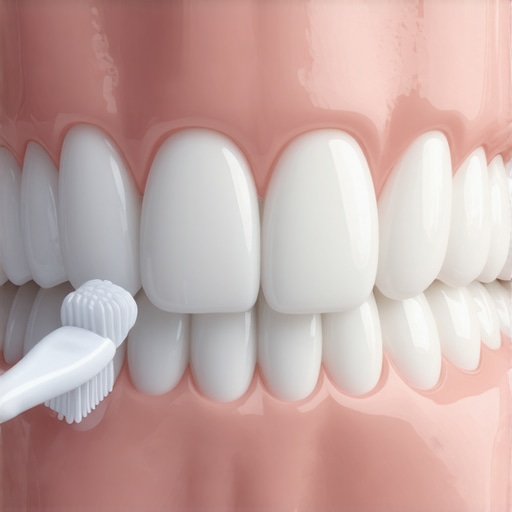
I’ll never forget the morning I woke up feeling like a tiny balloon was inflating in the very back of my mouth. It was that unmistakable, dull throb of a wisdom tooth trying to break through, but there was a catch—my gums were winning the race. Instead of the tooth emerging cleanly, a stubborn flap of tissue was arching over it, creating a perfect little pocket for every crumb of dinner to hide in. I made the classic mistake of thinking a bit of extra mouthwash would solve it, but three days later, I couldn’t even close my jaw without wincing. It felt like my own body was trying to bury my teeth, and honestly, it was a bit terrifying. Today, I want to share exactly how I managed to keep my gums in check and what you can do right now to stop that overgrowth from turning into a painful nightmare.
Keep the Overhang from Turning Into an Infection
My biggest blunder early on was thinking that if I just left the area alone, it would “settle down.” In reality, that’s the worst thing you can do for family dentistry building healthy smiles for every generation. When gum tissue partially covers a tooth, it creates a condition called pericoronitis. According to the American Association of Oral and Maxillofacial Surgeons, this is one of the leading causes of emergency wisdom tooth extractions because bacteria love that dark, hard-to-reach flap. If you do not actively clear out the debris, you aren’t just dealing with “growing gums”; you’re inviting an abscess. This is why the real cost of skipping your six month cleaning becomes so apparent when your wisdom teeth start acting up. Have you ever felt that weird “fleshy” sensation in the back of your mouth and just hoped it would go away on its own?
Is this actually a dental emergency?
Many of my friends ask if they can just “wait and see” when their gums start creeping over those back molars. The truth is, while a little bit of gum movement is normal as teeth erupt, persistent swelling or a foul taste is a massive red flag. If you’re already feeling the pressure and wondering why your wisdom teeth are causing pain in your front teeth, you need a plan that involves more than just luck. We need to focus on mechanical cleaning and salt-water irrigation before the inflammation gets out of hand. By staying proactive, you can often guide these teeth into place without the need for surgery. Let’s look at the specific steps I used to reclaim my back molars.
Flush the Pocket Like a Professional
The first thing you have to understand is that the space between your tooth and that gum flap is basically a cavern. If you just swish some water around your mouth, you’re only cleaning the surface. It’s like trying to clean under a rug by spraying a garden hose at the living room wall. You need a hydraulic sweep. I remember the first time I used a curved-tip plastic syringe to blast warm salt water directly under the flap. I was horrified to see a tiny piece of spinach from lunch yesterday wash out. It had been sitting there, fermenting, which is exactly why your breath smells like mothballs when you have an active infection. If you don’t have a syringe, you can simulate this by using a Waterpik on the lowest possible setting, but be extremely careful not to drive the bacteria deeper into the tissue.#IMAGE_PLACE_HOLDER_B#
Why Brushing Alone Won’t Save You
You might notice why your gums bleed only when you use an electric toothbrush in that specific spot. It’s tempting to stop brushing the area because it hurts, but that’s a trap. When you avoid the area, plaque builds up, the gums get more inflamed, and the overgrowth actually gets larger because of the swelling. Think of your gums like a sponge; when they are irritated, they soak up fluid and expand. To keep them from growing over the tooth entirely, you have to keep the area sterile. Use a soft-bristled brush and gently angle it toward the back of the mouth. This isn’t just about adult teeth; the same principles of vigilance apply to family dentistry tips creating a healthy smile for your kids, especially as they get older and those first molars start peeking through.
The Secret to Taming the Swelling
While mechanical cleaning is the heavy lifter, you also need to manage the chemical environment of your mouth. I used to think that the stronger the mouthwash, the better, but high-alcohol rinses actually dried out my gums and made the irritation worse. Instead, stick to warm salt water—about half a teaspoon of salt in a full glass of water. This creates an osmotic effect that pulls fluid out of the swollen gum tissue, physically shrinking the flap. It’s similar to how we manage comfort for children when permanent teeth are coming in behind baby teeth; reducing the pressure is the key to stopping the pain.
Watch Out for These Major Red Flags
Sometimes, no matter how much you irrigate, the gums win. You need to be on the lookout for lockjaw or swelling that extends into your neck or cheek. I had a friend who tried to tough out a gum flap for a week until his eye started to swell. That is no longer a home care situation; that is a full-blown emergency. If you are struggling with the quickest way to get a stuck piece of popcorn out of your gums and the area is throbbing rhythmically, your body is telling you that the bacteria have moved into the deeper tissue. Maintaining a clean environment is vital, even if you are planning cosmetic upgrades like veneers made simple transform your tooth aesthetics in 2025, because a healthy foundation is required for any dental work.Let’s dig deeper into the nuances that separate a quick fix from long-term dental health. I see so many people rushing into cosmetic treatments because they want that Hollywood glow, but they completely ignore the underlying architecture of their mouth. For example, everyone assumes that if their teeth look dark, they just need more bleach. But here is the contrarian truth: over-whitening is the fastest way to make your teeth look permanently aged. When you blast your enamel with high-concentration peroxide too often, you’re thinning the very shield that gives your teeth their luster. As that enamel thins, the yellowish dentin underneath starts to show through more clearly. This is the real reason your teeth look gray instead of yellow despite your best efforts.
Stop Chasing the Neon White Smile
Most people don’t realize that teeth have a biological limit to how white they can get. When you strip the pellicle layer—the protective protein film on your teeth—repeatedly with harsh chemicals, you’re not just cleaning it; you’re leaving the door wide open for acids to dissolve the mineral structure. I have had patients tell me they use charcoal toothpaste thinking it is a natural alternative, but that is a massive mistake. It is like using sandpaper to clean a window. You get it clean once, but the scratches you leave behind will trap dirt forever. This is the truth about charcoal toothpaste and your tooth enamel that most influencers won’t tell you.
Why does your smile look dull despite all the whitening treatments?
A study published in the Journal of Dentistry found that excessive use of whitening agents can lead to an increase in tooth porosity, which actually makes the teeth more susceptible to internal staining over time. It is a vicious cycle—you whiten more to fix the dullness, which only makes the tooth more translucent and grayish. If you are dealing with this, you might need to look into the best way to whiten your teeth if you have naturally thin enamel before you do permanent damage. 
The Hidden Dangers of Cosmetic Shortcuts
Then there is the ‘Oops’ factor with veneers. Many think a veneer is like a suit of armor for the tooth, but I have seen cases where patients ignore their gum health and end up with why your veneers look opaque and fake in flash photography because the surrounding tissue is not healthy enough to support the aesthetic. If your gums are even slightly inflamed—like that wisdom tooth flap we discussed earlier—the margin where the veneer meets the tooth will eventually recede, leaving a dark, visible line. This is why ensuring family dental care what parents need to know in 2025 is so focused on the foundation rather than just the surface. Even with clear aligners, the mistake I see most often is not just about the hours worn; it is about the biology of bone remodeling. Many people think they can ‘cheat’ and wear trays for only 18 hours, but the problem with wearing your aligners for only 18 hours a day is that your teeth spend the remaining 6 hours drifting back. You are not just moving slower; you are causing a constant inflammatory ‘tug-of-war’ in your jawbone that can lead to permanent root damage. Have you ever fallen into this trap of thinking you could cut corners with your dental health? Let me know in the comments if you have noticed your teeth shifting back or if your whitening just is not ‘taking’ anymore.
Stop Scrubbing Your Trays and Use Sound Waves Instead
I learned the hard way that a toothbrush is actually too abrasive for high-end clear aligners. If you are constantly wondering why your clear aligners have started to look cloudy, it is likely because you are creating micro-scratches with your bristles. These tiny grooves become breeding grounds for bacteria. Now, I exclusively use an ultrasonic cleaner with 42,000Hz frequency. You just drop the trays in with a bit of water, and the cavitation bubbles do the work for you. It is the only way to stop your clear aligners from smelling like old saliva without damaging the plastic. If you are investing in Invisalign innovation and invisible braces, do not ruin the aesthetics by using old-school cleaning methods. 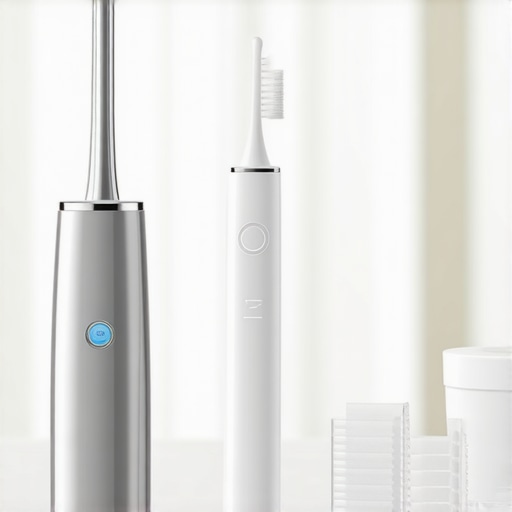
How do I maintain my smile results over the next decade?
Long-term success with veneers or whitening is not about one big treatment; it is about the mundane daily repetitions. As Dr. Gordon Christensen of the Clinicians Report often notes, the survival rate of bonded restorations depends almost entirely on the patient’s nocturnal habits and the quality of their home-care tools. For those with porcelain work, you must learn how to keep your veneers from chipping if you grind your teeth by using a custom-fitted night guard. Without that physical barrier, the sheer force of your jaw can shear off the most expensive dental work in a single night.
The Ten-Year Plan for Your Veneers
If you have already transitioned to veneers made simple, your biggest enemy is gingival recession. When the gum line moves, it exposes the tooth-veneer interface. I recommend a high-frequency electric toothbrush—something like the Philips Sonicare DiamondClean—because it cleans effectively without the high-pressure scrubbing that leads to recession. This is also vital for parents who are ensuring family dental care because teaching kids the ‘vibrate, don’t scrub’ technique prevents a lifetime of gum issues. Even if you are dealing with post-orthodontic issues, knowing how to remove the white spots that appear on your teeth after braces requires a gentle hand and the right remineralizing agents, not more abrasive force.
AI Is Coming for Your Dental Checkups
Looking ahead, I predict that dental maintenance will shift toward AI-driven home monitoring. We are already seeing apps that use your smartphone camera to scan your teeth and detect early signs of aligner tracking issues or gum inflammation before you even feel pain. This ‘teledentistry’ model will make teeth whitening secrets for a sparkling smile even more accessible because your dentist can monitor your enamel health in real-time. I want you to try this: tomorrow morning, use your water flosser *before* you brush. It loosens the heavy lifting for the bristles and makes the fluoride in your toothpaste more effective at reaching those tight spots. Making this one small shift in your sequence can drastically improve your next checkup results.
What I Learned After Years of Chasing the Perfect Smile
First, your gums are the weather vanes of your overall health. When they swell or bleed, they are trying to tell you something before the pain becomes unbearable. It is vital to realize that the reason your childs gums are swollen around a losing tooth is often the same biological response as your wisdom tooth flap—your body reacting to a disruption in the gum line. Second, transparency in your teeth is often a sign of over-treatment, not cleanliness. Finally, consistency beats intensity every single time. It is much better to gently clean under that gum flap every night than to ignore it for a week and then try to power wash it when it starts to throb. Health is a quiet, daily discipline, not a loud, emergency fix.
The Only Tools You Actually Need in Your Bathroom Cabinet
If you want to maintain your results, skip the gimmicks and stick to the basics that actually work. I swear by a simple curved-tip syringe for flushing out debris, which is the quickest way to get a stuck piece of popcorn out of your gums without causing trauma. For those with cosmetic work, a custom night guard is non-negotiable to prevent fractures and preserve your investment. If you are a parent, focus on family dentistry tips creating a healthy smile for your kids by introducing these tools early so they become second nature. You might also want to re-evaluate your lighting; often, why your teeth look yellow in certain bathroom lighting is just a trick of the bulbs rather than a failure of your hygiene routine.
#IMAGE_PLACE_HOLDER_E#
Build Your Smile for the Decades, Not Just for Next Week
Whether you are currently navigating the pressure of a new aligner tray or you are looking into veneers made simple to transform your look, remember that the best dentistry is often invisible. It is the absence of pain, the lack of inflammation, and the confidence that your breath is fresh. Do not let a small flap of gum tissue or a slightly yellow tooth discourage you from the big picture of family dentistry building healthy smiles for every generation. You have the tools now; you just need the patience to use them every single day to protect your natural foundation. Have you ever had a dental scare that forced you to change your entire routine? Let me know in the comments below!