
Why Your Child Has Permanent Teeth Coming In Before Losing Baby Teeth
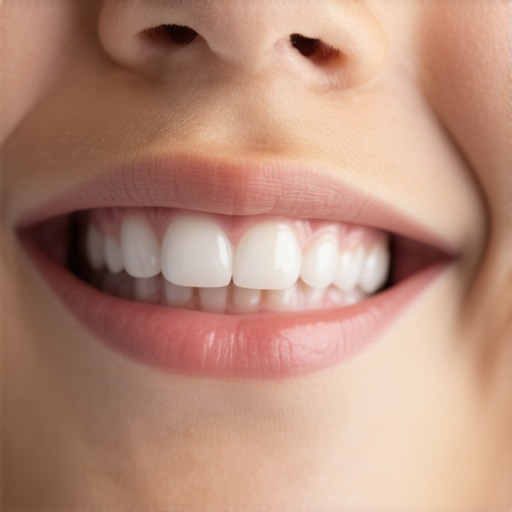
I was sitting at the kitchen table, helping my son with his math homework, when he let out a huge, tired yawn. My heart nearly stopped. Right there, tucked neatly behind his lower front baby teeth, was a jagged, pearly-white row of brand-new permanent teeth. It looked like a scene from a nature documentary about Great White sharks. I will be honest: I spiraled. I immediately started googling ‘extra teeth’ and ’emergency oral surgery’ at eight o’clock at night while my coffee went cold. But here is the thing I wish someone had told me back then—it is actually a very common stage of development. If you are currently staring into your child’s mouth and seeing double, take a deep breath. Today, I am going to walk you through exactly why this happens, why the ‘shark’ look is usually temporary, and when you actually need to call in the professional crew.
That Panic-Inducing Moment You Spot the Double Row
In the dental world, it is called ectopic eruption, but most of us parents just call it ‘shark teeth.’ When I first saw it in my oldest, I made a classic rookie mistake: I tried to force that baby tooth out myself. I thought if I could just wiggle the old tooth out of the way, the new one would magically slide into place. Spoiler alert: it does not work like that, and I ended up with a crying kid, a tiny bit of blood, and a very heavy dose of parental guilt. The truth is, why your child’s permanent teeth are coming in behind baby teeth usually boils down to the root of the baby tooth not dissolving as fast as the permanent tooth is growing. According to the American Academy of Pediatric Dentistry, this occurs in about 10% to 15% of children, particularly in the lower front jaw. It is basically a dental traffic jam. In our house, we follow plenty of family dentistry tips for healthy smiles, but biology sometimes has its own timeline regardless of how well you brush.
Will This Mess Up Their Smile Forever?
This is the fear that keeps us up at night. We see those crooked rows and immediately start seeing dollar signs for future braces. I have been there, convinced my kid would need a major intervention before they even hit middle school. However, in many cases, once that baby tooth finally decides to drop, the tongue actually does the heavy lifting for you. It naturally pushes the permanent tooth forward into the open gap. Of course, ensuring family dental care means knowing when the ‘wait and see’ approach is appropriate and when the baby tooth is so stubborn that it needs a little help from the dentist. Have you ever noticed a new tooth popping up before the old one even feels the slightest bit loose? It is a bizarre sight that can make any parent jumpy. Drop a comment and tell me if you have had a ‘shark tooth’ scare in your house! We are going to dive into the specific signs that mean you should actually book an appointment next.
Stop the Panic and Start the Wiggle Test
The moment you see those white ridges behind your child’s primary teeth, you need to transition from ‘panic mode’ to ‘investigative mode.’ The first thing I do—and what I tell every parent in our neighborhood to do—is the wiggle test. Gently have your child try to move that baby tooth with their clean index finger or their tongue. If there is even a tiny bit of movement, you are in luck; the root is already starting to dissolve. However, if the tooth is as solid as a brick despite the permanent tooth being halfway up, you are looking at a more stubborn situation. I remember trying this with my daughter, Chloe. I handed her a crisp Granny Smith apple, thinking the ‘crunch’ would do the trick. She took a massive bite, the tooth shifted just enough to bleed, but it didn’t come out. We both ended up frustrated and she refused to eat fruit for three days. The lesson? Force is your enemy. Instead, focus on consistent, gentle lateral movement several times a day. If you notice that the reason your childs gums are swollen around a losing tooth is causing them actual pain, you can use a cold compress, but keep the wiggling frequent. 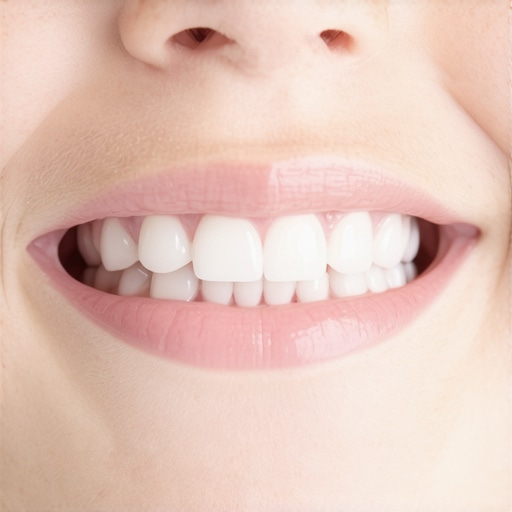
Clean the Crevice to Avoid the Stink
When you have two rows of teeth, you essentially have a new, hidden ‘valley’ where food loves to hide. This is where most parents fail. They are so afraid of hurting the loose tooth that they stop brushing that area entirely. This is a mistake. Bacteria will throw a party in that gap, leading to inflammation and that distinct, unpleasant ‘dental breath.’ You have to get in there with a soft-bristled brush. Angle the bristles at 45 degrees toward the gum line and use small, circular vibrations. If they are sensitive, you can even use a damp washcloth to wipe the area. I have found that the reason your childs breath smells even after they brush is almost always food trapped between the ‘shark tooth’ and the baby tooth. If you have a younger one who is fighting you, look into how to brush a toddlers teeth when they wont open their mouth for specific positioning techniques like the ‘knee-to-knee’ hold.
Put the Tongue to Work with Daily Exercises
Believe it or not, the tongue is the best natural orthodontist we have. I tell my kids to play a game where they try to ‘push the old tooth for a ride’ out of their mouth. Have them spend five minutes, three times a day, pushing the baby tooth forward with their tongue. This constant, gentle pressure is often more effective than any manual wiggling. It also helps train the tongue to eventually push the permanent tooth forward into the correct position once the baby tooth finally vacates the premises. If your child is also a habitual grinder, you might want to check how to stop your child from grinding their teeth at night, as excessive grinding can sometimes complicate how these teeth align during the eruption phase.
Know the Ten Day Rule for Extractions
Every parent asks: ‘How long do I wait before calling the dentist?’ I follow the Ten Day Rule. If the permanent tooth has reached the same height as the baby tooth and the baby tooth hasn’t increased its ‘wobble’ in ten days, it is time for a professional assist. Sometimes that baby root is just too long or is being absorbed unevenly, and it needs a quick ‘wiggle’ from a dentist. When choosing where to go, consider the subtle difference between a corporate clinic and local culpeper family dentistry. A local family dentist often has more time to sit with a nervous child and explain the ‘sleepy juice’ process if an extraction becomes necessary. We had to do this for Leo’s second shark tooth; it took five minutes at our local office, and he was back to eating ice cream before lunch.While we are managing these ‘shark tooth’ surprises, it is easy to get tunnel vision and focus only on the alignment. However, there is a broader nuance in family dentistry that most people miss: the ‘perfection’ trap. We often assume that if we can just get those teeth into a straight line, our work is done. But a straight smile is not always a stable one, and a white smile is not always a healthy one. I have seen so many parents stress over why your childs permanent teeth look yellow compared to their baby teeth. The contrarian truth? That yellowish tint is actually a sign of healthy, thick dentin. If you try to bleach that away in a pre-teen, you are not just fighting aesthetics; you are potentially compromising the tooth’s long-term structure.
Why Does Your Professional Whitening Fade Faster Than Your Neighbors?
This is a question I hear often from parents who finally treat themselves to a little ‘me-time’ dental work. Everyone thinks the strongest bleach is the best, but in my experience—and supported by a study in the Journal of Dentistry regarding enamel porosity—aggressive whitening on naturally thin enamel can actually backfire. It can make teeth look grayer and more translucent because the dark oral cavity starts to show through the thinned-out surface. If you are struggling with this, you need to understand the real reason your teeth look gray instead of yellow before you reach for another syringe of gel. This ‘translucency trap’ is an advanced mistake that can lead to permanent sensitivity without actually giving you that bright ‘pop’ you are looking for. 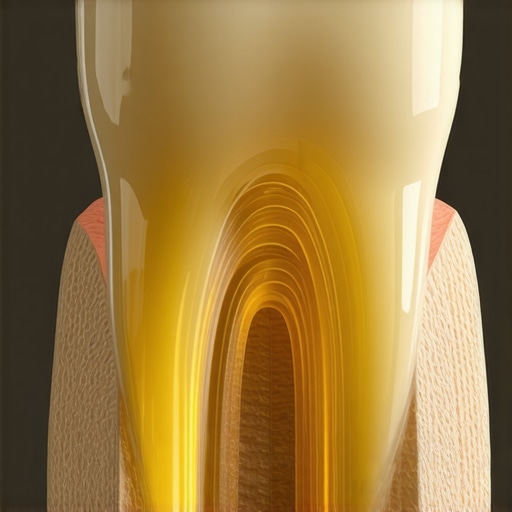
Avoid the Expensive Trap of Mixing Bleach with Dental Work
Here is a major ‘oops’ factor to keep on your radar: whitening strips and existing dental work do not mix. If you have had any bonding done to fix a chipped tooth or have considered veneers vs crowns, you must remember that these materials are color-stable. The mistake of using whitening strips on dental bonding is a classic way to end up with a ‘checkered’ smile. The bleach will whiten your natural enamel, but that composite filling or veneer will stay exactly the same shade, making your dental work look like a dark spot on a white canvas. It is a costly mistake that usually ends in having to replace perfectly good dental work just to match your new shade. Have you ever fallen into this trap of trying a quick fix only to create a bigger problem? Let me know in the comments! For those of us looking at adult alignment, the nuances are just as tricky. You might think skipping a few hours here and there with clear aligners is no big deal, but the problem with wearing your aligners for only 18 hours a day is that the roots never fully ‘seat’ in their new position. This is often why your jaw feels tight every time you start a new aligner tray—you are essentially putting your teeth through a daily tug-of-war. Understanding these subtle biological timelines is the key to a stress-free dental journey, whether you are dealing with a six-year-old’s shark teeth or your own Invisalign journey.I used to think that once the dentist finished the job—whether it was a final Invisalign tray or a fresh set of veneers—the hard part was over. But the truth is, the ‘aftercare’ is where most people lose the progress they worked so hard for. If you want to keep that glow, you need to stop treating your bathroom cabinet like a storage closet and start treating it like a mini-clinic. I personally swear by an ultrasonic cleaner. If you have ever wondered about the only way to stop your clear aligners from smelling like old saliva, this is it. It uses high-frequency sound waves to blast away the biofilm that a toothbrush simply cannot reach. According to a study published in the Journal of Clinical Dentistry, ultrasonic cleaning combined with a disinfectant tablet is significantly more effective at reducing microbial load on thermoplastic materials than manual brushing alone. This also happens to be the best way to clean your night guard so it doesnt smell after a long night of sleep.
Give Your Smile a Tiny Hot Tub Treatment
Most of us are guilty of just rinsing our trays and calling it a day. But those microscopic pits in the plastic are breeding grounds for bacteria, which is why your aligner trays are starting to turn yellow no matter how much you soak them in plain water. I recommend the iSonic or a similar brand; five minutes in that little buzzing tank while you drink your morning coffee makes a world of difference. It keeps the plastic crystal clear, which is essential if you are using Invisalign innovation to change your smile without anyone noticing. 
How do I keep my dental work looking brand new over time?
Maintenance is not just about cleaning; it is about protecting the structural integrity of your dental work. If you have veneers, your biggest enemy is not actually stains, but micro-fractures. I have learned the hard way that you have to be tactical with your diet. Learning how to keep your coffee habit without ruining your new veneers usually involves a glass straw and an immediate water rinse to neutralize the acidity. For those with natural teeth who want to maintain that bright pop, finding the best way to whiten your teeth if you have naturally thin enamel is crucial—skip the abrasive charcoal and look for nano-hydroxyapatite toothpastes that rebuild as they brighten.
Your Bathroom Mirror Is About to Get Smarter
Looking ahead to the next few years, the way we maintain our family’s dental health is going to shift toward home-based AI monitoring. We are already seeing apps that allow you to take a photo of your teeth and send it to your dentist for a weekly scan. This ‘tele-dentistry’ trend means catching a loose veneer or a shifting tooth before it becomes a multi-thousand-dollar emergency. I predict that within five years, your electric toothbrush will be able to detect early-stage cavities before they even show up on a traditional X-ray. It is an exciting time to be proactive about your health. If you are currently in the middle of a treatment or just finished one, I challenge you to try one thing this week: ditch the manual scrubbing and invest in an ultrasonic cleaner for your aligners or retainers. Your breath—and your dentist—will thank you.
The Hardest Lesson I Learned About Sudden Dental Surprises
One of the biggest shifts in my perspective happened when I realized that dental development isn’t a race. I used to think a delay in losing a baby tooth meant something was wrong, but often, it’s just biology taking a breather. I’ve learned that family dentistry building healthy smiles for every generation is about patience as much as it is about procedures. Another ‘lightbulb moment’ was realizing that the yellow hue of adult teeth is actually a sign of strength; it’s the thick dentin showing through, not a lack of hygiene. If you are looking for teeth whitening secrets for a sparkling smile, start with health first and aesthetics second. Finally, I realized that my own anxiety as a parent was contagious; when I stayed calm about the ‘shark teeth,’ my kids did too.
My Personal Toolkit for a Lifetime of Healthy Smiles
Beyond the standard brush and floss, I have a few non-negotiables that keep our family on track. First, an ultrasonic cleaner is a game-changer for anyone in the house using retainers or following Invisalign secrets achieving a perfect smile discreetly. It saves so much time and keeps things hygienic. Second, we keep a stock of pH-neutralizing mouth rinses for after those acidic snacks or green smoothies. Third, I always keep the number for our local office handy—you can find yours via contact us—because sometimes you just need a professional to say ‘it’s okay.’
Why Every New Tooth Is a Reason to Celebrate
At the end of the day, those double rows of teeth are just a brief chapter in your child’s story. Whether you are currently navigating the ‘shark’ phase or managing your own aesthetic journey with veneers made simple, remember that modern family dentistry is designed to be a partnership rather than a series of emergencies. You don’t have to have all the answers tonight. Just keep the wiggle going, keep the brush moving, and trust that the smile will find its way into its proper place. Did your child’s shark teeth move forward on their own, or did you need a professional assist to get them there? Let me know in the comments below!