
How to Tell if You Have a Hidden Cavity Between Teeth
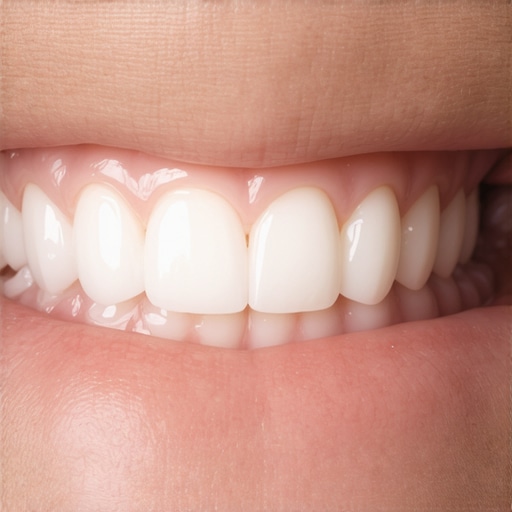
I’ll never forget the moment I realized there was a tiny, mysterious gap forming between my teeth. It started with a faint tickle when I ate and gradually became an annoying ache that I couldn’t ignore. For weeks, I ignored it, brushing and flossing just like always. But one day, I bit into an apple and felt a sudden sharp twinge—that’s when I knew something wasn’t right. That lightbulb moment made me dread visiting the dentist, but it also sparked my journey into understanding how to detect a hidden cavity lurking between my teeth.
Why Detecting Hidden Cavities Early Matters
Many people don’t realize that cavities aren’t always visible to the naked eye. Some form silently between teeth, where regular brushing might not reach effectively. Left unchecked, these cavities can lead to discomfort, more extensive dental work, and even affect your overall health. I learned the hard way that ignoring small signs can snowball into bigger problems—trust me, my early mistake was dismissing a tiny bump as insignificant. According to the American Dental Association, early detection of cavities significantly increases the chances of saving your tooth and avoiding costly procedures (source).
Could I Be Missing Something Right Under My Nose?
My initial mistake was assuming that if I didn’t see a black dot or hole, everything was fine. I thought cavities would always come with obvious signs, but I was wrong. Sometimes, it’s about feeling subtle sensations or noticing changes in how your teeth fit together. Do you find yourself avoiding certain foods or feeling occasional discomfort? If so, you might be dealing with a hidden cavity that’s sneaking in under the radar. It’s easy to overlook these signs, especially if you’re busy or think you’ll just wait until your next dental appointment. But trust me, catching these problems early is a game changer.
Now, my goal is to share what I’ve discovered about recognizing these sneaky cavities before they become a real pain—literally and figuratively. In the next sections, we’ll explore practical tips and expert advice to help you identify a hidden cavity between your teeth. Are you ready to become your own dental detective and prevent small issues from turning into big headaches? Let’s get started!
Conduct Regular Self-Checks
Start by feeling around your teeth with clean fingers or a well-flossed string to identify any subtle roughness or irregularities, especially between molars. I once used a clean, unwaxed floss to gently slide between my back teeth, feeling for any snagging or rough patches that might indicate decay. If you notice a rough texture or a slight bump, mark it for a dental examination.
Use Disclosing Agents for Clarity
Disclosing tablets or liquids temporarily stain plaque, revealing areas that aren’t cleaned well—potential hiding spots for cavities. I bought a disclosing solution to check my brushing effectiveness, and surprised myself with stained spots between my teeth that I previously missed. Regular use can help you identify neglected areas and improve your oral hygiene routine.
Apply Disclosing Solution Correctly
Follow the instructions—dab the liquid or chew the tablet, then rinse. Observe which areas stain pink or purple; these are your trouble spots. Use a mirror to examine the stained regions and mark them for targeted brushing or flossing.
Practice Proper Flossing Technique
Flossing is your frontline defense against hidden cavities—think of it as your cavity detective tool. I learned to floss gently beneath the gumline and between each tooth, feeling for resistance or roughness. When I found a sticky plaque or slight detachment, I increased my flossing frequency, which noticeably improved my oral health over time.
Choose the Right Floss
Waxed floss easily slips into tight spaces, making it ideal for interproximal areas prone to cavities.
Recognize Subtle Symptoms
Be alert to sensations like persistent sensitivity, slight discomfort when biting, or a faint tickle, which might indicate an underlying cavity. Once, I noticed a dull ache when chewing on a particular side—prompting me to schedule a check-up before the issue worsened.
Maintain Consistent Dental Hygiene
Brush twice daily with fluoride toothpaste, paying special attention to back teeth, and replace your toothbrush every 3-4 months. Supplement your routine with mouthwash to reduce bacteria. Regular cleaning prevents plaque buildup, which is essential in stopping tiny cavities from advancing.
Schedule Professional Dental Exams
Even with diligent self-checks, only a dentist can definitively identify hidden cavities. I scheduled a dental visit after noticing atypical sensitivity, and my dentist performed X-rays that revealed a small interproximal lesion—treating it early saved me from more invasive procedures. Remember, routine check-ups are your best defense against silent decay.
Explore Preventive Treatments
Consider fluoride varnish or sealants, especially for kids or if you’re prone to cavities. These barriers seal vulnerable spots and make it harder for acids to harm your enamel. Talk to your dentist about incorporating these into your preventive care routine.
Address Concerns with Your Dentist
If detecting a cavity feels overwhelming, remember that professionals have tools like digital X-rays and laser fluorescence devices to spot decay early. Regular communication with your dentist ensures you’re on top of any issues before they escalate. For tailored advice, visit our contact page to request an appointment.
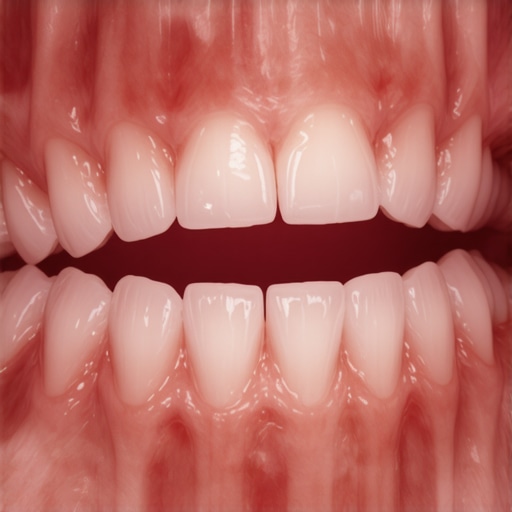
Many patients assume they understand the ins and outs of cosmetic and restorative dental procedures, but in reality, some widespread beliefs are more myths than facts. As an expert in dental aesthetics and family dentistry, I’ve seen firsthand how misconceptions can lead to poor choices, unexpected results, and even oral health risks. Let’s unravel some of these hidden nuances that many overlook or misunderstand.
Why Popularity Doesn’t Guarantee the Best Choice
For instance, Invisalign is often touted as the perfect alternative to traditional braces. While it’s true that Invisalign offers discreet and removable aligners, assuming it’s suitable for every orthodontic case is a mistake. Complex malocclusions, such as severe crowding or bite issues, might require traditional braces or even surgical intervention. Relying solely on Invisalign without comprehensive assessment can lead to prolonged treatment or suboptimal results, as highlighted in our detailed guide on Invisalign.
Teeth Whitening: More Than Just a Bright Smile
Many believe that over-the-counter whitening products are just as effective as professional treatments. However, the nuances lie in the chemistry and the safety margins. DIY whitening kits can cause excessive sensitivity or damage if misused, especially on restorations like veneers or crowns. Dentist-supervised whitening ensures safe, uniform results and preserves your enamel, a point supported by recent studies in dental bleaching safety (see our strategies here).
Can Over-the-Counter Products Really Match Professional Whitening?
While convenience is tempting, professional whitening offers personalized treatment plans, stronger agents, and guaranteed safety. The nuances of bleaching agents and their interaction with different tooth types make a significant difference, an insight often missed by patients assuming one-size-fits-all solutions are effective.
The Truth About Veneers: Not Just Cosmetic Enhancement
Veneers are frequently viewed as quick fixes for stained or gapped teeth, but they come with caveats. Many fail to realize that veneers, especially porcelain ones, require preparation that involves removing a thin layer of enamel. Overuse can compromise tooth integrity, and if not placed properly, they can cause uneven wear or sensitivity. An advanced mistake is choosing veneers when less invasive treatments like orthodontics or whitening would suffice, as discussed in our comparison of veneers and crowns.
Family Dentistry: The Overlooked Backbone
People often underestimate the importance of regular family dental check-ups, assuming they are only necessary for active issues. In contrast, routine visits serve as a preventive measure, catching problems like early decay or gum disease before they escalate. The nuances of family dentistry extend to tailored advice for children and seniors, emphasizing overall health, not just aesthetics, which is why consistent visits can save money and discomfort in the long run. For more insights, check our comprehensive guide.
In understanding these nuances, it’s clear that more effort is needed than relying on myths or superficial knowledge. As you consider cosmetic or restorative options, remember that consulting with experienced dental professionals and understanding the complexities behind each procedure can dramatically improve your outcomes. Have you ever fallen into this trap? Let me know in the comments.
Keeping It Working: The Tools I Recommend for Optimal Dental Care
Maintaining your family’s dental health requires more than just regular brushing and flossing—it involves using the right tools and methods to ensure long-term results. I’ve personally found that investing in high-quality equipment makes a significant difference in preventing problems like cavities, veneers, or Invisalign misalignments. One of my top recommendations is a sonic toothbrush, such as the Philips Sonicare DiamondClean. Its superior bristle mechanics deliver meticulous plaque removal, especially in hard-to-reach areas, which helps preserve the integrity of veneers and prevent decay around orthodontic appliances.
Another essential device is a water flosser, like the Waterpik Aquarius. Its pulsating stream effectively cleans interproximal spaces and along gumlines, reducing plaque buildup without damaging delicate restorations. For those with Invisalign aligners, I suggest using an ultrasonic cleaner—like the Ultrasonic Jewelry Cleaner—which effortlessly removes bacteria and residue from aligners, ensuring hygiene and prolonging appliance lifespan. In terms of daily routine, integrating a fluoride rinse, such as ACT Anticavity Fluoride Mouthwash, reinforces enamel and guards against cavities, especially around crowns or veneers.
How do I maintain my aesthetic dental work over time?
To keep veneers, whitening, or aligners in prime condition, regular check-ups with your dentist are crucial. I’m a believer in the power of technology, and digital record-keeping enables your dentist to track subtle changes in your dental architecture. For example, digital scanner systems like Planmeca Emerald S can monitor the health of veneers and crowns over time, alerting you to potential issues before they become painful or costly. Moreover, periodically using professional whitening treatments at your dentist’s office can sustain your bright smile without damaging restorations—as opposed to over-the-counter products, which can sometimes cause uneven coloration or sensitivity (see our whitening strategies here).
Looking to the future, I predict that emerging tools such as AI-powered diagnostic software will further personalize maintenance routines, detecting early signs of wear or decay with unprecedented accuracy. Until then, the key is consistency and quality tools. I encourage you to try incorporating a sonic toothbrush into your daily routine—a simple yet highly effective step toward maximizing your dental investments and ensuring your smile stays impeccable for years to come.
Remember, proper maintenance isn’t just about tools but also about established routines. Be proactive and schedule regular professional examinations to complement your at-home efforts. For personalized advice tailored to your family’s oral health, don’t hesitate to reach out to your dentist.
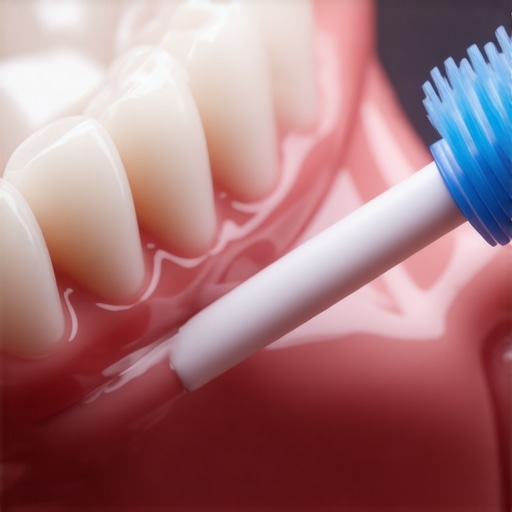
For many patients, understanding the nuances of cosmetic and restorative dental procedures can be confusing. In addition to choosing the right tools, knowing what to expect during maintenance visits can help you avoid surprises. As I always say, prevention is better than cure—especially when it comes to veneers or Invisalign. Regular check-ups with your dentist are essential; they utilize advanced diagnostic tools like intraoral cameras and 3D imaging to spot early changes and prolong the lifespan of your restorations and orthodontic appliances.
Lessons I Wish I Learned Sooner About Family Dentistry and Smile Makeovers
One of the most surprising insights I gained from my dental experiences is that even seemingly minor issues—like a tiny bump or fleeting sensitivity—can be signs of deeper problems. Catching these early required me to pay close attention and question my assumptions, reminding me that relying solely on visible signs often isn’t enough. The journey taught me that proactive self-care and regular check-ups are essential in preserving your smile’s health and beauty.
Another lesson was understanding that not all dental tools are created equal. From choosing the right toothbrush to using disclosing agents, these small steps make a significant difference in preventing cavities and maintaining restoration longevity. I realized that investing in quality tools and educating myself about their proper use empowers me to take control of my dental health rather than waiting for problems to escalate.
Lastly, I learned that collaboration with a trusted dental professional transforms routine check-ups into opportunities for personalized advice. Dentists can identify subtle issues and suggest preventive measures tailored specifically for your unique smile. Partnering with your dental team is the most effective strategy to avoid complexity and sustain your confidence in your smile for years to come.
Resources That Changed How I View Dental Care
My top picks include the Philips Sonicare DiamondClean—its superior cleaning action helps me maintain hygiene effortlessly. I also rely on Waterpik Aquarius water flosser for precise interdental cleaning, especially around veneers and orthodontic appliances, boosting my confidence in plaque control. For ongoing learning, I appreciate books like “Transform Your Smile with Veneers”, which breaks down cosmetic options in an easy-to-understand way and highlights the importance of choosing dental treatments wisely. Additionally, consulting trusted sources like family dentistry guides has helped me understand how preventive care benefits every stage of life and how regular visits safeguard my family’s health.
Your Smile Journey Starts Today
Remember, mastering your dental health isn’t about perfection but consistency and awareness. Whether you’re considering veneers, Invisalign, or simply want to keep your family’s smiles bright, taking proactive steps today will pay off tomorrow. Don’t wait for discomfort or visible issues—empower yourself with knowledge, quality tools, and a good relationship with your trusted dental team. Your best smile is within reach, and every small effort brings you closer to achieving it.
What challenges have you faced in maintaining your dental health, and how are you overcoming them? Share your story below—I’d love to hear how you’re taking charge of your smile!