
The Best Way to Clean a Mouthguard That Has Become Slimy and Gross
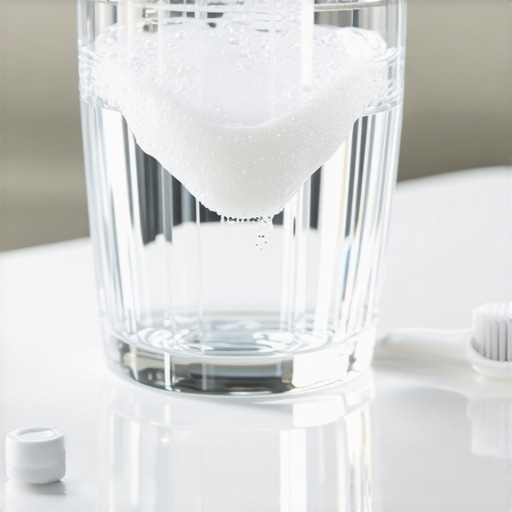
I woke up last Tuesday, reached for my night guard on the bedside table, and immediately felt that telltale slick texture. You know the one. It is that slippery, slightly cloudy film that makes you wonder if you are actually putting a Petri dish in your mouth every night. For years, I thought a quick splash of lukewarm water was enough. I was truly wrong. My mouthguard did not just look gross; it smelled like a locker room, and quite frankly, it was making my morning breath unbearable. Whether you are using a guard for sports, protecting your new porcelain veneers, or finishing up a round of Invisalign treatment, that slime is a sign of a growing problem. Today, I am going to show you exactly how to break that cycle of biofilm and get your gear back to dentist-office fresh. [IMAGE_PLACEHOLDER]
That Yellow Gunk Is More Than Just Dried Saliva
When I first started wearing a guard, I made the classic rookie mistake: I thought boiling water would sanitize it. I ended up warping the plastic so badly it would not even fit my molars anymore. If you have done the same, do not worry; family dentistry experts see this all the time. The reality is that your mouth is home to hundreds of species of bacteria. When you trap them against a plastic surface for eight hours, they create a biofilm. According to research from the Academy of General Dentistry, mouthguards can harbor significant amounts of bacteria, yeast, and even mold if not properly maintained. This is not just about the ick factor. Leaving that slime on your guard can lead to gum irritation or even infections. I have noticed that when I slack off on my cleaning routine, my gums feel sore the next day. We need to treat these devices with the same respect we give our actual teeth. If you have been wondering how to clean the stubborn gunk out of your night guard without ruining it, you are in the right place. Have you ever noticed your guard smelling funky even after you thought you washed it?
Is All This Deep Cleaning Actually Worth the Effort?
You might be thinking, it is just going back in my mouth tonight, so why bother? I used to feel the same way. But think about it: would you wear the same pair of socks for a month without washing them? That is essentially what we do when we ignore a smelly night guard. Scrubbing away that slime does not just save your breath; it protects your investment. Whether you spent money on veneers or you are just trying to stop grinding your teeth, a clean guard is the only way to ensure your oral health stays on track. Now, let us get into the nitty-gritty of the methods that actually work and the ones that are just a waste of time.
Scrub Your Guard Like a Professional Every Single Morning
The moment you pop that guard out, the clock starts ticking. Saliva dries fast, and once it hardens, it becomes a calcified fortress for bacteria. I treat my night guard like I treat my new porcelain veneers: with gentle but firm consistency. Grab a soft-bristled toothbrush—not the one you use for your teeth—and some fragrance-free dish soap or specialized cleaner. I once made the mistake of using a gritty whitening toothpaste, thinking it would get the stains out. Big mistake. The abrasive particles in toothpaste, designed for enamel, created microscopic scratches in my guard. Within a week, those scratches were filled with a dark, funky residue that was impossible to reach. It felt like wearing a scratchy wool sweater over my teeth. Instead, use a mild soap to break down the oils without etching the plastic. This is the same principle behind family dentistry advice for cleaning retainers or Invisalign innovation trays.
The Right Way to Rinse and Dry
After your quick scrub, rinse it thoroughly with lukewarm water. Never use hot water; I have already warned you about the melted plastic heartbreak. But here is the step most people skip: drying. Bacteria love a damp, dark environment. If you toss a wet guard into a closed case, you are basically building a tiny sauna for germs. I leave mine out on a clean paper towel to air dry completely before I snap that case shut. It is a simple habit that prevents the hidden reason your clear aligners have a persistent odor from taking over your night guard too. 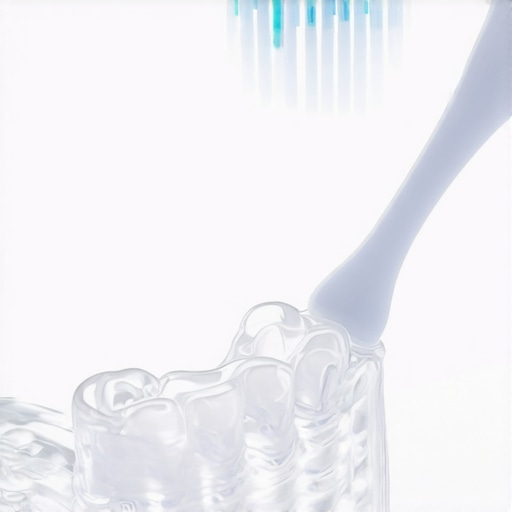
Try the Weekly Deep Soak to Blast Away Mineral Buildup
Even with daily brushing, minerals from your saliva will eventually build up. You will notice those white, crusty spots that look like limescale on a faucet. To handle this, you need a chemical assist. I swear by a 50/50 mix of white distilled vinegar and water. I soak mine for about 30 minutes once a week. The acidity of the vinegar dissolves the calcium deposits without melting the guard. If you prefer a store-bought solution, denture cleaning tablets work wonders for people who have the ultimate guide to teeth whitening options on their mind and want to keep everything looking bright. Just make sure you do not leave it in the vinegar for more than an hour, or the plastic can start to degrade.
Protect Your Investment and Your Breath
Whether you are protecting your smile or managing a heavy grinding habit, the material matters. If you have noticed why your clear aligners have started to look cloudy, the same logic applies to your guard: it is usually a mix of biofilm and mineral deposits. I remember one specific Wednesday after a heavy garlic dinner—let us just say the guard retained that flavor for two days until I did a deep soak. Now, I never skip the vinegar bath. It keeps the plastic clear and ensures my gums do not feel sore from bacterial irritation. It is much easier than fixing a stained device later.
Don’t Forget the Case
Cleaning the guard while ignoring the case is like taking a shower and then putting on dirty clothes. At least twice a week, I run my plastic case through the top rack of the dishwasher or scrub it with hot, soapy water. If you are wondering how to clean the stubborn gunk out of your night guard case, use a Q-tip to get into the corners. A clean case is the final line of defense against that locker room smell returning before you even get to sleep.
I woke up last Tuesday, reached for my night guard on the bedside table, and immediately felt that telltale slick texture. You know the one. It is that slippery, slightly cloudy film that makes you wonder if you are actually putting a Petri dish in your mouth every night. For years, I thought a quick splash of lukewarm water was enough. I was truly wrong. My mouthguard did not just look gross; it smelled like a locker room, and quite frankly, it was making my morning breath unbearable. Whether you are using a guard for sports, protecting your new porcelain veneers, or finishing up a round of Invisalign treatment, that slime is a sign of a growing problem. Today, I am going to show you exactly how to break that cycle of biofilm and get your gear back to dentist-office fresh. [IMAGE_PLACEHOLDER]
That Yellow Gunk Is More Than Just Dried Saliva
When I first started wearing a guard, I made the classic rookie mistake: I thought boiling water would sanitize it. I ended up warping the plastic so badly it would not even fit my molars anymore. If you have done the same, do not worry; family dentistry experts see this all the time. The reality is that your mouth is home to hundreds of species of bacteria. When you trap them against a plastic surface for eight hours, they create a biofilm. According to research from the Academy of General Dentistry, mouthguards can harbor significant amounts of bacteria, yeast, and even mold if not properly maintained. This is not just about the ick factor. Leaving that slime on your guard can lead to gum irritation or even infections. I have noticed that when I slack off on my cleaning routine, my gums feel sore the next day. We need to treat these devices with the same respect we give our actual teeth. If you have been wondering how to clean the stubborn gunk out of your night guard without ruining it, you are in the right place. Have you ever noticed your guard smelling funky even after you thought you washed it?
Is All This Deep Cleaning Actually Worth the Effort?
You might be thinking, it is just going back in my mouth tonight, so why bother? I used to feel the same way. But think about it: would you wear the same pair of socks for a month without washing them? That is essentially what we do when we ignore a smelly night guard. Scrubbing away that slime does not just save your breath; it protects your investment. Whether you spent money on veneers or you are just trying to stop grinding your teeth, a clean guard is the only way to ensure your oral health stays on track. Now, let us get into the nitty-gritty of the methods that actually work and the ones that are just a waste of time.
Scrub Your Guard Like a Professional Every Single Morning
The moment you pop that guard out, the clock starts ticking. Saliva dries fast, and once it hardens, it becomes a calcified fortress for bacteria. I treat my night guard like I treat my new porcelain veneers: with gentle but firm consistency. Grab a soft-bristled toothbrush—not the one you use for your teeth—and some fragrance-free dish soap or specialized cleaner. I once made the mistake of using a gritty whitening toothpaste, thinking it would get the stains out. Big mistake. The abrasive particles in toothpaste, designed for enamel, created microscopic scratches in my guard. Within a week, those scratches were filled with a dark, funky residue that was impossible to reach. It felt like wearing a scratchy wool sweater over my teeth. Instead, use a mild soap to break down the oils without etching the plastic. This is the same principle behind family dentistry advice for cleaning retainers or Invisalign innovation trays.
The Right Way to Rinse and Dry
After your quick scrub, rinse it thoroughly with lukewarm water. Never use hot water; I have already warned you about the melted plastic heartbreak. But here is the step most people skip: drying. Bacteria love a damp, dark environment. If you toss a wet guard into a closed case, you are basically building a tiny sauna for germs. I leave mine out on a clean paper towel to air dry completely before I snap that case shut. It is a simple habit that prevents the hidden reason your clear aligners have a persistent odor from taking over your night guard too.
Try the Weekly Deep Soak to Blast Away Mineral Buildup
Even with daily brushing, minerals from your saliva will eventually build up. You will notice those white, crusty spots that look like limescale on a faucet. To handle this, you need a chemical assist. I swear by a 50/50 mix of white distilled vinegar and water. I soak mine for about 30 minutes once a week. The acidity of the vinegar dissolves the calcium deposits without melting the guard. If you prefer a store-bought solution, denture cleaning tablets work wonders for people who have the ultimate guide to teeth whitening options on their mind and want to keep everything looking bright. Just make sure you do not leave it in the vinegar for more than an hour, or the plastic can start to degrade.
Protect Your Investment and Your Breath
Whether you are protecting your smile or managing a heavy grinding habit, the material matters. If you have noticed why your clear aligners have started to look cloudy, the same logic applies to your guard: it is usually a mix of biofilm and mineral deposits. I remember one specific Wednesday after a heavy garlic dinner—let us just say the guard retained that flavor for two days until I did a deep soak. Now, I never skip the vinegar bath. It keeps the plastic clear and ensures my gums do not feel sore from bacterial irritation. It is much easier than fixing a stained device later.
Don’t Forget the Case
Cleaning the guard while ignoring the case is like taking a shower and then putting on dirty clothes. At least twice a week, I run my plastic case through the top rack of the dishwasher or scrub it with hot, soapy water. If you are wondering how to clean the stubborn gunk out of your night guard case, use a Q-tip to get into the corners. A clean case is the final line of defense against that locker room smell returning before you even get to sleep. It is easy to fall into the trap of thinking that once you have invested in a high-end smile, the hard work is over. I hear it all the time in the world of family dentistry: ‘My veneers are porcelain, so they can’t get cavities, right?’ While the porcelain itself is resistant to decay, the tooth underneath is not. If you let biofilm sit on your night guard, you are essentially pressing a bacterial compress against the margins of those expensive restorations. This is exactly why your porcelain crowns look darker near the gum line over time—it is often not the crown changing color, but the tooth or gum tissue reacting to poor hygiene.
Why Porcelain Is Not an Excuse to Skip the Scrub
Many of my friends who use Invisalign secrets for a straighter smile make a common mistake: they assume that soaking their trays longer equals a cleaner tray. Actually, according to a study published in the Journal of Prosthodontic Research, excessive exposure to certain cleaning agents can increase the surface roughness of dental polymers. This creates a ‘velcro effect’ where stains and bacteria latch on even tighter. It is a frustrating cycle where you soak more, only to find why your aligner trays are starting to turn yellow no matter how much you soak them. The nuance here is that ‘clean’ doesn’t mean ‘chemically marinated.’ 
The Trap of Over-Cleaning Your Clear Aligners
Some people go to the other extreme and use harsh chemicals like bleach or boiling water to ‘kill everything.’ This doesn’t just warp the fit; it can lead to why your jaw aches every time you wear your new invisalign tray because the plastic has lost its intended flexibility. When the material becomes rigid or distorted, it puts uneven pressure on your teeth.
Why Does My Smile Look Different in Photos After Whitening?
If you have been hitting the whitening strips hard to match your guard’s cleanliness, be careful. A major ‘oops’ factor involves using these products on anything that isn’t natural enamel. I have seen people try to whiten their way out of a dull smile, only to realize why your veneers look opaque and fake in flash photography. Bleaching agents only work on natural teeth, so you might end up with bright natural teeth and ‘yellow’ looking dental work. Worse yet, if you have any composite work, you might be making the mistake of using whitening strips on dental bonding, which can lead to texture issues and uneven coloring. Another nuance often missed is the ‘zinger’ phenomenon. If you are cleaning your guard properly but still feel sensitivity, it might be how to manage the zingers after a professional whitening session that you need to focus on. Have you ever fallen into this trap of over-cleaning or using the wrong product on your dental work? Let me know in the comments. We are all trying to protect our investments, but sometimes our ‘proactive’ habits are actually doing the damage. If you ever feel like your routine is causing more harm than good, it is always worth a quick chat with your provider to ensure your expert tips for veneers are still serving you well.The solution to the over-cleaning trap—where you feel like you have to scrub harder to get results—isn’t more elbow grease; it is better technology. I eventually realized that my manual scrubbing was never going to be 100% effective. After a year of wearing my guard, it still had that faint “old plastic” scent despite my best efforts. That is when I invested in an ultrasonic cleaner. It was a total game-changer for my routine. These devices use high-frequency sound waves to create millions of tiny bubbles that implode, a process known as cavitation. This reaches into the microscopic pores of the plastic where a toothbrush simply cannot fit. According to a study published in the American Journal of Orthodontics and Dentofacial Orthopedics, ultrasonic cleaning is significantly more effective at removing biofilm from dental polymers than manual brushing alone. I use mine three times a week with a specialized tablet, and my guard stays as clear as the day I got it. This is one of those teeth whitening secrets for appliance users: a truly clean guard doesn’t transfer stains back onto the teeth it sits against. 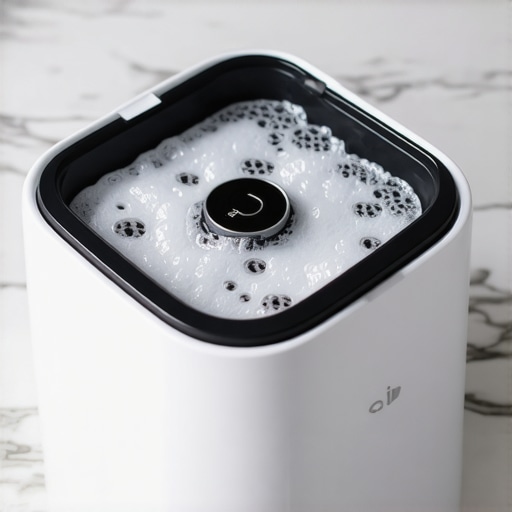
Stop Scrubbing and Let Technology Do the Heavy Lifting
If you are managing the oral health of a whole household, efficiency is the only way to stay sane. When ensuring family dental care for kids with retainers or adults with aligners, I tell my friends to remove the human error. If you rely on a tired teenager to scrub their retainer perfectly every night, you are eventually going to pay the real cost of skipping your six-month cleaning when they develop a localized gum infection from trapped bacteria. I see the same thing with adults who have veneers made simple; they forget that the junction between the porcelain and the natural tooth is the most vulnerable spot for plaque.
How Can I Keep My Results Looking Fresh for Decades?
Consistency beats intensity every single time. You do not need a three-hour dental deep-clean once a year; you need five minutes of smart maintenance every morning. This is the only way to prevent why your porcelain veneers look dull after five years of wear. The dullness is rarely a defect in the material; it is usually micro-scratches from improper cleaning tools like abrasive toothpaste. Looking ahead, I predict we will see smart mouthguards equipped with embedded pH sensors that sync to your smartphone, alerting you exactly when your biofilm levels are reaching a critical point. We are moving toward a world of proactive, data-driven family dentistry rather than just waiting for things to break. For now, the best move you can make is to ditch the toothbrush and grab a dedicated ultrasonic cleaner. Your breath, and your dental provider, will thank you for the lack of bacterial buildup. If you are ready to take your routine to the next level, try the 30-minute vinegar soak followed by a 5-minute ultrasonic cycle—it is the absolute gold standard for maintenance.
The Costly Truth About Cutting Corners with Biofilm
Over the years, I have learned that maintaining a night guard is less about scrubbing and more about understanding the chemistry of your mouth. One of the biggest ‘lightbulb moments’ for me was realizing that a clear-looking guard isn’t always a clean one. Bacteria can hide in microscopic pores you can’t even see with the naked eye. If you ignore this, you might eventually wonder why your porcelain veneers look dull after five years of wear, only to find out that bacterial buildup was the culprit all along. I also learned that using the wrong chemicals can lead to tooth sensitivity; I once used a harsh cleaner that didn’t rinse off well, and I spent the next morning figuring out how to manage the zingers after a professional whitening session because my gums were so irritated. Lastly, remember that your appliance is part of your body’s ecosystem. If you wouldn’t put it on a wound, don’t put it in your mouth without a proper soak.
Gear That Actually Earns Its Spot on My Bathroom Counter
You don’t need a cabinet full of expensive chemicals to keep your smile healthy, but a few specific tools make all the difference. First, a dedicated ultrasonic cleaner is the single best investment for anyone using Invisalign secrets to maintain their alignment. Second, keep a bottle of distilled white vinegar handy; it is the most effective, non-toxic way to break down calcium deposits. I also recommend a high-quality, ventilated storage case to prevent the ‘sauna effect’ that breeds mold. For more detailed steps on the soaking process, you can check out my guide on the best way to clean your night guard so it doesn’t smell. These tools are the foundation of any solid routine.
Reclaim Your Fresh Morning Breath Starting Tonight
Taking care of your dental gear is one of the simplest ways to protect your long-term oral health and keep your breath smelling great. It might feel like an extra chore at first, but once you experience the difference of putting on a truly fresh, crisp guard every night, you will never go back to the old ‘quick rinse’ method. Whether you are a parent ensuring family dental care for your kids or just looking out for your own smile, consistency is your best friend. Your teeth work hard for you all day; give them a clean place to rest at night. Have you ever noticed a strange smell on your guard even after you thought you cleaned it thoroughly? Let me know in the comments below!