
Why Your Porcelain Crowns Look Darker Near the Gum Line Over Time
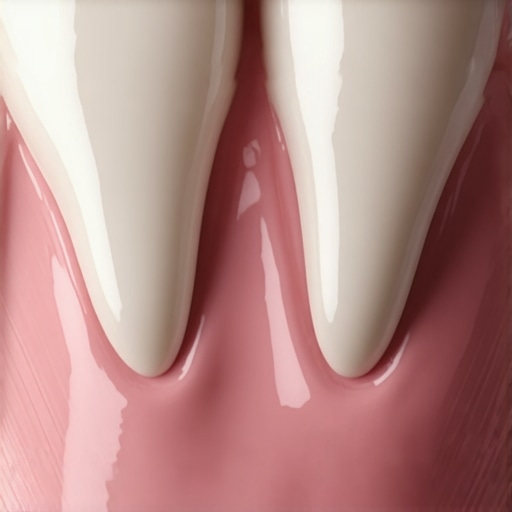
I was leaning in close to the mirror, checking for spinach after a lunch date, when I saw it. A faint, shadowy gray line tracing the edge of my front porcelain crown. My heart sank. I had spent good money on that restoration years ago, and I honestly thought porcelain was supposed to stay perfect forever. It wasn’t food; it was my tooth—or rather, the spot where my tooth met my gum. I felt a surge of panic, wondering if my tooth was rotting underneath or if I had just wasted my savings on a fix that was now failing me. It’s a jarring realization to see your investment in your smile start to look like a flaw.
The Real Reason Your Gums Are Showing a Dark Shadow
For a long time, I beat myself up about it. I even made the classic mistake of using whitening strips on dental bonding and crowns, thinking I could just bleach the shadow away. Spoiler alert: it doesn’t work that way. Most of the time, that dark line isn’t a cavity at all. If you have an older restoration, it’s likely a Porcelain-Fused-to-Metal (PFM) crown. These have a metal substructure for strength, and as we get older, our gums naturally shift. When I started researching why my gums were receding despite brushing twice a day, it clicked. That dark line is actually the metal collar of the crown being unmasked. According to the American College of Prosthodontists, metal-ceramic restorations have been the standard for decades, but they are notorious for this exact aesthetic issue as the soft tissue retreats.
Is this dark line a sign of a failing crown?
It’s the question that kept me up at night: Is my crown about to fall out, or is it just ugly? In many cases, the crown is structurally sound, but the “margin”—the place where the crown meets the tooth—has become visible. However, you shouldn’t just ignore it. Sometimes that shadow is the real reason your gums turn black or grey near a metal bridge or crown, indicating a fit issue or a buildup of bacteria. When I finally sat down with my dentist for a family dentistry checkup, I learned that while the crown might be fine, the aesthetic shift is often the catalyst for people switching to all-ceramic options or even exploring veneers vs crowns for a more natural look. We are going to dive into exactly how to tell the difference between an aging crown and a dangerous one today. Have you noticed a similar shadow starting to creep into your smile lately? Tell me about it in the comments below!
Run your fingernail along the gumline
Before you spiral into a Google-induced panic, try this simple tactile test. Gently run your fingernail or a clean toothpick along the edge where the crown meets your gum. What you are looking for is a smooth transition. If your nail catches on a sharp ledge or a gap, that is a ‘margin failure.’ When I first felt a weird texture on my front tooth, I was terrified, similar to how the reason your porcelain veneers feel gritty to your tongue can be a sign of surface wear. In my case, it was just a tiny bit of recession, but the margin was still sealed tight. If you feel a hole or a significant drop-off, bacteria can move in, and you might actually be dealing with a cavity underneath. Knowing how to tell if your dental crown is loose or just sensitive is the first step in deciding if this is a cosmetic annoyance or a clinical emergency.
The flashlight test for hidden shadows
Grab a high-powered flashlight and stand in front of a mirror in a dark room. Shine the light from the back of your teeth (the tongue side) and look at the front. If you have an all-ceramic crown, the light will likely glow through it like a natural tooth. If you have a PFM crown, it will look like a dark, solid block because the metal substructure blocks the light. This is why why your teeth look gray instead of yellow and how to fix it often comes down to the materials used in your restorations. If the light reveals a dark ‘halo’ around the gum, you are seeing the shadow of that metal collar. This isn’t a sign of failure, but a sign that the ‘turtleneck’ effect of the metal is becoming visible as your gum tissue thins out.
Switch to zirconia to kill the shadow
The most permanent way to eliminate that dark line is to replace the old PFM with a modern, all-ceramic restoration like Zirconia or E-max. These materials are translucent and have no metal base, meaning even if your gums recede another millimeter in ten years, there is no dark metal to reveal. When I finally made the switch, the difference was night and day. It is a process that falls under veneers made simple and advanced crown technology. Think of it like swapping an old heavy-duty padlock for a high-tech invisible bolt; you get the same strength without the bulky, ugly hardware. Modern labs can now match the exact opacity of your neighboring teeth so the restoration is virtually invisible.
Stop the shadow from getting wider
If you aren’t ready to replace the crown yet, you must focus on ‘gum stability.’ The dark line gets worse as the gum pulls away. I realized that my aggressive brushing was actually making my ‘halo’ more visible every month. You need to switch to an extra-soft brush and focus on a circular motion rather than a scrubbing one. If you have been neglectful, learning how to stop your gums from bleeding when you havent flossed in weeks will help reduce the inflammation that leads to further recession. Keeping the tissue plump and healthy is the only way to keep that crown margin ‘tucked in’ and out of sight. I once tried to ‘scrub’ the gray line away, thinking it was a stain, only to make my gums bleed and recede further—don’t make that mistake.
Adjust your lighting for a quick confidence boost
It sounds like a cheat, but the dark line is often emphasized by overhead fluorescent lighting. In natural sunlight, the shadow is much less pronounced. If you are self-conscious during a big event or a date, try to position yourself so light hits your face from the front rather than from directly above. While this doesn’t fix the dental issue, it manages the aesthetic until you can get back into the chair for a permanent update. Understanding the interplay of light and porcelain is key to modern family dentistry and cosmetic planning.
I used to think that if my smile looked dark, I just needed more bleach. But here’s the contrarian truth: aggressive whitening can actually make that dark gumline shadow pop like a neon sign. When you use the ultimate guide to teeth whitening options in 2025, you realize that brightening the natural enamel around a crown increases the ‘value’ contrast. If your natural teeth become ultra-white and your crown stays its original shade, that gray margin becomes the focal point. This is why how to stop your veneers from looking too white and fake is such a common conversation in high-end cosmetic offices. It’s about optical harmony, not just raw brightness. Even the most expensive veneers vs crowns decision won’t look right if the surrounding tissue and adjacent teeth aren’t managed with this contrast in mind.
Don’t let charcoal ruin your porcelain investment
A major ‘oops’ I see people make—and I’ll admit, I almost did this too—is trying to ‘scrub’ away stains with abrasive DIY methods. You might think the truth about charcoal toothpaste and your tooth enamel is just about sensitivity, but for crown and veneer wearers, it’s a recipe for disaster. Charcoal is highly abrasive. While it might remove a surface coffee stain, it can micro-scratch the glaze of your porcelain. Once that factory-finish glaze is compromised, the material becomes porous and picks up stains faster than ever. You’re essentially trading a temporary fix for a permanent stain magnet. This is a trap that often leads people back to family dentistry offices earlier than necessary to replace damaged restorations.
Can you actually whiten teeth that have been stained by internal antibiotics?
This is the level of detail most people miss. If your grayness isn’t from a crown at all, but from within the tooth itself (often due to tetracycline exposure as a kid), standard strips won’t touch it. You need to explore the best way to whiten teeth that have been stained by tetracycline, which often involves specialized deep-bleaching protocols. A study published in the Journal of Esthetic and Restorative Dentistry highlights that the thickness of your gingival biotype—the literal thickness of your gum tissue—is the ‘hidden’ factor in these aesthetic failures. If your gums are thin, no amount of bleaching will hide the dark root underneath; you might actually need a gum graft or a more opaque restorative material like Zirconia.
Why 22 hours really is the magic number for aligners
We also see similar nuance issues with orthodontic progress that affects the gumline. Many patients think ‘compliance’ is just a suggestion, but the problem with wearing your aligners for only 18 hours a day isn’t just about speed; it’s about ‘root torque.’ When the teeth aren’t under constant pressure, they start to tip back into their old positions, a phenomenon called ’round-tripping’ that can actually cause the gums to recede further. This level of technical detail is what separates a successful smile transformation from a frustrating, expensive setback. Have you ever fallen into the trap of thinking a DIY hack would solve a professional-level dental problem? Let me know in the comments below!
Once you have invested in your smile, the real work shifts from the dentist’s chair to your bathroom counter. I’ve found that the ‘old school’ way of just brushing and flossing isn’t quite enough when you have high-end restorations or are in the middle of an orthodontic journey. You need a toolkit that matches the technology in your mouth. For those of us using aligners, I cannot recommend a small ultrasonic cleaner enough. I used to spend forever scrubbing my trays with a soft brush, only to find they still looked murky. Now, I drop them in the ultrasonic bath with a retainer tablet for five minutes while I shower. It uses high-frequency sound waves to create cavitation bubbles that blast away biofilm without creating the micro-scratches that a toothbrush can leave behind. This is the secret to why your clear aligners have started to look cloudy and how to fix it before it becomes permanent.
How do I keep my smile looking brand new for years?
The key is preventing the ‘margin creep’ we talked about earlier. To do this, I rely heavily on a high-quality water flosser. While manual floss is great, a water flosser set to a medium-low pressure can reach deep into the sulcus—that little pocket where your crown meets the gum—without being abrasive. In my experience, this is the most effective way to manage the family dentistry aspect of long-term care for the whole household. It’s also the only way I managed how to keep your coffee habit without ruining your new veneers, as it flushes out the tannins before they can settle into the junction of the tooth. According to the Journal of the American Dental Association (JADA), patients using a water flosser in combination with manual brushing saw a significantly greater reduction in gingival bleeding compared to those using string floss alone. This stability is what keeps those dark lines from ever appearing in the first place.
Looking ahead, the future of smile maintenance is getting incredibly high-tech. I predict that within the next few years, we will see invisalign innovation move toward integrated sensors in our retainers that track pH levels and bacteria counts in real-time, syncing directly to our phones. We are already seeing teeth whitening secrets for a sparkling smile in 2025 involving blue-light integrated toothbrushes that maintain brightness daily rather than in one-off sessions. For now, focus on the ‘wet’ maintenance—keeping the tissues hydrated and the hardware professionally clean. If you are managing a household, ensuring family dental care means teaching the kids that the tools we use for invisalign or crowns are just as important as the restorations themselves. I challenge you to swap your manual flossing routine for a water flosser for just two weeks; you will be shocked at the difference in how ‘tight’ and healthy your gums feel against your dental work.
Why I Stopped Chasing Perfect Whiteness and Started Guarding My Gums
I used to think a brighter smile meant more whitening gel, but my biggest ‘lightbulb moment’ was realizing that the health of the gum tissue is actually the frame for the entire dental ‘painting.’ I learned the hard way that porcelain stays the same color, but as my gums receded, the contrast made every tiny flaw more obvious. I also realized that the dreaded dark line isn’t always a sign of a failing tooth; sometimes it is just older material choices like PFM crowns revealing their age. One of the most important lessons is that preventive care is far cheaper than a total smile overhaul. Understanding the real cost of skipping your six month cleaning becomes crystal clear when you realize that professional scaling is what prevents the recession that unmasks those metal margins in the first place.
A Survival Kit for Your High-End Restorations
Maintaining a smile that features crowns or veneers requires a slightly different approach than natural teeth. My daily toolkit now includes specific items that prioritize gentle efficiency over raw scrubbing power. First, a high-quality water flosser is non-negotiable; it is the most effective way I have found for how to keep your coffee habit without ruining your new veneers because it flushes away pigments before they can settle into the margin. Second, I only use gel-based toothpastes that lack abrasive silicas, especially after discovering the truth about using charcoal toothpaste on porcelain surfaces—it can actually dull the polish that gives your teeth their natural shimmer. Finally, if you wear any kind of removable hardware, use an ultrasonic cleaner. It is the gold standard for preventing why your clear aligners have started to look cloudy, keeping your breath neutral and your trays invisible.
#IMAGE_PLACEHOLDER_E#
Your Path to a Smile That Ages Gracefully
Ultimately, a dark shadow at the gumline or a dull finish on a crown is not a life sentence for your smile. With the transition to all-ceramic materials like Zirconia and a commitment to ‘wet’ maintenance, you can ensure your dental work looks as good on day 3,000 as it did on day one. Your smile is a living investment that thrives on consistency rather than occasional emergency fixes. By leaning into the expertise of family dentistry, you can create a long-term plan that manages both the aesthetics and the biological health of your mouth. Don’t be afraid to ask for a ‘material upgrade’ if your old work is making you hide your laugh. Have you noticed a dark shadow or a change in texture around your older dental work lately? Let me know in the comments below!