
How to stop your toddler from chewing on their toothbrush
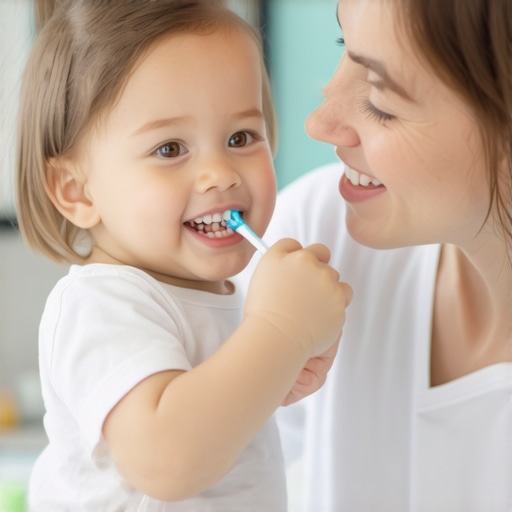
I stood there, staring at a brand-new, pediatric-recommended toothbrush that looked like it had been put through an industrial blender. It had been exactly three days since I bought it. My two-year-old had once again bypassed the actual act of brushing to aggressively gnaw on the nylon bristles like a puppy with a new squeak toy. I felt that familiar, heavy sigh bubbling up. If you are currently locked in this nightly battle of wills, frantically wondering how to keep those tiny teeth clean when the brush is constantly clamped between their molars, you are definitely not alone. It is a exhausting, messy phase of parenting. Today, we are going to dive into why this happens and look at the exact shifts I used to turn our nightly dental circus into actual, productive brushing. We will cover how to transition them from passive chewing to active cleaning without the tears. family dentistry tips can really save your sanity here, and I want to share what worked in my own household after plenty of trial and error.
My Costly Mistake with the ‘Let Them Explore’ Method
When my oldest first started biting down on the bristles, I figured it was just a harmless phase. I thought, ‘Hey, at least the brush is in their mouth, right?’ That was a massive mistake. Not only did we go through a dozen ruined brushes in a single month, but I also realized that swallowing loose nylon bristles poses a genuine choking and digestive risk. According to the American Academy of Pediatric Dentistry, early childhood oral habits lay the foundation for permanent dental health, and letting them chew ruins the alignment of the bristles, rendering the brush completely useless for plaque removal. By letting them use the brush as a teething ring, I was accidentally reinforcing the wrong oral habits. If you want to set them up for a lifetime of healthy smiles, you have to establish clear boundaries early, just as you would prepare older kids for ensuring family dental care as they grow.
Is your toddler actually trying to brush, or just looking for sensory relief?
This is the million-dollar question. Most parents assume their child is just being stubborn or defiant when they bite down and refuse to let go. In reality, toddlers are often seeking deep sensory pressure. Their mouths are highly sensitive, and those back molars pushing through the gums create an intense urge to chew on anything textured. Once I realized my kid wasn’t trying to fight me, but was actually self-soothing, everything changed. We had to separate ‘chew time’ from ‘brush time’ entirely. Have you found yourself constantly prying open a tiny, locked jaw just to get a quick swipe at their teeth? Let me know in the comments below, because I swear we have all been there.
How I Separated Chewing from Actual Brushing
To break this cycle, I had to stop treating the toothbrush like a magical wand that could do two jobs at once. Brushing is about plaque removal; chewing is about sensory relief. When you mix them, you get a destroyed brush and zero clean teeth. I started handing my daughter a cold, textured teething ring ten minutes before we even walked into the bathroom. Think of this like giving a hungry dog a bone before training; it satisfies that deep, biological urge to bite down so their jaw muscles are relaxed when the real work begins. If your child still struggles with biting, you might notice similar oral-motor challenges later on, much like parents who wonder why your toddler keeps biting their tongue while eating when transitioning to solid foods. Once that sensory urge is met, the toothbrush can finally do its actual job.
The Two-Brush Technique in Action
The breakthrough moment in our house happened on a Tuesday night. My daughter was screaming, jaws clenched like a tiny safe. I brought out two identical brushes. I gave her one to hold and bite on purpose, while I held the other. I told her, ‘You clean your doll’s teeth, and I clean yours.’ It was a game-changer. By giving her control over one brush, her brain was distracted enough to let me slip the active brush along her gumline. Just like how patients using clear aligners must learn the only way to stop your clear aligners from smelling like old saliva to maintain hygiene, toddlers need a dedicated, sterile routine that keeps the active cleaning brush separate from their playthings. 
The ‘Behind the Back’ Angle for Maximum Access
If you are standing in front of your toddler trying to brush, you are playing on hard mode. They will naturally back away or pull their head down. Instead, I started sitting on the floor with my daughter’s head resting gently in my lap, or standing behind her while she looked in a mirror. This is the exact positioning used in professional pediatric clinics. It gives you the perfect top-down view of their lower arch, allowing you to sweep the bristles quickly across the molars before they even realize what’s happening. Maintaining this visibility is just as critical as knowing why your childs permanent teeth are coming in behind baby teeth when you monitor their developing smile. By changing my physical angle, I went from blindly poking around her mouth to executing swift, precise brush strokes that actually removed the sticky plaque.
Why the Common Practice of Aggressive Whitening Backfires
Many parents and young adults believe that achieving a flawless smile is simply a matter of applying stronger bleaching agents or getting the quickest cosmetic fix available. You see it everywhere on social media: the push for overnight whitening and instant-prep dental modifications. But here is the contrarian truth that cosmetic dentists whisper behind closed doors: aggressive, over-the-counter bleaching often ruins your chances of long-term dental aesthetic success. When you overuse hydrogen peroxide strips, you do not just increase sensitivity; you actually risk striping away the microscopic mineral matrix of your enamel. Once that enamel thins, the naturally yellow dentin underneath starts to show through permanently. This is why some people end up with a darker, more translucent smile despite bleaching daily. If you have naturally delicate teeth, you must learn the best way to whiten your teeth if you have naturally thin enamel rather than following generic internet trends. A study published in the Journal of Dentistry confirmed that excessive peroxide exposure alters the structural microhardness of enamel, making it highly susceptible to rapid restaining. Have you ever fallen into this trap of over-bleaching only to find your teeth looking duller? Let me know in the comments below.
Are those white spots on your teeth actually cavities or just cosmetic blemishes?
This is the advanced question that puzzles many parents when inspecting their children’s teeth after orthodontic treatment or rapid growth spurts. When people spot chalky white patches, their immediate instinct is to panic and scrub harder, assuming it is active decay. In reality, these are often areas of decalcification or mild fluorosis. Treating them like standard cavities by drilling and filling is a massive mistake that permanently compromises the tooth’s structure. Instead, modern pediatric dentistry focuses on remineralization therapies and microabrasion. If your teenager recently finished orthodontic treatment, you need to understand how to remove the white spots that appear on your teeth after braces safely without damaging the precious enamel layer. Recognizing these subtle differences is what separates superficial brushing from true, evidence-based family dentistry building healthy smiles for every generation. 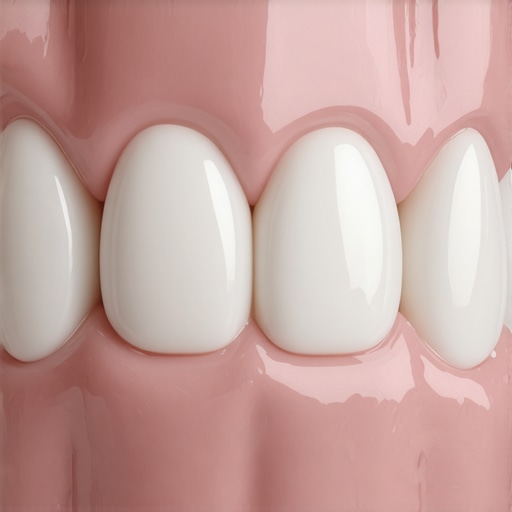
The Bulky Veneer Trap and How to Avoid Permanent Damage
Another massive misconception in cosmetic family dentistry involves the preparation for porcelain restorations. Many patients assume that getting a picture-perfect smile means grinding down healthy teeth to tiny pegs. This aggressive approach is outdated and often leads to chronic nerve pain or premature restoration failure. When veneers are placed over teeth that have not been precisely and minimally prepared, they end up looking like thick, unnatural chicklets. This physical bulkiness does not just look bad; it creates a shelf that traps plaque right at the gumline, leading to chronic inflammation. Understanding the real reason your new veneers feel bulky against your lips can prevent you from accepting subpar cosmetic work. Always advocate for conservative, micro-prep options that preserve your natural tooth structure while achieving the alignment and shade you desire.
Getting your family’s dental health or your own cosmetic treatments on track is only half the battle. The real challenge is keeping those results intact. Whether you are protecting your toddler’s newly cleaned enamel, maintaining the bright shade of your teeth, or ensuring your orthodontic alignment stays perfect, you need a highly specific maintenance game plan. Without the right daily tools and routines, your hard work will quickly unravel.
The Precise Toolkit I Use to Keep Our Smiles Intact
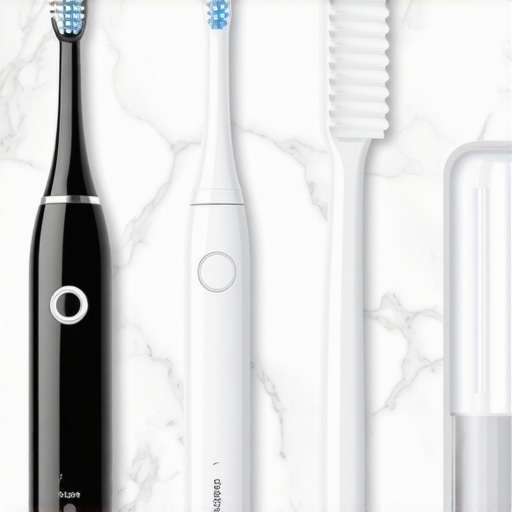
I don’t believe in buying every generic dental gadget on the market. Instead, I rely on a few clinically backed tools that deliver predictable results. First, for our daily routine, we upgraded to an oscillating-rotating electric toothbrush. If you are experiencing gum irritation with these devices, reading about why your gums bleed only when you use an electric toothbrush can help you correct your technique. For older kids and adults in our home, we also use a high-quality water flosser, which is excellent for getting between tight contacts and orthodontic wires. However, if you experience bleeding during your first few sessions, it is important to understand why your gums bleed when you use a water flosser so you do not accidentally damage your delicate gum tissue.
How do I maintain my family’s dental work over time?
To preserve specialized treatments like cosmetic restorations or orthodontic corrections, you must adapt your maintenance routine. For instance, if you have invested in clear aligners to straighten your smile, you need to clean your aligner trays meticulously to prevent permanent discoloration. If you do not follow a strict protocol, you might find yourself wondering why your aligner trays are starting to turn yellow no matter how much you soak them. For those who have invested in porcelain restorations, preserving that beautiful aesthetic requires avoiding abrasive habits and using your teeth as tools, which can cause costly chips. To protect your investment, make sure you understand how to keep your veneers from chipping if you grind your teeth, especially at night when subconscious clenching occurs.
The Future of Family Dentistry and Smart Maintenance Tech
Looking ahead, the trend of home dental care is rapidly moving toward biometric integration and smart diagnostic tools. We are already seeing the emergence of smart toothbrushes equipped with AI-driven pressure sensors and real-time mapping software that sync directly to your smartphone. The American Academy of Pediatric Dentistry suggests that interactive tracking apps can significantly improve brushing compliance in children. In the near future, I predict we will see home saliva-testing kits that can detect early signs of decay-producing bacteria or systemic inflammation before a cavity even forms. Embracing these technological shifts is a major part of family dentistry building healthy smiles for every generation.
If you want to maintain your results today, I highly recommend trying one advanced tip tonight: switch to a dedicated night guard to protect your teeth from nocturnal grinding, or implement the two-brush technique with your toddler to eliminate the bedtime struggle.
Getting your family’s dental health or your own cosmetic treatments on track is only half the battle. The real challenge is keeping those results intact. Whether you are protecting your toddler’s newly cleaned enamel, maintaining the bright shade of your teeth, or ensuring your orthodontic alignment stays perfect, you need a highly specific maintenance game plan. Without the right daily tools and routines, your hard work will quickly unravel.
The Precise Toolkit I Use to Keep Our Smiles Intact
I don’t believe in buying every generic dental gadget on the market. Instead, I rely on a few clinically backed tools that deliver predictable results. First, for our daily routine, we upgraded to an oscillating-rotating electric toothbrush. If you are experiencing gum irritation with these devices, reading about why your gums bleed only when you use an electric toothbrush can help you correct your technique. For older kids and adults in our home, we also use a high-quality water flosser, which is excellent for getting between tight contacts and orthodontic wires. However, if you experience bleeding during your first few sessions, it is important to understand why your gums bleed when you use a water flosser so you do not accidentally damage your delicate gum tissue.
How do I maintain my family’s dental work over time?
To preserve specialized treatments like cosmetic restorations or orthodontic corrections, you must adapt your maintenance routine. For instance, if you have invested in clear aligners to straighten your smile, you need to clean your aligner trays meticulously to prevent permanent discoloration. If you do not follow a strict protocol, you might find yourself wondering why your aligner trays are starting to turn yellow no matter how much you soak them. For those who have invested in porcelain restorations, preserving that beautiful aesthetic requires avoiding abrasive habits and using your teeth as tools, which can cause costly chips. To protect your investment, make sure you understand how to keep your veneers from chipping if you grind your teeth, especially at night when subconscious clenching occurs.
The Future of Family Dentistry and Smart Maintenance Tech
Looking ahead, the trend of home dental care is rapidly moving toward biometric integration and smart diagnostic tools. We are already seeing the emergence of smart toothbrushes equipped with AI-driven pressure sensors and real-time mapping software that sync directly to your smartphone. The American Academy of Pediatric Dentistry suggests that interactive tracking apps can significantly improve brushing compliance in children. In the near future, I predict we will see home saliva-testing kits that can detect early signs of decay-producing bacteria or systemic inflammation before a cavity even forms. Embracing these technological shifts is a major part of family dentistry building healthy smiles for every generation.
If you want to maintain your results today, I highly recommend trying one advanced tip tonight: switch to a dedicated night guard to protect your teeth from nocturnal grinding, or implement the two-brush technique with your toddler to eliminate the bedtime struggle.
The Hardest Lessons I Learned Managing Family Dental Care
As I look back on years of managing bedtime brush battles and navigating my own cosmetic treatments, a few truth bombs stand out that completely changed my perspective on home care:
- Consistency beats raw effort every single time: A gentle, two-minute session where your toddler is relaxed achieves far more than a five-minute forced struggle that leaves everyone crying.
- Do not let white spots fool you: Assuming every chalky mark is a cavity will lead to unnecessary panic and potentially invasive over-treatment. It is often simply a signal that your child’s enamel needs mineral support.
- A beautiful smile is a functional smile: When we rush into aggressive treatments like over-whitening or quick-fix veneers without understanding the underlying structural support, we set ourselves up for future failure.
Three Practical Resources My Family Relies On
When you are trying to cut through the noise of conflicting online health advice, you need trusted sources. Here is what I personally recommend keeping on your radar:
- American Academy of Pediatric Dentistry (AAPD) Parent Portal: This is my absolute go-to for evidence-based advice on toddler habits and tooth development. They offer realistic guides that do not make you feel guilty as a parent.
- My Favorite Pediatric-Safe Teething Toys: Specifically, the hollow silicone tubes that allow infants and toddlers to safely bite down to satisfy that deep molar pressure before brush time.
- High-Quality pH-Balanced Fluoride Rinses: Recommended by family dentistry professionals to help rebuild thin enamel safely at home rather than resorting to harsh cosmetic brighteners.
Take the First Step Toward Stress-Free Brushing Tonight
Reclaiming control of your family’s oral health does not require a complete lifestyle overhaul. It starts with small, smart adjustments. Whether you are implementing the two-brush technique to stop the toddler biting cycle, choosing a gentler strategy for the ultimate guide to teeth whitening options in 2025, or committing to custom night guards to protect your porcelain restorations, every proactive step counts. You do not have to settle for bedtime stress or compromised enamel. With patience, the right tools, and realistic expectations, you can build a supportive routine that protects your family’s smiles for decades to come.
Have you ever struggled with a toddler who treats their toothbrush like a chew toy, or had a cosmetic treatment that felt bulkier than you expected? Let me know your experiences in the comments below!