Why Your Jaw Feels Tired After a Long Cleaning at the Dentist
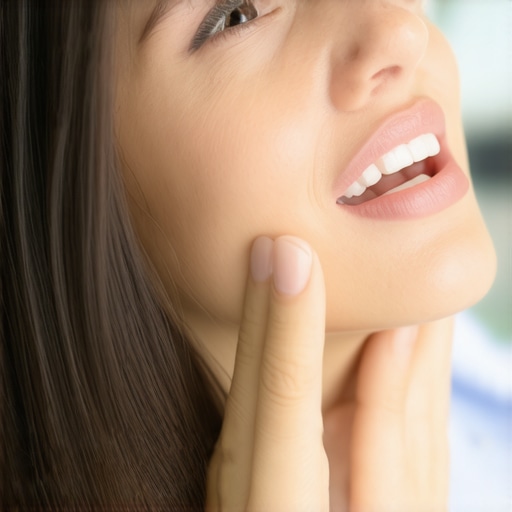
I’ll never forget the time I walked out of my dentist’s office feeling like I’d just gone ten rounds with a heavyweight boxer. I wasn’t there for anything complex like getting veneers or starting a long journey with Invisalign—it was just a standard, routine cleaning. Yet, as I tried to say “thank you” to the receptionist, my jaw literally seized up. It was embarrassing, uncomfortable, and frankly, a little bit alarming. I spent the rest of the day wondering if I’d somehow “broken” my face during a routine scale and polish. We often focus so much on the teeth themselves, but the muscles holding everything together are the unsung heroes of family dentistry. If you’ve ever felt that deep, dull ache after sitting in the chair, you are definitely not alone. Today, we’re going to figure out why this happens and what you can do to stop the “dental hangover” before it starts. Have you ever left the office feeling like you needed a heating pad and a nap for your face? [image]
Your Jaw Muscles Are Running a Marathon in That Chair
I used to make a massive mistake every time I sat down for a checkup. I call it the “Wide-Open Hero” trap. I thought I was being the perfect patient by opening my mouth as wide as humanly possible, thinking I was making the hygienist’s life easier. I’d hold that position with white-knuckled intensity for forty-five minutes straight. In reality, I was just straining my temporomandibular joint (TMJ) and exhausting my masseter muscles. I didn’t realize that my “helpful” straining was actually making it harder for the dentist to work because my muscles were so tense they were fighting against the tools. It’s no wonder my six-month cleaning felt like a high-intensity gym workout. According to the American Dental Association, holding the jaw in an extreme open position for extended periods is a primary cause of acute muscle fatigue and localized soreness. It isn’t that the cleaning itself is damaging; it’s the physical endurance required to stay still for so long. This is especially true if you already notice why your jaw pops when you open your mouth wide during your daily life.
Does a Simple Cleaning Really Have to Hurt This Much?
You might be skeptical that a non-invasive appointment can leave you so drained. But think about it: your jaw isn’t designed to stay hyper-extended. When those muscles get tired, they begin to cramp, much like your legs would if you stood on your tiptoes for an hour without a break. It can even lead to referred pain, making you think your wisdom teeth are causing pain in other areas of your face. The good news is that understanding this “muscle fatigue” is the first step toward a more comfortable experience. Today, I’m sharing the practical tips I’ve learned to keep the tension at bay, from bite blocks to better communication with your dental team.
Ask Your Dentist for a Rubber Bite Block
If you aren’t using a bite block yet, you’re missing out on the single greatest comfort hack in modern dentistry. It’s essentially a small, wedge-shaped piece of firm rubber that the hygienist places between your back teeth. This prop does the ‘holding’ for you, allowing your muscles to go limp while your mouth stays perfectly positioned for the tools. I used to think I didn’t need one, but during a particularly long session to discuss veneers and tooth aesthetics, my dentist insisted. The difference was night and day. Instead of my masseters firing on all cylinders to keep my mouth open, I could actually relax. It’s especially helpful during procedures that take a bit longer, like professional teeth whitening.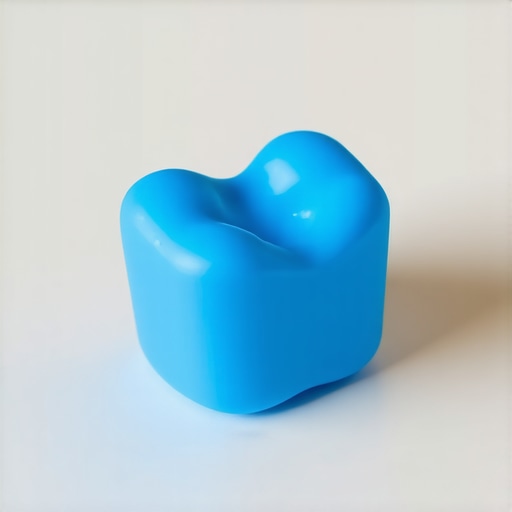
Agree on a Hand Signal for Rest Breaks
Most people feel like they’re being held hostage once the bib goes on, but you have more control than you think. Before the scaling starts, I always tell my hygienist, ‘If I raise my left hand, I need thirty seconds to close my mouth and swallow.’ I remember one appointment where the plaque buildup was stubborn—probably because I let my coffee stains get out of hand. About halfway through, my jaw started to tremble uncontrollably. I raised my hand, took a moment to gently move my jaw side-to-side, and the trembling stopped. Without that pre-arranged signal, I would have just sat there in silent agony, potentially causing a muscle spasm.
Gently Massage Your Masseter Muscles Post-Visit
Once you’re back in your car, don’t just jump into a phone call. Your muscles need a ‘cool down’ period. I like to use two fingers to apply gentle, circular pressure to the area just in front of my ears. This is the same technique recommended for why your jaw muscles feel exhausted after a long day of talking. You’re essentially encouraging blood flow to flush out the lactic acid that built up while you were straining.
Alternate Heat and Cold to Stop Inflammation
If the ache is deep, don’t wait for it to become a full-blown headache. I use a cold compress for the first hour to dull any immediate ‘zingers’—similar to how you’d handle the zingers after a professional whitening session. After that, I switch to a warm washcloth. The heat helps the muscle fibers relax and prevents that ‘locked’ feeling the next morning. This is a staple in family dental care for kids too, who might not understand why their face feels weird after a filling.Beyond the physical fatigue of the jaw, there is a hidden nuance to cosmetic dental work that most people completely miss. We are often conditioned to believe that a ‘perfect’ smile is a static goal, but the reality is that your mouth is a dynamic, living system. One of the biggest ‘oops’ factors I see in my years of writing about oral health is the mistake of using whitening strips on dental bonding or existing veneers. Natural enamel is porous and reacts to bleach, but resin and porcelain are non-porous. If you try to whiten a smile that has a mix of natural teeth and bonding, you’ll end up with a mismatched, patchy look that’s incredibly hard to fix without expensive replacements. 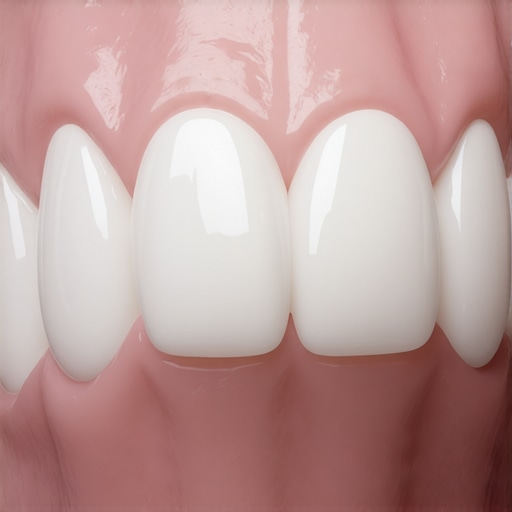
Whiter Isn’t Always Healthier
There’s a persistent myth that you should keep bleaching until your teeth match a fresh coat of paint. However, the most sophisticated aesthetic results—what I call the ‘stealth’ smile—actually match the whites of your eyes. Going beyond that threshold often results in why your veneers look fake and how to avoid it. Over-bleaching can lead to permanent tooth sensitivity and even chemical irritation. If you aren’t careful, you’ll be frantically looking up how to treat a burn on your gums from whitening gel instead of showing off your results. A study published in the Journal of Evidence-Based Dental Practice notes that excessive peroxide exposure can compromise the micro-hardness of your enamel, a nuance rarely discussed in marketing materials.
Does Your Dental Bonding React Differently to Whitening?
This is the advanced question that separates the beginners from the experts. The answer is a hard yes. Because bonding material is a composite resin, it is immune to the oxidation process of whitening gels. This means if you whiten the tooth around the bonding, the repair will stand out like a sore thumb. If you are exploring invisalign secrets for achieving a perfect smile, you must plan your whitening before any permanent bonding is applied to ensure a uniform shade.
Why Your Invisalign Trays Might Be Fighting Your Jaw
Everyone focuses on the straightness of the teeth, but the real expertise lies in the bite. If your aligners are not seated perfectly, or if you fall into the problem with wearing your aligners for only 18 hours a day, you aren’t just delaying progress. You are creating a ‘jiggling’ effect on the roots that can lead to soreness or even tooth mobility. In the context of family dentistry building healthy smiles, we see that consistency is more important than force. Furthermore, many patients get frustrated by why your aligner trays are starting to turn yellow no matter how much you soak them, which is usually due to microscopic porosity caused by improper cleaning techniques. Finally, consider the prep work for veneers. Choosing a ‘no-prep’ option might sound like a dream, but it is often the real reason your new veneers feel bulky against your lips. Real expertise involves knowing when to remove a hair-width of enamel to ensure the final result looks like a part of you, not an add-on. Have you ever fallen into the trap of over-whitening or ignoring a weird ‘click’ in your jaw? Let me know in the comments.
I used to think that once the veneers were bonded and the Invisalign treatment was finished, the hard work was over. I was wrong. The real challenge is the daily ‘maintenance phase’ that keeps those results looking like Day One. If you’ve invested thousands into your smile, you can’t rely on a basic drugstore toothbrush alone. I’ve transitioned into what I call a ‘high-fidelity’ oral care routine, and it starts with ditching manual scrubbing for my retainers and aligners. Manual brushing can actually create microscopic scratches that trap bacteria, which is the hidden reason your clear aligners have a persistent odor even after a soak.
The Gadgets That Actually Keep My Smile Intact
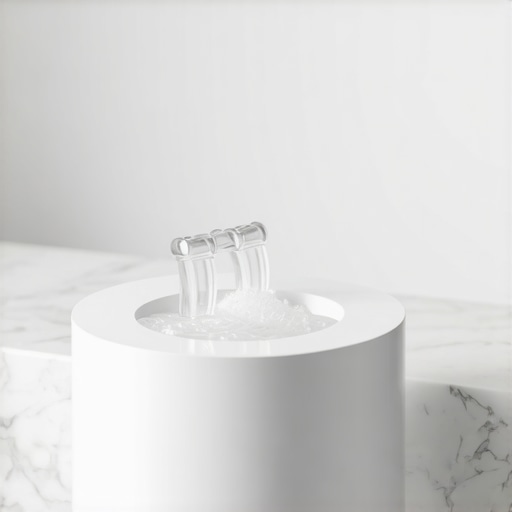
The single best investment I’ve made is a portable ultrasonic cleaner. Instead of attacking my trays with a toothbrush—which can make them look cloudy—I drop them into the ultrasonic pod for five minutes with a pH-neutral tablet. The high-frequency sound waves create cavitation bubbles that blast away biofilm without any abrasive contact. This is also the best way to clean your night guard so it doesn’t smell if you are a grinder like me. For my veneers, I am incredibly picky about toothpaste RDA (Relative Dentin Abrasivity) values. Many ‘whitening’ pastes are essentially sandpaper in a tube; using them is the truth about using charcoal toothpaste on porcelain surfaces—it eventually strips the polish and makes them look matte and lifeless.
How do I maintain my dental work for the long haul?
Consistency over intensity is the secret. I personally use a water flosser every single night because it reaches the margins where my veneers meet the gum line—areas where a physical string might catch or fray. If you have a bridge or implants, a water flosser is non-negotiable for flushing out debris. According to a study in the Journal of Clinical Periodontology, water flossing can be up to 50% more effective than traditional string floss for reducing gingivitis and removing plaque from hard-to-reach areas. This helps prevent the inflammation that leads to why your porcelain veneers look dull after five years of wear, which is often actually a sign of receding gums or stain accumulation at the margins.
Your Mouth Is About to Get Much Smarter
Looking ahead, I predict we are moving toward ‘biometric dental monitoring.’ We are already seeing the rise of AI-powered scan boxes that allow you to take a 3D video of your teeth at home and send it to your dentist. This is becoming a cornerstone of Invisalign innovation in 2025, where your doctor can catch a tracking issue or a potential cavity before it requires an emergency visit. This level of ensuring family dental care through technology means less time in the chair and more time enjoying your results. If you want to level up right now, I highly recommend switching to a tooth mousse containing CPP-ACP (Casein Phosphopeptide-Amorphous Calcium Phosphate). It’s an advanced way to remineralize your enamel and is incredible for how to remove the white spots that appear on your teeth after braces by pulling calcium back into the tooth structure.
Hard Lessons from My Million-Dollar Smile Journey
After years of navigating everything from routine cleanings to complex cosmetic shifts, I’ve realized that the ‘perfect’ smile isn’t a destination—it’s a maintenance schedule. One major realization was that my bite isn’t static; even with Invisalign secrets for a discreet smile, your teeth naturally want to drift back to their old positions over time. Another ‘lightbulb moment’ occurred when I learned that choosing between veneers and crowns is as much about structural integrity as it is about aesthetics. Finally, I learned the hard way that aggressive scrubbing is the enemy of artistry. If you treat your porcelain like regular enamel with abrasive pastes, you will lose that expensive luster faster than you can say ‘checkup.’
Tools That Keep My Dental Work Pristine
I no longer rely on a standard manual toothbrush and drug-store floss. My toolkit is specific and science-backed to protect my investments. First, I swear by a high-quality water flosser; it is the most effective way I have found for keeping my veneers from chipping by removing the sub-gingival debris that causes gum inflammation. Second, I only use advanced teeth whitening secrets that involve custom-fitted trays rather than generic, acidic strips. I also keep a stash of pH-neutralizing mouthwash to combat acidity after my morning coffee, which is a crucial habit for creating a healthy smile for your kids and yourself alike. #IMAGE_PLACEHOLDER_E#
Future-Proof Your Smile Today
Your dental health is one of the few personal investments that pays dividends every time you introduce yourself to someone new. Whether you are currently managing jaw fatigue from a long appointment or planning your next major cosmetic move, remember that your dental team is your primary partner in this journey. By prioritizing consistency over intensity and using the right specialized tools, you ensure your family dentistry experience is one of confidence rather than constant repair. Have you ever noticed your dental work feeling slightly different after a few years of wear? Let me know in the comments below!